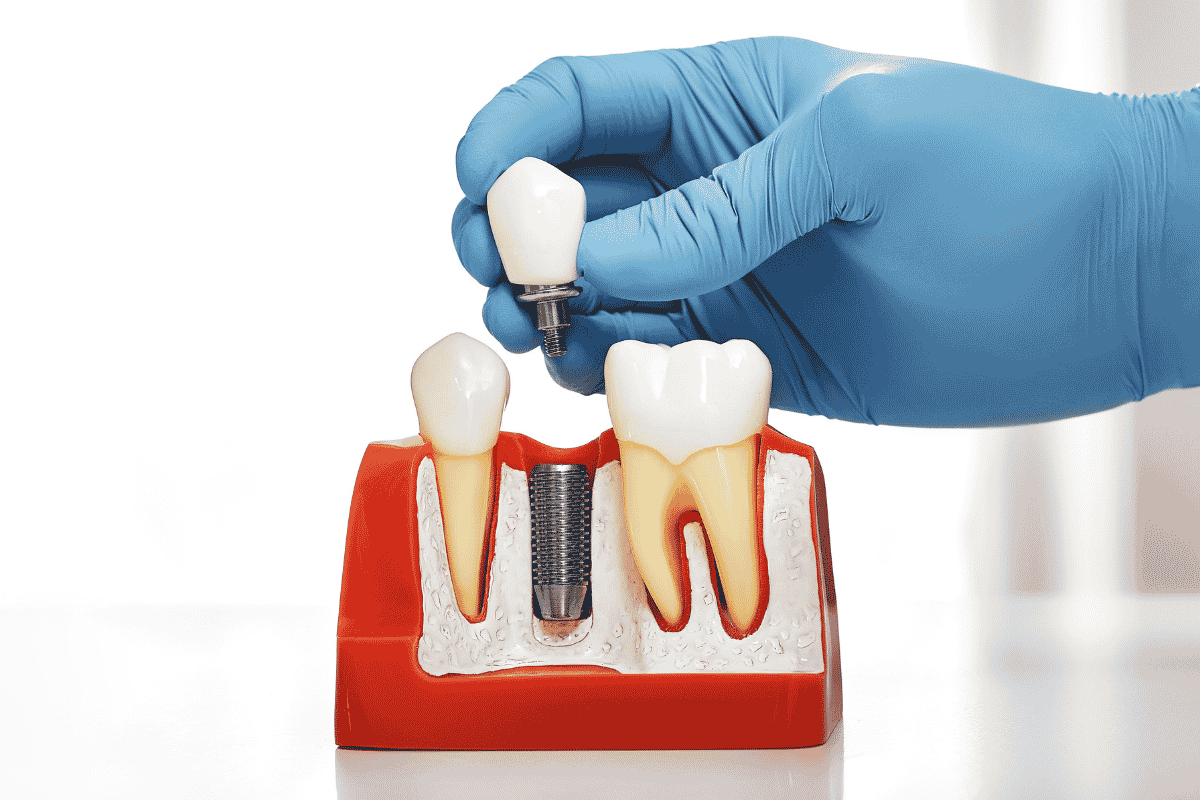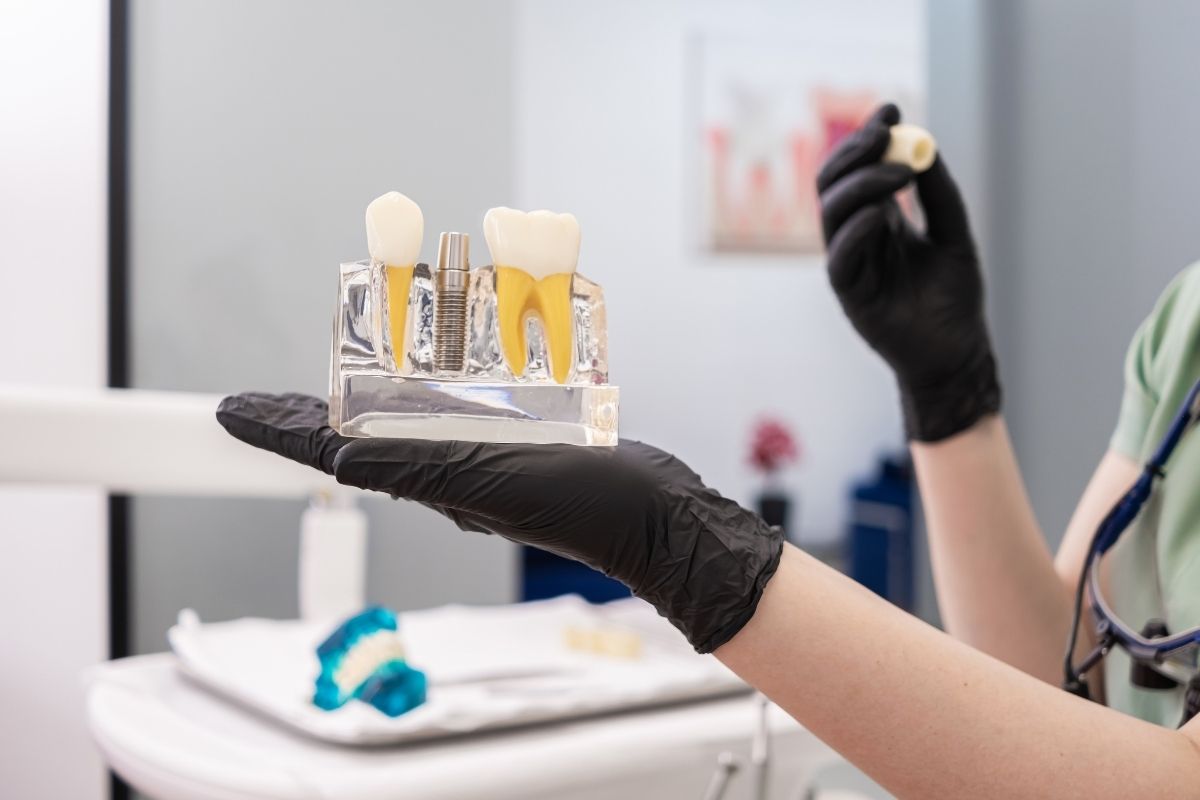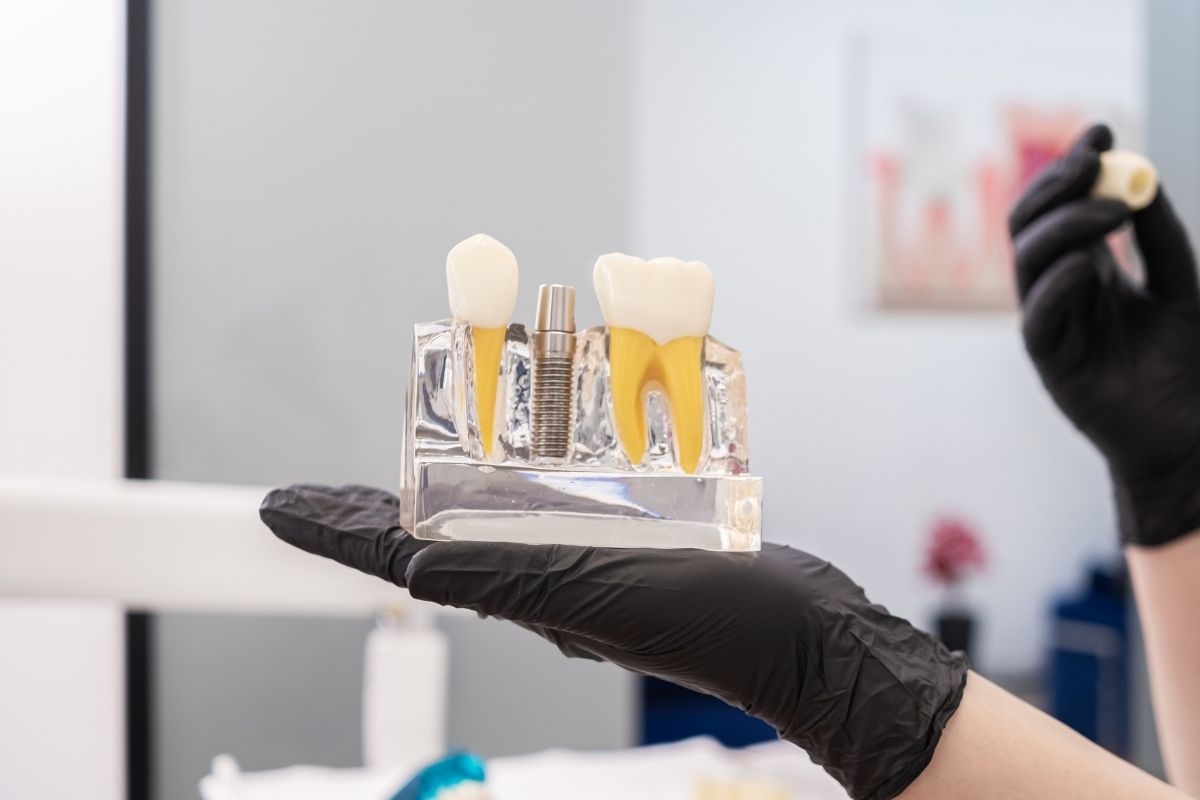


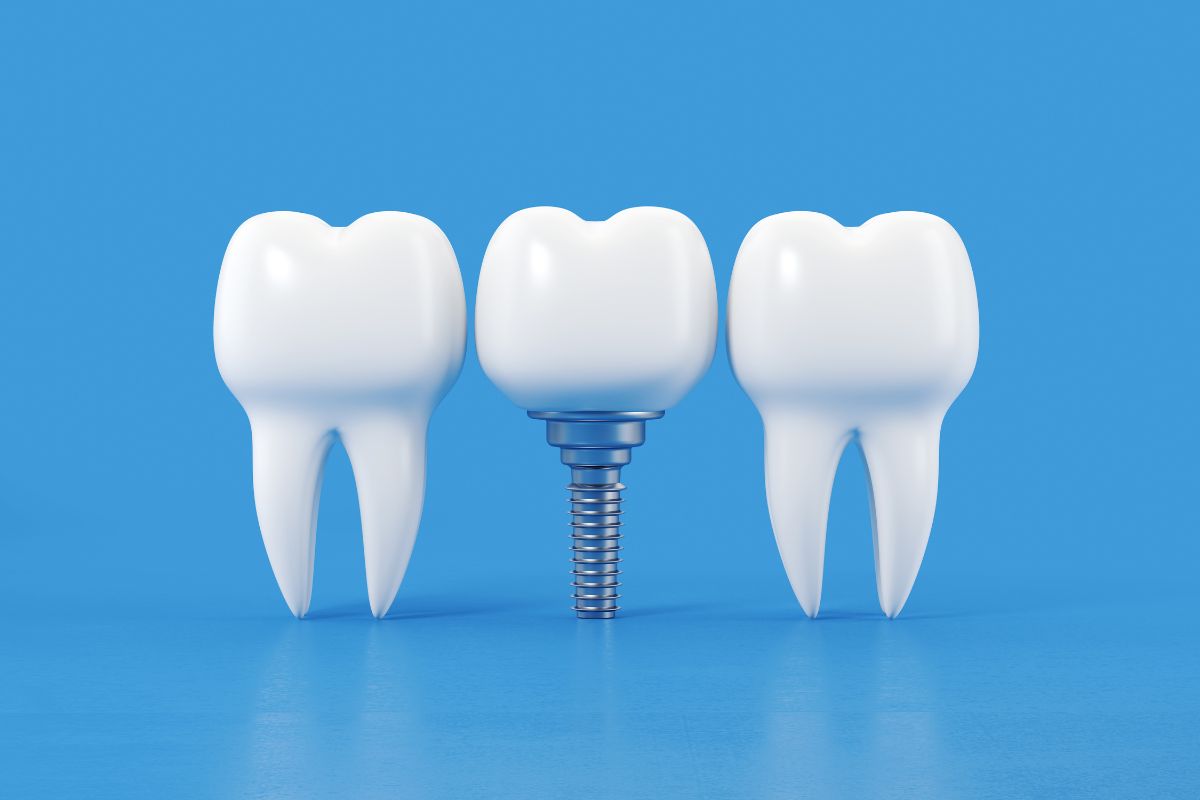
Dental restorations offer a great, durable solution for missing teeth. Due to its effectiveness, many dental practitioners recommend this course of therapy. Additionally, the success rate of this surgery is high. In the U.S., more than 3 million people have dental implants, a figure that’s growing by approximately 500,000 each year. However, receiving proper dental care from a dentist afterward is also essential for success. Here, we’ll discover the significance of receiving expert dental care following dental restorations if you get the signs of infection.
Signs That Indicate Your Dental Implants Have Been Infected
If you identify or detect any kind of symptoms, then book an appointment immediately. Here are the signs you should look for:
1. Pain and Trouble Chewing
It’s common to experience some pain following any invasive dental surgery. It should, however, be manageable with over-the-counter or prescription pain medication. You may have an infection if your pain gets worse or spreads, especially if it makes it difficult for you to chew and communicate.
2. Fever, Redness, and Swelling
For instance, following implants, discomfort is common near the surgical site. However, after the first few days, it should decline. An infection is indicated by increased swelling and redness, particularly when fever is present.
3. Constant Bad Taste in Your Mouth
The buildup of harmful bacteria causes dental restoration infections. You may notice an odd taste that persists as these remain in your gums and seep into your mouth. Additionally, you can experience persistent foul breath.
4. Bleeding or Leaking Pus
Red and white blood cells quickly travel to the afflicted location to eliminate the pathogens when an infection occurs. This could result in blood seeping into your mouth if it affects your gums.
5. Loose Implant
To prevent them from falling loose, dental implants are fastened straight onto the jawbone. Your implant should stay stable for the remainder of your life after it is placed. An implant that is loose or wriggling indicates a problem and may require additional surgery to correct.
How Do You Care For Your Teeth After A Dental Implant?
Here are the things you should do to prevent infection:
- You can try a cold compress to reduce swelling right after 24 hours of the surgery.
- You need to follow basic dietary restrictions after you get the surgery to avoid pressure on the site.
- You need to follow basic oral hygiene as instructed by your dentist. If you have any questions regarding this, then visit our dental office.
- Do not put any kind of physical pain into it, and give it time to heal slowly.
Restore Your Missing Teeth With Our Implants
For your dental restorations to remain functional and aesthetically pleasing for many years, proper maintenance is necessary. Consistent oral cleanliness, regular dental examinations, and a healthy lifestyle can make all the difference. You will require the expert care of our dentist following the dental restoration. At Mountain View Endodontics, we can offer professional guidance and services for individualized treatment.
FAQs
What’s the ideal aftercare routine for dental restorations?
Five fundamental guidelines comprise the optimal aftercare: pay attention to your dentist, stay away from hot foods and beverages, brush your teeth, maintain a clean mouth, and include solid foods.
How can I maximize the success of my implants?
Every patient has unique needs, so it’s essential to follow the instructions closely. Be sure to ask any questions you may have during your consultation.
What are the best ways to accelerate healing after dental implants?
You must follow the directions of your dentist and get adequate relaxation and sleep. Additionally, you might attempt various pain-reduction techniques.