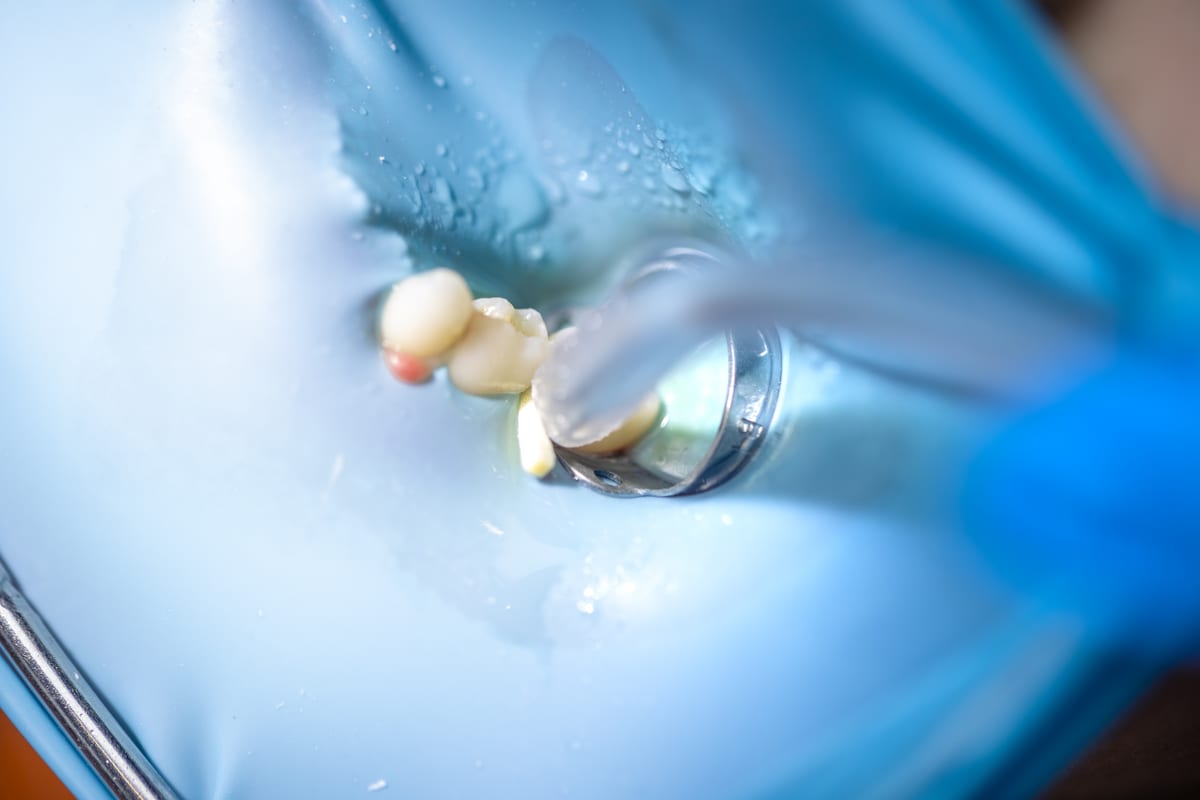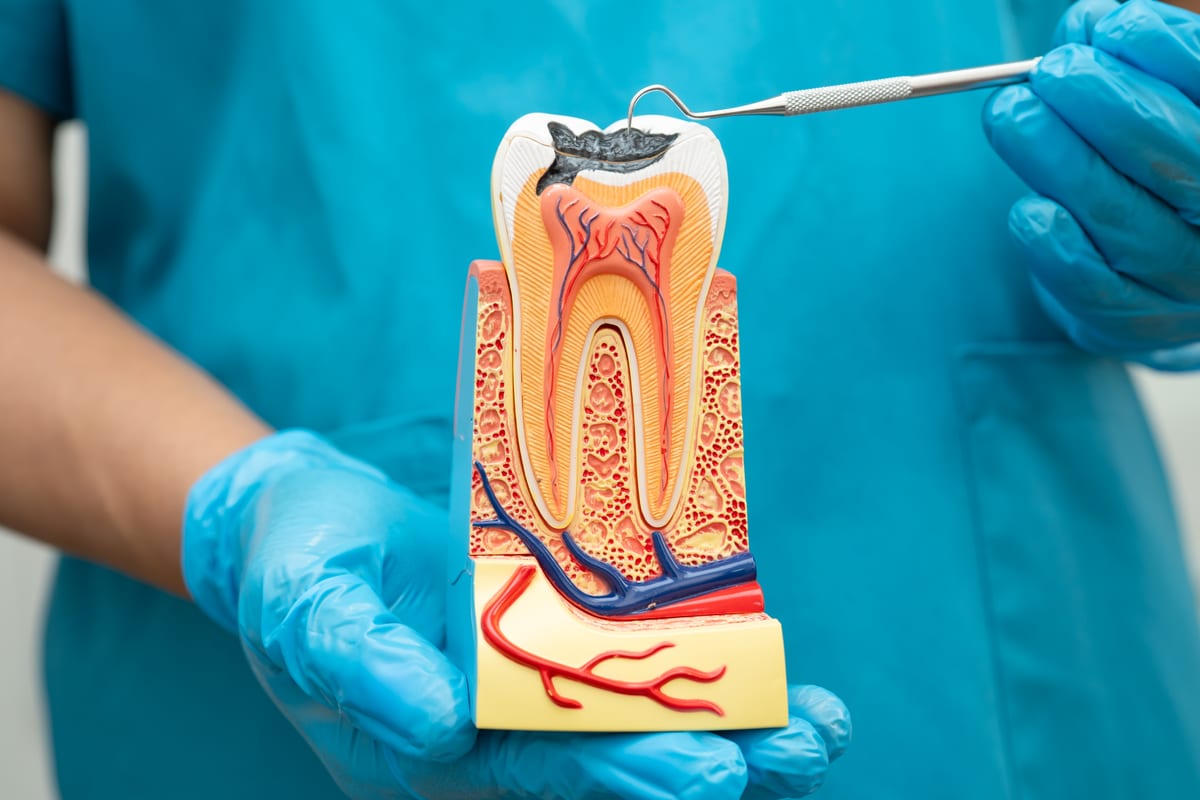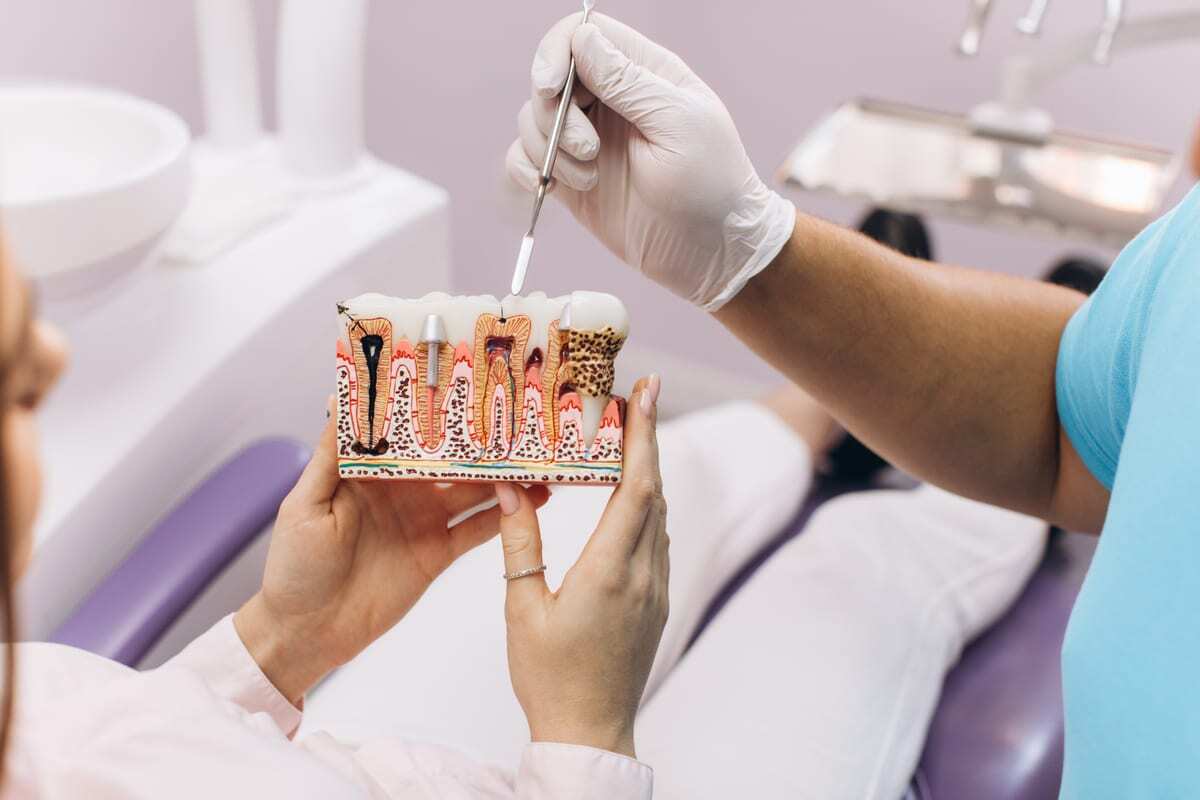


If you’ve been told you need a root canal, your first question is probably: does it hurt? That fear is completely understandable. For decades, root canals had a reputation for being painful. But modern dentistry has changed everything. At Mountain View Endodontics in Layton, UT, Dr. Stuart Gibby uses advanced anesthesia techniques that prevent the pain most patients dread. Understanding what modern anesthesia actually prevents can help ease your anxiety before your appointment.
The honest answer is this: most patients feel little to no pain during a root canal. The discomfort typically comes afterward, during recovery. Knowing the difference between procedure pain and recovery soreness helps you prepare mentally and physically. This guide walks you through exactly what to expect at every stage.
Why Root Canals Got Their Bad Reputation
Root canals became feared largely because of outdated techniques. Decades ago, anesthesia wasn’t as effective or precise as it is today. Patients sometimes felt significant discomfort during the procedure. Those stories spread — and the fear stuck around long after the techniques improved.
Today, a Root Canal Treatment Layton looks very different. The tools are better. The anesthesia is more targeted. The training for endodontists like Dr. Gibby is far more specialized. Most patients are genuinely surprised by how manageable the experience is.
Another reason for the old fear was that people often arrived in severe pain from an infected tooth. That pre-existing pain made the entire experience feel worse. Modern care addresses that infection quickly, bringing relief rather than adding to it.
What Modern Anesthesia Actually Prevents During Your Root Canal in Layton
This is the core question many Layton patients ask. Modern local anesthesia blocks nerve signals in a very targeted way. You won’t feel sharp pain, pressure, or drilling sensations during the procedure. Dr. Gibby ensures the area is fully numb before any treatment begins.
Here’s what effective anesthesia prevents during your root canal:
- Sharp or shooting pain from the tooth’s nerve
- Sensitivity to heat or cold during treatment
- Uncomfortable pressure from dental instruments
- Anxiety-triggering pain sensations mid-procedure
- The need to stop and restart due to inadequate numbing
Some patients do feel mild pressure or movement. That’s normal and expected. Pressure is not pain — it’s simply the physical sensation of the instruments working. Most patients compare the experience to a routine filling.
If at any point you feel discomfort during treatment, you can signal Dr. Gibby immediately. More anesthetic can be applied. Patient comfort is always the priority at Mountain View Endodontics.
During vs. After: Understanding the Two Phases of Root Canal Discomfort
It’s important to separate the procedure itself from the recovery period. These are two very different experiences. Anesthesia handles the first phase. Recovery care handles the second.
During the procedure: With proper anesthesia, most patients feel minimal to no pain. You may feel some pressure or vibration. The procedure typically takes 60 to 90 minutes depending on the tooth. Many patients report feeling relieved that it wasn’t as bad as they expected.
After the procedure: Once the anesthesia wears off, some soreness is normal. The tissue around the treated tooth may feel tender. This usually lasts two to three days. Over-the-counter pain relievers typically manage it well.
The key distinction is this: post-procedure soreness is your body healing, not an indication that something went wrong. It is usually far less intense than the original toothache that made treatment necessary.
What Recovery Actually Looks Like After a Root Canal
Recovery from a root canal is generally straightforward. Most patients return to normal activities the next day. Some go back to work the same afternoon. Here’s a realistic picture of what recovery involves:
- Mild soreness or tenderness around the tooth for 2–3 days
- Slight jaw stiffness from keeping your mouth open during treatment
- Sensitivity when biting down, which fades within a few days
- No swelling in most cases, though minor gum inflammation can occur
- Full resolution of symptoms within one to two weeks
Dr. Gibby may recommend avoiding hard or crunchy foods for a few days. A temporary or permanent crown is usually placed after the root canal to protect the tooth. Following post-care instructions speeds up healing significantly.
If you experience severe pain, significant swelling, or a fever after your procedure, contact Mountain View Endodontics right away. These are rare but important signs that should be checked promptly.
Addressing Common Root Canal Myths That Fuel Fear
Many patients arrive at our Layton office having read alarming things online. Misinformation about root canals is widespread. Separating fact from fiction is an important part of reducing dental anxiety. We encourage patients to explore Root Canal Myths Layton for a full breakdown of common misconceptions.
One of the biggest myths is that root canals cause illness or systemic health problems. This claim has been thoroughly debunked by modern dental research. Root canals actually remove infection — they don’t cause it. Another myth is that tooth extraction is a better option than a root canal.
Saving your natural tooth is almost always the preferred outcome. Extraction leads to additional procedures like dental implants or bridges. A root canal preserves your natural tooth and restores normal function. In most cases, it is the more conservative and cost-effective choice.
How Dr. Stuart Gibby Ensures a Comfortable Experience in Layton
Dr. Gibby’s approach combines clinical skill with genuine empathy. He understands that dental anxiety is real and valid. Every patient at Mountain View Endodontics is treated with patience and care. The goal is always to make the experience as smooth as possible.
Before any procedure, Dr. Gibby discusses exactly what will happen step by step. This transparency reduces anxiety significantly. Patients who know what to expect feel more in control. That sense of control makes a real difference in the chair.
The Layton office uses modern endodontic technology including digital imaging and precision instruments. These tools improve accuracy and reduce treatment time. A shorter, more precise procedure means less time in the chair and a faster recovery.
Conclusion: The Truth About Root Canal Pain in Layton
The honest answer to