

If you’ve been told you need a root canal, your first question is probably about pain. Does root canal treatment really hurt? For patients in Pleasant View, this is one of the most common concerns we hear at Mountain View Endodontics. The honest answer might surprise you. Modern root canal treatment is far more comfortable than most people expect — and it often relieves pain rather than causing it.
The fear around root canals is mostly rooted in outdated stories. Today’s techniques, tools, and anesthesia have completely changed the experience. Dr. Stuart Gibby is committed to making sure every patient in Pleasant View feels informed, comfortable, and confident before treatment begins.
Why Root Canals Have a Bad Reputation — And Why It’s Outdated
The root canal horror story has been passed down for generations. Decades ago, dental anesthesia was far less effective. Procedures took longer and caused real discomfort. That reputation has stuck, even though the procedure itself has dramatically improved.
Today, endodontic specialists use advanced local anesthesia that fully numbs the tooth and surrounding tissue. Most patients report feeling pressure or movement — but not sharp pain. Many say the experience felt no worse than getting a routine filling.
If you want to explore more common misconceptions, check out our guide to Root Canal Myths Pleasant View patients should stop believing. Understanding the facts helps reduce anxiety before your appointment.
What Does Root Canal Treatment Actually Feel Like in Pleasant View?
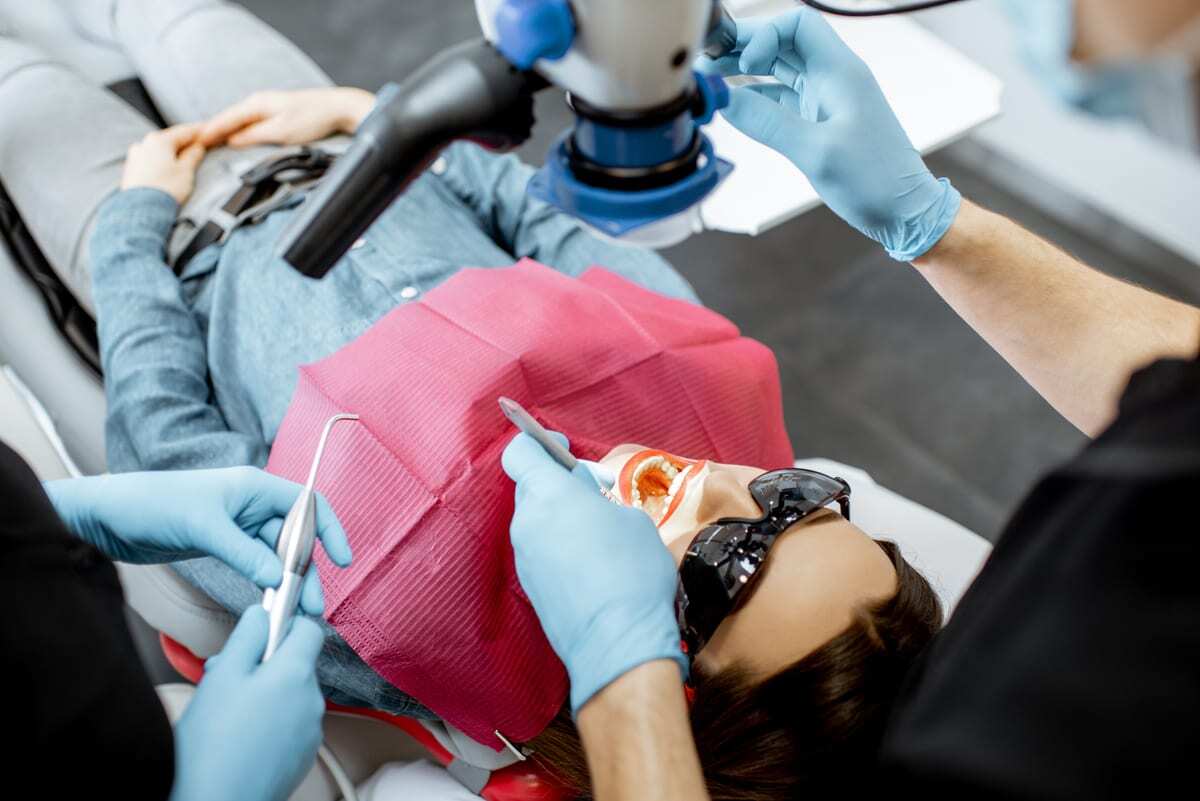
Before Dr. Gibby begins treatment, he administers a local anesthetic to completely numb the area. You may feel a brief pinch from the injection — that’s typically the most uncomfortable moment of the entire visit. Once the anesthesia takes effect, the tooth itself is numb.
During the procedure, you might notice:
- A sensation of pressure as instruments are used inside the tooth
- Vibration from small files cleaning the root canals
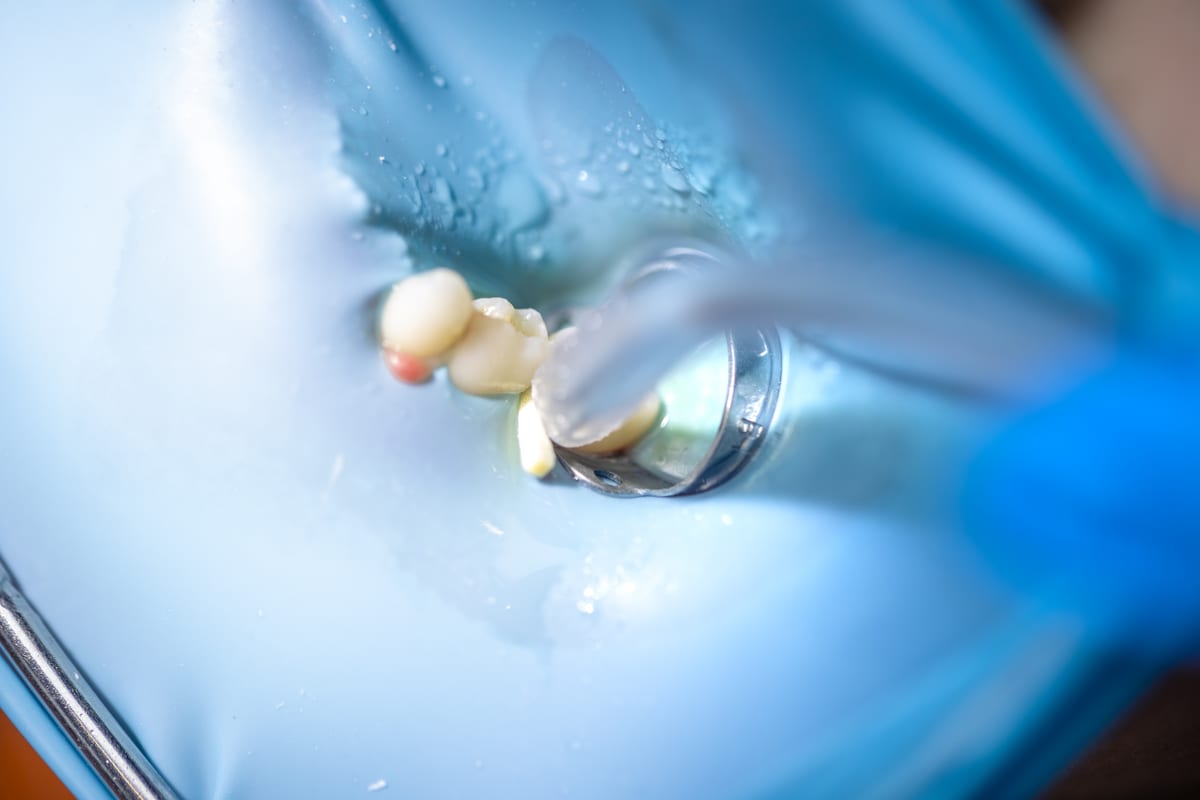
- The feel of water or suction in your mouth
- Occasional mild sensitivity at the edges of the numb area
What you should not feel is sharp or intense pain. If you do feel discomfort at any point, raise your hand and Dr. Gibby will pause to add more anesthetic. Patient comfort drives every step of the process here in Pleasant View.
The procedure typically takes between 60 and 90 minutes, depending on the tooth’s complexity. Molars with multiple canals take longer than front teeth. Dr. Gibby will explain the timeline before he starts.
What Happens After the Procedure — Recovery and Soreness
Once the anesthesia wears off, some patients experience mild soreness. This is completely normal. The tissue around the tooth may be slightly inflamed from the infection that made treatment necessary in the first place.
Most post-treatment discomfort is manageable with over-the-counter pain relievers like ibuprofen or acetaminophen. Prescription medication is rarely needed. Soreness typically peaks within the first 24 to 48 hours and then fades steadily.
Here is what a typical recovery looks like:
- Day 1: Mild to moderate soreness as anesthesia wears off. Avoid hard or chewy foods.
- Days 2–3: Soreness begins to ease. Most patients return to normal activities.
- Days 4–7: Discomfort continues to fade. Eating returns to normal gradually.
- Week 2 onward: Most patients feel fully back to normal.
It’s important to remember that many patients come in already experiencing significant tooth pain from infection. After treatment, that deep, throbbing ache disappears. Root canal treatment ends pain — it doesn’t create it.
How Dr. Stuart Gibby Keeps Patients Comfortable in Pleasant View
Dr. Gibby understands that dental anxiety is real. His approach focuses on clear communication, patient-centered care, and gentle technique. He explains each step before it happens so nothing catches you off guard.
The team at Mountain View Endodontics uses modern rotary instrumentation and digital imaging. These tools make the procedure faster and more precise. Less time in the chair means less discomfort overall.
If you experience significant anxiety, talk to Dr. Gibby before your appointment. There are options to help you relax. The goal is always to ensure you feel supported from the moment you walk in to the moment you leave.
After your root canal, a dental crown is usually placed to protect the treated tooth. If the tooth cannot be saved, alternatives like Dental Implants Pleasant View patients rely on may be worth discussing with Dr. Gibby.
Signs You May Need a Root Canal — And Why Waiting Makes It Worse
Some patients delay treatment because they fear pain. This actually increases discomfort in the long run. Untreated infections grow, and the pain from an abscess is far worse than any discomfort from the procedure itself.
Watch for these warning signs that suggest you need endodontic care:
- Persistent, throbbing toothache that doesn’t go away
- Sharp pain when biting or chewing
- Prolonged sensitivity to hot or cold temperatures
- Swelling or tenderness in the gums near a tooth
- Darkening or discoloration of a tooth
- A small pimple-like bump on the gum
If you notice any of these symptoms, contact Mountain View Endodontics promptly. Early treatment is simpler, faster, and more comfortable. Emergency appointments are available for patients in Pleasant View experiencing acute dental pain.
Conclusion: Root Canal Treatment Is Not What You Think
The short answer to the big question is this — no, modern root canal treatment does not hurt the way most people imagine. With proper anesthesia and the skilled hands of Dr. Stuart Gibby, most patients in Pleasant View find the experience surprisingly manageable. The real discomfort comes from avoiding treatment, not from having it done. If you are worried about pain or have questions about the process, our team is here to help. Book Now to schedule your appointment with our team.
Frequently Asked Questions
Does a root canal hurt during the procedure?
No — not with modern anesthesia. Dr. Gibby numbs the tooth and surrounding tissue thoroughly before starting. Most patients feel pressure or vibration but not sharp pain. If any discomfort occurs during treatment, additional anesthetic is applied right away.
How long does root canal recovery take?
Most patients recover within three to seven days. Mild soreness in the first 48 hours is normal. Over-the-counter pain relievers typically manage any discomfort. Most people return to their regular routine within a day or two after treatment.
Is root canal treatment better than tooth extraction?
In most cases, saving the natural tooth is the preferred option. Root canal treatment preserves the tooth’s function and prevents the need for a replacement. Extraction leads to additional procedures to fill the gap, such as dental implants or bridges, which are more complex and costly overall.
What should I eat after a root canal?
Stick to soft foods for the first day or two. Good options include yogurt, mashed potatoes, soups, and smoothies. Avoid crunchy, hard, or very hot foods until soreness fades and your dentist confirms the area has healed.
When should I call the office after a root canal?
Contact Mountain View Endodontics if pain worsens significantly after the first two days, if swelling increases, or if you develop a fever. These signs can indicate a complication that needs prompt attention. Most recoveries go smoothly, but Dr. Gibby’s team is always available to answer concerns.