


If you’ve been told you need a root canal, your first question is probably about pain. You’re not alone — root canal pain is one of the most searched dental topics in Layton, UT. The good news is that most patients are genuinely surprised by how manageable the experience actually is. Understanding what to expect before, during, and after treatment can turn fear into confidence.
Why Root Canal Pain Feels So Intense Before Treatment
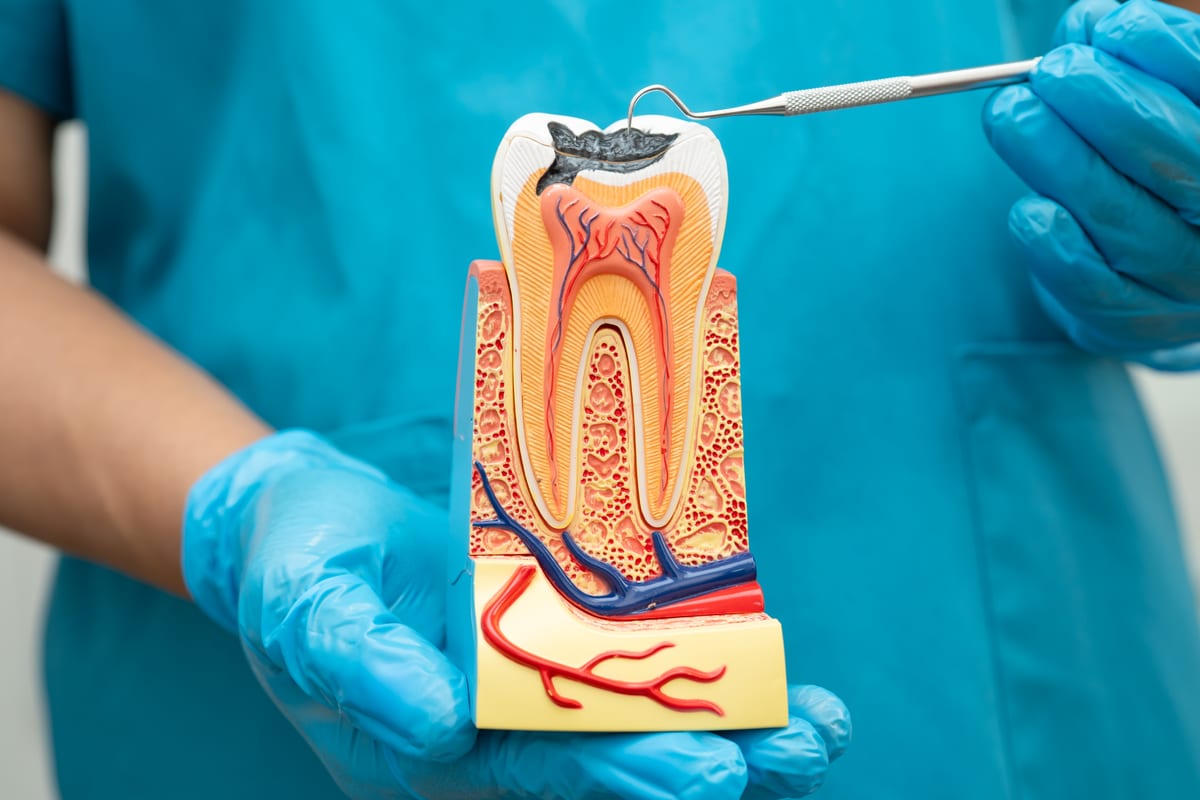
The pain that sends most patients to our office isn’t caused by the root canal itself. It’s caused by the infected or inflamed pulp inside the tooth. That inner tissue contains nerves, and when bacteria invade it, pressure builds rapidly.
This pre-treatment pain often includes:
- Throbbing or constant aching in the tooth or jaw
- Sharp pain when biting or chewing
- Sensitivity to heat that lingers for more than a few seconds
- Swelling in the gums near the affected tooth
- Referred pain spreading to the ear or neck
Many patients in Layton wait too long because they hope the discomfort will go away on its own. Unfortunately, an infected tooth rarely heals without treatment. The sooner you address it, the easier the recovery tends to be.
There are also a lot of outdated ideas floating around about this procedure. We regularly see patients who’ve absorbed Root Canal Myths Layton residents have passed down for decades — and those myths make the fear much worse than the reality.
What You Actually Feel During a Root Canal in Layton
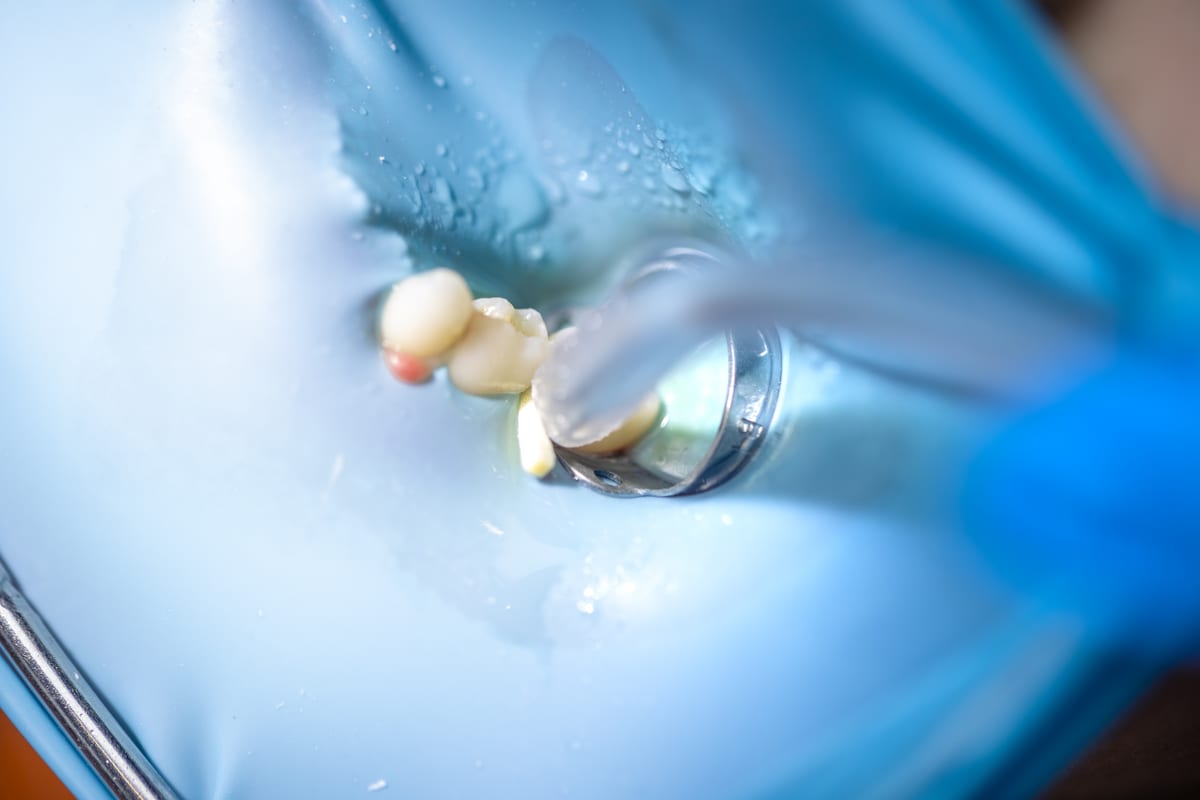
Modern endodontic treatment is nothing like the procedure your grandparents may have described. Dr. Stuart Gibby uses advanced local anesthesia to ensure the treatment area is fully numb before any work begins. Most patients feel pressure and movement — but not pain.
Here’s a realistic breakdown of the procedure experience:
- Anesthesia injection: A brief sting as the numbing agent is delivered. This is usually the most uncomfortable moment.
- Waiting for full numbness: Dr. Gibby confirms the area is completely numb before proceeding. He won’t start until you’re comfortable.
- Cleaning the canals: You may feel pressure and vibration. Pain is not normal at this stage — tell your provider immediately if you feel any.
- Sealing the tooth: The final step involves filling and sealing the canals. This is typically painless.
Some patients with severe infections find that the tissue is harder to numb initially. In those cases, Dr. Gibby may use additional anesthesia or recommend treating the infection first. Your comfort is always the priority at Mountain View Endodontics.
The entire procedure typically takes one to two appointments. You’ll be awake and able to communicate throughout. Many patients listen to music or simply relax once the numbness sets in.
Root Canal Recovery: What the First Few Days Look Like
After your appointment, the numbness will wear off over the next few hours. This is when mild soreness typically begins. The tissues around the treated tooth were manipulated during the procedure, so some tenderness is completely normal.
Most patients describe the post-treatment discomfort as:
- A dull ache or soreness around the tooth and jaw
- Sensitivity when biting down for the first day or two
- Mild swelling or tenderness in the gum tissue nearby
- Occasional throbbing that fades within 48 to 72 hours
Over-the-counter pain relievers like ibuprofen are usually enough to manage this. Dr. Gibby will give you specific post-care instructions before you leave our Layton office. Most patients return to work or normal activities the very next day.
It’s important to avoid chewing hard foods on the treated side until your permanent crown is placed. The tooth is temporarily sealed after root canal treatment and needs that final restoration to stay protected.
When Post-Treatment Pain Is a Warning Sign
A small amount of discomfort in the days after a root canal is expected. But certain symptoms should prompt you to call Mountain View Endodontics right away. Don’t ignore these signs.
Contact our office if you experience:
- Pain that gets significantly worse after the third day
- Visible swelling that spreads to your face or neck
- Fever or general illness following the procedure
- A return of the sharp, throbbing pain you felt before treatment
- The temporary filling or crown feels loose or falls out
These symptoms don’t always mean something went wrong. But they do need to be evaluated promptly. Early intervention prevents small issues from becoming bigger ones.
If your tooth continues to hurt weeks after a root canal, it may need retreatment. In some cases, a tooth that can’t be saved may require extraction and replacement with Dental Implants Layton patients trust for long-term function and appearance.
How Dr. Gibby Makes Root Canal Treatment Comfortable in Layton
Dr. Stuart Gibby and the team at Mountain View Endodontics are dedicated to changing how patients experience root canal care. The fear surrounding this procedure often outpaces the actual discomfort. With the right provider and the right preparation, most patients leave our office saying it was far better than expected.
We focus on clear communication at every step. You’ll always know what’s happening and why. We move at your pace and never rush through the numbing process. Our goal is to make your visit feel as calm and predictable as possible.
If dental anxiety is a concern, let us know before your appointment. We can discuss strategies to help you feel more at ease in our Layton office. You deserve care that addresses both the physical and emotional side of treatment.
Root canal pain — what you’ll actually feel before, during, and after in Layton — is something we’re happy to discuss in detail at your consultation. You don’t have to guess or rely on outdated information. Book Now to schedule your appointment with our team.
Frequently Asked Questions
Is a root canal more painful than a tooth extraction?
Most patients report similar discomfort levels for both procedures. With proper anesthesia, neither should be painful during treatment. Root canal recovery is often gentler than extraction recovery because the natural tooth is preserved and there’s no open socket to heal.
How long does root canal pain last after the procedure?
Mild soreness typically lasts two to three days after treatment. Most patients feel significantly better by day four. If pain persists or worsens beyond a week, contact your endodontist for an evaluation.
Can I drive myself home after a root canal in Layton?
Yes, in most cases. Root canal treatment uses local anesthesia only, which does not impair your ability to drive. You may feel some jaw stiffness or residual numbness, but most patients drive themselves without any issues.
What should I eat after a root canal?
Stick to soft foods for the first day or two. Good options include yogurt, soup, mashed potatoes, and scrambled eggs. Avoid hard, crunchy, or chewy foods until your permanent crown is placed to protect the treated tooth.
Does a root canal always require a crown afterward?
In most cases, yes. Back teeth especially need a crown to protect the treated tooth from fracturing under biting pressure. Dr. Gibby will discuss the right restoration plan for your specific tooth during your appointment at Mountain View Endodontics in Layton.