

A fall, sports injury, or unexpected collision can leave you with more than a bruised lip. Even if a tooth looks normal after an accident, the impact may damage the pulp, the soft tissue inside the tooth that contains nerves and blood vessels. Persistent pain, sensitivity, or discomfort when biting can indicate an injury that needs professional attention.
Endodontic treatment can help save a tooth when trauma has damaged or infected its inner tissue. Recognizing the warning signs early gives your dentist a better opportunity to evaluate the injury and recommend appropriate care.
Why Can a Tooth Hurt After an Accident?
An impact can affect a tooth in several ways. The tooth may develop a crack, become loose, shift out of position, or sustain damage to the pulp. Sometimes, the injury affects the tissues supporting the tooth even when there is no visible break.
Common symptoms after dental trauma include:
- Sharp or lingering tooth pain
- Sensitivity to hot or cold temperatures
- Pain when chewing or biting down
- Swelling or tenderness around the affected tooth
- Tooth discoloration that develops over time
- A loose, chipped, or displaced tooth
Not every injured tooth requires a root canal. However, persistent pain or changes in the tooth’s appearance should not be ignored. Some injuries cause delayed symptoms, making a dental evaluation important even if the initial discomfort seems manageable. After an accident, getting the right diagnosis matters. A trusted endodontist in Pleasant View can evaluate tooth pain, determine whether the pulp has been damaged, and explain which treatment options may help preserve your natural tooth.
When Is Endodontic Treatment Necessary After Dental Trauma?
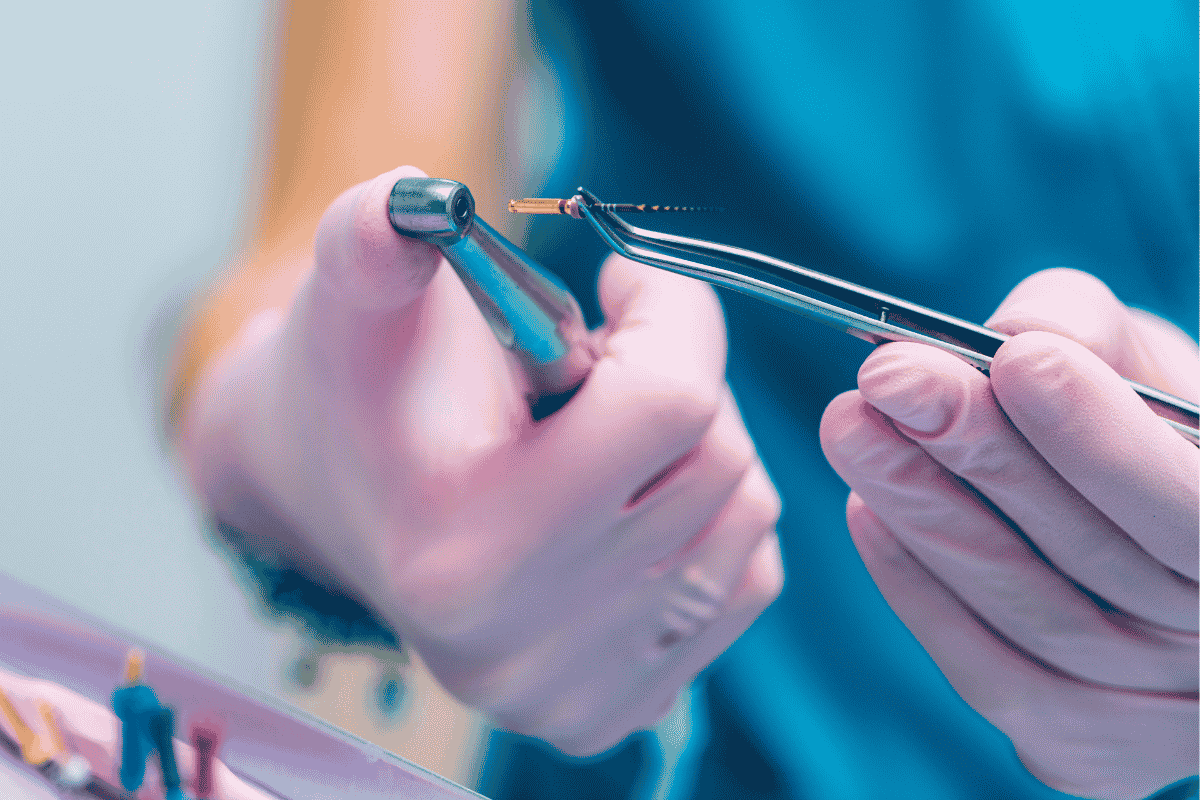
Endodontic treatment focuses on diagnosing and treating problems involving the dental pulp and tissues surrounding a tooth’s roots. Following an accident, treatment may be recommended if the pulp becomes irreversibly inflamed, dies because of the injury, or develops an infection. During a root canal procedure, the endodontist removes the damaged or infected pulp, cleans and disinfects the inside of the tooth, and seals the space to help prevent further infection. A protective restoration, such as a dental crown, may also be needed to strengthen the tooth.
The goal is to preserve your natural tooth whenever possible rather than remove it unnecessarily. Your treatment plan depends on the type and severity of the injury. A minor chip may need only a simple restoration, while a tooth with significant internal damage may require endodontic care in Pleasant View. Some traumatic injuries also require follow-up visits to monitor healing because changes inside the tooth may not appear immediately.
Signs You Should See an Endodontist After an Accident
It can be difficult to determine how serious a dental injury is without an examination. Consider arranging a prompt evaluation if you experience:
Pain that continues or worsens: Discomfort that persists after the initial impact may indicate damage to the pulp or surrounding tissues.
Sensitivity that lingers: Brief sensitivity can occur after trauma, but pain that continues after the trigger is removed deserves attention.
Darkening of the tooth: A tooth that turns gray, brown, or noticeably darker after an injury may have experienced internal damage.
Swelling or a pimple-like bump on the gums: These symptoms can indicate infection and should be assessed promptly.
Pain when biting: Pressure-related discomfort may point to a crack, inflammation around the root, or another injury.
Severe swelling, fever, uncontrolled bleeding, or difficulty breathing or swallowing requires urgent medical or dental care. If a permanent tooth has been knocked out, seek emergency dental care immediately. Handle it by the crown rather than the root, and if possible, keep it moist in milk or an appropriate tooth-preservation solution while getting help.
What Happens During an Endodontic Evaluation?
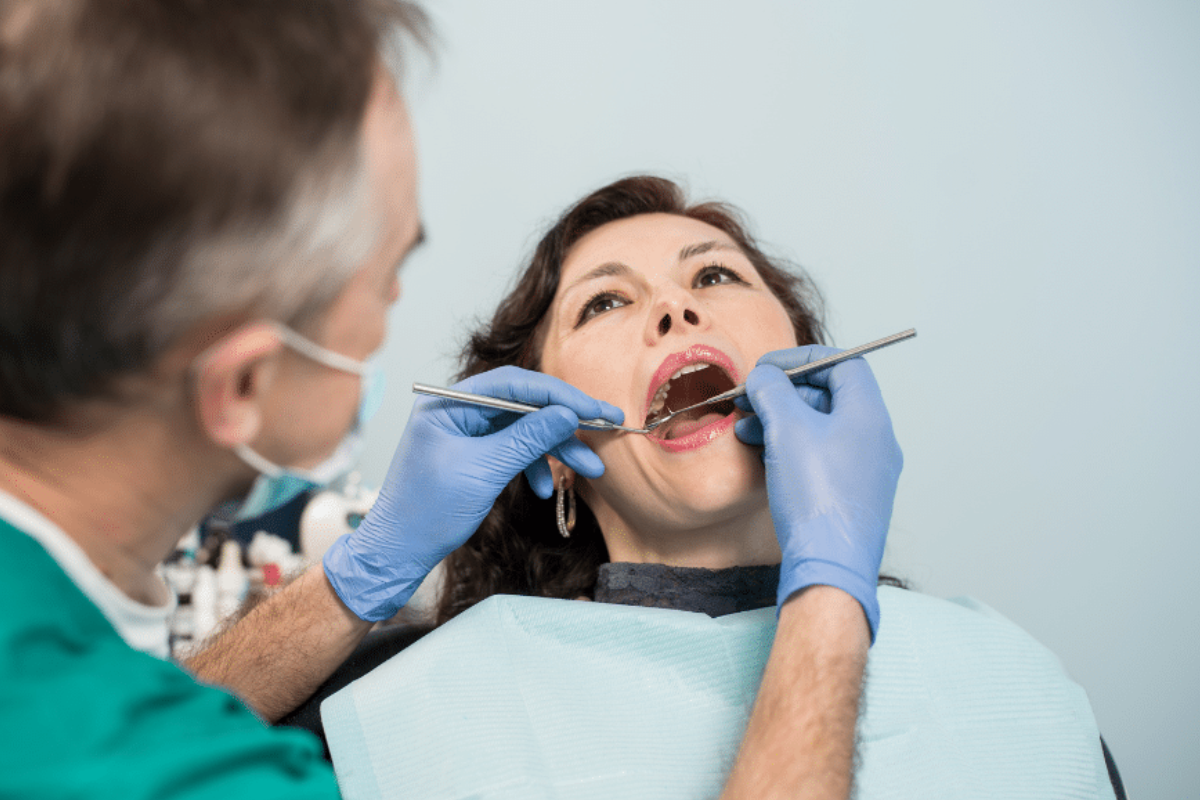
An endodontist will review how the accident happened, ask about your symptoms, and examine the affected tooth and surrounding tissues. Dental X-rays and tests of the tooth’s response to stimuli may help identify damage that is not visible to the naked eye. Based on the findings, the endodontist may recommend monitoring, repairing the tooth, stabilizing it, or performing root canal treatment. If endodontic treatment is necessary, the procedure is generally performed with local anesthesia to help keep you comfortable.
Follow-up appointments may be important because certain traumatic injuries develop complications over time. Your provider can explain what changes to watch for and when the tooth should be checked again.
Protect Your Smile After a Dental Injury
Tooth pain after an accident can signal anything from a minor injury to damage deep inside the tooth. Although not every injury requires a root canal, persistent discomfort, discoloration, or swelling should be evaluated rather than left to resolve on its own.
Endodontic treatment may help preserve an injured tooth when the pulp cannot recover on its own. If you have tooth pain following an accident, schedule an appointment with Mountain View Endodontics for an evaluation and guidance on the most appropriate next steps.
FAQs
1. Can endodontic treatment save a tooth damaged in an accident?
Yes. Endodontic treatment can often preserve a tooth when an accident damages or infects the pulp inside it. The appropriate treatment depends on the injury’s severity and whether the tooth can be restored.
2. How do I know if I need a root canal after a tooth injury?
Persistent pain, lingering sensitivity, swelling, tooth discoloration, or pain when biting may indicate pulp damage. An endodontist can examine the tooth and use diagnostic tests to determine whether root canal treatment is necessary.
3. Can a tooth nerve die after an accident without causing pain?
Yes. Trauma can damage the pulp without causing immediate or persistent pain. A tooth may develop discoloration or other signs later, so follow-up examinations are important even when symptoms are absent.
4. How soon should I see an endodontist after a dental injury?
Seek prompt dental evaluation after an injury, particularly if a tooth is loose, displaced, cracked, or painful. A knocked-out permanent tooth requires immediate emergency dental attention because timely treatment can improve the chance of saving it.
5. Does every cracked tooth need endodontic treatment?
No. Minor cracks may require only monitoring or restorative treatment. If a crack damages the pulp, root canal treatment may be needed. The location and depth of the crack determine whether the tooth can be saved.
6. Is endodontic treatment painful after a dental accident?
Local anesthesia is generally used to keep patients comfortable during treatment. Some tenderness may occur afterward, but your endodontist can explain what to expect based on the injury and procedure.