

Dental implants and bridges are two of the most effective solutions when replacing missing teeth. Both options can restore functionality and aesthetics, but understanding their differences is crucial in making an informed decision.
What Are Dental Implants?
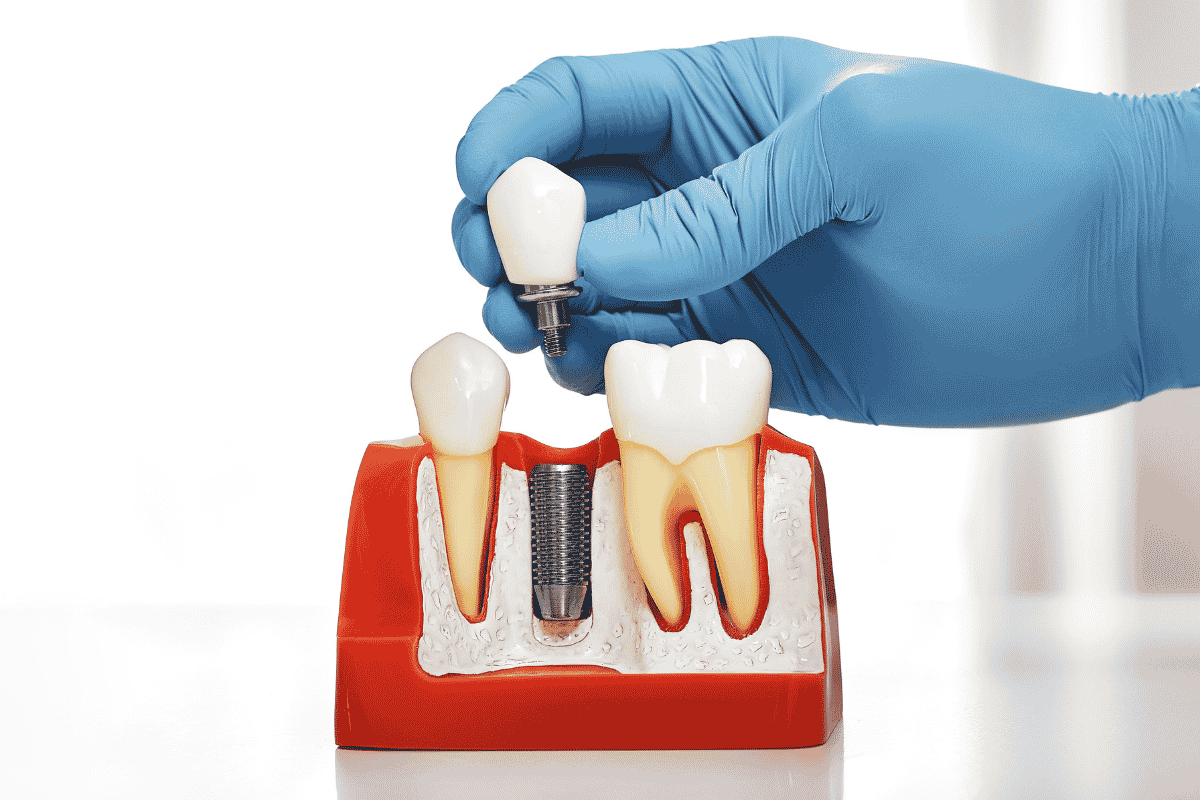
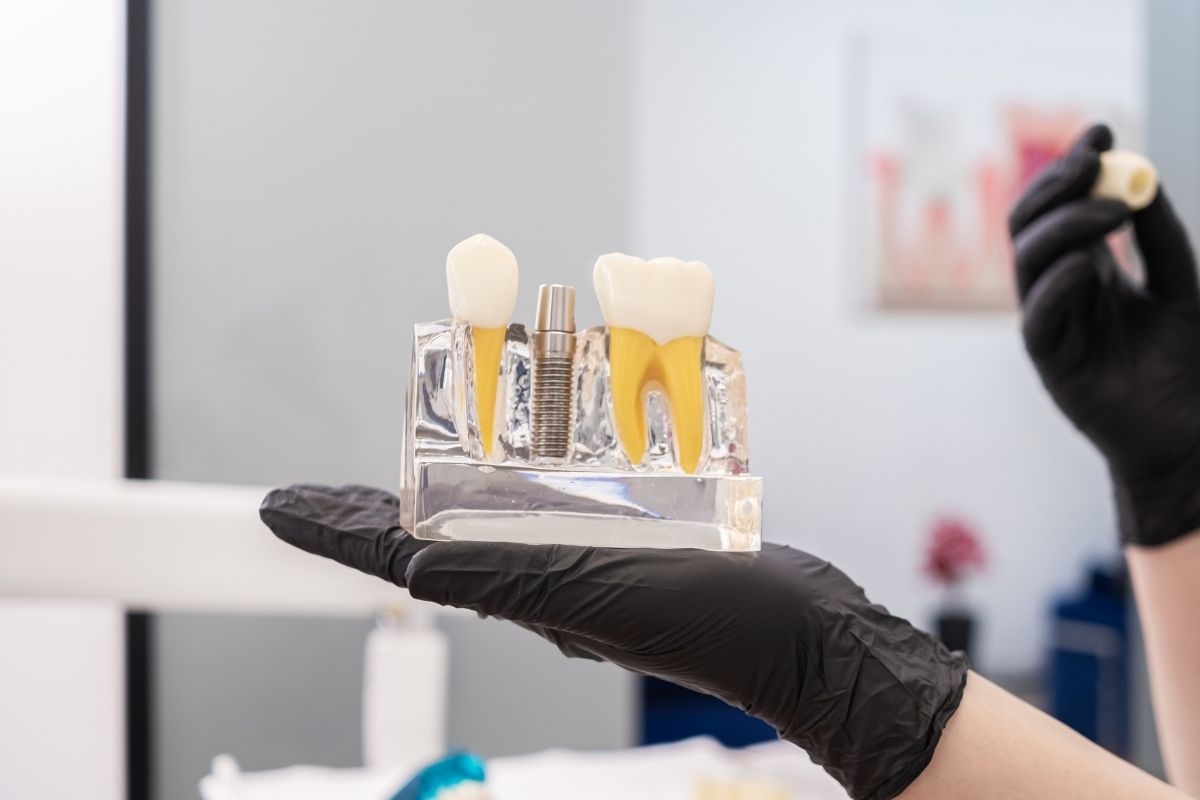
Dental implants are titanium-based artificial tooth roots surgically embedded into the jawbone. They offer a durable foundation for fixed or removable replacement teeth crafted to resemble natural teeth.
Advantages of Dental Implants
- Longevity: With proper care, dental titanium posts can last a lifetime, offering a durable solution for tooth replacement.
- Bone Preservation: Implants promote jawbone health, preventing bone loss and preserving facial structure.
- Natural Appearance and Function: They look like natural teeth, enhancing comfort and confidence.
Who are the Ideal Candidates for Dental Implants?
The best candidates for dental implants are individuals in good overall health with healthy gums and sufficient bone density to support the implant. Non-smokers and those free from chronic conditions that impede healing, such as diabetes or leukemia, are also ideal candidates.
What are Dental Bridges?
Dental bridges consist of one or more artificial teeth (pontics) anchored by crowns on adjacent natural teeth or titanium posts. They “bridge” the gap created by missing teeth.
Advantages of Dental Bridges
- Quicker Process: They can often be completed in a few dental visits, offering a faster solution than implants.
- Non-Surgical Procedure: Unlike implants, bridges do not require surgical intervention, which may appeal to some patients.
- Cost-Effective: They generally have a lower initial cost than implants, making them a more budget-friendly option upfront.
Who are the Ideal Candidates for Dental Bridges?
Suitable candidates for dental bridges include individuals with one or more missing teeth and healthy adjacent teeth supporting the bridge. Those seeking a quicker, non-surgical replacement option may also consider bridges.
Dental Implants vs. Bridges
Durability and Maintenance:
- Implants: With diligent oral hygiene, they can last a lifetime. Like natural teeth, these implants require daily brushing, flossing, and regular dental visits.
- Bridges: They last between 5 to 15 years. They may require replacement over time and necessitate meticulous cleaning to prevent decay under the pontic and crowns.
Impact on Adjacent Teeth:
- Implants: They do not affect neighboring teeth, further preserving their structure and integrity.
- Bridges: Require the reduction of adjacent teeth to place crowns, which can compromise their strength and health.
Procedure and Recovery:
- Implants: Involve a surgical procedure with a healing period spanning several months, allowing the implant to integrate with the jawbone.
- Bridges: The placement process is less invasive, often completed within a few weeks, with minimal recovery time.
Choosing between dental implants and bridges depends on various factors, including oral health, budget, time considerations, and personal preferences. Consulting with an endodontist is essential to determine the most suitable option.
Conclusion
At Mountain View Endodontics, we are dedicated to helping you achieve a healthy, confident smile. Contact us today to schedule a consultation and take the first step toward restoring your smile with the solution that best fits your lifestyle.