

Tooth implants have gained popularity as a natural-looking and durable solution for replacing missing teeth. They offer a reliable alternative to traditional dentures or bridges. A key component of dental implant treatment is the abutment, a connector that links the implant to the crown or bridge. In this blog post, we’ll delve into the importance of the abutment and how it contributes to the success of dental implant procedures.
Understanding the Abutment
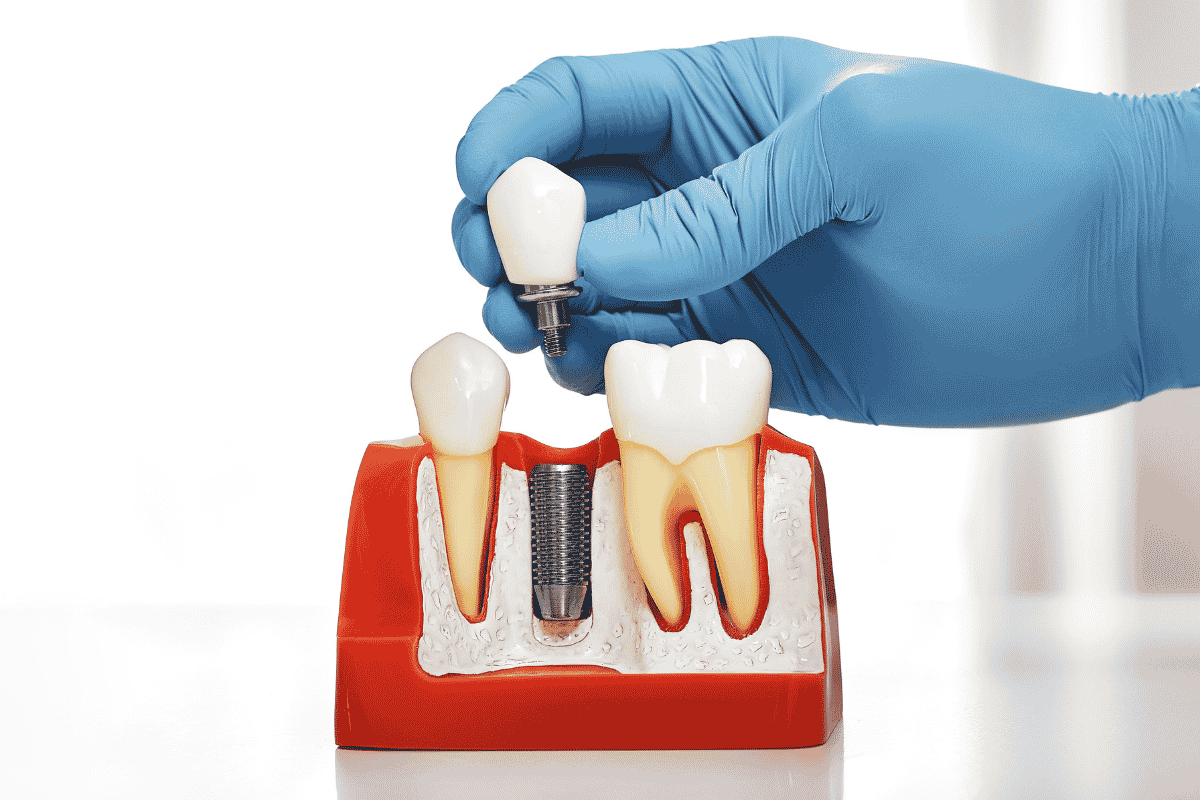
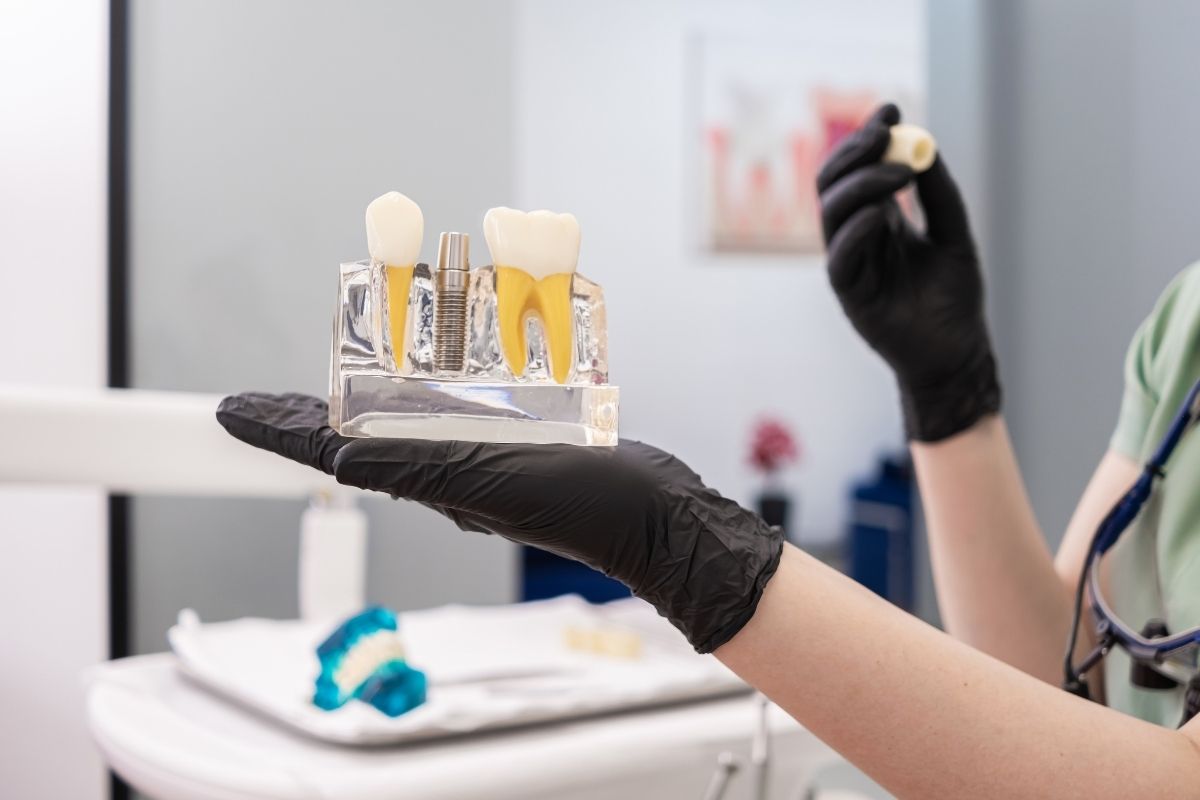
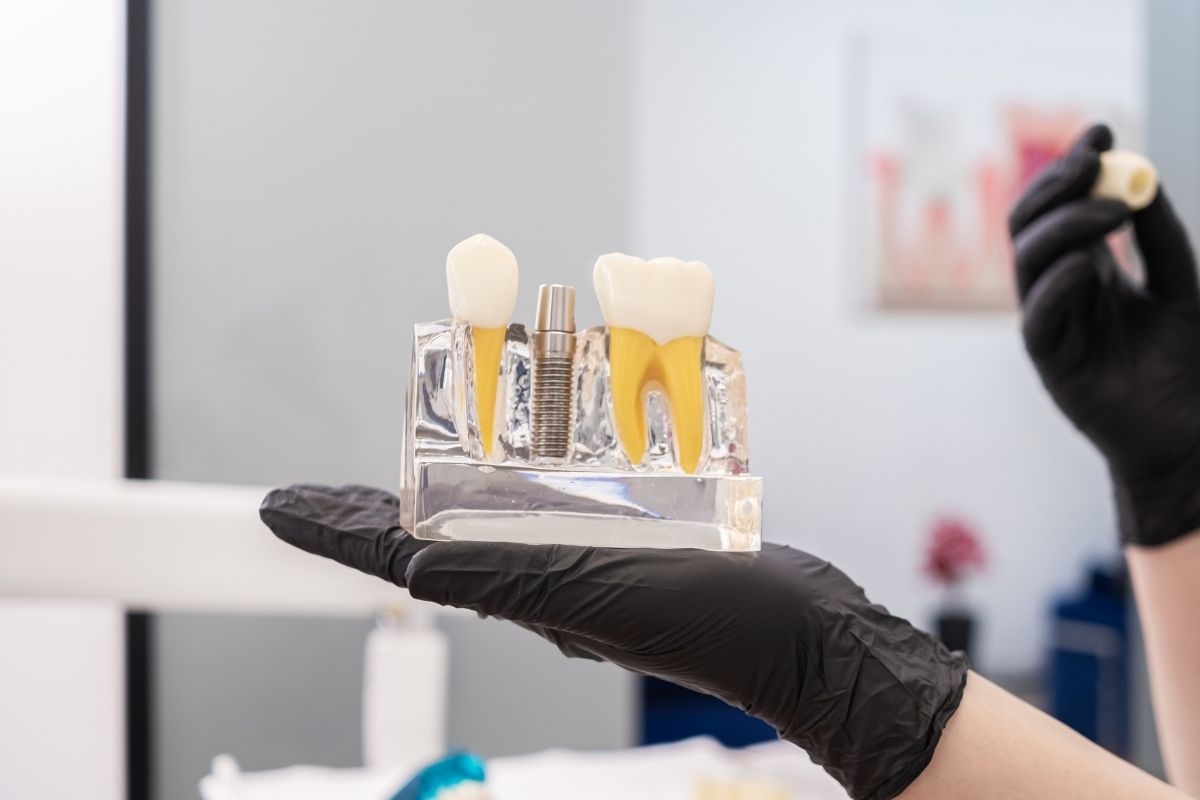
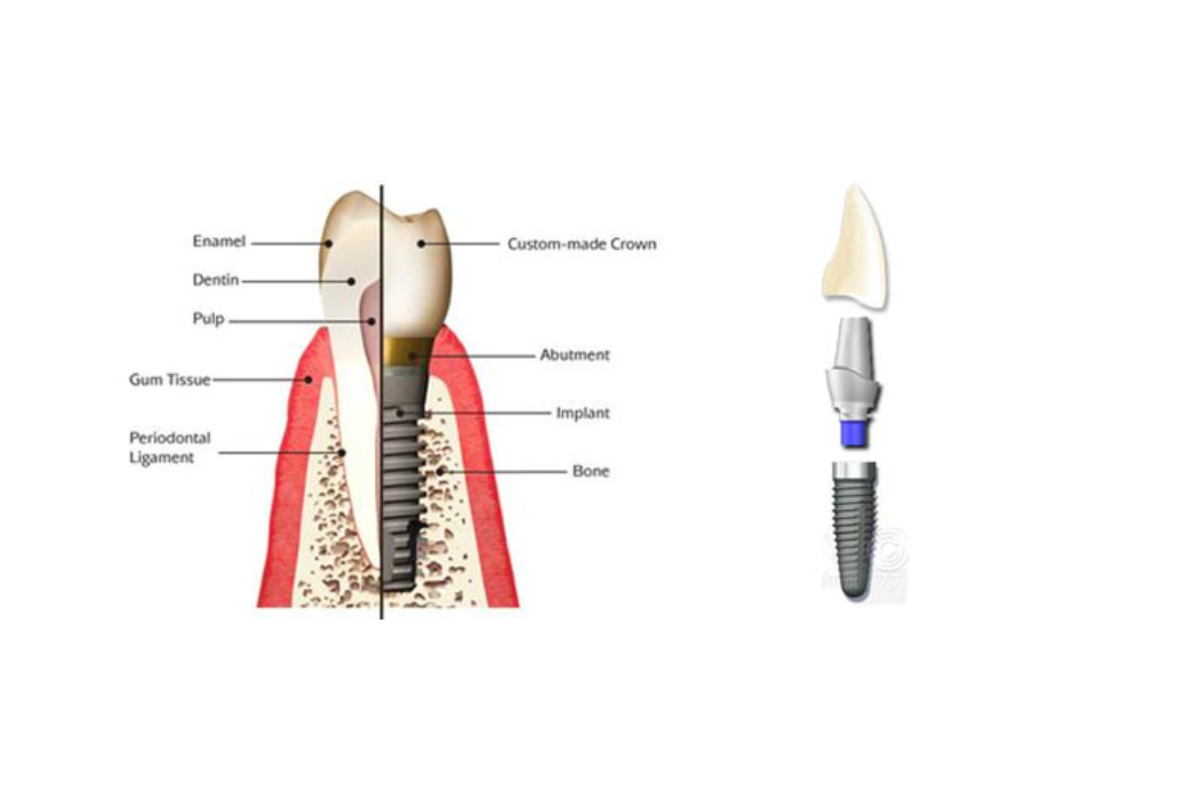
The abutment is a small, custom-made piece that screws into the top of the dental implant. It acts as a bridge between the implant and the restoration (crown or bridge) that will be attached to it. Abutments come in various shapes and sizes, depending on the specific needs of the patient and the type of restoration being used.
The Importance of the Abutment
The abutment plays a crucial role in the success of dental implant treatment. It ensures a secure and stable connection between the implant and the restoration, essential for optimal function and aesthetics. A well-designed and adequately placed abutment can help to:
- Provide a strong foundation: The abutment provides a solid foundation for the restoration, ensuring it remains firmly in place.
- The abutment plays a significant role in maintaining the correct bite alignment between your upper and lower teeth, ensuring proper occlusion and functionality. The abutment can be designed to match the natural contour of your gums and teeth, enhancing the aesthetics of your dental implant and boosting your confidence in your smile.
- Prevent tissue irritation: An adequately positioned abutment can help to prevent tissue irritation and discomfort.
Types of Abutments
Several types of abutments are available, each with its advantages and disadvantages. The most common types include:
- Standard abutments: These are the most basic type of abutment and are typically used for single-tooth replacements.
- Angled abutments: Angled abutments are used when the implant is placed at an angle to the tooth axis.
- Ball abutments: Ball abutments are used for bridgework or multiple-tooth replacements.
- Cemented abutments: Cemented abutments are attached to the implant using dental cement.
- Screw-retained abutments: Screw-retained abutments are attached to the implant using a small screw.
Choosing the Right Abutment
The choice of abutment is not a simple one and will depend on several factors, including the type of implant, the type of restoration, and the patient’s individual needs. Your dentist or periodontist will carefully evaluate your situation, taking into account factors such as the location of the implant, the condition of your surrounding teeth and gums, and your aesthetic preferences, to recommend the most appropriate abutment for you.
Dental Implants in Pleasant View and Layton
At Mountain View Endodontics, we offer high-quality dental implant treatment in Pleasant View. Our experienced dentists and periodontists are dedicated to providing personalized care and ensuring optimal results. We use state-of-the-art technology and techniques to deliver exceptional dental implant care in Layton.
Contact Us Today
If you’re considering dental implants, don’t hesitate to contact our office in Pleasant View or Layton to schedule a consultation. Our friendly staff will happily answer your questions and discuss your treatment options.
The abutment is an essential component of dental implant treatment. It provides a secure and stable connection between the implant and the restoration, ensuring optimal function and aesthetics. By working with a qualified dental professional, you can choose the right abutment and achieve a beautiful and functional smile.