

If you’ve been told you need a dental implant, it’s completely normal to feel nervous. Many patients in Layton want to know exactly what happens during your dental implant procedure before they commit to treatment. Understanding each step from consultation through healing can reduce anxiety and build real confidence. Dr. Stuart Gibby at Mountain View Endodontics is here to walk you through the entire process in plain, honest language.
Step 1: Your Initial Consultation and Treatment Planning in Layton
Every successful implant starts with a thorough consultation. Dr. Gibby will examine your mouth, take digital X-rays, and evaluate your jawbone density. This step determines whether you’re a good candidate for implants right away or whether preparatory work is needed first.
During this appointment, you’ll discuss your medical history and any concerns you have. Dr. Gibby will explain the full timeline so there are no surprises. Patients sometimes discover that a missing tooth could also benefit from understanding related procedures like root canal treatment before implant placement in Layton is considered.
You’ll leave this visit with a clear, personalized treatment plan. The plan outlines each phase, estimated healing times, and what to expect at every appointment. Being informed from day one is a cornerstone of care at Mountain View Endodontics.
Step 2: Tooth Extraction and Bone Preparation (If Needed)
Not every patient needs a tooth removed before implant placement. However, if a damaged or infected tooth is still present, extraction comes first. Dr. Gibby performs comfortable tooth extractions with precise technique to preserve as much bone as possible.
Sometimes the jawbone needs extra support before an implant can be placed. A bone graft adds material to areas where bone has been lost. This step is essential an implant needs a strong foundation to last for decades.
Healing from extraction or grafting typically takes several weeks to a few months. This wait is not wasted time. Your body is actively building the stable base your implant will rely on long-term.
- Extraction preserves surrounding bone and tissue
- Bone grafting strengthens areas with bone loss
- Healing time ensures a stable implant foundation
- Dr. Gibby monitors progress at follow-up visits
Step 3: Implant Placement: What Happens in the Chair
This is the step most patients feel curious or anxious about. Implant placement is a surgical procedure, but it is far more comfortable than many people expect. Dr. Gibby uses local anesthesia to numb the area completely before starting.
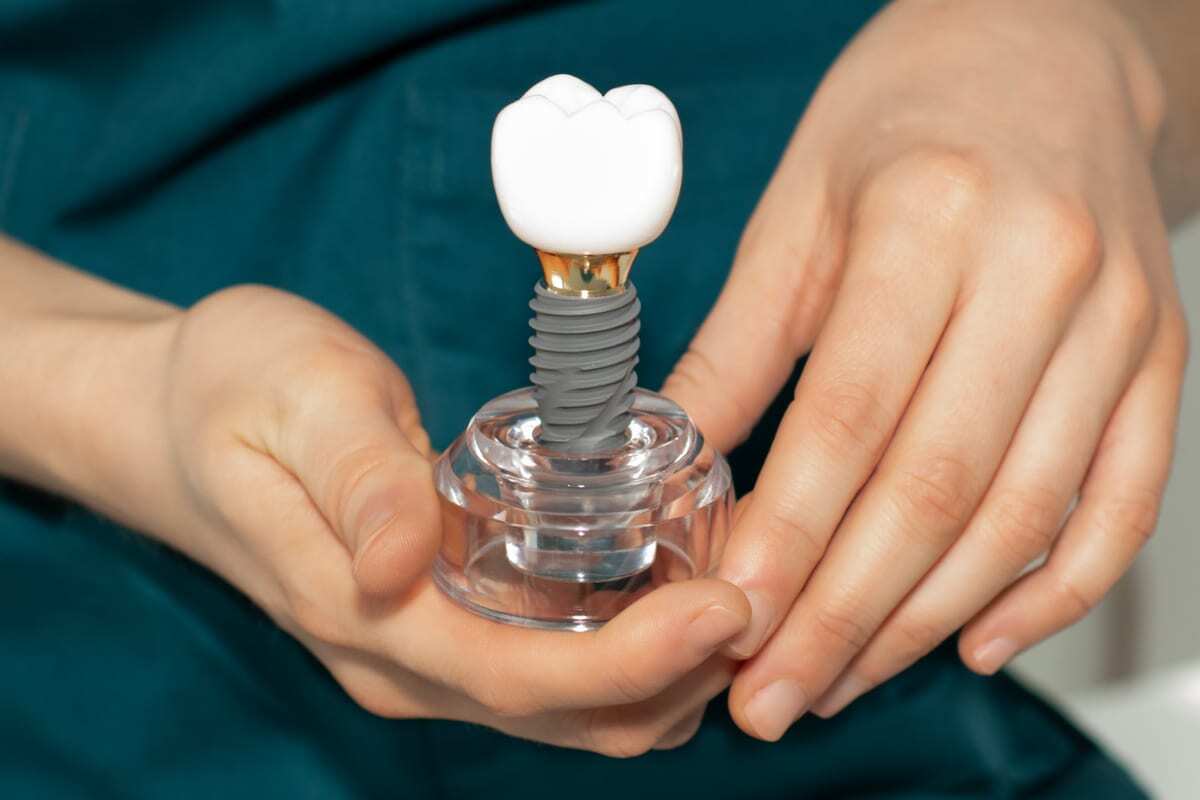
A small incision is made in the gum tissue. Dr. Gibby then carefully places a titanium post into the jawbone. This post acts as an artificial tooth root. The entire procedure typically takes one to two hours depending on complexity.
After placement, the gum is closed with sutures. You’ll receive detailed aftercare instructions before leaving the office. Most patients report mild soreness for a few days not the intense pain they feared.
Here is a quick look at what the placement appointment involves:
- Local anesthesia is administered to numb the area
- A small incision opens the gum tissue
- The titanium implant post is positioned in the jawbone
- Sutures close the gum around the implant
- Aftercare instructions are reviewed with the patient
Step 4: Osseointegration: Your Body Does the Work
After placement, a fascinating biological process begins. Osseointegration is when your jawbone grows around and fuses with the titanium implant. This fusion is what makes dental implants feel and function like natural teeth.
This phase typically takes three to six months. During this time, you’ll attend check-up appointments so Dr. Gibby can monitor healing. You’ll be able to eat soft foods and go about your daily life without much disruption.
Patients sometimes worry about discomfort during this phase. In reality, most people feel completely normal within a week or two of surgery. The implant is quietly integrating beneath the surface while you live your life.
Step 5: Placing the Abutment and Crown
Once osseointegration is complete, the next visit involves attaching the abutment. This small connector piece sits above the gum line and holds the final crown in place. Placing the abutment is a simple procedure done under local anesthesia.
Impressions or digital scans of your mouth are taken to create a custom crown. The crown is designed to match your natural teeth in size, shape, and color. When the crown is ready usually a few weeks later it’s secured onto the abutment.
At this point, your implant is fully complete. The result looks, feels, and functions just like a real tooth. Most patients are genuinely amazed at how natural it feels to bite, chew, and smile again.
- The abutment connects the implant post to the visible crown
- Crowns are custom-made to blend with your natural smile
- No one will be able to tell the difference from your natural teeth
- The final result is permanent, stable, and easy to care for
What to Expect During Recovery in Layton
Recovery from dental implant surgery is generally straightforward. Swelling and mild soreness are common in the first 48 to 72 hours. Applying a cold pack and taking over-the-counter pain relievers usually manages discomfort well.
Dr. Gibby’s team will give you a full set of post-operative instructions. Following these closely protects your implant during the critical early healing period. Patients who are curious about common concerns surrounding dental procedures can also explore root canal myths to better understand how dental care has evolved.
Eat soft foods for the first week and avoid smoking or drinking through a straw. Keep the area clean using gentle rinsing as directed. Most patients return to normal activities within two to three days after placement.
Why Choose Dr. Stuart Gibby at Mountain View Endodontics in Layton
Dr. Gibby brings specialized expertise and a genuinely caring approach to every patient. He understands that dental procedures can feel overwhelming, and he takes time to explain every step clearly. Patients across Layton trust Mountain View Endodontics because they feel heard and respected. The practice also offers emergency dentistry for urgent concerns that arise during your treatment journey. Whether you need immediate attention or routine follow-up care, Dr. Gibby’s team is ready to support you. Your comfort and long-term oral health are always the top priorities here.
If you’ve been putting off tooth replacement because of fear or uncertainty, now you have a clear picture of what to expect. Dental implants are a proven, life-changing solution and the process is more manageable than most people assume. Contact us to schedule your appointment with our team.
Frequently Asked Questions
How long does the entire dental implant process take?
The full process from consultation to final crown placement typically takes six to twelve months. Most of that time is healing between stages. The actual time spent in the dental chair is relatively short across multiple visits.
Is dental implant surgery painful?
Most patients are surprised by how comfortable the procedure is. Dr. Gibby uses local anesthesia to numb the area thoroughly. Post-procedure soreness is mild and usually managed easily with over-the-counter pain relief.
Am I a good candidate for dental implants?
Most adults with good general health and adequate jawbone density are strong candidates. Dr. Gibby evaluates each patient individually during the consultation. Even patients with some bone loss may qualify after a bone graft procedure.
How do I care for my dental implant after placement?
Care for an implant just like a natural tooth brush twice daily and floss regularly. Attend all scheduled follow-up appointments so Dr. Gibby can monitor healing. Avoid hard foods and smoking during the early recovery period.
What happens if I delay replacing a missing tooth?
Delaying tooth replacement can lead to bone loss in the jaw and shifting of surrounding teeth. This can make future implant placement more complicated and costly. Acting sooner helps preserve your bone structure and overall oral health.