


If you’ve been told you need a root canal, your mind probably jumped straight to fear. Most patients in Pleasant View, UT feel anxious before their first appointment. Understanding what you’ll actually feel during a root canal treatment in Pleasant View can completely change your experience. Knowledge is the most powerful anxiety-reducer there is.
Dr. Stuart Gibby at Mountain View Endodontics – Pleasant View has helped hundreds of patients through this procedure. His goal is always the same: keep you comfortable, keep you informed, and get you out of pain for good. Let’s walk through exactly what happens — and what you feel — at every stage.
Before the Procedure Starts: Numbing the Area
The first thing Dr. Gibby does is apply a topical numbing gel to your gum. This small step makes the injection that follows nearly painless. Most patients are surprised by how little they feel at this stage.
After the gel takes effect, a local anesthetic is injected near the tooth. You may feel a brief pressure or mild pinch. Within a minute or two, the area becomes fully numb. From this point forward, you should feel no sharp pain during the procedure.
Here is what most patients report feeling once the anesthetic is active:
- A sense of pressure or fullness in the jaw
- Vibration from dental instruments — but no pain
- Mild sensitivity if movement shifts the tooth
- Occasional awareness of water or suction in the mouth
If at any point you feel sharp discomfort, you can raise your hand and Dr. Gibby will pause and add more anesthetic. You are always in control.
What You’ll Actually Feel During Root Canal Treatment in Pleasant View: Step by Step
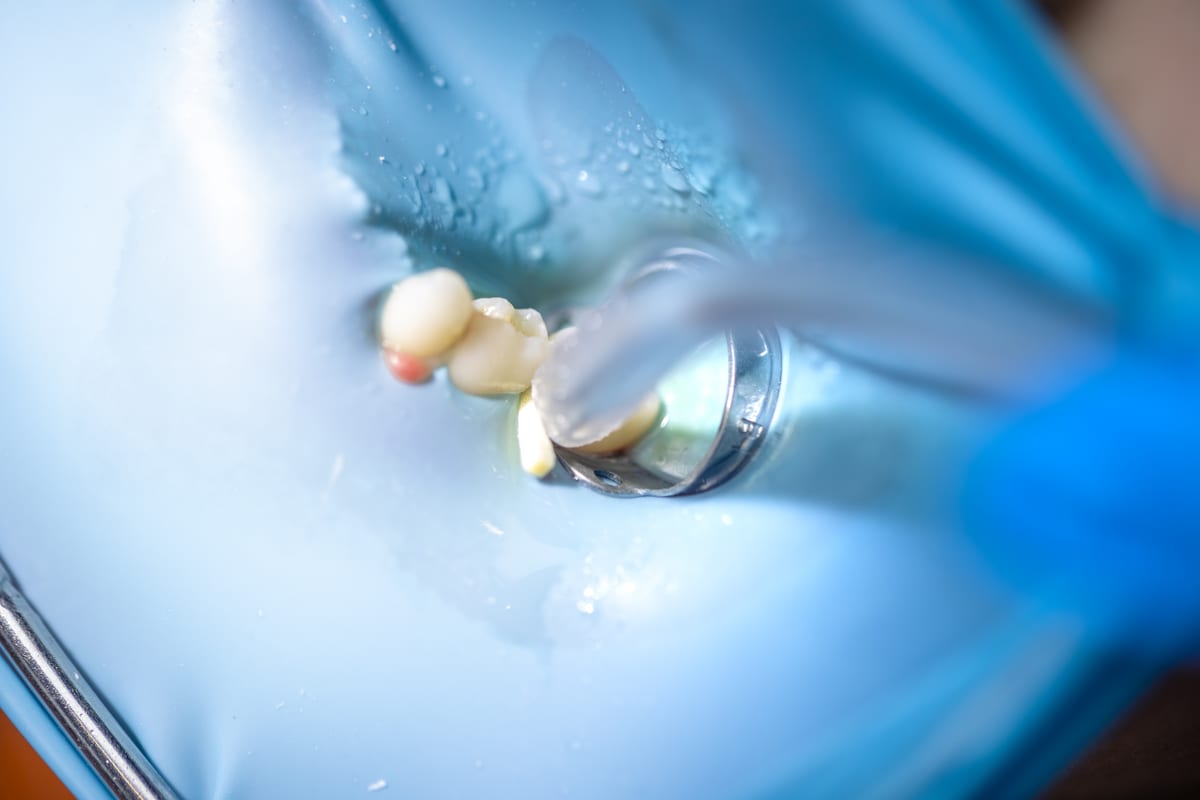
Once you’re numb, Dr. Gibby places a small rubber dam around the tooth. This keeps the area dry and clean. It also protects you from swallowing any small instruments. Most patients quickly forget it is there.
Next, a small opening is made in the top of the tooth. You will feel pressure and some vibration. You will not feel pain. The drill sound can feel alarming, but your nerves are fully blocked at this stage.
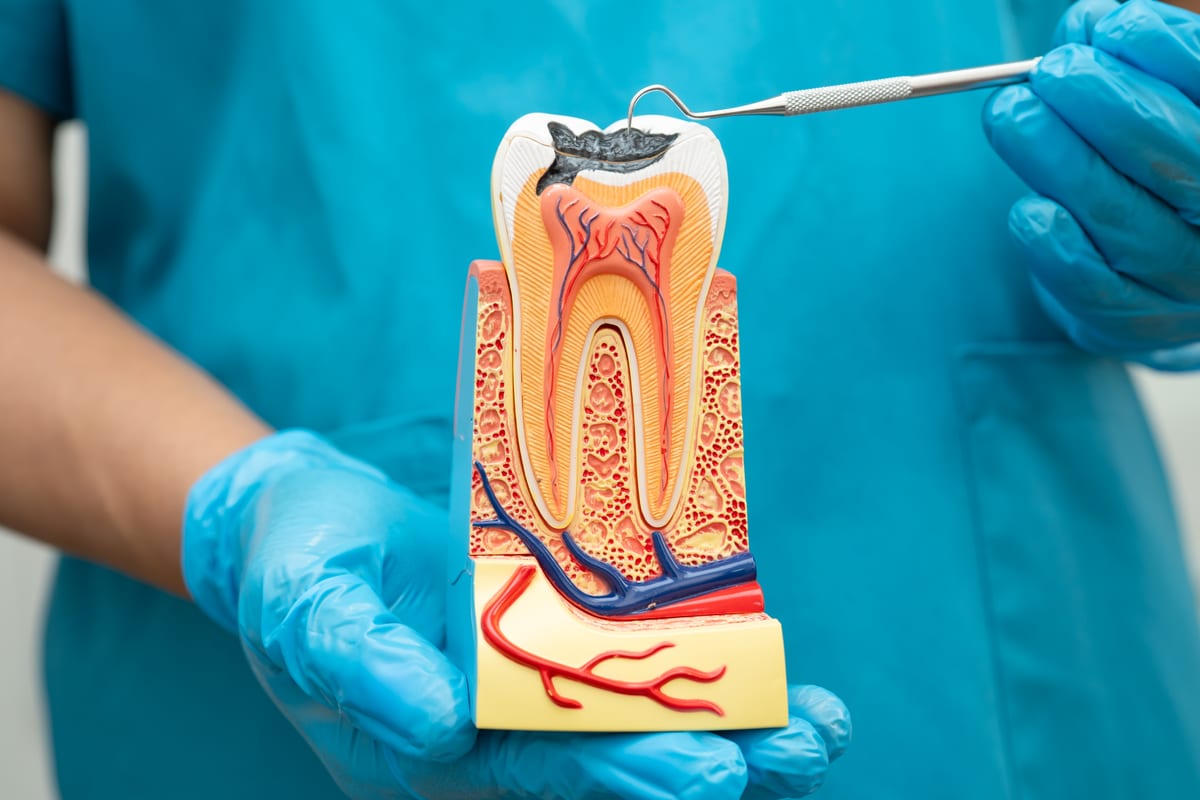
Dr. Gibby then uses tiny files to remove the infected pulp inside the tooth. This is the core of the root canal procedure. The canals are shaped and cleaned carefully. Again — pressure and vibration, not pain.
The canals are then rinsed with a disinfecting solution. You may taste a faint medicinal flavor briefly. This is completely normal and harmless. The rinse flushes out bacteria and prepares the canal for filling.
The Filling Stage: What Happens Next
After cleaning, the canals are dried and filled with a rubber-like material called gutta-percha. This seals the space permanently. You will feel pressure as the material is placed. There is no pain involved in this step.
A temporary or permanent filling is then placed over the opening. This protects the tooth between appointments. Dr. Gibby will let you know whether you need a crown afterward. Most back teeth require a crown to restore full strength.
Here is a quick summary of the full procedure timeline:
- Anesthetic applied — topical gel, then injection (mild pressure only)
- Rubber dam placed — keeps tooth clean and isolated
- Access opening created — pressure and vibration, no sharp pain
- Pulp removed and canals cleaned — files used with irrigation
- Canals filled with gutta-percha — sealing material placed firmly
- Tooth sealed — temporary or permanent filling placed
The entire procedure usually takes between 60 and 90 minutes. Complex cases with multiple canals may take a little longer. You will not be in discomfort during this time.
How You’ll Feel After the Appointment
Once the anesthetic wears off, mild soreness is completely normal. This usually appears within a few hours of leaving the office. Over-the-counter pain relievers typically manage it well. Most patients return to normal activities the very next day.
The soreness comes from inflammation in the tissue around the tooth — not from nerve damage. Your body is healing. This discomfort is temporary and much milder than the original toothache that sent you in. Many patients are surprised at how manageable recovery feels.
You may also notice some tooth sensitivity to pressure for a few days. Avoid chewing hard foods on that side until your crown is placed. Soft foods like yogurt, eggs, and soup are your best friends this week. Staying hydrated and resting helps your body heal faster.
Before your appointment, it’s worth reading about common Root Canal Myths Pleasant View patients often believe. Understanding the truth ahead of time makes the whole experience far less stressful. Many fears about root canals simply don’t reflect modern dental care.
Why Root Canals Feel So Different Than You Expect
Most root canal anxiety comes from outdated stories. Dental technology has changed dramatically over the past 20 years. Modern anesthetics are far more effective than they used to be. Patients today consistently report that the procedure was nothing like they feared.
Dr. Gibby uses gentle, precision instruments designed for endodontic care. The entire team at Mountain View Endodontics – Pleasant View is trained to keep you comfortable. From the moment you walk in, their focus is on reducing your anxiety and managing your comfort.
Root canals also save teeth that would otherwise be lost. Keeping your natural tooth matters for your bite, jaw health, and long-term oral function. If a tooth cannot be saved and extraction becomes necessary, options like Dental Implants Pleasant View can restore your smile beautifully. Dr. Gibby will always walk you through every option available to you.
Schedule Your Appointment with Dr. Stuart Gibby
Understanding what you’ll actually feel during a root canal treatment in Pleasant View takes away the mystery — and most of the fear. The procedure is methodical, controlled, and far more comfortable than most patients expect. Dr. Gibby and his team are here to guide you through every single step. Book Now to schedule your appointment with our team.
Frequently Asked Questions
Will I feel pain during the root canal procedure?
No. The tooth and surrounding area are completely numbed before any work begins. You may feel pressure or vibration from instruments, but sharp pain should not occur. If you ever feel discomfort, simply raise your hand and Dr. Gibby will add more anesthetic immediately.
How long does a root canal take at Mountain View Endodontics – Pleasant View?
Most root canal procedures take between 60 and 90 minutes. More complex teeth with multiple canals may require a little extra time. Dr. Gibby will give you a realistic estimate at your consultation so you can plan your day accordingly.
How sore will I feel after the procedure?
Mild soreness for one to three days after your appointment is normal. It comes from tissue inflammation around the treated tooth — not from nerve damage. Over-the-counter pain relievers like ibuprofen or acetaminophen typically manage it very effectively. Most patients feel back to normal within 48 to 72 hours.
What happens if I need a tooth removed instead of a root canal?
In some cases, a tooth is too damaged to save with a root canal. Dr. Gibby will evaluate your tooth thoroughly before recommending extraction. If removal is necessary, he can discuss tooth replacement options including dental implants to restore your smile and bite function.
Is a root canal better than having the tooth pulled?
In most situations, saving your natural tooth is the preferred outcome. Natural teeth provide better long-term support for your jawbone and surrounding teeth. Root canals have a very high success rate when performed by an endodontic specialist like Dr. Gibby. He will always help you make the decision that best serves your oral health.