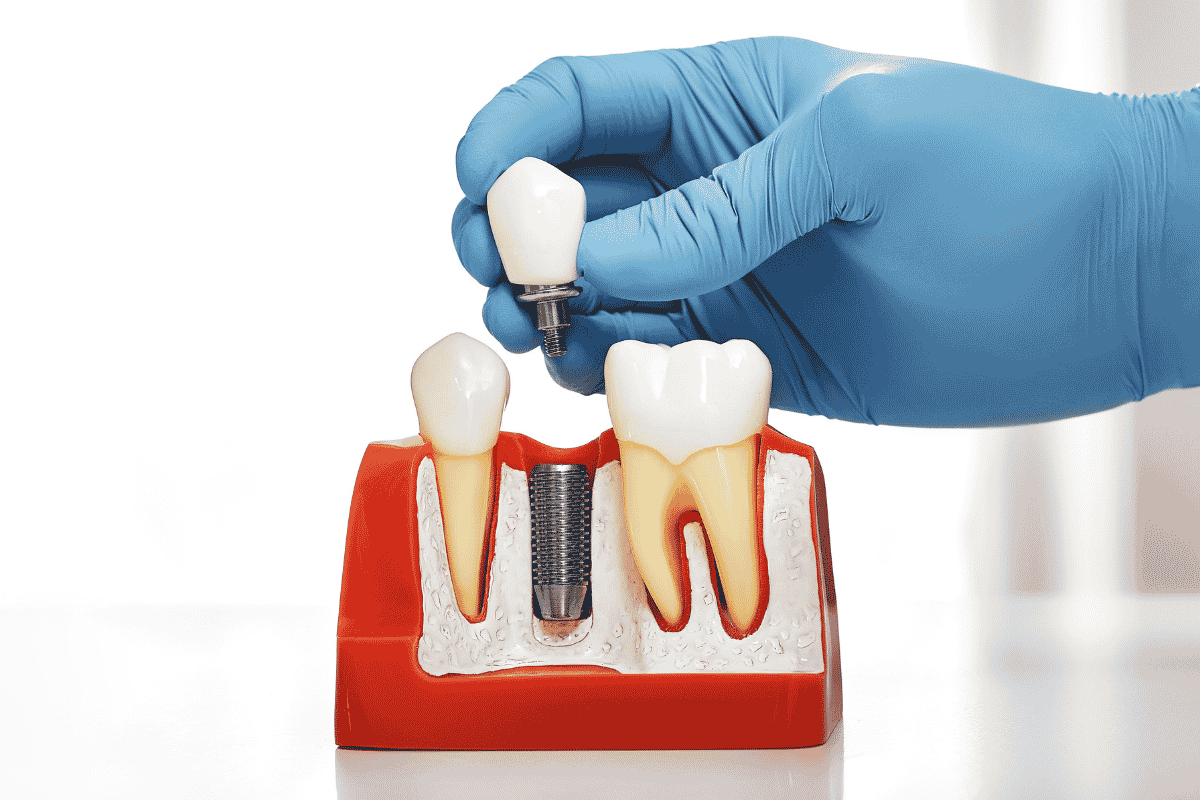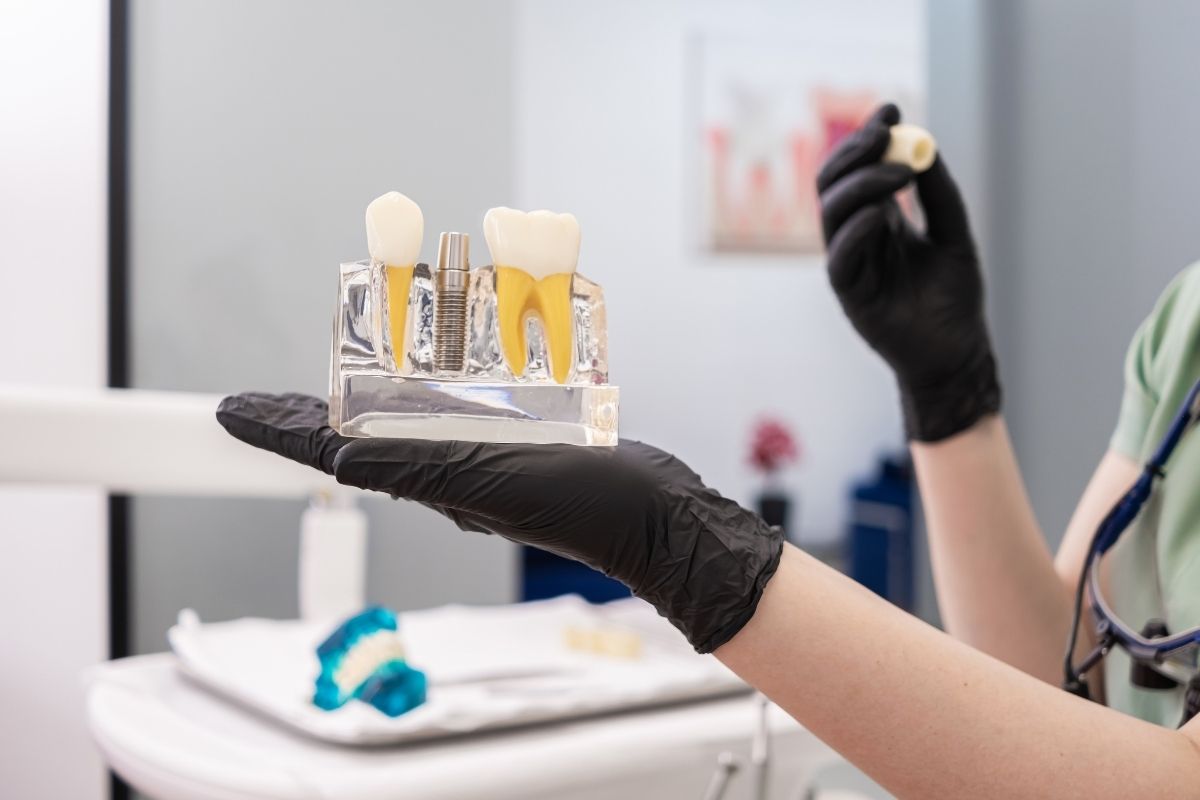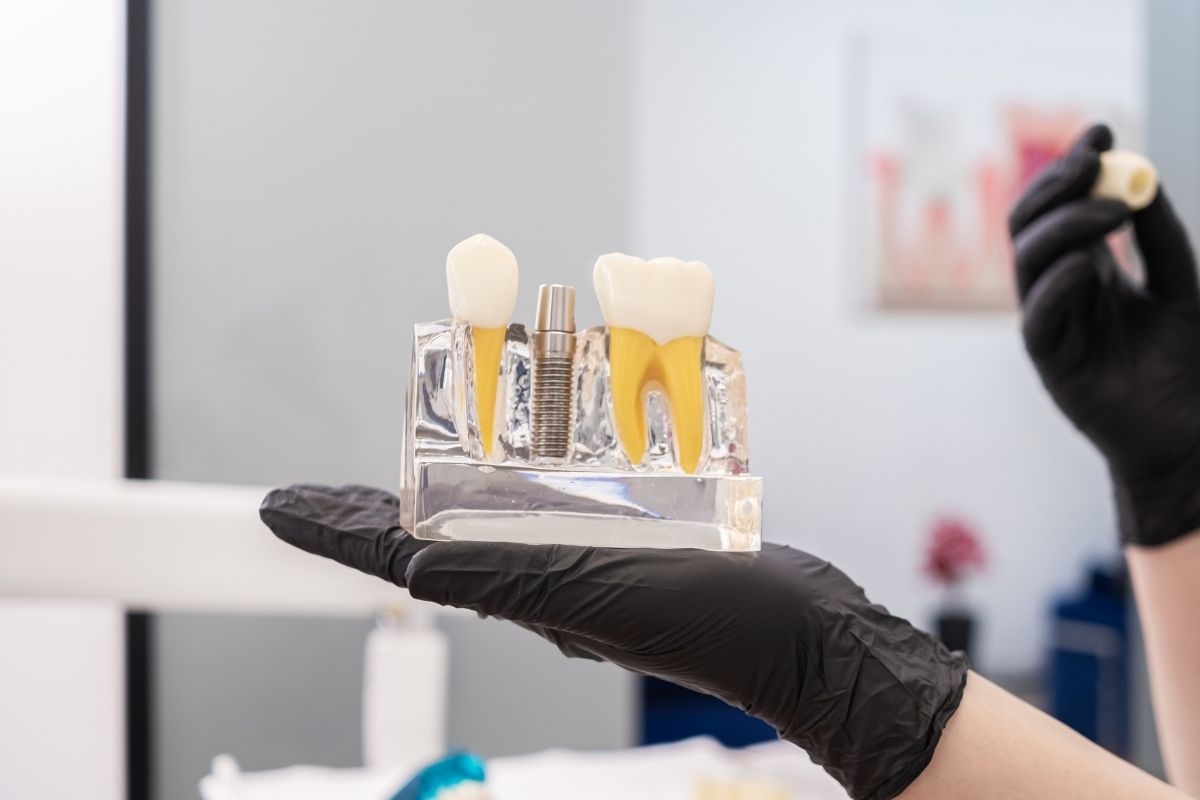


Dental restorations are a reliable solution for restoring missing teeth, and they are known for their durability, functionality, and lifelike appearance. With their increasing popularity, many patients wonder if dental restorations can affect medical imaging, especially Magnetic Resonance Imaging (MRI).
MRI uses powerful magnetic fields to create detailed images of the body, often essential for diagnosing and monitoring health conditions. Since implants usually contain metal, asking whether they might interfere with this process is natural. This guide explores how dental implants interact with MRI, offering clarity and peace of mind.
Metals, Dental Implants, and MRI Scans
The material used in dental restorations is crucial in determining their compatibility with MRI. Titanium metal’s strength, durability, and biocompatibility make it a preferred implant material. Titanium is non-ferromagnetic, meaning it doesn’t react to MRI’s magnetic fields, making it generally safe. Patients with older restorations should consult their dental provider or radiologist to confirm material safety before imaging.
Do Dental Implants Affect MRI Scans?
The short answer is that most modern dental restorations, including implants, are safe for MRI scans. Dental restorations are primarily made of non-magnetic titanium or zirconia, which do not interfere significantly with magnetic fields. However, minor complications can occur in specific cases. Depending on their location and composition, metallic objects can cause image distortion.
Implants near the scanning area, such as those in the upper jaw, might create shadows or artifacts on the image. Patients should inform their healthcare providers about any implants before undergoing an MRI. This ensures that radiologists can adjust the imaging process, avoiding potential issues while maintaining safety and diagnostic accuracy.
Factors to Consider for Dental Implants And MRI
Several factors can affect how dental restorations interact with MRI scans. Here’s what to keep in mind:
Type of Dental Implant
Titanium and zirconia implants are generally safe for MRI. However, implants made from older materials may vary in compatibility. Knowing your material ensures appropriate imaging precautions.
Location of the Dental Implant
The closer the implant is to the scanned area, the higher the chances of slight imaging distortion. For instance, implants in the upper jaw may affect head or neck scans. Radiologists can make adjustments to minimize interference.
Type of MRI Machine
The magnetic field strengths of MRI equipment vary and are commonly expressed. Higher-strength machines are more sensitive to metal, so knowing the machine type used can be helpful.
Time Since Implant Placement
Newly placed implants might require extra caution. Allow sufficient time for healing before undergoing MRI to avoid unnecessary risks.
Inform the Radiologist
Clear communication is vital. Always inform your radiologist about any dental services, including the type and location of the implant. This allows them to tailor imaging settings for optimal results.
Provide Detailed Information
Bring records from your dental provider outlining the material and placement. This documentation helps ensure a safe and accurate imaging experience.
Why Material Composition Matters?
Understanding the material used in your dental treatment can ease concerns about compatibility with MRI. Titanium, for example, is a safe and widely used material that resists magnetic interference. You can proactively address potential concerns by consulting your dental provider and sharing accurate details with your radiologist.
Advancements in dental technology have made implants increasingly compatible with MRI scans, ensuring safe and effective imaging. Whether you have titanium or zirconia implants, proper communication with healthcare providers minimizes risks and maximizes diagnostic accuracy.
Conclusion
Please schedule an appointment today for expert advice on restorations or imaging compatibility. Our reliable dentist ensures your dental and medical needs are handled precisely and carefully.
Do you still have questions about dental implants and MRIs? Consult with Mountain View Endodontics Layton, Pleasant View, and South Ogden today.