


Dental implant crowns cannot get cavities because they are typically made of porcelain or zirconia, materials that bacteria cannot decay. However, the gums and bone surrounding the implant are still vulnerable to infection, particularly peri-implantitis, which is a serious concern. Therefore, maintaining excellent oral hygiene is crucial for the long-term health of dental implants.
Dental implants have revolutionized restorative dentistry, offering a stable, long-lasting solution for missing teeth. They look, feel, and function remarkably like natural teeth, leading many to wonder: can implant teeth get cavities? The short answer is no, but the long answer is a bit more nuanced. Let’s explore why and what you do need to worry about with your implants.
The Anatomy of a Dental Implant: Why Cavities Are Impossible
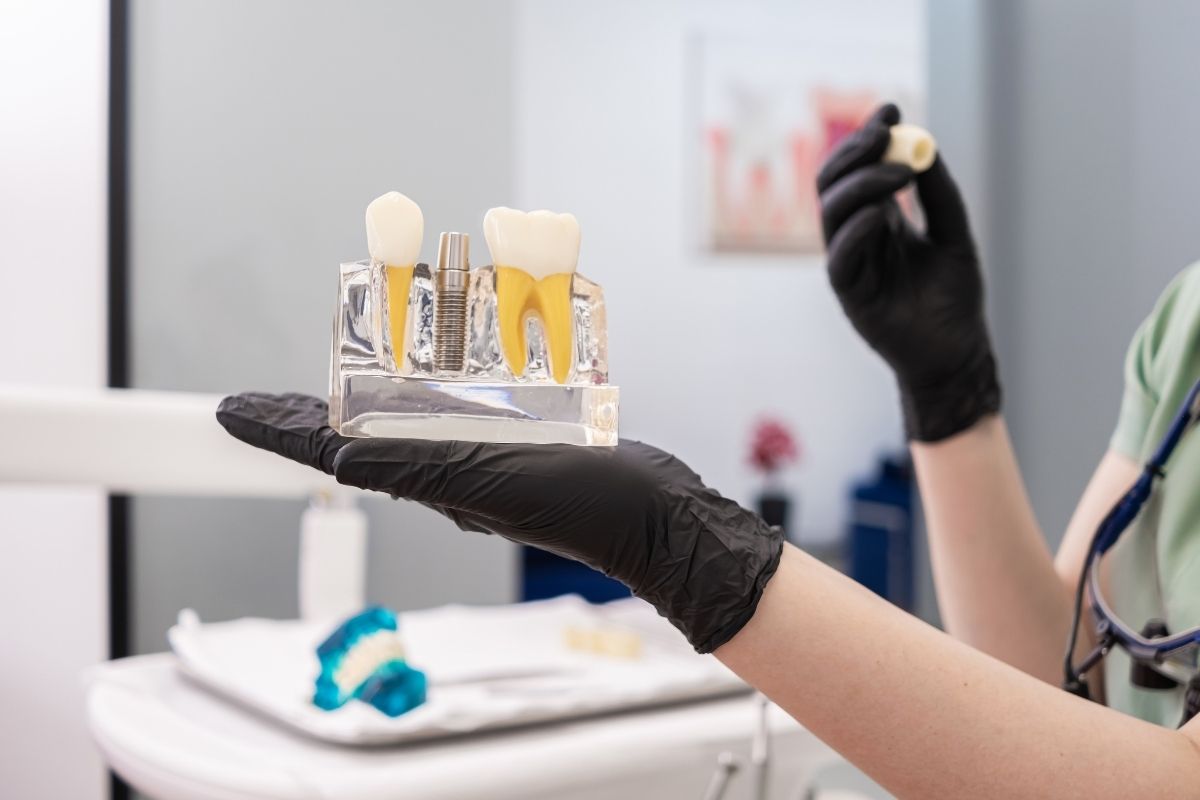
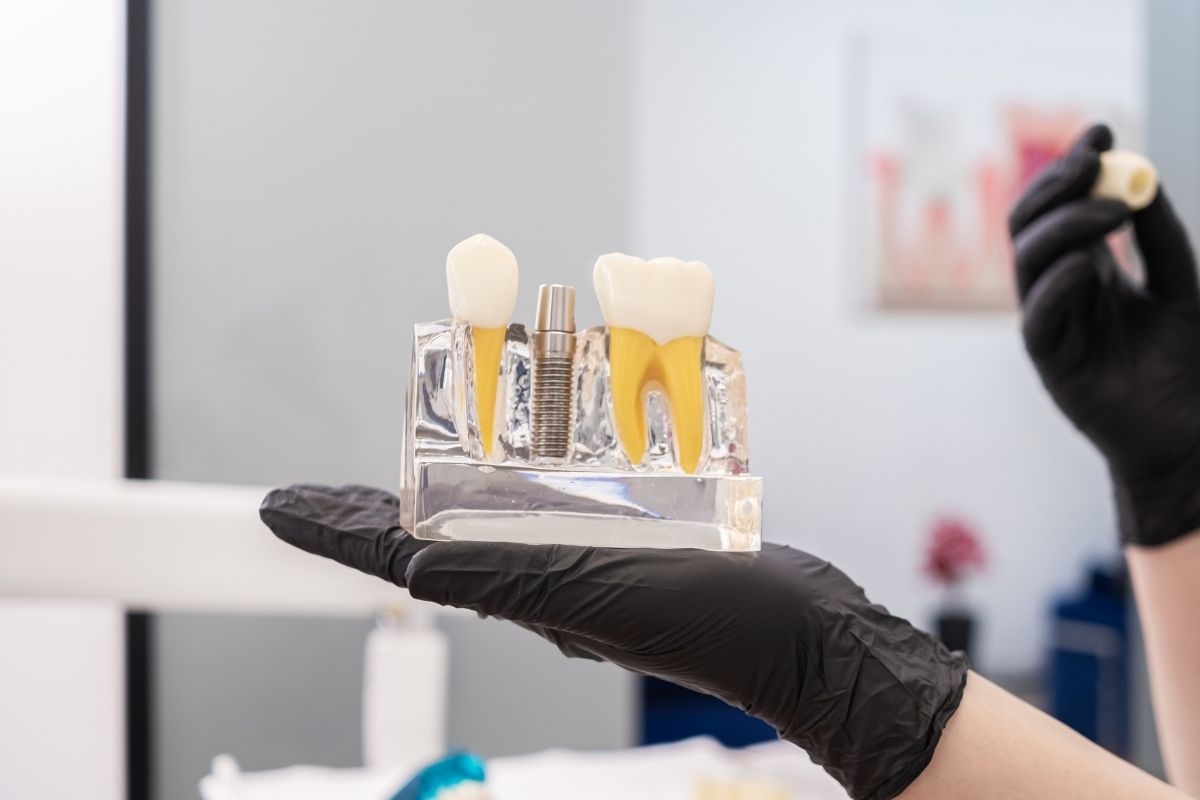
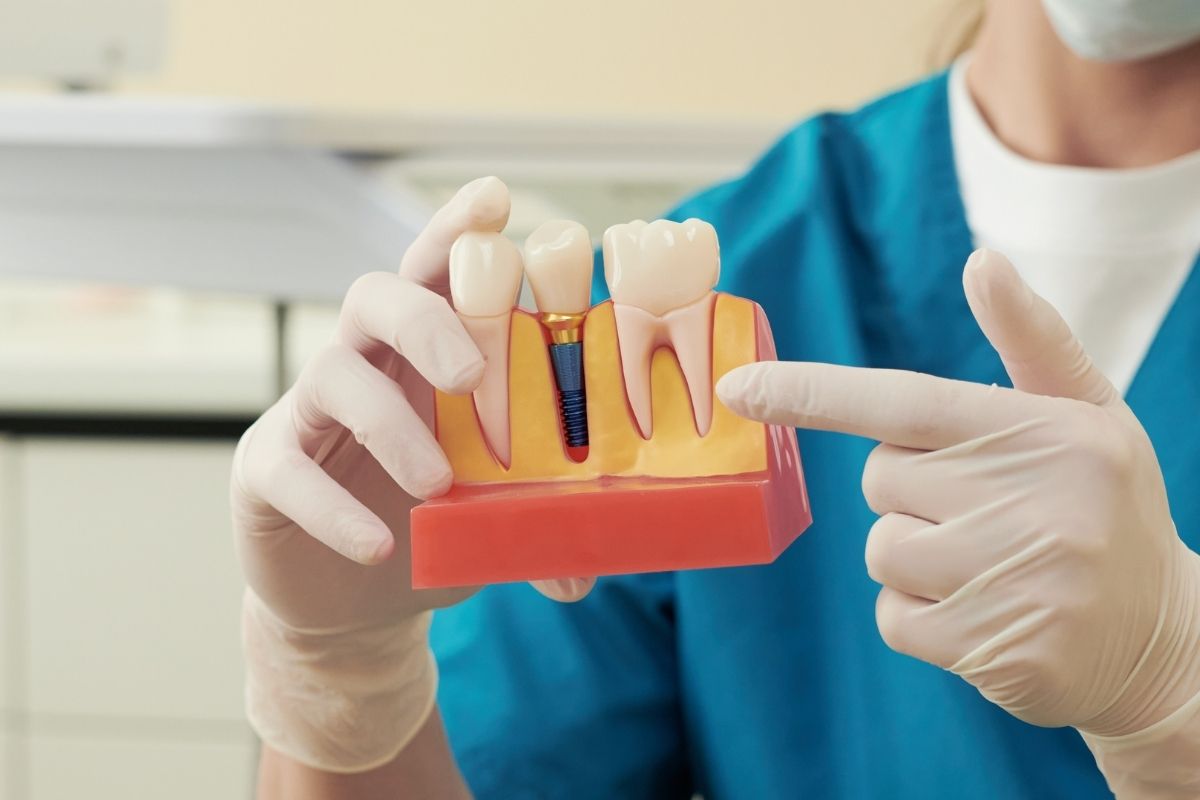
We must look at their structure to understand why implants are immune to cavities. A dental implant consists of three main parts:
- The Implant Fixture: This titanium post is surgically embedded into the jawbone, acting as the artificial root. Titanium is biocompatible, meaning it fuses with the bone through osseointegration.
- The Abutment: This connector piece attaches to the implant fixture and serves as the base for the crown.
- The Crown: This is the visible part of the implant, typically made of porcelain or zirconia, designed to resemble a natural tooth.
Cavities, or dental caries, are caused by bacteria that feed on sugars and carbohydrates, producing acids that erode tooth enamel. Natural teeth are susceptible to this process because they are made of enamel, dentin, and cementum, all of which can be decayed.
However, the materials used in dental implants – titanium and porcelain/zirconia – are not organic and, therefore, cannot be decayed by bacteria similarly. Thus, the actual implant itself is impervious to cavities.
So, What Can Go Wrong with Implants?
While your implant crown won’t get a cavity, that doesn’t mean your implant is immune to problems. Here are some key concerns:
- Peri-implantitis: The Real Threat
- Peri-implantitis is an inflammatory condition that affects the soft and hard tissues surrounding the implant. It’s akin to gum disease around natural teeth, but it can be far more serious for implants.
- Bacteria can accumulate around the implant, leading to gum inflammation, bone loss, and implant failure.
- Poor oral hygiene, smoking, and certain medical conditions can increase the risk of peri-implantitis.
- This condition is the most common reason for dental implant failure.
- Mucositis: A Precursor to Peri-implantitis
- Mucositis is an inflammation of the soft tissues surrounding the implant, specifically the mucosa (gum tissue).
- It’s an earlier stage of peri-implantitis characterized by redness, swelling, and bleeding around the implant.
- Early detection and treatment of mucositis are crucial to prevent it from progressing to peri-implantitis.
- Mechanical Issues
- While the implant is strong, the crown or abutment can experience mechanical failures.
- The crown can chip, crack, or become loose due to excessive force or wear and tear.
- The abutment can also become loose or fractured.
- These issues are not cavities but mechanical failures that require professional repair.
- Damage to Surrounding Natural Teeth
- While the implant is safe from cavities, the natural teeth surrounding it are still vulnerable.
- Maintaining good oral hygiene is essential to protect these natural teeth and prevent them from developing cavities, which can then cause issues for the implant.
- If a surrounding natural tooth gets a severe cavity, that could cause bone loss, which then endangers the implant.
- Poor Oral Hygiene
- Even though implants can’t get cavities, neglecting oral hygiene can lead to plaque and tartar buildup around the implant.
- This buildup can irritate the gums and contribute to peri-implantitis.
- Regular brushing, flossing, and professional cleanings are essential for implant health.
Maintaining Your Implant
To ensure the longevity of your dental implants, follow these guidelines:
- Practice Excellent Oral Hygiene: Brush your teeth twice daily with a soft-bristled toothbrush and floss daily. Use a low abrasive toothpaste.
- Use Interdental Brushes or Water Flossers: These tools can help clean hard-to-reach areas around the implant.
- Schedule Regular Dental Checkups: Visit your dentist every six months for professional cleanings and implant evaluations.
- Avoid Smoking: Smoking significantly increases the risk of peri-implantitis and implant failure.
- Maintain a Healthy Diet: A balanced diet supports oral and bone health.
- Address Bruxism (Teeth Grinding): Wear a nightguard to protect your implants from excessive force if you grind your teeth.
- Be Aware of Changes: If you notice any redness, swelling, bleeding, or discomfort around your implant, contact your dentist immediately.
The Bottom Line: Implants Are Not Cavity-Proof, But They Require Different Care
While the materials of dental implants are immune to cavities, maintaining their health requires diligent care to prevent peri-implantitis and other complications. By practicing good oral hygiene, attending regular dental checkups, and promptly addressing any issues, you can enjoy a healthy and functional implant for many years.
Remember, while the implant itself doesn’t decay, the surrounding tissues and the mechanical components of the implant system are still susceptible to problems. Therefore, proper maintenance is key to long-term implant success.