

DIY health trends have taken over the internet, from at-home hair treatments to kitchen-counter skincare. But when it comes to your teeth, venturing into the realm of DIY can sometimes lead to unexpected and potentially damaging consequences. One such scenario involves at-home fluoride treatments gone awry, resulting in enamel erosion. So, the burning question is: should you call an emergency dentist if you experience symptoms of enamel erosion from DIY fluoride treatments? Let’s delve into the details and find out.
The Temptation of DIY Fluoride: A Double-Edged Sword
Fluoride is a naturally occurring mineral crucial in strengthening tooth enamel and preventing cavities. It’s a key ingredient in toothpaste and mouthwashes, and dentists often apply professional fluoride treatments to protect teeth. With the availability of over-the-counter fluoride gels and rinses, many people are tempted to take matters into their own hands, hoping to boost their dental health.
However, DIY fluoride treatments come with a significant risk: enamel erosion. While fluoride strengthens enamel, excessive exposure can have the opposite effect, leading to the tooth’s protective outer layer breakdown. This can occur due to:
- Overconcentration: DIY treatments often lack the precise formulation of professional products, leading to higher fluoride concentrations.
- Prolonged Exposure: Leaving fluoride treatments on for too long can overwhelm the enamel.
- Improper Application: Without professional guidance, fluoride can be applied unevenly or to areas that don’t need it.
- Underlying Conditions: Pre-existing enamel weaknesses or sensitivities can be exacerbated by DIY treatments.
Recognizing the Signs: Symptoms of Enamel Erosion
Enamel erosion can manifest in various ways, and it’s essential to recognize the symptoms to take prompt action. Here are some common signs:
- Increased Sensitivity: Your teeth may become more sensitive to hot, cold, or sweet foods and drinks.
- Discoloration: The edges of your teeth may appear translucent or yellowish.
- Rounded or Grooved Teeth: The shape of your teeth may change, becoming rounded or developing grooves.
- Increased Cavities: Eroded enamel makes your teeth more susceptible to cavities.
- Pain or Discomfort: In severe cases, you may experience pain or discomfort when eating or drinking.
Should You Call an Emergency Dentist for Enamel Erosion Symptoms after DIY Fluoride Treatments?
While mild enamel erosion may be manageable with professional dental care, specific symptoms warrant an immediate call to an emergency dentist. These include:
- Severe Sensitivity: If you experience intense pain when exposed to hot, cold, or sweet stimuli, it’s a sign of significant enamel damage.
- Sharp Pain: Sharp, stabbing pain in your teeth could indicate exposed dentin, the layer beneath the enamel.
- Visible Damage: If you notice significant changes in the shape or color of your teeth, it’s crucial to seek immediate attention.
- Bleeding or Swelling: Bleeding or swelling in your gums, especially accompanied by tooth pain, could indicate an infection.
- Any symptom that is causing you significant discomfort.
Why Emergency Dentistry Care Matters?
Calling an emergency dentist in these situations is crucial for several reasons:
- Prompt Diagnosis: An emergency dentist can quickly assess the extent of the damage and identify any underlying issues.
- Immediate Treatment: They can relieve pain and discomfort and prevent further enamel erosion.
- Preventing Infection: Exposed dentin is vulnerable to infection, which can lead to more serious dental problems.
- Preserving Tooth Structure: Early intervention can help preserve the remaining tooth structure and prevent the need for more extensive treatments.
- Preventing systemic infection: dental infections can spread to other body areas.
The Professional Approach: How Dentists Treat Enamel Erosion
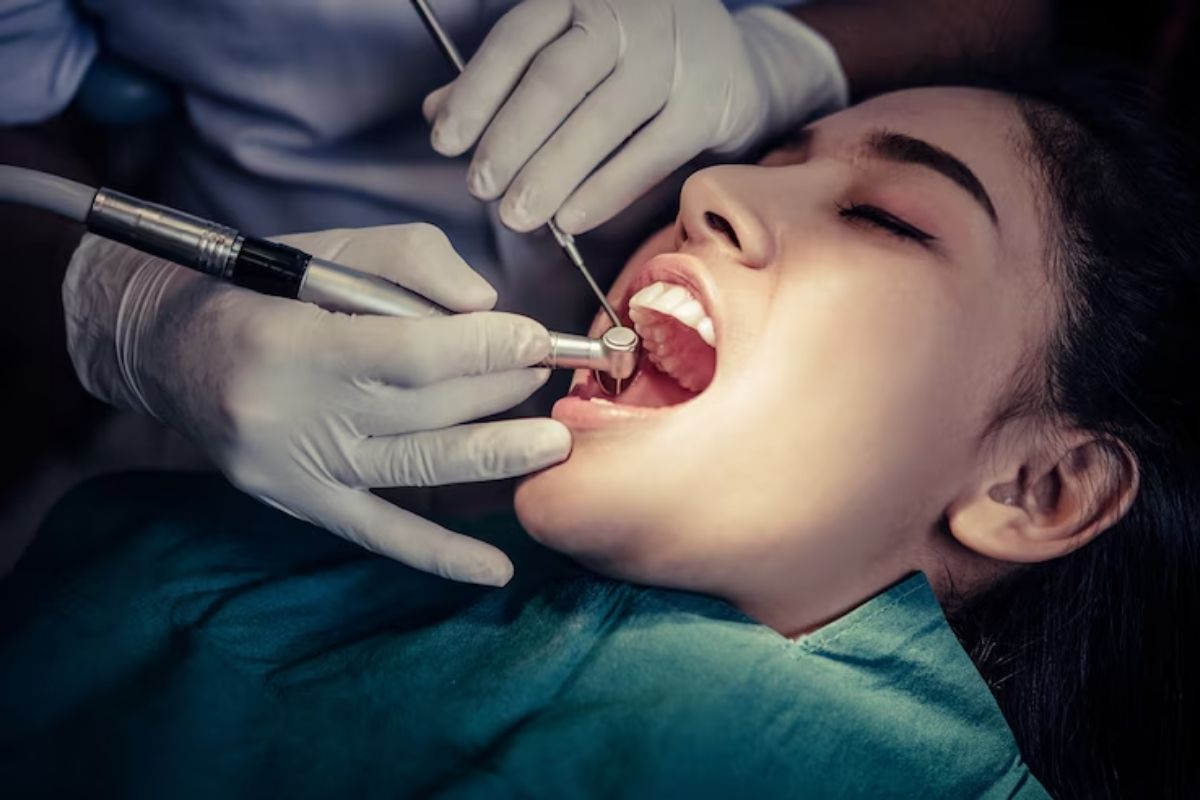
Depending on the severity of the erosion, your dentist may recommend various treatments, including:
- Fluoride Treatments: Professional fluoride treatments can help strengthen the remaining enamel and prevent further erosion.
- Dental Bonding: Dental bonding involves applying tooth-colored resin to the affected areas to restore the tooth’s shape and protect the dentin.
- Dental Crowns: In severe cases, dental crowns may be necessary to cover and protect the damaged tooth.
- Desensitizing Agents: Dentists can apply desensitizing agents to reduce tooth sensitivity.
The Takeaway: Prevention is Key
The best way to avoid enamel erosion from DIY fluoride treatments is to prevent it in the first place. Here are some tips:
- Consult Your Dentist: Consult your dentist before using any at-home fluoride treatments.
- Follow Instructions: If you use over-the-counter fluoride products, carefully follow the instructions on the label.
- Use Fluoride Toothpaste: Brushing with fluoride toothpaste twice daily is usually sufficient for most people.
- Regular Dental Check-ups: Regular dental check-ups and cleanings can help prevent enamel erosion and other dental problems.
Enamel erosion from DIY fluoride treatments can be a serious issue, and knowing when to call an emergency dentist is crucial. By recognizing the symptoms and seeking prompt, professional care, you can protect your teeth and maintain a healthy smile.
Conclusion
Ultimately, your peace of mind and the health of your smile are paramount. If you’re experiencing any concerning symptoms after a DIY fluoride treatment, especially those suggesting enamel erosion, don’t hesitate.
We understand the anxiety dental issues can cause. Your emergency Dentist in Layton, UT, is here to provide prompt, compassionate care, assess the situation, and take the necessary steps to protect your teeth.
Your comfort and long-term oral health are our top priorities, and we’re ready to help you navigate any dental emergency with expertise and understanding.