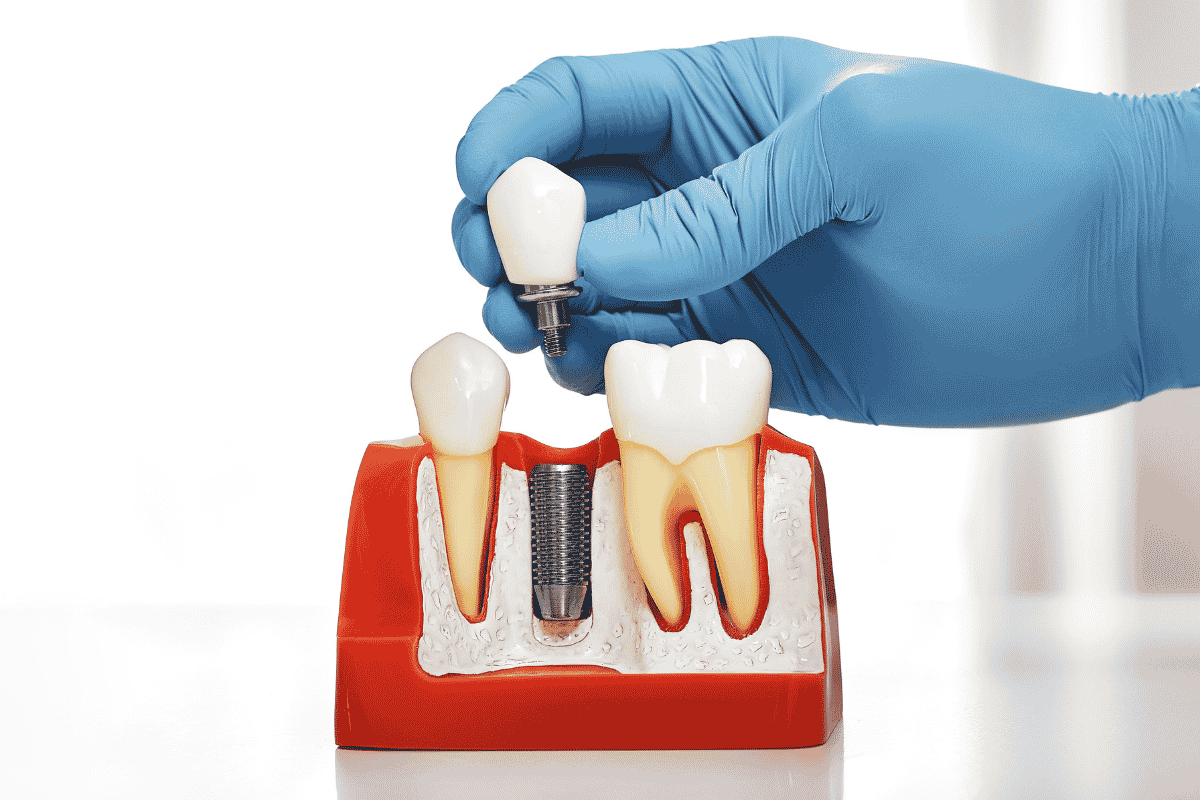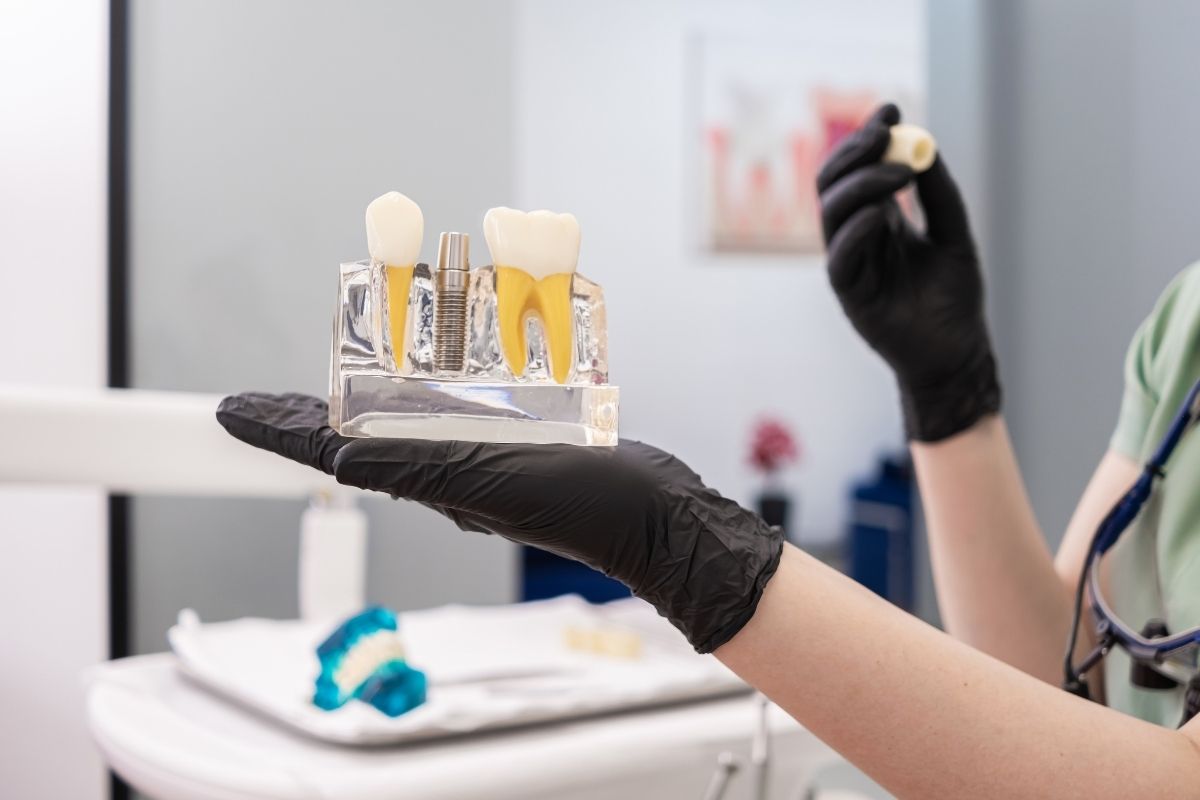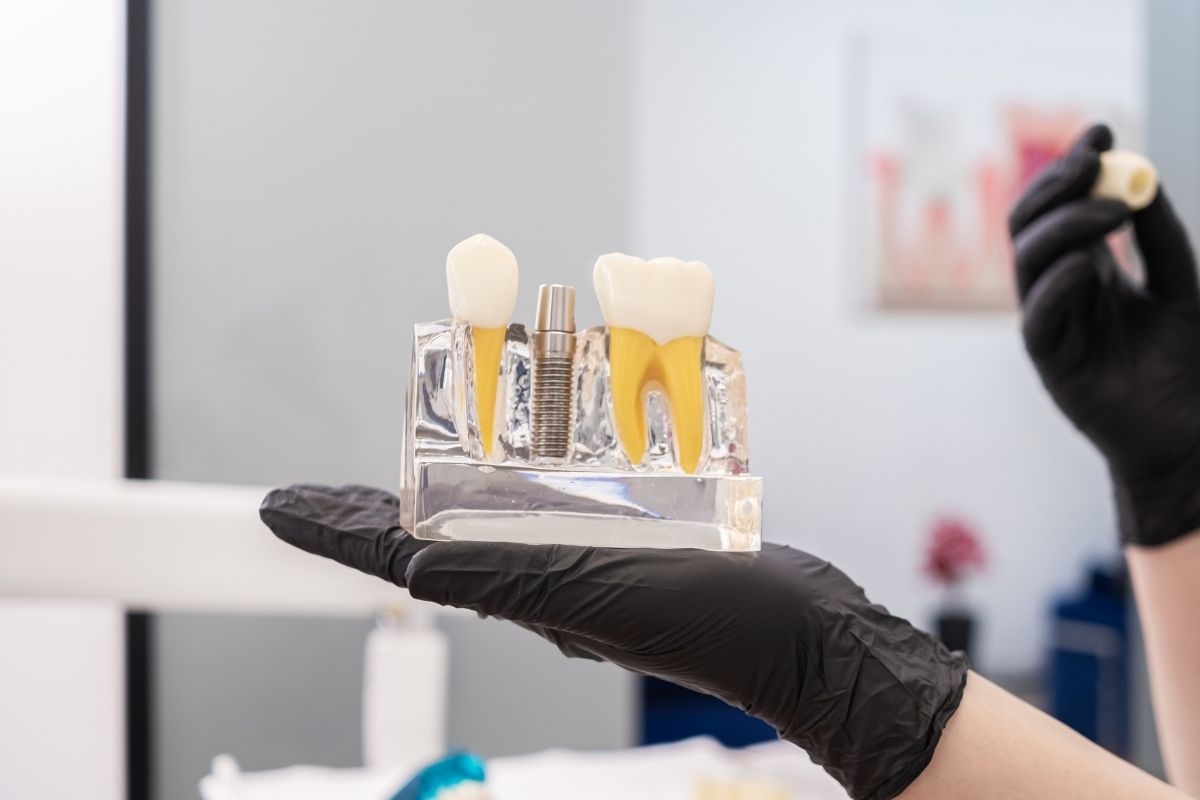


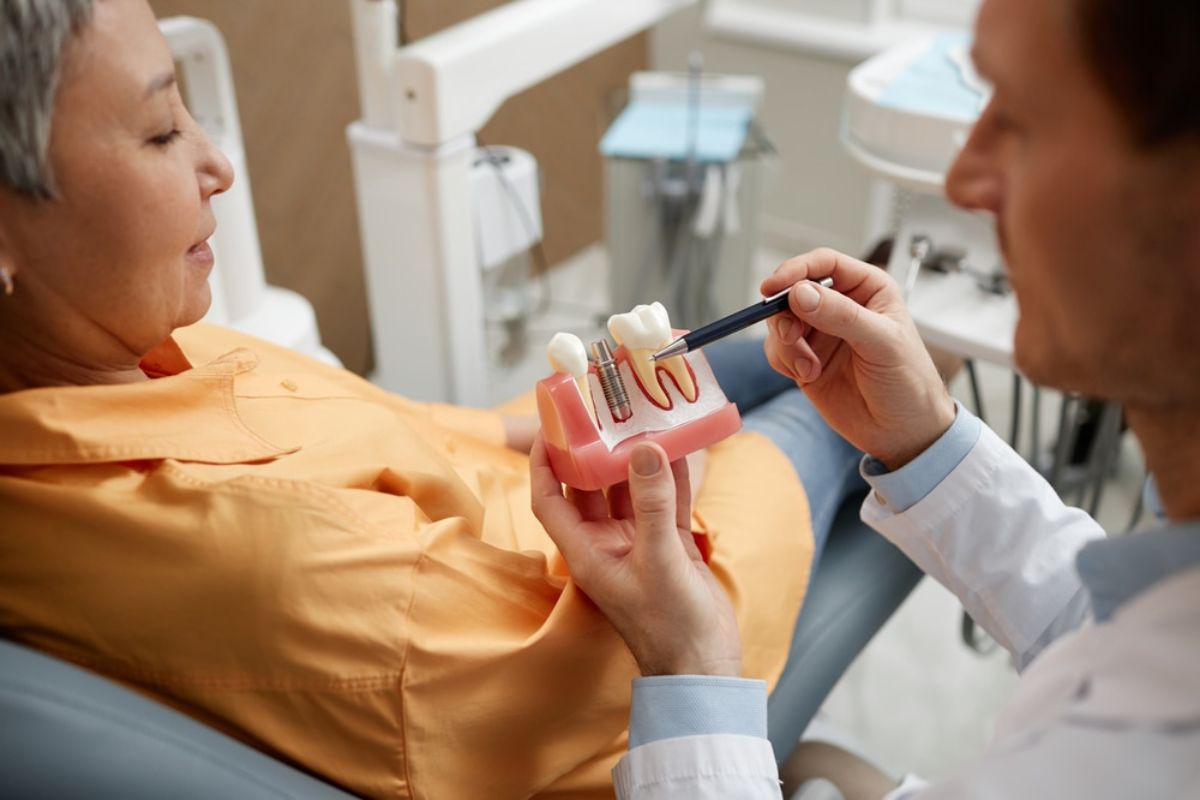
Tooth loss can affect more than just your appearance. It impacts chewing ability, speech, and overall oral health. Dental implants offer the most dependable way to regain function and aesthetics among the many modern solutions available today. When it comes to patients managing diabetes, certain factors need to be considered for the long-term success of fixed prosthetic restorations. Would you like to know what research suggests about diabetic patients receiving permanent replacement teeth? Read this blog for more insights!
How Does Diabetes Affect Oral Healing?
Research shows that individuals with chronic conditions like diabetes may experience slower healing after oral surgeries. Elevated glucose levels can disrupt natural repair mechanisms of your body, especially in the gums and jawbone. However, this doesn’t mean you are not the right candidate for tooth replacements. With the right preventive strategies and support, it is possible to achieve success with dental implants.
Some studies indicate that controlling diabetes has little to no adverse effect on the longevity of artificial teeth. Pre-surgical planning and consistent blood sugar management are important for minimizing prosthetic failure.
The Role of Bone and Gum Health
If you have a healthy jawbone, you can expect implant success whether or not you have diabetes. A high bone density gives the artificial roots the best possible support. People with poorly controlled blood sugar may have low bone density, which makes prosthetic teeth less stable. Results can be greatly enhanced by bone augmentation treatments and other preparatory operations, which is possible through advancements in dental technology.
Prosthetic failure can occasionally result from infections at the gum line. For this reason, it’s crucial to keep your mouth free from bacteria before receiving dental implants.
Pre-Treatment Planning for Tooth Replacement
Your overall medical status is evaluated before surgically inserting artificial tooth roots inside the jawbone. This involves reviewing your oral health history and conducting blood tests, such as HbA1c, to evaluate glucose level. It’s often advised by the dentist to maintain A1C levels below 7% to reduce complications and improve healing with implants.
Less invasive surgical techniques or using specialized materials helps improving your body’s healing capabilities. Book an appointment with our implant dentist to minimize post-surgical issues and support a smoother recovery.
Why Post-Procedure Care is Essential for Implant Healing?
Following the placement of a prosthetic tooth root, maintenance continues. It is recommended that patients adhere to specific aftercare practices, such as consistent brushing, flossing, and mouthwash rinses with antiseptics. Shcheduling follow-up sessions with diabetic patients aids in tracking the healing process of the surgical site and identifying prosthetic complications.
Focus on treating systemic illnesses that frequently affect the results of dental operations if your blood sugar levels are greater. The long-term stability of fixed dental restorations is influenced by lifestyle decisions, daily routines, and medication compliance.
Visit Our Dental Office for Implants
Living with diabetes doesn’t mean you have to live with the gaps left by missing teeth, impacting your smile aesthetics. Managing glucose levels and following proper guidance from a dentist can help you enjoy the advantages of permanent dental prostheses.
If you’re considering restorations of your lost teeth or have questions about healing post-surgery, visit our dental office now. With proper planning and commitment to oral hygiene, we make your journey to a healthier smile a smooth experience.