

Implants are a long-term solution for replacing missing teeth. Surgically placed into the jawbone, these artificial posts offer stability and function similar to natural tooth roots. Generally, prostheses are not designed to be removed regularly like dentures. However, under certain circumstances, removal becomes necessary.
Keep reading this blog to understand when extraction is allowed for dental implants, the removal process, the role of a dentist, and more!
What are Dental Implants?
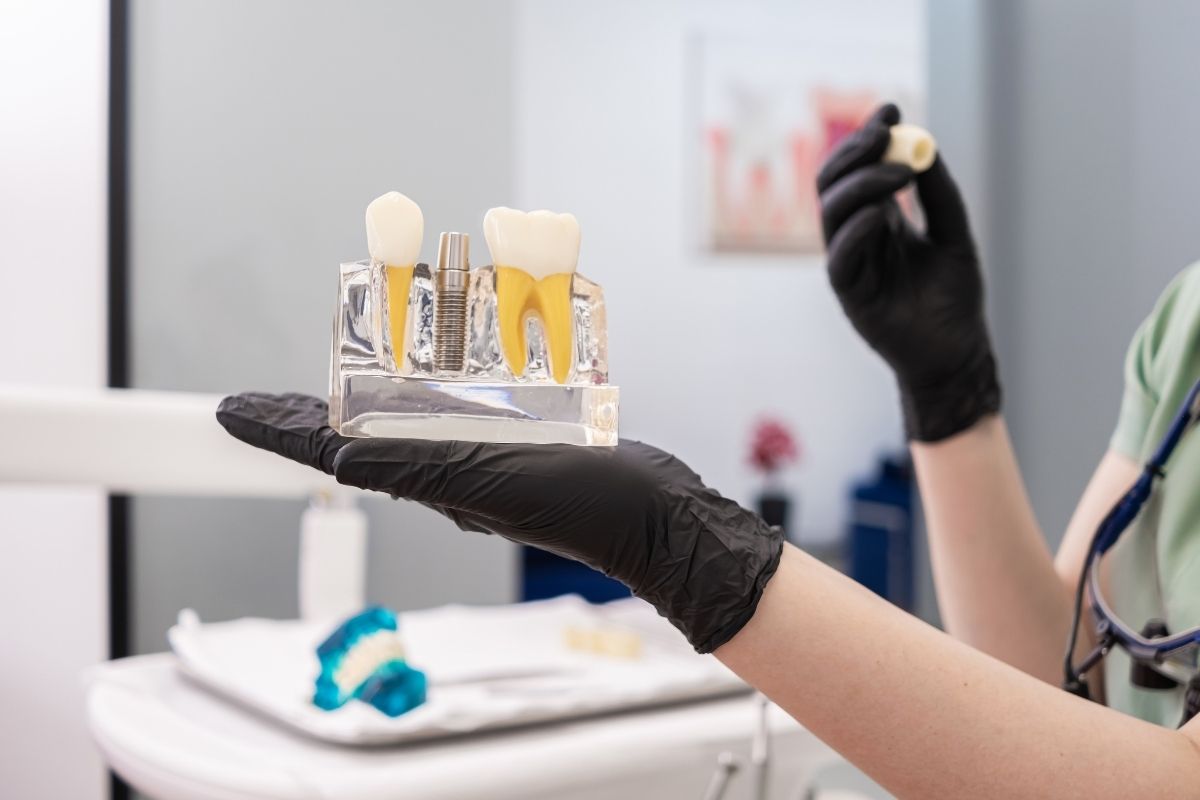
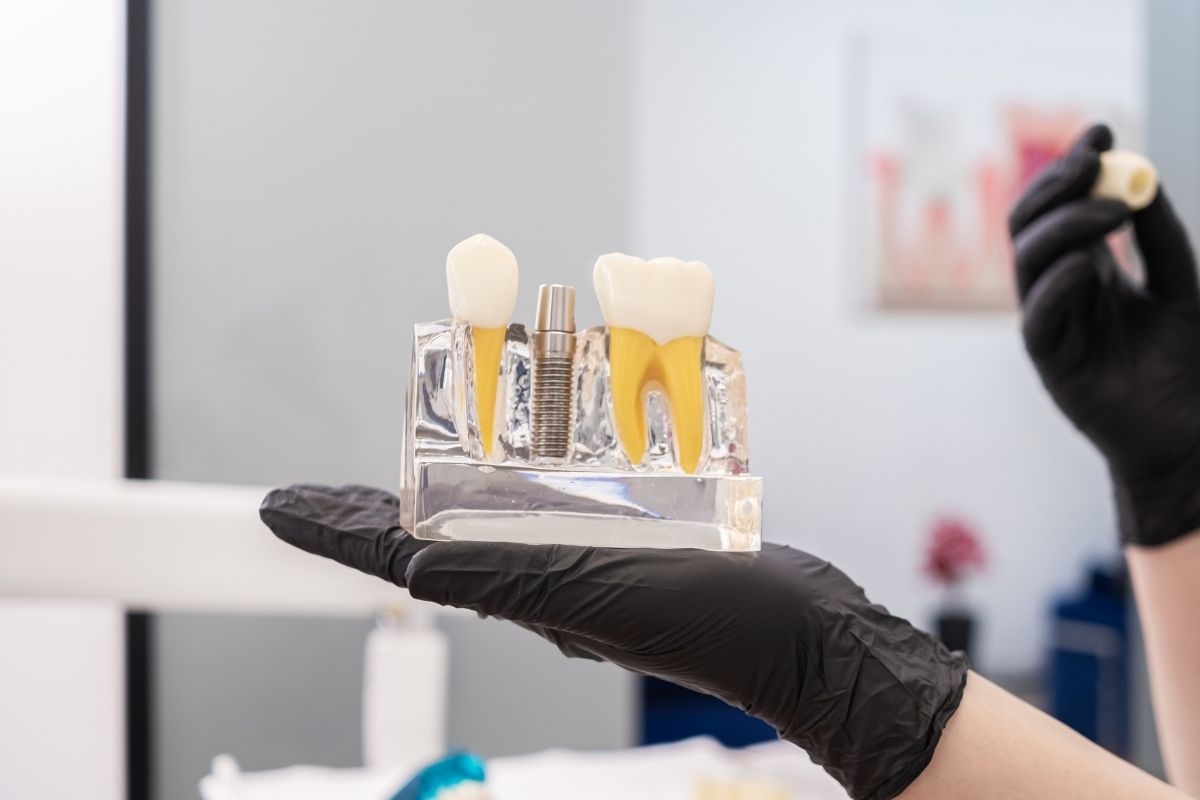
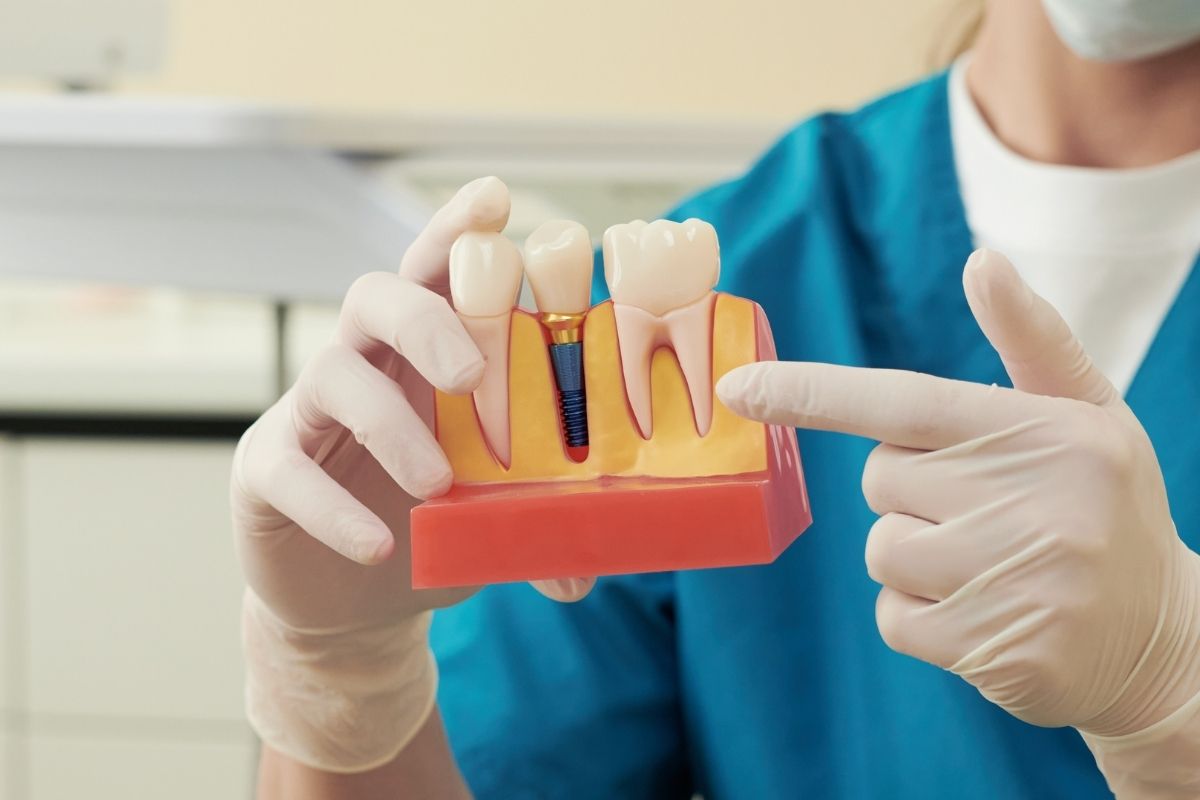
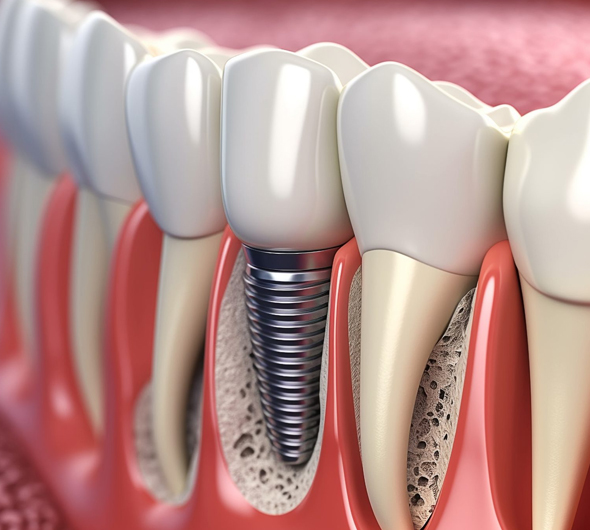
Dental implants are prosthetic tooth roots made from biocompatible materials like titanium. Once surgically inserted into the jaw, they provide a stable foundation for replacement teeth such as crowns or bridges. It takes a few months for the implant to fuse with the bone through a process called osseointegration. This stage allows it to function similarly to a natural tooth root in strength and durability.
Have you been wondering if implants can be removed? Read on to find out!
Are Dental Implants Removable?
Yes, dental prostheses can be removed, though it isn’t common. Their integration with bone makes removal a more involved and complicated procedure in some cases. An extraction is only considered when leaving implants in the jawbone presents a risk or causes ongoing problems.
When Is Implant Removal Necessary?
Most prosthetic roots stay intact for many years without issues. However, a few specific complications may require removal.
Infection or Peri-Implantitis
This is one of the most frequent causes of implant failure. When bacteria infect the tissue around the implant, inflammation and bone loss can occur. If caught early, prompt treatment can help combat infection, increasing the likelihood of success with dental implants. If peri-implantitis reaches an advanced stage, removal might be unavoidable.
Early Failure to Fuse with Bone
Successful placement of prosthetic teeth depends on osseointegration, where the post fuses with the jawbone. When this fusion doesn’t happen, often within the first 6–12 months, extraction is the only solution to manage complications. Poor bone quality, smoking, or health conditions may interfere with integration and cause prosthetic failure.
Bite Stress or Grinding
Excessive force from clenching or grinding can destabilize an implant. This mechanical overload may lead to micro-movements, causing it to loosen or shift. Without proper treatment, the structure might eventually fail.
Material Reaction
Some people experience adverse responses to titanium or other metals used. Persistent irritation or inflammation not linked to an infection could suggest sensitivity, potentially leading to the detachment of prostheses for health reasons.
Physical Damage
Direct impact on the mouth, such as biting through foods or objects, can crack or break the implant. When damage affects its stability or the surrounding bone, extraction becomes necessary.
Why Should You Consult with the Dentist?
Removing an implant isn’t a simple procedure. Since it’s anchored in bone, careless removal could cause unnecessary trauma. A reliable implant dentist with surgical experience must assess the situation and choose the safest approach for prosthetic extraction. Self-treatment or delay can lead to nerve damage or bone loss.
Visit our dental office if you’re experiencing discomfort, loosening, or inflammation around an implant. A proper exam will determine the cause and whether artificial roots need to be removed.
How Are Dental Implants Removed?
There are two common methods to get the implanted root out of its socket. One involves cutting a small section of bone with a surgical tool to release the titanium post. This method may require a bone graft before replacing it.
The second removal technique is less invasive, using specialized instruments to apply torque and unscrew the post. This preserves more bone and may allow for same-day tooth replacement.
Are Crowns Removable As Well?
The crowns that sit atop tooth implants are not permanent. Like crowns on natural teeth, they typically last 10 to 15 years, depending on care, material, and bite force. These dental caps can be removed or replaced by your dentist without affecting the implant post beneath.
Want to book an appointment for a thorough evaluation and determine your eligibility for dental implant placement or removal? Contact Mountain View Endodontics, where we provide prosthetic solutions to address dental discomfort, damage, or concerns related to tooth loss.