

Missing a molar is not a very big deal for some people. After all, it’s way in the back and not visible when you smile, talk, or chew food! In reality, molars, which include wisdom teeth, do a lot of the heavy lifting in your mouth. Replacing them is often essential for chewing function and your long-term oral health.
This blog covers why your dentist often replaces your back teeth with dental implants as a permanent solution. Keep reading to learn how prostheses can serve as your new molars, helping you regain your chewing confidence.
Why Molar Teeth Are So Important?
Your molars aren’t just there for show. They matter more than you can imagine in the following ways:
Primary Chewing Function
Molars grind and crush food so you can swallow it safely. Without back teeth, eating tough or crunchy foods becomes much more difficult and less enjoyable.
Support for Neighboring Teeth
When a molar is missing, adjacent teeth begin to drift into the gap. This can throw off your entire bite and lead to misalignment.
Maintaining Jawbone Strength
Chewing stimulates the jawbone. Missing teeth can lead to bone loss in that area over time, weakening your bite and altering facial shape.
When Does Your Dentist Recommend Molar Replacement?
Not all tooth loss needs urgent replacement, but molars are different. Here’s when your dentist will likely suggest restoring them with dental implants:
- Missing a First or Second Molar: These teeth help with chewing. Replacing them is usually a must to restore eating comfort and prevent bite strain.
- Visible Signs of Shifting Teeth: Gaps left by missing back teeth can impact your bite or result in crowding. This often affects not only function but also aesthetics.
- Ongoing Jaw Pain or Chewing issues: Trouble eating, clicking jaws, or headaches may signal bite imbalance from missing back teeth. Restoring that space can help alleviate TMJ-related discomfort.
The Process Behind Getting a Molar Implant
Placing a replacement for a molar involves careful planning and precise steps. Here’s what happens when you approach a dentist for implant surgery:
1. Exam and Imaging
Your endodontist will assess bone structure using 3D scans to determine if the jaw can support a new root structure. Visit our dental office to determine if additional procedures, like bone grafting, are necessary to support prostheses.
2. Surgical Placement
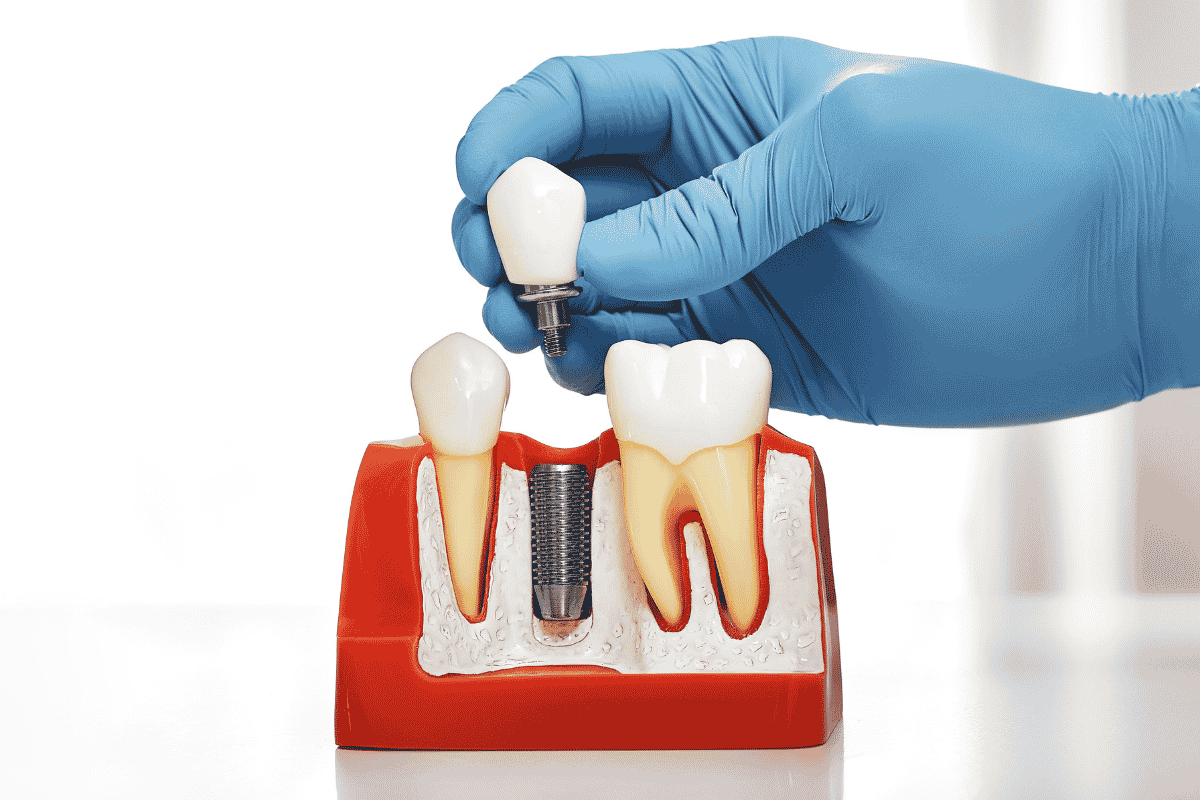
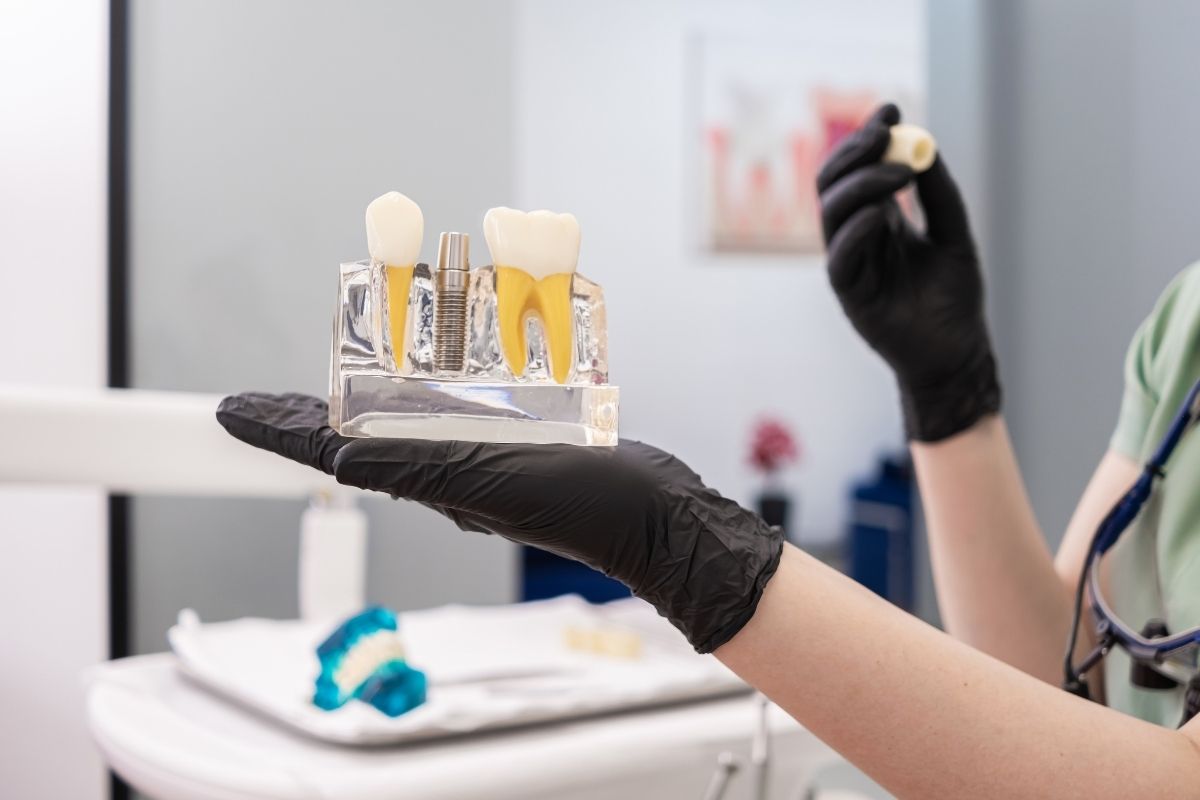
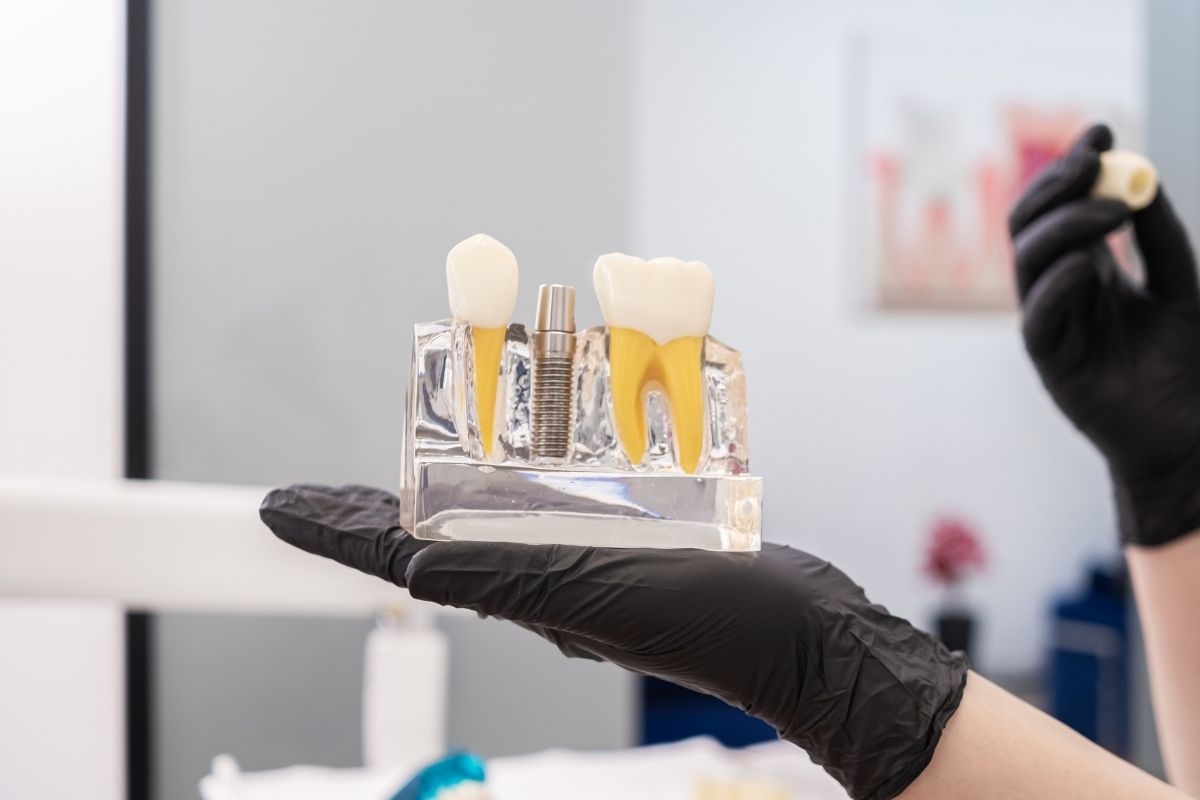
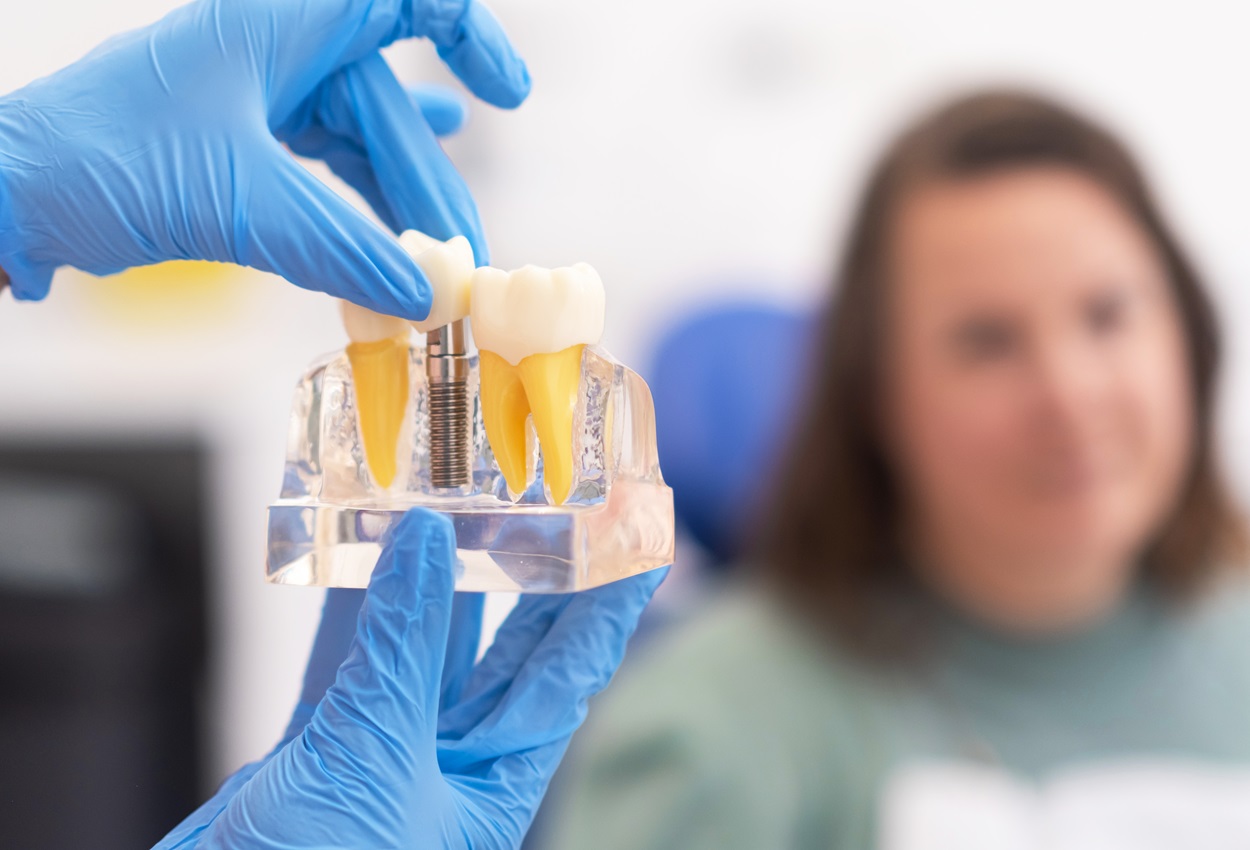
A titanium post is placed into the jawbone where the missing molar used to be. This post acts as a new tooth root.
3. Healing Period
Over the next few months, the post fuses with the bone in a process called osseointegration, forming a stable base.
4. Final Crown Placement
Once healed, a lifelike crown is attached to the post using an abutment. It looks, feels, and functions like a natural molar.
Why Choose Dental Implants to Replace Molar Teeth?
Back teeth add more strength to your bite and exert less pressure on surrounding teeth when chewing food. Let’s discuss the advantages of replacing molars that are no longer functional or have structural integrity.
- Restores Full Chewing Power: You can eat all the foods you love without discomfort or limitations.
- Protect Your bite: Prevent shifting of teeth, jaw strain, and future dental issues by keeping your bite properly aligned.
- Blends in Naturally: Modern materials and techniques help your new tooth match the rest of your smile.
Book An Appointment for Custom-Made Implants
Replacing molars becomes necessary at times to protect nearby teeth, restore bite, and avoid dental misalignment. Dental implants offer a safe and reliable restoration option for your lost or badly damaged back teeth.
At Mountain View Endodontics, we combine experience with precision to restore comfort and function to your smile. If you’re missing a molar and unsure what to do next, our endodontist is here to guide you. Call our office today to schedule your personalized implant consultation.