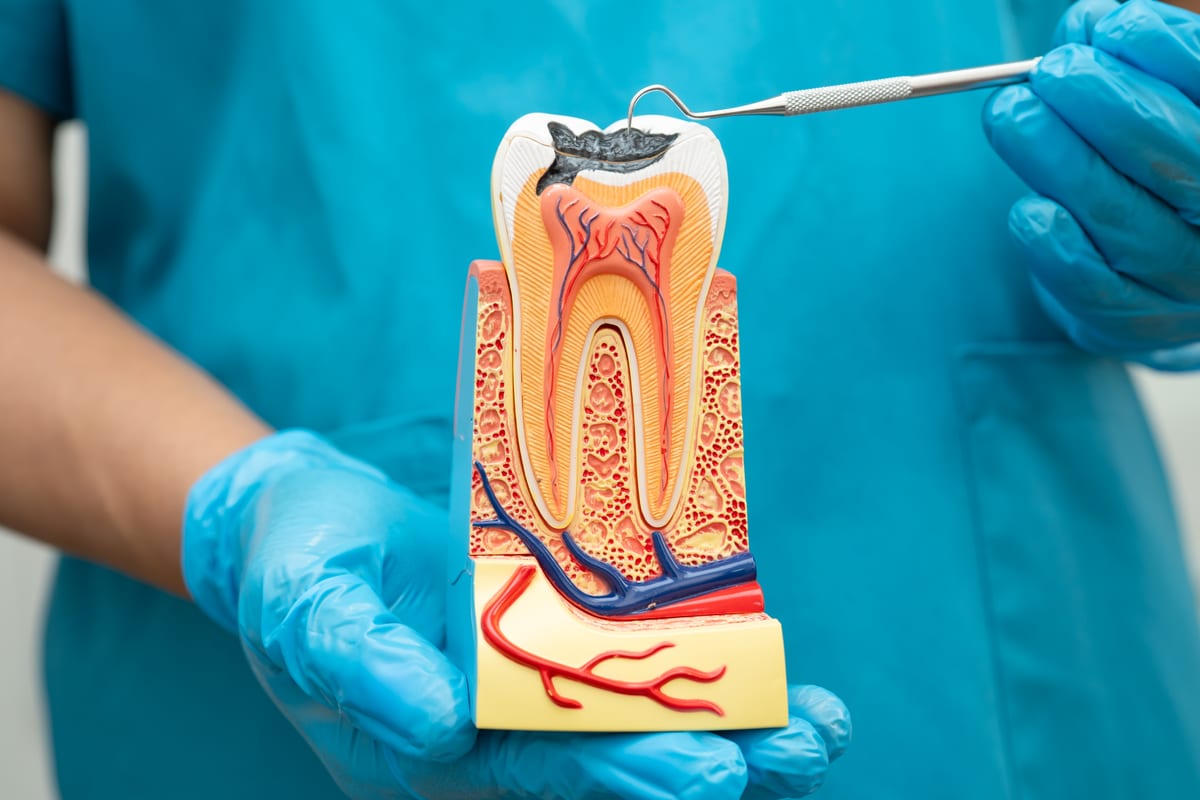


If you have been researching dental implants, you may have noticed that treatment costs can vary significantly from one patient to another. That difference is not always a matter of the implant itself. The number of teeth being replaced, your oral health, required preparatory procedures, materials, imaging, and the complexity of treatment can all influence the final cost.
Understanding these factors can help you compare treatment plans more accurately and know what you are actually paying for. At Mountain View Endodontics, Dr. Stuart Gibby takes a comprehensive approach to treatment planning so patients can understand their options before moving forward.
What Determines the Cost of Dental Implants?
Dental implants involve several stages rather than one single procedure. Because every patient’s situation is different, there is no universal price that applies to everyone.
Some of the primary factors that can affect your total treatment cost include:
- Number of implants needed: Replacing one missing tooth generally requires less treatment than replacing several teeth.
- Condition of the jawbone: Bone loss may mean additional treatment is necessary before implant placement.
- Need for tooth extraction: A damaged or failing tooth may need to be removed before an implant can be placed.
- Diagnostic imaging: Detailed imaging, including 3D scans when appropriate, helps evaluate the bone and plan treatment.
- Implant components: The implant post, abutment, and crown each contribute to the overall cost.
- Complexity of treatment: Certain cases require additional planning or procedures because of existing oral health concerns.
- Provider expertise: Training and experience can be important considerations when choosing a provider for implant treatment.
Looking at these factors gives you a better understanding of why two patients may receive very different estimates.
Why Preparatory Procedures Can Increase Treatment Costs
The implant itself is only one part of the overall process. Before placement, your dentist or specialist needs to determine whether the jawbone and surrounding tissues can adequately support the implant. For patients with insufficient bone volume, bone grafting may be recommended. This procedure helps rebuild the foundation needed for implant placement. The additional treatment can increase the overall cost and extend the timeline, but it may be important for achieving a stable result. A tooth extraction may also be necessary if a damaged or failing tooth is still present at the implant site. In other situations, patients may need treatment to address gum or soft tissue concerns before proceeding.
Your previous dental treatment can also influence planning. For example, some patients have undergone root canal treatment on a tooth that later becomes severely damaged or requires removal. Reviewing your dental history helps your provider determine the most appropriate approach for your situation.
Understanding What You Are Paying For
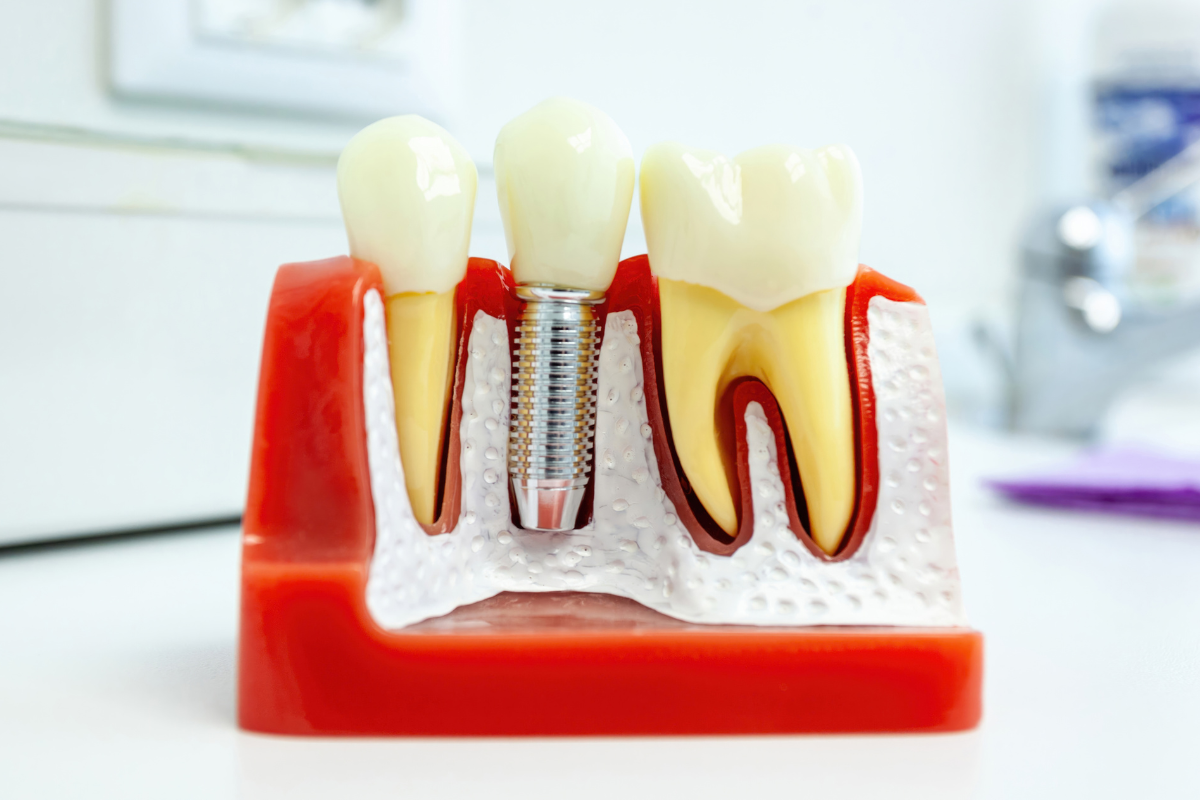
A dental implant restoration generally involves three main components, and each plays a different role in replacing a missing tooth.
- Implant post: A small post, commonly made from titanium, that is placed into the jawbone and functions as an artificial tooth root.
- Abutment: The connector that attaches the implant post to the dental crown.
- Dental crown: The visible portion of the restoration designed to resemble and function like a natural tooth.
The materials used for these components can affect the overall cost. Crowns may be made from materials such as porcelain or zirconia, depending on factors including the location of the tooth, appearance, bite forces, and treatment recommendations. The goal should not simply be to find the least expensive implant option. Instead, patients should understand what is included in their treatment plan, which materials are being recommended, and why those choices are appropriate for their particular needs.
How Implant Treatment Planning Affects the Overall Cost
When considering dental implant treatment in Pleasant View, it is helpful to look at the complete treatment plan rather than focusing only on the price of the implant post. A comprehensive consultation may involve evaluating your existing teeth, gums, jawbone, bite, and overall oral health. Imaging can provide additional information about bone structure and the location of important anatomical structures. This information allows your provider to determine whether additional treatment is necessary before implant placement.
This is also where implant dentistry goes beyond simply replacing a missing tooth. Proper planning considers how the restoration will function alongside your existing teeth and how the implant can be positioned to support a stable, functional result. For patients in Pleasant View and nearby Harrisville communities, understanding the complete treatment plan can make it easier to compare estimates and ask informed questions during a consultation.
Does the Number of Implants Affect the Price?
Yes. The number of teeth being replaced is one of the most straightforward factors affecting the overall cost. Replacing a single missing tooth generally requires fewer implant components and procedures than replacing multiple teeth. However, multiple missing teeth do not necessarily mean that one implant is required for every missing tooth. Depending on the treatment plan, certain restorations may be supported by multiple strategically placed implants.
This is why an individualized evaluation is important. Your provider can determine how many implants may be appropriate based on the location of the missing teeth, available bone, bite, and restoration being considered.
Why Diagnostic Imaging Matters
Imaging is an important part of implant planning because visual examination alone may not provide enough information about the underlying bone and anatomical structures. A 3D cone beam CT scan, when indicated, can provide detailed views of the jaw and help with treatment planning. It may allow your provider to evaluate available bone and identify anatomical considerations before implant placement. Although diagnostic imaging can add to the initial treatment cost, it can provide valuable information for developing a more precise treatment plan.
How Provider Experience Can Affect Value
When comparing dental implant costs, price should not be the only factor you consider. The provider’s training, experience, treatment approach, and ability to evaluate complex oral health concerns can also influence the overall value of care. Choosing an experienced provider may help you better understand the risks, alternatives, expected timeline, and procedures involved in your treatment. A detailed consultation also gives you an opportunity to ask exactly what your estimate includes.
Dr. Stuart Gibby and the team at Mountain View Endodontics focus on evaluating each patient’s individual needs before recommending treatment. Understanding your oral health circumstances is an important part of deciding whether implants are appropriate and what steps may be necessary.
What Should You Ask Before Starting Implant Treatment?
Before agreeing to an implant treatment plan, ask your provider what is included in the quoted cost. A useful discussion may cover:
- How many implants are recommended?
- Will a tooth extraction be necessary?
- Do I need bone grafting or other preparatory treatment?
- Are diagnostic scans included?
- Does the estimate include the abutment and crown?
- What type of implant and crown materials are being recommended?
- How long is the expected treatment process?
- Are there alternative treatment options to consider?
Getting clear answers can make it easier to understand the total investment rather than comparing one procedure price against another.
Making an Informed Decision About Dental Implants
The cost of dental implants depends on much more than the implant itself. The number of teeth being replaced, condition of the jawbone, preparatory procedures, diagnostic imaging, materials, restoration, and complexity of treatment can all influence the final price. For patients considering treatment in Pleasant View and surrounding communities, the best starting point is an individualized consultation. A thorough evaluation can help identify what your treatment requires and give you a clearer understanding of the expected investment.
Dental implants can be a long-term option for replacing missing teeth when they are appropriately planned and maintained. If you are considering implant treatment, Contact us to schedule a consultation with the Mountain View Endodontics team.
Frequently Asked Questions
Why can two dental implant estimates be so different?
Two estimates may differ because patients have different treatment needs. One person may need only implant placement and a crown, while another may require extraction, bone grafting, additional imaging, or treatment for existing oral health concerns. It is important to compare what each estimate actually includes.
Is the dental implant post the entire cost of treatment?
No. The implant post is only one component of a complete implant restoration. Depending on the treatment plan, costs may also include diagnostic imaging, preparatory procedures, the abutment, and the final dental crown.
Can a missing tooth affect the amount of bone available for an implant?
Yes. Bone that previously supported a natural tooth can gradually decrease after tooth loss. The amount of available bone is one factor your provider evaluates when determining whether an implant can be placed as planned or whether bone grafting may be needed.
Why is a 3D scan sometimes recommended before implant placement?
A 3D scan can provide detailed information about the jawbone and surrounding anatomy. This information can help with treatment planning and identifying considerations that may not be visible during a routine dental examination.
What should be included in a dental implant estimate?
Ask whether the estimate includes the implant post, abutment, crown, diagnostic imaging, extractions, bone grafting, and other procedures that may be necessary. Clarifying these details can help you understand the potential total cost and avoid comparing incomplete estimates.
Is implant treatment always the best option for replacing a missing tooth?
Not necessarily. The appropriate option depends on your oral health, the location and number of missing teeth, bone condition, overall treatment goals, and other factors. A consultation can help you compare implants with other tooth replacement options and determine what is appropriate for you.