


When a tooth becomes severely damaged or infected, most patients in Layton face a critical choice. Should you save the tooth with a root canal, or remove it entirely? Understanding root canal vs. extraction and which option saves you money long-term in Layton is essential before making any decisions. The right answer depends on your specific situation — but the financial and health consequences can last for years. Dr. Stuart Gibby at Mountain View Endodontics – Layton is here to help you understand both paths clearly.
Understanding the True Cost of Each Option
Many patients assume extraction is the cheaper route. At first glance, removing a tooth often costs less than a root canal. However, the upfront price tag rarely tells the whole story.
After an extraction, most patients need a tooth replacement. Missing teeth can shift surrounding teeth, affect your bite, and lead to bone loss over time. Replacing a missing tooth with a dental implant or bridge adds significant cost later.
Root Canal Treatment Layton typically costs more upfront than extraction alone. But when you factor in the cost of tooth replacement, root canal treatment is often the more affordable long-term investment. Saving your natural tooth eliminates the need for implants or bridges entirely.
Here is a general cost comparison to consider:
- Extraction only: Lower initial cost, but tooth replacement adds significant expense later
- Root canal + crown: Higher upfront, but preserves the natural tooth indefinitely
- Dental implant (after extraction): Often the most expensive option when all costs are combined
- Dental bridge: Less costly than an implant, but requires modifying healthy adjacent teeth
Long-Term Health Impact: Root Canal vs. Extraction in Layton
Beyond finances, tooth loss carries real health consequences. Your natural teeth are designed to work together as a system. Losing even one tooth disrupts that balance.
When a gap forms, neighboring teeth gradually shift toward the empty space. This shifting can cause bite problems, increased wear, and jaw pain. Bone loss in the jaw is another serious concern — the jawbone requires stimulation from tooth roots to stay dense and healthy.
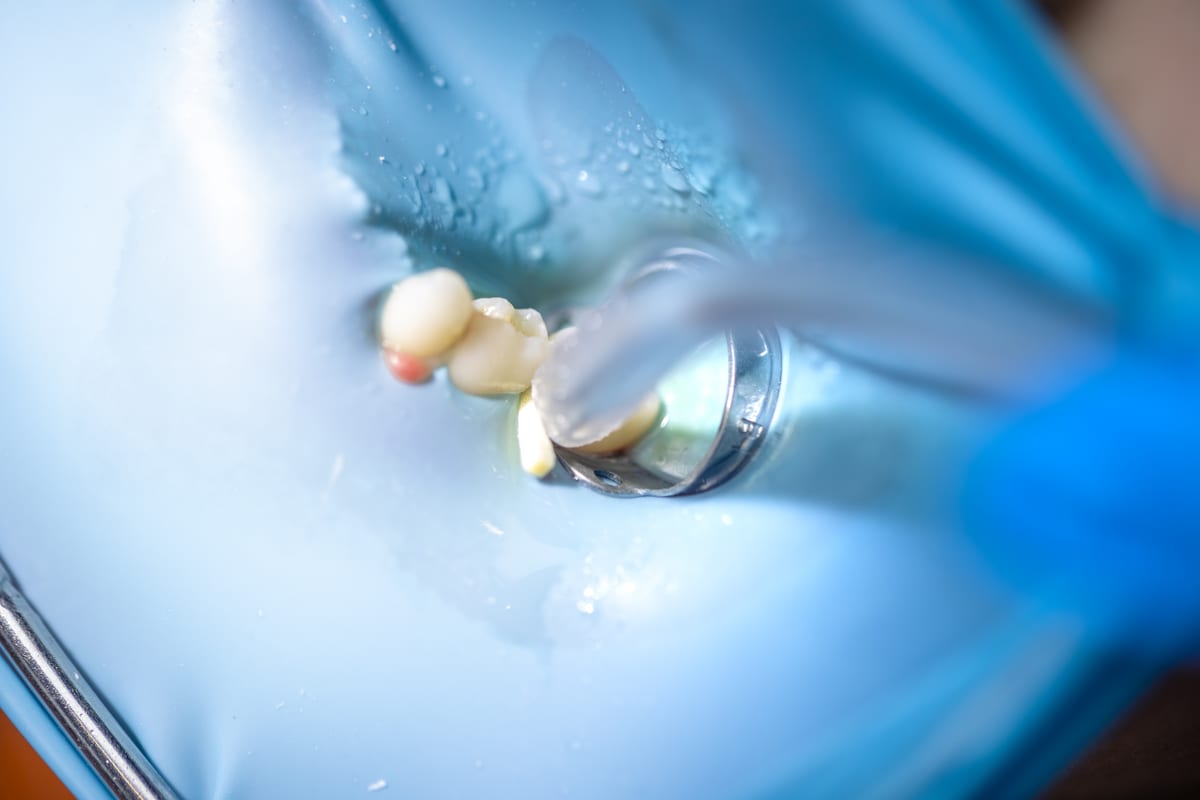
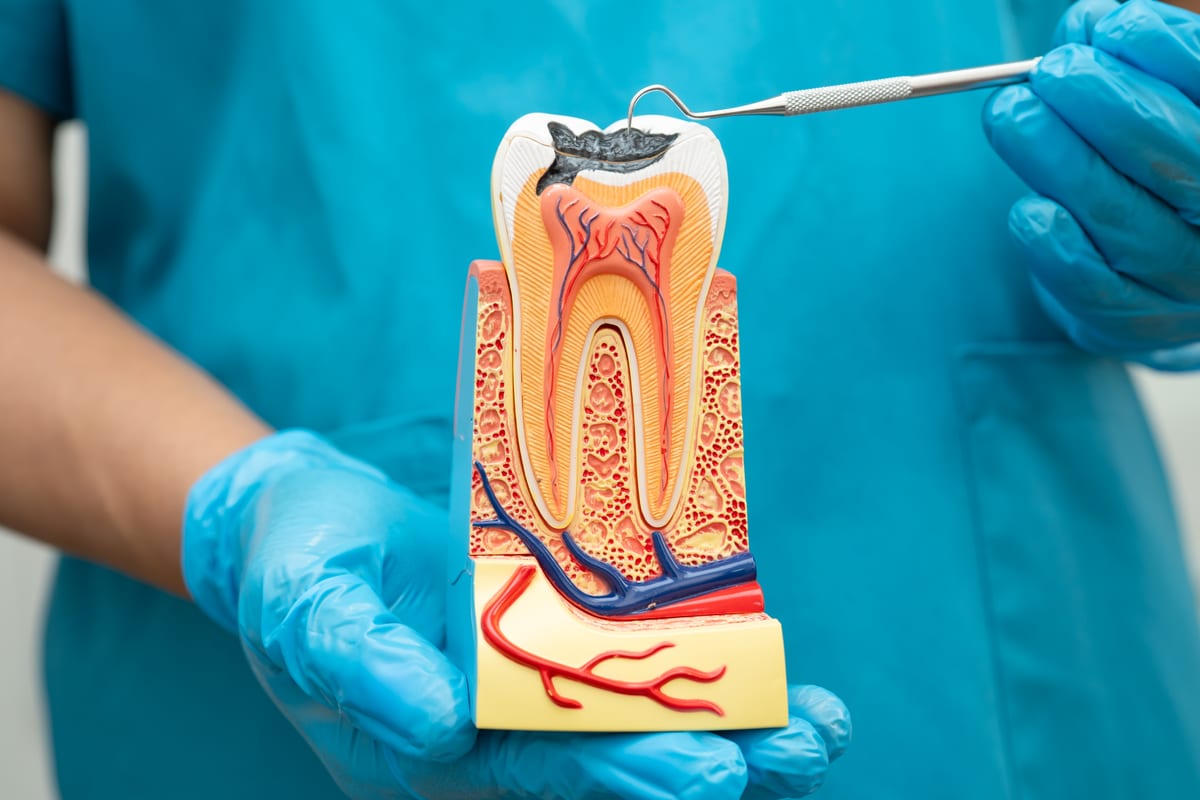
A root canal removes infected tissue while preserving your natural tooth root. That root continues stimulating the jawbone and maintaining facial structure. Patients who keep their natural teeth through root canal therapy often enjoy better oral health outcomes for decades.
Extraction followed by no replacement is the riskiest long-term choice. Even extraction followed by a dental implant carries more complexity than simply preserving the original tooth. Dr. Gibby always evaluates whether saving a tooth is feasible before recommending removal.
When Extraction Is the Right Choice
Root canals are not always the answer. There are specific situations where tooth extraction is the medically appropriate decision. Understanding these scenarios helps patients make informed choices.
Extraction may be necessary when:
- The tooth is severely fractured below the gumline and cannot be restored
- Bone loss around the tooth is too extensive to support a crown
- The infection has spread beyond what root canal therapy can address
- The tooth has already failed a previous root canal and retreatment is not viable
- Overcrowding requires strategic removal for orthodontic treatment
In these cases, extraction followed by a well-planned tooth replacement is the right path. Dr. Gibby takes time to assess each patient’s tooth thoroughly before recommending either option. His goal is always to preserve your natural teeth whenever clinically possible.
Recovery and Comfort: What to Expect from Each Procedure
Recovery is another factor patients often overlook when comparing these two treatments. Both procedures involve some downtime, but the experiences differ significantly.
After a root canal, most patients return to normal activities within one to two days. Mild soreness is common for a few days. Modern techniques make the procedure far more comfortable than most people expect — many patients report it feels similar to getting a filling.
If you have concerns about what the procedure involves, reading about Root Canal Myths Layton can help separate fact from fear. Many anxieties about root canals are based on outdated information.
Extraction recovery varies depending on the complexity of the removal. Simple extractions heal relatively quickly. Surgical extractions — such as removing broken roots — require longer healing and more care. If an implant follows the extraction, patients face multiple appointments and a healing period that can span several months.
Making the Decision with Dr. Stuart Gibby in Layton
No online article can replace a thorough clinical evaluation. The right choice between a root canal and extraction depends on the specific condition of your tooth, your overall oral health, and your long-term goals. Dr. Gibby brings years of specialized endodontic experience to every evaluation at Mountain View Endodontics – Layton.
During your appointment, Dr. Gibby will take detailed X-rays and examine the affected tooth carefully. He will explain your options honestly and walk you through the expected outcomes of each path. His approach is educational and patient-centered — never rushed.
If you are experiencing tooth pain or have been told you need a root canal or extraction, do not wait to seek a professional opinion. Early evaluation often expands your treatment options and reduces long-term costs. Mountain View Endodontics – Layton welcomes patients from across the Layton area seeking expert endodontic care.
Your natural teeth are worth fighting for. When saving a tooth is possible, it is almost always the better financial and health decision over time. Book Now to schedule your appointment with our team.
Frequently Asked Questions
Is a root canal always more expensive than an extraction?
Not when you consider total long-term costs. Extraction alone is cheaper upfront, but tooth replacement with an implant or bridge adds significant expense. Root canal treatment preserves your natural tooth and eliminates the need for costly replacements in most cases.
How long does a root canal last compared to a dental implant?
A properly treated and crowned tooth can last a lifetime with good oral hygiene. Dental implants are also durable, but they require surgery, a healing period, and a larger overall investment. Keeping your natural tooth through root canal therapy is generally the simpler and more cost-effective long-term outcome.
Will I need a crown after my root canal?
In most cases, yes. A dental crown protects the treated tooth from fracture and restores full function. Dr. Gibby will discuss crown placement as part of your complete treatment plan during your evaluation at Mountain View Endodontics – Layton.
How do I know if my tooth can be saved with a root canal?
Only a thorough clinical examination and X-rays can determine this. Dr. Stuart Gibby evaluates the extent of infection, the condition of the tooth structure, and surrounding bone health before making any recommendation. Many teeth that patients believe are beyond saving can actually be treated successfully.
Is root canal treatment painful?
Modern root canal treatment is performed under local anesthesia and is typically no more uncomfortable than a standard filling. Most patients at Mountain View Endodontics – Layton report that the procedure is far more comfortable than they anticipated. Post-procedure soreness is mild and usually resolves within a few days.