

When a tooth hurts badly, patients often face a tough decision. Should you save the tooth with a root canal, or remove it with an extraction? Understanding Root Canal vs. Extraction: Which Saves You Money Long-Term in Pleasant View is more complex than just comparing upfront costs. Dr. Stuart Gibby at Mountain View Endodontics helps patients make informed choices every day. This guide breaks down the real costs, health impacts, and long-term outcomes of both options.
Understanding the True Cost of a Root Canal in Pleasant View
Many patients assume extraction is always cheaper. In the short term, pulling a tooth typically costs less than a root canal. However, the full picture changes dramatically once you factor in what comes next. A missing tooth rarely stays a simple gap for long.
After extraction, most patients need a replacement tooth to restore function and prevent shifting. A Root Canal Treatment Pleasant View saves your natural tooth — and that matters financially. Replacing a missing tooth with a dental implant can cost significantly more than a root canal and crown combined.
Here is a general cost comparison to consider:
- Root canal plus dental crown: moderate combined cost, preserves your natural tooth
- Simple extraction alone: lower upfront cost, but tooth is permanently lost
- Extraction plus dental implant: typically the highest total cost option
- Extraction plus partial denture: lower than implant, but less comfortable long-term
When you add replacement costs, saving your natural tooth almost always wins on value. Skipping replacement is not advisable either — gaps lead to bone loss and shifting teeth over time.
Root Canal vs. Extraction: Long-Term Health Impact Compared
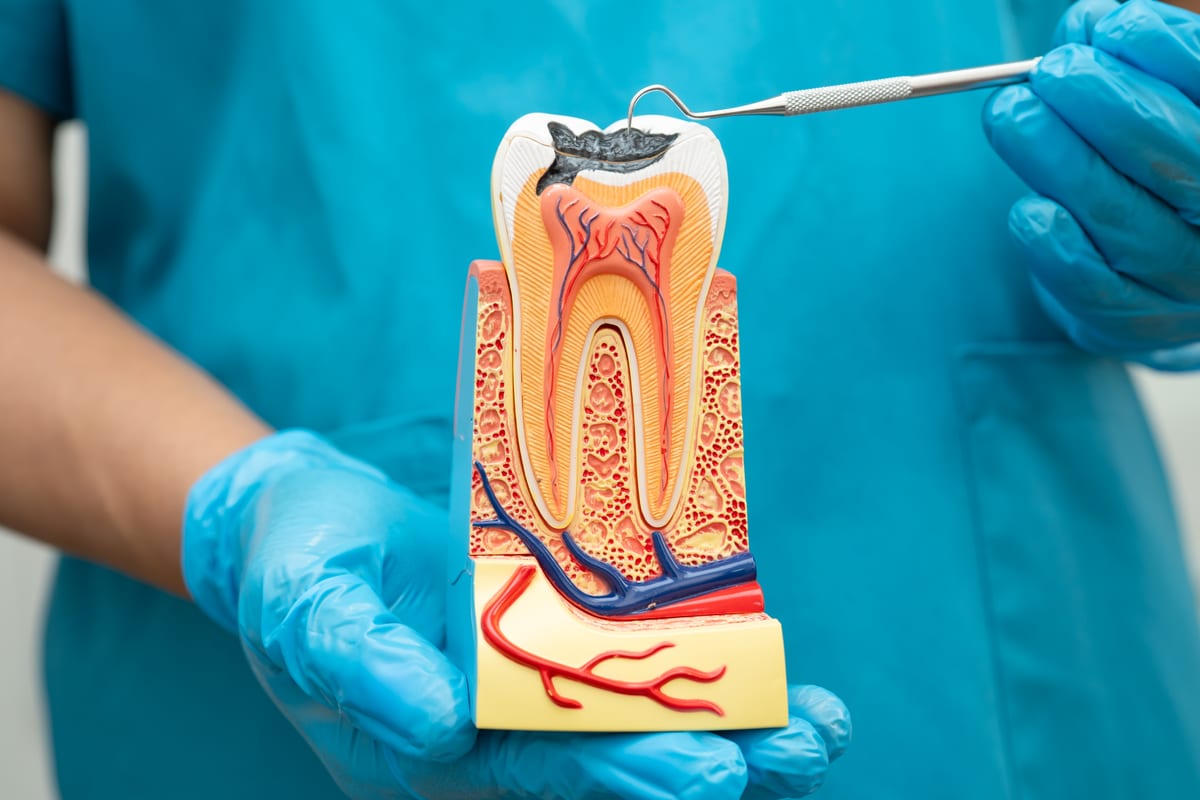
Beyond dollars, your oral health suffers differently depending on which path you choose. Root canals preserve your natural tooth root. That root stimulates the jawbone and keeps it strong. Without it, the bone begins to deteriorate gradually.
Bone loss from a missing tooth can change the shape of your face over years. It can also make placing a dental implant more difficult or costly later. A root canal eliminates that risk entirely by keeping your natural foundation intact.
Extraction also creates gaps that cause neighboring teeth to shift. Shifting teeth lead to bite misalignment, which can cause jaw pain and uneven wear. These secondary problems often require additional dental treatment — adding more cost you did not anticipate.
Many patients also worry about root canal pain. The truth is that modern root canals are far more comfortable than their reputation suggests. Checking out Root Canal Myths Pleasant View can put those fears to rest with accurate, evidence-based information.
When Is Tooth Extraction the Right Choice?
Root canals are not always the appropriate answer. There are specific situations where extraction is genuinely the better option. Dr. Gibby evaluates every case individually to recommend the safest path forward.
Extraction may be recommended when:
- The tooth is severely cracked below the gum line and cannot be restored
- Bone loss around the tooth is too advanced to support a crown
- The tooth has a serious infection that has spread beyond treatment
- Wisdom teeth are impacted and causing alignment problems
- A patient needs orthodontic space created before braces
In these cases, removing the tooth is not a shortcut — it is the clinically correct decision. The goal is always your overall oral health, not preserving a tooth at any cost. Dr. Gibby will always explain why he recommends one option over the other in clear, plain terms.
When extraction is necessary, replacing the missing tooth promptly is critical. Dental implants are the gold-standard replacement. They preserve bone, look natural, and function like real teeth for decades with proper care.
Recovery: What to Expect After Each Procedure
Recovery time is another important factor when comparing these two treatments. Most patients return to normal activities within a day or two after a root canal. Mild soreness is common, but it is easily managed with over-the-counter pain relief.
Extraction recovery typically takes a bit longer. You will need to protect the clot that forms in the socket. Dislodging it causes a painful condition called dry socket. Eating restrictions and activity limits usually last several days.
Root canal patients also avoid the waiting period before tooth replacement. After an extraction, you often wait weeks or months before an implant can be placed. During that time, you manage with a gap or temporary solution. A root canal sidesteps all of that entirely.
Both procedures are performed with local anesthesia. Discomfort during the procedure itself is minimal in both cases. The key difference is what follows — a root canal leads to a restored, functional tooth. An extraction starts a longer journey toward replacement.
Making the Smart Long-Term Decision for Your Smile
The best financial decision is rarely the one with the lowest upfront price tag. When weighing root canal vs. extraction, the long-term costs of replacement, bone loss, and shifting teeth tip the scales toward saving your tooth whenever possible. Patients in Pleasant View, UT who choose root canal treatment often spend less overall — and keep a healthier smile for years longer.
That said, every case is different. Dr. Stuart Gibby at Mountain View Endodontics – Pleasant View takes time to examine your specific situation. He explains your options honestly and helps you choose the path that fits your health goals. You deserve clear answers, not pressure.
If you are facing this decision right now, do not wait. Early treatment almost always leads to better outcomes and lower total costs. Book Now to schedule your appointment with our team.
Frequently Asked Questions
Is a root canal always more expensive than an extraction upfront?
Not always, but root canals plus a crown do typically cost more upfront than a simple extraction. However, when you include the cost of replacing the missing tooth — especially with a dental implant — extraction usually ends up costing more overall. Saving your natural tooth is often the smarter financial choice long-term.
How long does a root canal last compared to a dental implant?
A properly treated and crowned tooth can last a lifetime with good oral hygiene. Dental implants are also long-lasting, but they require a surgical procedure and a longer, more expensive process to complete. Preserving your natural tooth through a root canal avoids surgery and typically provides equally durable results.
Does a root canal hurt more than a tooth extraction?
Both procedures use local anesthesia, so discomfort during treatment is minimal for most patients. Root canals have a reputation for pain, but that reputation is outdated. Many patients report that a root canal feels similar to getting a filling. Post-procedure soreness is manageable with standard over-the-counter pain relievers.
What happens if I do not replace an extracted tooth?
Leaving a gap after extraction leads to jawbone deterioration over time. Neighboring teeth also shift toward the empty space, which can cause bite problems and additional dental issues. These changes can become costly to correct later. Prompt replacement with an implant or other restoration protects your overall oral health.
How do I know which option is right for my tooth?
Only a dental professional can make that determination after a thorough examination and X-rays. Dr. Stuart Gibby at Mountain View Endodontics – Pleasant View evaluates the extent of damage, infection, and bone support around your tooth before making any recommendation. He will walk you through your options so you can make a confident, informed decision.