

If your tooth hurts when you bite down, chew food, or release pressure, it may be a sign of a cracked tooth, inflammation inside the tooth, or an infection near the root. While some causes are minor, persistent pain deserves an evaluation by an endodontist, a dental specialist who diagnoses and treats problems affecting the inner tooth and surrounding tissues. At Mountain View Endodontics in Pleasant View, patients can receive a focused evaluation to identify the source of discomfort and determine whether endodontic treatment is needed to preserve the natural tooth.
Why Does Your Tooth Hurt When You Bite Down?
Pain during chewing can develop for several reasons. Identifying the underlying cause is important because the right treatment depends on the condition affecting your tooth.
1. A Cracked or Fractured Tooth
A tooth can develop a crack from biting hard foods, grinding your teeth, an injury, or years of normal wear. You might notice sharp pain when chewing or discomfort that comes and goes, especially when you release your bite.
Not every crack is visible during a routine dental examination. Our trusted endodontist in Pleasant View uses specialized testing and imaging, when appropriate, to assess the tooth and determine whether the crack affects its inner tissues.
2. Inflammation or Infection Inside the Tooth
The pulp is the soft tissue inside your tooth that contains nerves and blood vessels. Deep decay, repeated dental procedures, or a crack can damage this tissue and cause inflammation or infection.
As the problem progresses, pressure around the root may make biting uncomfortable. You may also experience lingering sensitivity to hot or cold temperatures, spontaneous toothaches, or swelling near the affected area.
3. An Infection Around the Root
When bacteria reach the pulp, infection can spread into the tissues surrounding the root. This may cause tenderness when chewing, swelling, or a feeling that the tooth sits higher than the surrounding teeth.
A dental abscess requires prompt professional attention. Facial swelling, fever, or difficulty swallowing can indicate a more serious infection and require urgent care.
4. Problems With a Filling or Crown
A loose or damaged filling, a worn crown, or a restoration that interferes with your bite can also cause discomfort. Sometimes, the tooth itself has developed an underlying problem that needs further investigation.
A thorough examination helps determine whether the issue involves the restoration, the way your teeth meet, or damage inside the tooth.
When Should You See an Endodontist?
Occasional discomfort does not always indicate a serious dental problem, but certain symptoms should not be ignored. Consider arranging an evaluation if you experience:
- Sharp pain when biting or chewing food.
- Discomfort when releasing pressure on a tooth.
- Tooth pain that returns repeatedly or becomes more intense.
- Sensitivity to hot or cold that lingers after the trigger is removed.
- Swelling, tenderness, or a pimple-like bump near the gums.
- Pain in a previously treated tooth.
An endodontist has advanced training in diagnosing tooth pain and treating conditions involving the dental pulp and root. Seeking an evaluation early may help identify problems before additional damage occurs.
What Happens During an Endodontic Evaluation?
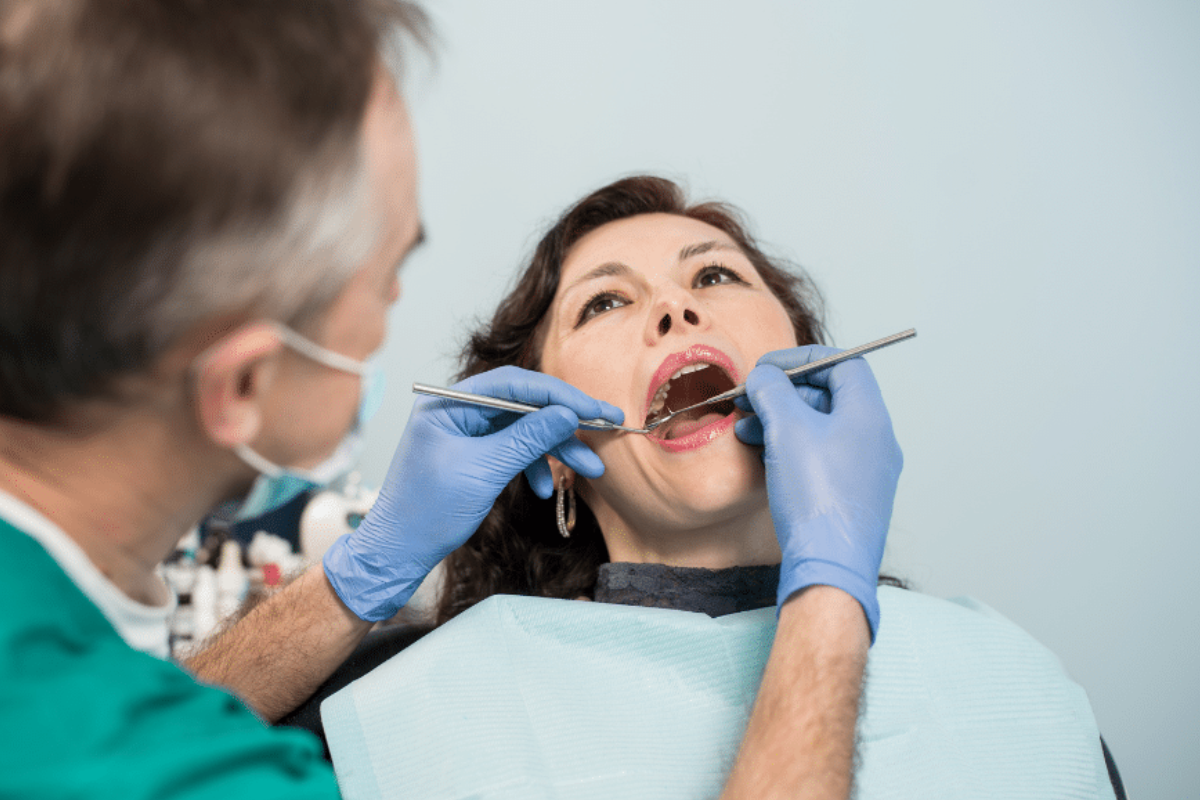
At Mountain View Endodontics in Pleasant View, an evaluation typically begins with a discussion of your symptoms, including when the pain started and what makes it worse. The specialist may examine the tooth, assess your bite, check your response to temperature or other tests, and use dental X-rays to look for signs of damage or infection. Additional imaging may be appropriate when the diagnosis remains unclear.
These findings help determine whether the pain comes from a crack, pulp inflammation, an infection, or another dental condition. Not every painful tooth requires root canal therapy. Some problems may be managed with restorative treatment or bite adjustments, depending on the diagnosis.
Can Endodontic Treatment Save the Tooth?
When the pulp is irreversibly inflamed or infected, root canal therapy may help preserve the natural tooth. During this procedure, the damaged pulp is removed, the inside of the tooth is cleaned and disinfected, and the root canals are sealed. Afterward, the tooth may need a permanent restoration, such as a crown, to protect it from further damage. The exact recommendation depends on the tooth’s location, the extent of the damage, and how much healthy structure remains.
If a crack extends too far below the gumline or the tooth is severely damaged, saving it may not be possible. An accurate diagnosis helps clarify which options are appropriate for your situation.
Protect Your Teeth From Further Damage
While waiting for your appointment, avoid chewing hard or sticky foods on the painful side. Choose softer foods, maintain gentle oral hygiene, and avoid testing the tooth repeatedly by biting down. Do not place aspirin directly on the tooth or gums, as this can damage the tissue. Pain relief measures may temporarily reduce discomfort, but they will not correct an underlying crack or infection. If you have swelling, fever, or worsening pain, seek prompt dental care rather than waiting for symptoms to resolve on their own.
Conclusion: Don’t Ignore Pain When Chewing
Pain when biting down is a symptom worth investigating, especially when it persists, returns frequently, or occurs alongside swelling or temperature sensitivity. A cracked tooth, damaged pulp, or infection can become more difficult to manage without timely care. An appropriate evaluation helps identify the cause and determine whether the tooth can be preserved. Understanding the source of your discomfort is the first step toward protecting your long-term oral health. Early diagnosis can also help prevent avoidable complications and guide you toward the most suitable treatment.
If chewing has become uncomfortable or a particular tooth hurts whenever you bite down, contact Mountain View Endodontics in Pleasant View to arrange an evaluation. A specialist can assess your symptoms, explain the findings, and discuss appropriate treatment options to help protect your natural tooth.