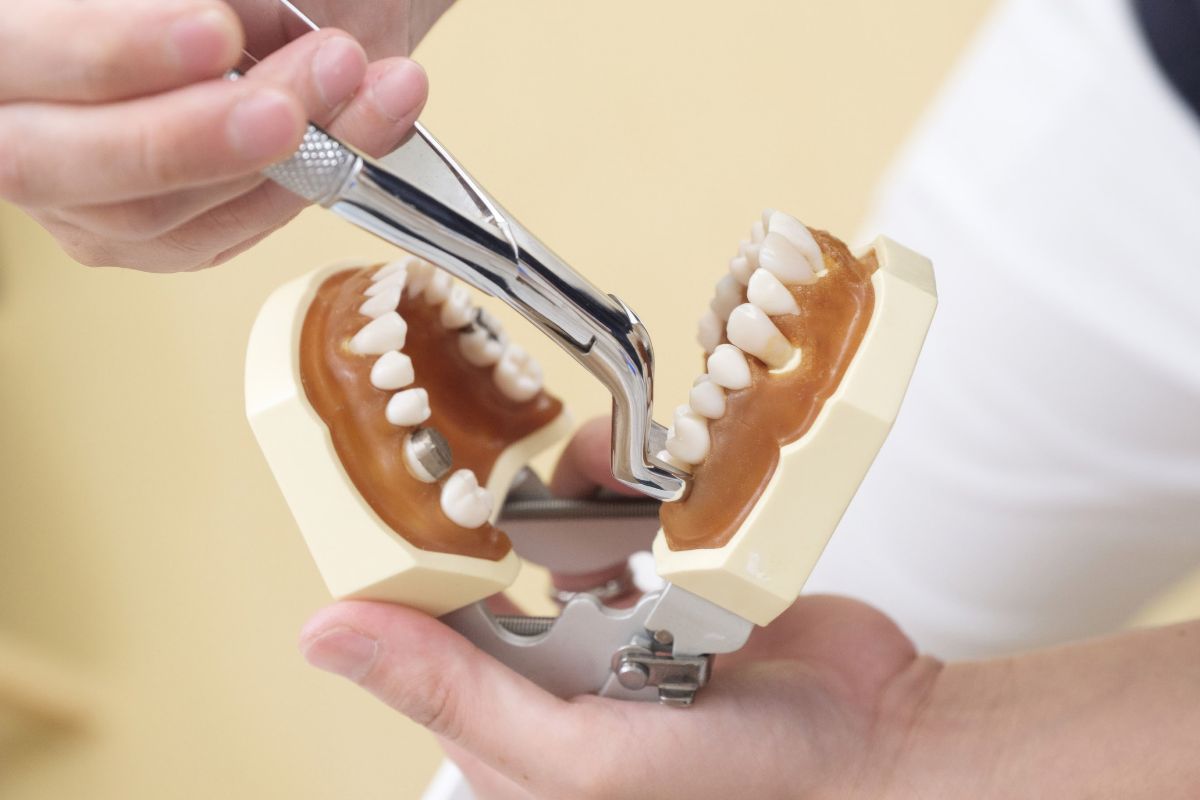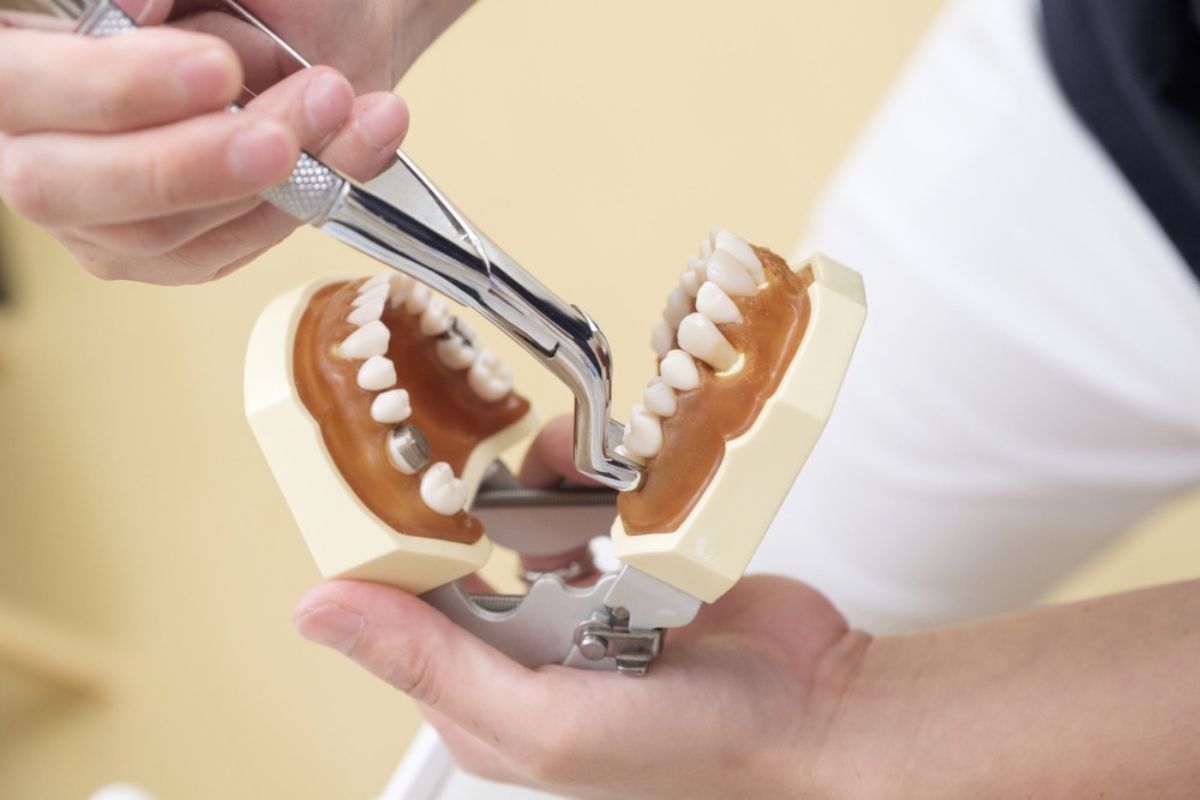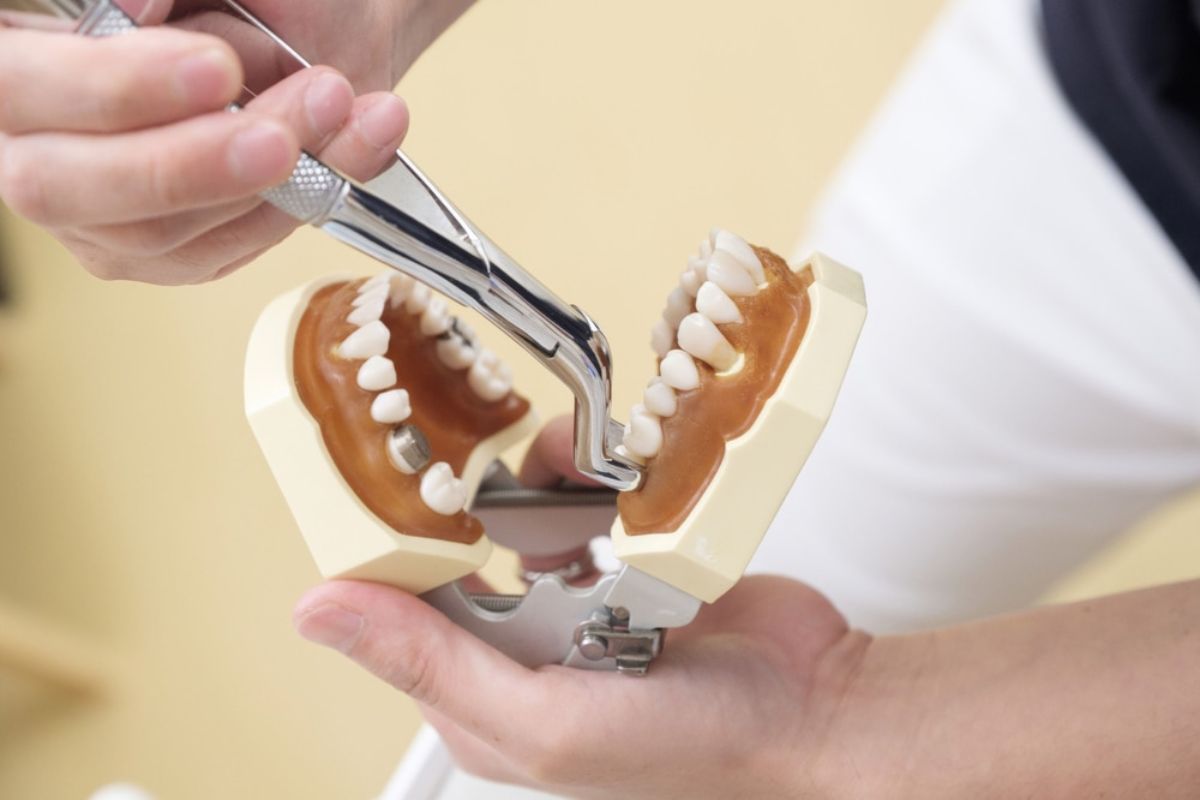



The main difference between a simple and surgical tooth extraction is how the tooth is removed. A simple extraction is performed when the tooth is visible above the gumline and can be removed with dental instruments without making an incision. A surgical extraction is necessary when a tooth is broken, impacted, or trapped beneath the gums or bone, requiring a small incision to access and remove it. Understanding these differences can help you know what to expect if your dentist recommends a tooth extraction in Pleasant View.
Although both procedures aim to remove a tooth safely, the approach, complexity, and recovery process can vary depending on the tooth’s condition and position.
What Is a Simple Tooth Extraction?
A simple extraction is a common dental procedure used to remove a tooth that has fully erupted and is accessible above the gumline. Since the tooth is visible and can be reached easily, the dentist can loosen it using specialized instruments and gently remove it from its socket.
Before the procedure, local anesthesia is administered to numb the area and prevent pain during treatment. Once the tooth is sufficiently loosened, the dentist carefully removes it.
A simple extraction may be recommended when:
- A tooth is severely decayed and cannot be restored with a filling or crown.
- A tooth is loose due to advanced gum disease.
- An infection has damaged the tooth beyond repair.
- A damaged or fractured tooth remains accessible above the gumline.
- A tooth needs to be removed to support an overall dental treatment plan.
Most simple extractions are completed relatively quickly, although the time required depends on the tooth’s location and condition.
What Is a Surgical Tooth Extraction?
A surgical extraction is a more involved procedure used when a tooth cannot be removed easily through a simple extraction. This often happens when the tooth is partially erupted, broken at the gumline, impacted, or positioned beneath the surrounding gum tissue or bone.
During the procedure, the dentist or oral surgeon makes a small incision in the gum to access the tooth. In some cases, a small amount of surrounding bone may need to be removed. The tooth may also be divided into smaller sections to make removal easier and reduce unnecessary pressure on nearby structures.
Surgical extraction may be necessary when:
- A tooth is impacted beneath the gums.
- A tooth has broken below the gumline.
- Only the roots of a damaged tooth remain.
- A tooth is positioned at an unusual angle.
- The surrounding bone or gum tissue prevents straightforward removal.
Depending on the complexity of the procedure, stitches may be needed to help the gum tissue heal properly.
Simple vs. Surgical Tooth Extraction: Key Differences
While both procedures remove teeth that cannot be preserved, they differ in several important ways.
| Factor | Simple Extraction | Surgical Extraction |
|---|---|---|
| Tooth position | Visible above the gums | Partially or completely beneath the gums |
| Procedure | Tooth is loosened and removed | Gum incision may be required |
| Bone removal | Generally not needed | Sometimes necessary |
| Tooth condition | Usually accessible and intact enough to remove | May be broken, impacted, or difficult to access |
| Stitches | Usually not required | May be required |
| Recovery | Often more straightforward | May involve additional swelling and healing time |
The recommended approach depends on the tooth’s condition rather than simply how much discomfort it causes.
Does Surgical Extraction Take Longer to Heal?
In many cases, surgical extraction requires more healing time than a simple extraction because the procedure may involve the surrounding gum tissue and bone. After a simple extraction, mild soreness and tenderness are common for a few days. Surgical extraction may cause more noticeable swelling, bruising, or jaw stiffness, particularly during the first 48 to 72 hours. Regardless of the procedure, following aftercare instructions is important.
Some helpful recovery practices include:
- Avoiding vigorous rinsing, spitting, or drinking through a straw during the initial healing period.
- Eating soft foods and avoiding hard or crunchy items near the extraction site.
- Keeping the extraction area clean according to your dentist’s instructions.
- Avoiding smoking, as it can interfere with healing.
- Taking prescribed or recommended medications as directed.
Contact your dental provider if you experience worsening pain, persistent bleeding, fever, or increasing swelling after the procedure.
How Does a Dentist Decide Which Extraction Is Needed?
The decision between a simple and surgical extraction depends on several factors, including the tooth’s position, root structure, surrounding bone, and extent of damage. A dental examination and X-rays help determine whether the tooth can be removed without accessing the gum tissue. Imaging also allows the provider to evaluate the roots and identify nearby anatomical structures that may affect the procedure.
For patients considering dental extraction in Pleasant View, a proper evaluation is especially important when a tooth is severely damaged or has an infection that may affect surrounding tissues. In some situations, an endodontist may also evaluate whether the tooth can be saved through root canal treatment rather than removed. Preserving a natural tooth is generally preferred when it can be restored successfully.
Conclusion
Simple and surgical extractions serve the same purpose, but they address different dental conditions. A simple extraction is suitable for accessible teeth that can be removed without surgery, while a surgical approach is needed when a tooth is impacted, broken below the gumline, or difficult to reach. The right procedure depends on the tooth’s structure, position, and overall condition. Recognizing the differences can help you feel more prepared and understand why a particular treatment is recommended. Timely evaluation can also prevent problems associated with leaving a severely damaged or infected tooth untreated. If you have a damaged tooth, persistent tooth pain, or have been advised to consider an extraction, getting a professional evaluation is an important first step.
Mountain View Endodontics serves patients in Pleasant View and surrounding communities, helping them understand their treatment options and determine whether a tooth can be preserved or needs removal. Contact Mountain View Endodontics to schedule an evaluation and discuss the most appropriate treatment for your dental needs.