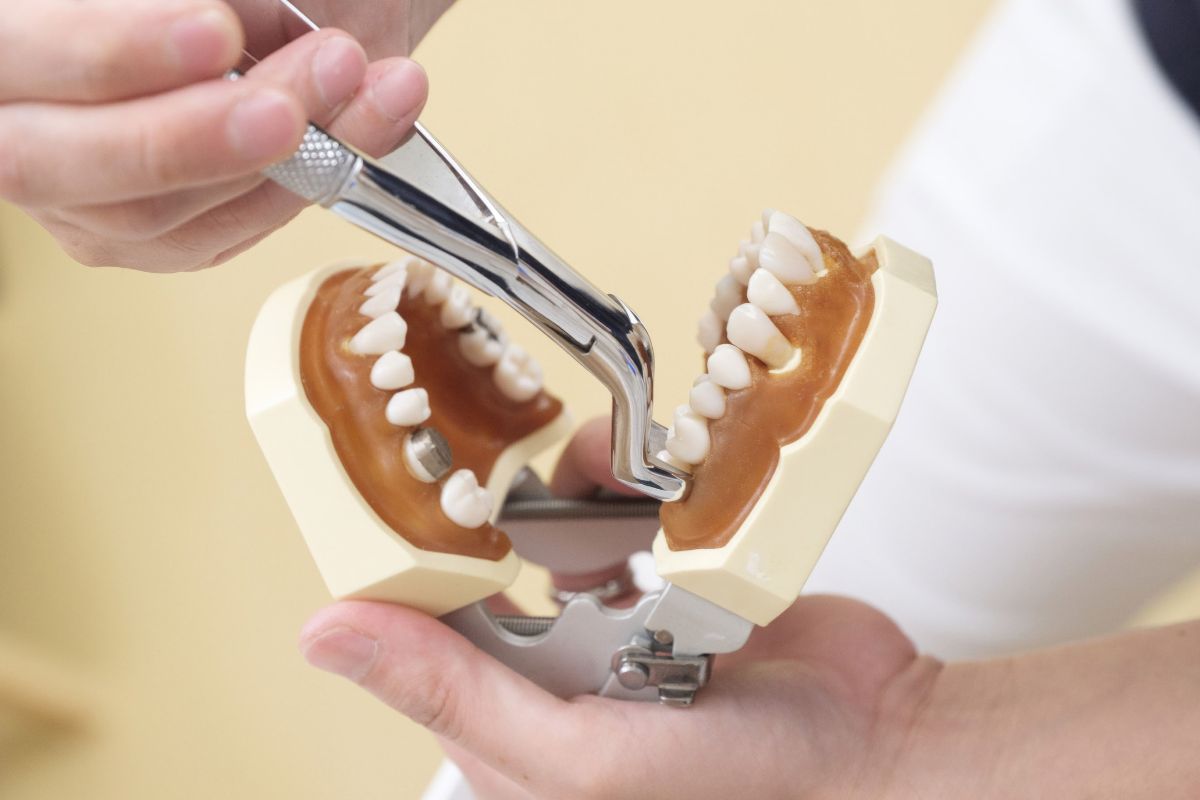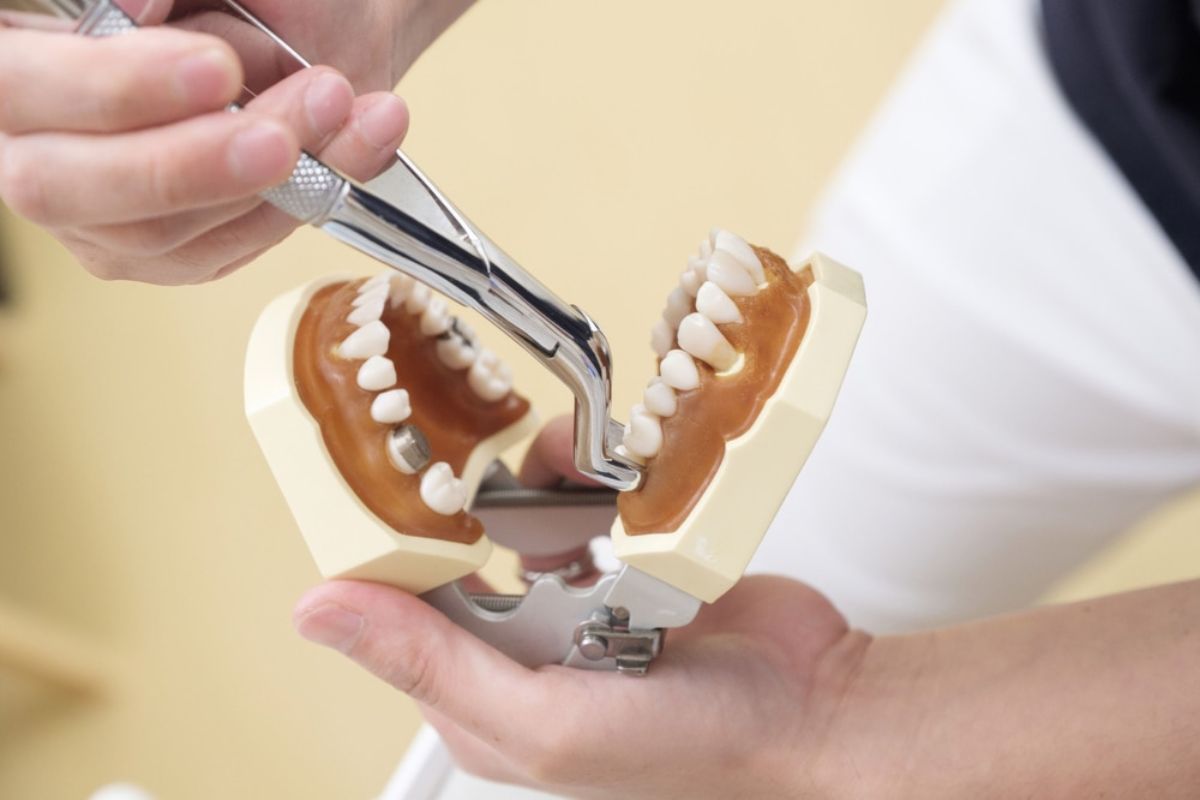


Losing a tooth, especially a molar, can be a concerning experience. It’s natural to wonder about the possibility of regrowth. After all, many creatures in the animal kingdom, from sharks to alligators, can regenerate their teeth. So, when a molar is extracted, can you expect it to grow back? Let’s delve into the science and separate fact from fiction.
The Human Dental Cycle: A One-Time Deal (Mostly)
For humans, our dental journey is generally a two-phase process. We start with our “baby” or primary teeth, which erupt during childhood. These are then naturally replaced by our permanent or adult teeth. This transition is a remarkable feat of natural design, but once a permanent tooth, particularly a molar, is lost, the body typically doesn’t have a mechanism to regrow a third set.
Molar teeth are crucial for chewing and grinding food. We usually have three sets of molars in each quadrant of our mouth: first, second, and third molars (wisdom teeth). Once a permanent molar is extracted, the socket where it once resided will heal, but a new tooth will not emerge from that site.
Why Humans Don’t Regenerate Permanent Teeth
The reasons behind our inability to regrow permanent teeth are complex and rooted in our evolutionary biology. Unlike animals with continuous tooth regeneration, humans have evolved with a more limited dental capacity. Our bodies prioritize different forms of repair and regeneration.
The specialized cells responsible for tooth formation, called odontoblasts, are highly active during tooth development in childhood. While these cells remain in the pulp of adult teeth, their regenerative capacity after a tooth is fully formed and extracted is extremely limited. The intricate interplay of genetic programming, stem cell activity, and environmental factors that govern tooth development doesn’t typically reactivate to produce an entirely new tooth in an adult human.
The Exception: Wisdom Teeth (Sometimes)
While the general rule is no regrowth for extracted permanent molars, there’s a slight nuance when it comes to wisdom teeth (third molars). Sometimes, an individual might have impacted wisdom teeth that are extracted, only for another wisdom tooth bud to emerge later. This isn’t true “regrowth” of the same extracted tooth, but rather the eruption of a previously dormant or late-developing wisdom tooth. This is a rare occurrence and not something to expect after a typical molar extraction.
What Happens After a Molar Extraction?
Once a molar is extracted, your dentist will provide instructions for proper care to ensure the extraction site heals correctly. This typically involves managing pain, preventing infection, and promoting blood clot formation in the socket. Over time, the gum tissue will heal over the area, and the bone underneath will remodel. If you’re considering tooth extraction in Layton, our experienced team can guide you through the process.
The Importance of Replacing Missing Molars
Since a molar won’t grow back, it’s crucial to consider replacement options. A missing molar can lead to several problems, including:
- Shifting of adjacent teeth: The teeth next to the gap can drift, affecting your bite.
- Opposing tooth over-eruption: The molar in the opposing jaw might grow longer as it loses its counterpart to bite against.
- Difficulty chewing: This can impact your diet and digestion.
- Bone loss: The jawbone in the area of the missing tooth can start to resorb due to a lack of stimulation.
Fortunately, modern dentistry offers excellent solutions for replacing missing molars:
- Dental Implants: Considered the gold standard, implants are surgically placed artificial tooth roots that fuse with your jawbone, providing a stable foundation for a crown.
- Dental Bridges: These involve using the adjacent teeth as anchors to support an artificial tooth that bridges the gap.
- Partial Dentures: Removable appliances that replace one or more missing teeth.
The Future of Tooth Regeneration: A Glimmer of Hope?
While natural regrowth of molars isn’t currently possible, scientific research is actively exploring the potential for tooth regeneration. Scientists are investigating stem cell therapies, biomaterials, and genetic engineering to determine if it is possible to one day coax the human body into growing new teeth. These advancements are still in the experimental stages and are likely years away from clinical application.
Conclusion
For now, the definitive answer to “Can a molar tooth grow back after extraction?” is no. Once a permanent molar is removed, it’s gone for good. This underscores the importance of maintaining excellent oral hygiene to preserve your natural teeth. Should you experience a molar extraction, discuss the various replacement options with your dentist to ensure the long-term health and functionality of your bite. Prevention and timely intervention remain your best allies in maintaining a healthy, complete smile. Don’t hesitate to visit our dental office for a consultation or book an appointment to discuss your dental health needs.