


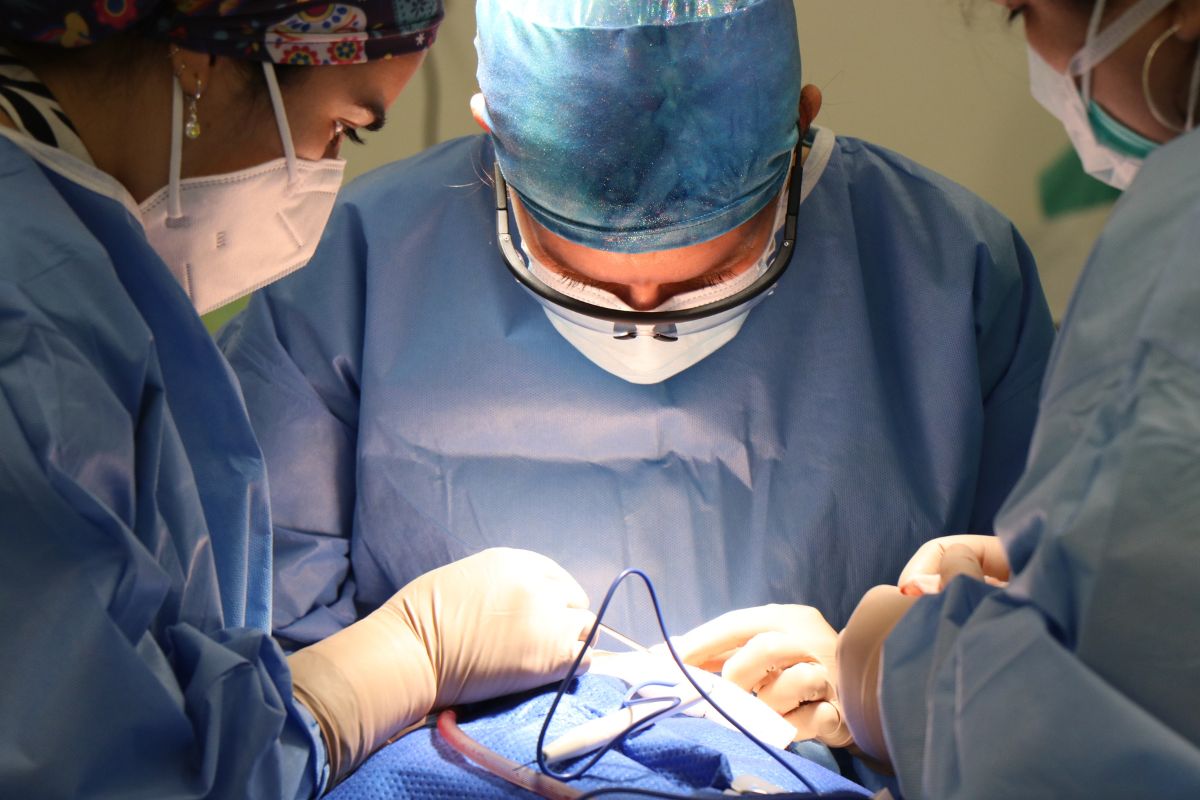
Sometimes, even the best dental care can’t prevent the need for a root canal. While root canals are often effective, there are situations where additional treatment is necessary. This is where the expertise of our endodontists at Mountain View Endodontics, serving Layton and Pleasant View, UT, comes in. We understand the importance of preserving your natural teeth whenever possible. Endodontic surgery, a specialized approach to addressing complex issues within the tooth root and surrounding bone, is one of our areas of expertise.
Understanding Endodontic Surgery:
Endodontic surgery, also known as apicoectomy or root-end resection, is a specialized surgical procedure performed by an endodontist (a dentist with advanced training in root canal treatment). This procedure focuses on the very tip (apex) of the tooth root and the surrounding bone tissue.
Reasons for Endodontic Surgery:
Several reasons might necessitate endodontic surgery:
- Persistent Infection: If a root canal doesn’t resolve an infection in the tooth or surrounding bone, surgery may be necessary to remove the infected tissue.
- Fractured Root: In some cases, a cracked or fractured tooth root can’t be adequately treated with a traditional root canal. Endodontic surgery can address the fracture and attempt to save the tooth.
- Calcification: Severe calcification within the root canals can sometimes prevent thorough cleaning during a root canal. Surgery may be needed to access and remove the calcified material.
- Anatomical Abnormalities: Some teeth have complex root structures with narrow canals or additional canals that can’t be reached with conventional techniques. Endodontic surgery can provide better access for cleaning and disinfection.
Types of Endodontic Surgery:
While apicoectomy is the most common type of endodontic surgery, other procedures might be used depending on the situation. These include retrograde filling, which involves sealing the root canal from the bottom up, and root resection, which is performed when a significant portion of the root is damaged or infected. Here’s a breakdown of some common variations:
- Apicoectomy: This is the most frequently performed endodontic surgery. During an apicoectomy, a small incision is made in the gum tissue to access the infected bone and the tip of the tooth root. The infected tissue is removed, along with a small portion of the root tip. The remaining root surface is then sealed to prevent further infection.
- Retrograde Filling: In some cases, the root canal cannot be adequately sealed through the crown of the tooth. Retrograde filling involves accessing the canal system through the surgical opening created during the apicoectomy and placing a filling material from the bottom up.
- Root Resection: If a significant portion of the root is damaged or infected, a root resection might be necessary. This procedure involves removing a portion of the root along with the infected tissue. The remaining tooth structure is then evaluated to determine if it can be restored and function properly.
What to Expect During Endodontic Surgery in Layton & Pleasant View:
Endodontic surgery is typically performed under local anesthesia, ensuring you remain comfortable throughout the procedure. The specific details will vary depending on the complexity of the case, but here’s a general overview:
- Consultation and Evaluation: During your initial consultation, the endodontist will thoroughly examine your tooth and review your X-rays to determine if endodontic surgery is the best course of action. They will discuss the procedure details, potential risks, and benefits and answer any questions you might have.
- Surgical Procedure: On the day of surgery, the endodontist will numb the area around the tooth. They will make a small incision in the gum tissue to access the root and surrounding bone. The infected tissue and a small portion of the root tip (if necessary) will be removed. The remaining root surface will be cleaned and disinfected. Depending on the specific procedure, a filling might be placed, and the surgical site will be sutured closed.
Recovery: Following surgery, you can expect some discomfort and swelling, but rest assured, your endodontist will provide specific instructions on pain management, wound care, and dietary restrictions. Most patients recover within a few days, with complete healing taking several weeks.
Benefits of Endodontic Surgery:
Endodontic surgery offers several advantages:
- Saves Your Natural Tooth: By removing the infected tissue and preserving the healthy tooth structure, endodontic surgery allows you to keep your natural tooth. Natural teeth are generally stronger and more functional than replacement options like implants or bridges.
- Reduces Pain and Discomfort: By addressing the source of the infection, endodontic surgery can significantly reduce pain and discomfort associated with a problematic tooth.
- Improves Long-Term Outcomes: Endodontic surgery can provide a long-lasting solution for complex dental problems. With proper care, a tooth treated with endodontic surgery can function normally for many years.
Schedule a Consultation with Mountain View Endodontics:
At Mountain View Endodontics, we are committed to providing compassionate and specialized care for patients in Layton and Pleasant View, UT. Our team of experienced endodontists utilizes the latest technology and techniques to ensure optimal outcomes. If you’re experiencing persistent tooth pain or have been told you might need endodontic surgery, schedule a consultation today. We will thoroughly examine your tooth, discuss your treatment options, and answer any questions you might have. Together, we can determine if endodontic surgery is the right solution to preserve your smile and oral health.