

Tooth extractions are a common dental procedure performed for various reasons, including impacted wisdom teeth, severe decay, or periodontal disease. While routine extractions are typically uneventful, a potential complication known as alveolar osteitis, or dry socket, can arise. Here at Mountain View Endodontics, in both Layton and Pleasant View, UT, we understand the importance of recognizing the signs of alveolar osteitis and seeking timely dental care.
Understanding Alveolar Osteitis/Dry Socket:
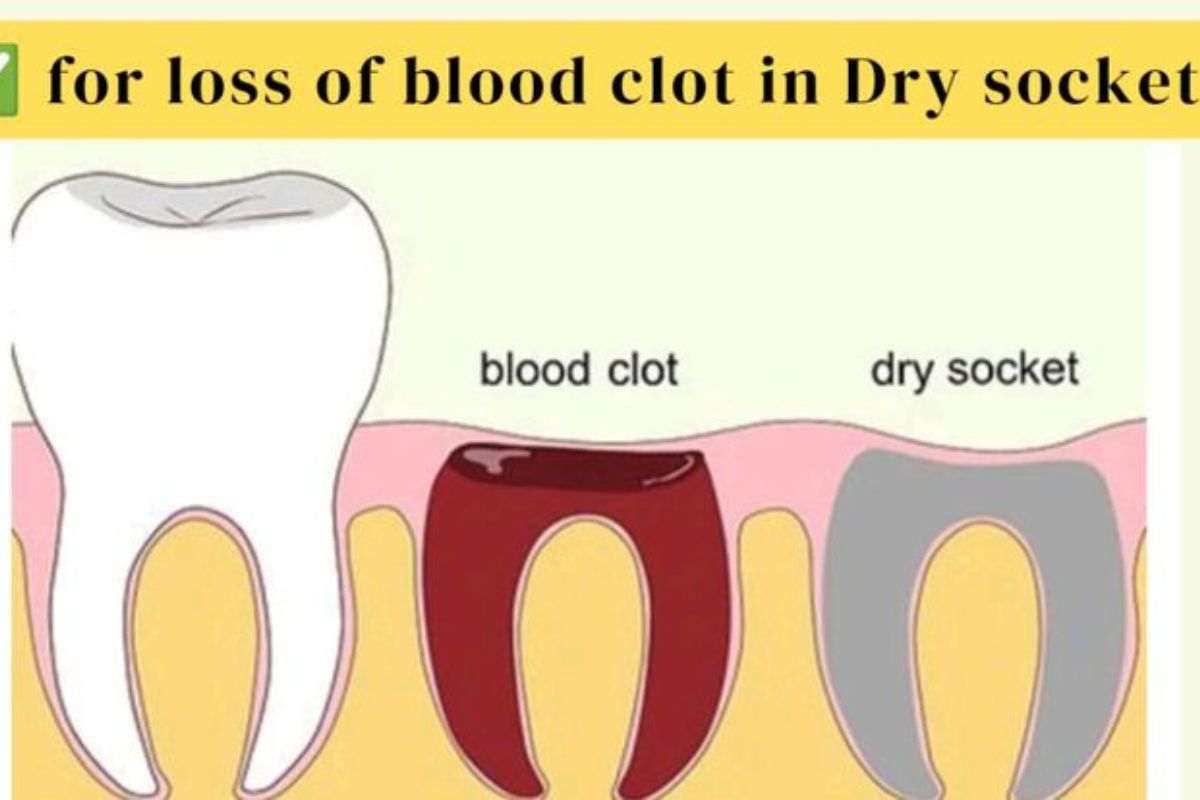
Mountain View Endodontics, with our extensive experience and expertise, is here to Explain. After a tooth extraction, a blood clot naturally forms in the socket (the empty hole where the tooth was) to promote healing. Alveolar osteitis occurs when this blood clot fails to form properly or dislodges prematurely. This exposes the underlying bone and nerve endings, leading to significant pain and discomfort.
Recognizing Alveolar Osteitis Symptoms with Emergency Dentist
Here are some key signs of alveolar osteitis to watch for following a tooth removal:
- Intense Pain: The most common symptom is a throbbing, pulsating pain in the extraction site, typically starting 2-3 days after the procedure and worsening over time.
- Exposed Bone: You might be able to see a portion of the white bone in the socket visually.
- Bad Breath (Halitosis): Due to the breakdown of tissues in the socket, unpleasant breath is a common occurrence.
- Unpleasant Taste: A foul or metallic taste in your mouth can accompany alveolar osteitis.
- Swelling: While mild swelling is expected after an extraction, excessive swelling around the extraction site might indicate alveolar osteitis.
When to Seek Emergency Dental Care
If you experience any of the symptoms listed above following a tooth removal, it’s crucial to seek prompt dental care. Here at Mountain View Endodontics, in both Layton and Pleasant View, UT, we consider alveolar osteitis a dental emergency for several reasons:
- Pain Management: Alveolar osteitis can cause significant pain and discomfort, impacting your daily life. Our experienced dentists at Mountain View Endodontics can provide effective pain-relief measures
- Infection Prevention: The exposed bone in a case of alveolar osteitis is susceptible to infection. Early intervention can prevent the infection from spreading.
- Promoting Healing: Prompt treatment by our emergency dental team can help expedite the healing process and minimize complications.
Beyond Recognizing a Dental Emergency
While early diagnosis and treatment are essential for alveolar osteitis, here are some additional points to keep in mind:
- Prevention is Key: Following your dentist’s post-extraction instructions diligently can significantly reduce the risk of alveolar osteitis. This includes maintaining proper oral hygiene, avoiding vigorous rinsing, and using gauze pads as directed.
- Treatment Options: At our emergency dental care in Layton and Pleasant View, UT, we offer various treatment options for alveolar osteitis, including cleaning the socket, applying medicated dressings, and potentially prescribing antibiotics to prevent infection.
- Follow-Up Care: Following treatment for alveolar osteitis, our team at Mountain View Endodontics will likely schedule follow-up appointments to monitor your healing progress.
Whether you’re experiencing a potential case of alveolar osteitis or require general dental care, Mountain View Endodontics, in both Layton and Pleasant View, UT, is here for you. We are committed to providing timely dental intervention to address issues like alveolar osteitis and maintain optimal oral health.
Schedule an Appointment Today!
If you suspect alveolar osteitis or experience any post-extraction concerns, don’t hesitate to contact us immediately. Our team of experienced emergency dentists is dedicated to providing prompt, compassionate care and ensuring your dental well-being.
Together, let’s navigate your oral health journey!