


If you are deciding between tooth replacement options, dental implants are often preferred because they replace the entire tooth structure, protect jawbone health, and function like natural teeth. Unlike traditional bridges, they do not rely on neighboring teeth for support and they are designed for long term stability. Many patients who explore implant dentistry choose this option because it offers durability, comfort, and better oral health over time.
Patients looking for lasting solutions for missing teeth often compare implants and bridges. Understanding how each option works and how they affect your long term oral health can help you make the right decision.
Understanding the Difference Between Implants and Bridges
A dental bridge fills the gap left by a missing tooth by attaching an artificial tooth to crowns placed on the adjacent teeth. These neighboring teeth must be reshaped to hold the bridge in place.
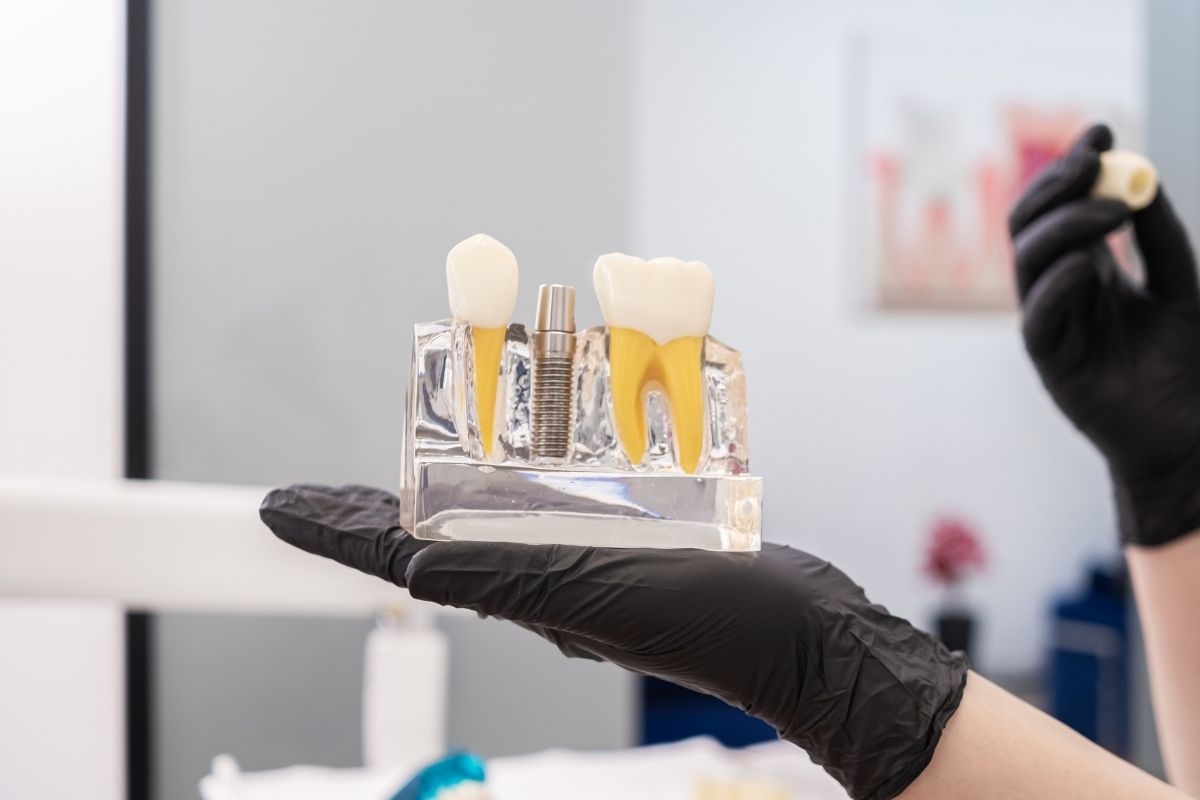
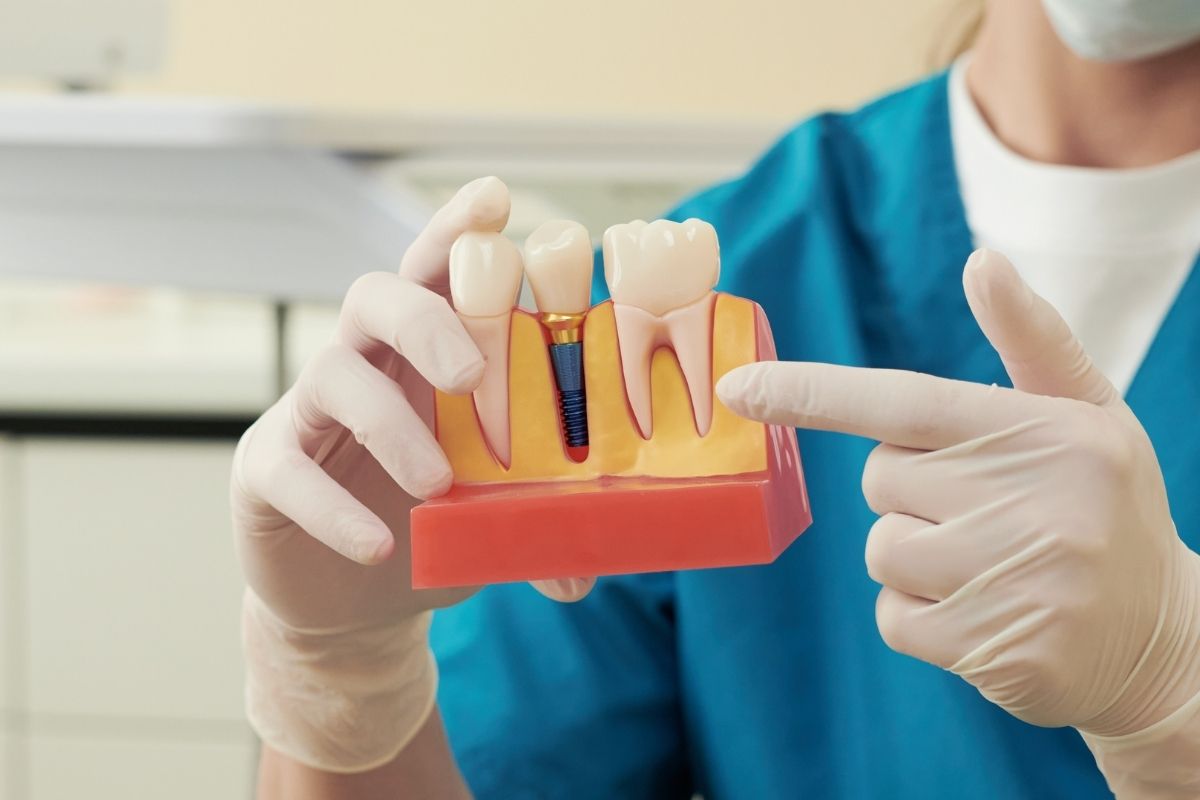
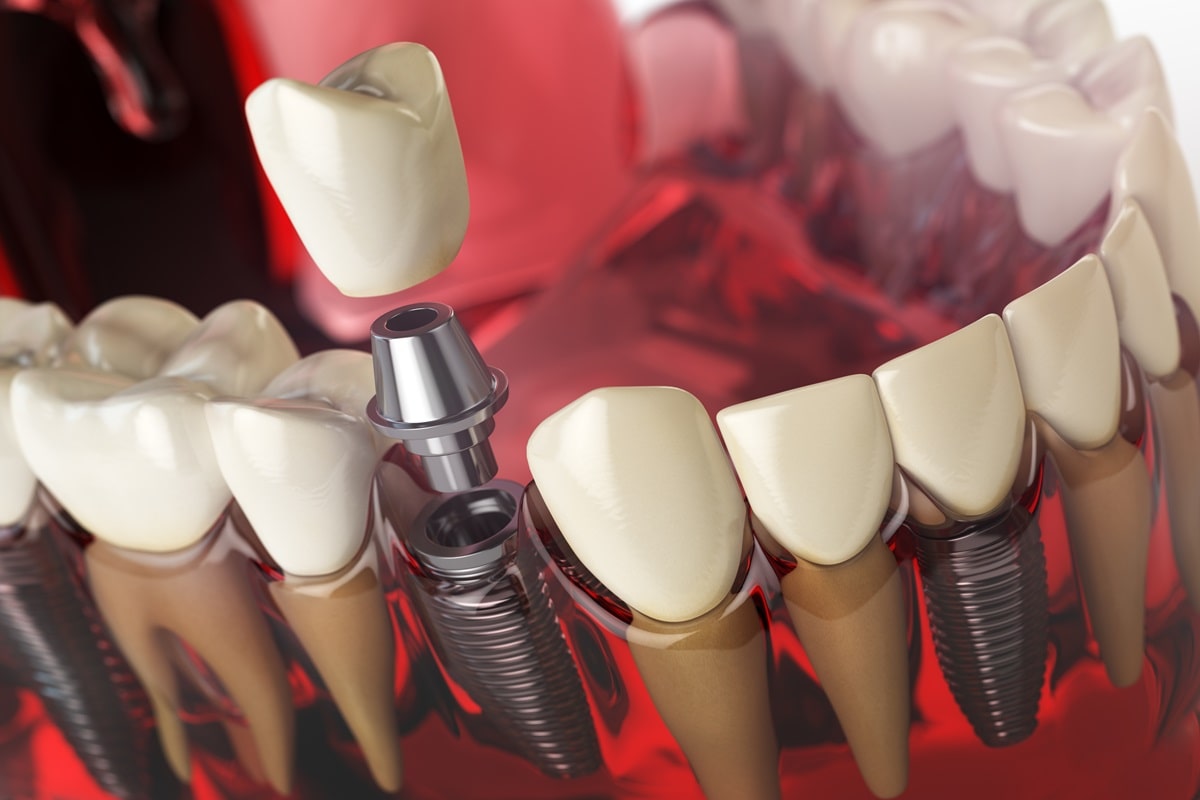
Dental implants replace the missing tooth root using a titanium post placed into the jawbone. After healing, a custom crown is attached to complete the restoration. Because the implant integrates with the bone, it acts much like a natural tooth. This structural difference is what creates the many benefits implants provide compared to bridges.
Preserves Jawbone Health
When a tooth is lost, the jawbone in that area no longer receives stimulation. Over time, the bone can begin to shrink. This process may affect facial appearance and oral health.
A dental bridge sits above the gumline and does not replace the root. Because of this, bone loss can continue beneath the bridge. Dental implant treatment stimulates the jawbone, helping maintain bone density and supporting the natural shape of your face. This is one of the most important long-term advantages of choosing implants.
Protects Neighboring Teeth
Traditional bridges require healthy teeth on either side of the gap to be reshaped. Once enamel is removed, those teeth will always need crowns for protection.
Implant dentistry allows the restoration to stand on its own without altering nearby teeth. Preserving natural tooth structure helps maintain overall oral health and reduces the risk of future complications.
Designed for Long Term Durability
One of the most common reasons patients choose implants is their lasting performance. Dental bridges often need replacement after several years due to wear or decay affecting the supporting teeth.
Implants are built for strength and stability. With proper care, the implant post can remain in place for decades. Many patients appreciate the long-term reliability and extended implant lifespan that comes with this type of restoration, especially when compared to other tooth replacement options.
Feels More Natural and Comfortable
Dental implants integrate with the jawbone, which helps them feel secure and natural. Patients can speak and chew without worrying about movement.
Bridges depend on surrounding teeth for support. This can place additional pressure on those teeth and may cause discomfort over time. Dental implants treatment distributes bite forces more evenly, which helps create a balanced and comfortable chewing experience.
Easier to Maintain Daily Oral Hygiene
Cleaning around a dental bridge requires special tools to remove plaque underneath the artificial tooth. This can make daily hygiene more time consuming.
Implants can be brushed and flossed just like natural teeth. This simplifies oral care and helps maintain healthy gums. Easier maintenance also contributes to long term success and better overall oral health.
Stronger Bite and Better Function
Dental implants provide strong bite support because they are anchored in the jawbone. Patients can eat a wide variety of foods comfortably.
Bridges may not offer the same level of bite strength, particularly when replacing back teeth. Over time, the additional load on supporting teeth may affect chewing efficiency. Implant dentistry helps restore function closer to natural teeth, allowing patients to enjoy meals without concern.
Natural Looking Results
Dental implants are designed to match surrounding teeth in color, shape, and size. Because they emerge from the gumline like natural teeth, the final result looks seamless.
Bridges can also look natural, but they may not maintain gum contour as effectively. Over time, bone changes beneath a bridge can create small gaps. Implants help preserve the bone and gum tissue, which supports a more natural appearance.
Helps Reduce Future Dental Issues
Bridges rely on adjacent teeth, which may increase the risk of decay or fracture over time. Additional stress on these teeth can lead to future dental treatment.
Dental implants function independently, which helps protect surrounding teeth. This reduces the likelihood of additional dental problems and supports long term oral stability.
When a Bridge May Still Be Recommended
Although implants offer many benefits, a bridge may still be appropriate in some situations. Patients who want a quicker solution or those with limited bone volume may be candidates for bridges. A thorough evaluation helps determine the most suitable option.
Patients exploring tooth replacement options often benefit from a personalized consultation. Individuals in Layton, Pleasant View, and South Ogden frequently consider implants when looking for a stable and lasting alternative to traditional bridges.
Conclusion
Choosing between implants and bridges depends on your oral health, goals, and long term expectations. Dental implants provide important advantages such as preserving jawbone health, protecting neighboring teeth, and restoring natural function. They also offer improved comfort and durability compared to traditional bridges.
Understanding these benefits allows you to make an informed decision about replacing missing teeth. A comprehensive evaluation helps determine which option best supports your oral health and lifestyle.
If you are considering tooth replacement and want to learn whether implants or bridges are right for you, scheduling a consultation can help you explore your options. A detailed assessment allows you to choose a treatment that supports comfort, function, and long-term oral health.
FAQs
How long do dental implants last compared to dental bridges?
Dental implants can last decades with proper care, while dental bridges usually last between 7 and 15 years. Longevity depends on oral hygiene, bite forces, and regular dental visits.
Do dental implants look more natural than bridges?
Yes. Dental implants are designed to emerge from the gumline like natural teeth. This helps them blend seamlessly with surrounding teeth and maintain natural gum contours over time.
Is dental implants treatment more painful than getting a bridge?
Most patients report minimal discomfort during dental implant treatment. The procedure is performed with local anesthesia, and recovery is typically manageable. A bridge may involve less healing time, but implants often provide better long-term comfort.
Do dental implants protect surrounding teeth better than bridges?
Yes. Implant dentistry allows the restoration to stand independently, so nearby teeth do not need to be reshaped. Bridges require support from adjacent teeth, which may weaken them over time.
How long does dental implants treatment take?
The process usually takes a few months. This includes implant placement, healing time for bone integration, and placement of the final crown. The timeline varies based on individual healing and treatment needs.