

Dental implants have become popular for replacing missing teeth, offering durability and an improved smile. However, many patients often wonder: Are dental implants safe for MRI scans? If you’re considering dental posts or have already received them, it’s important to understand how they interact with medical procedures like magnetic resonance imaging (MRI).
In this blog, we’ll explore the safety of tooth implants during an MRI and provide expert insights from a professional implant dentist.
Understanding Dental Implants and MRI
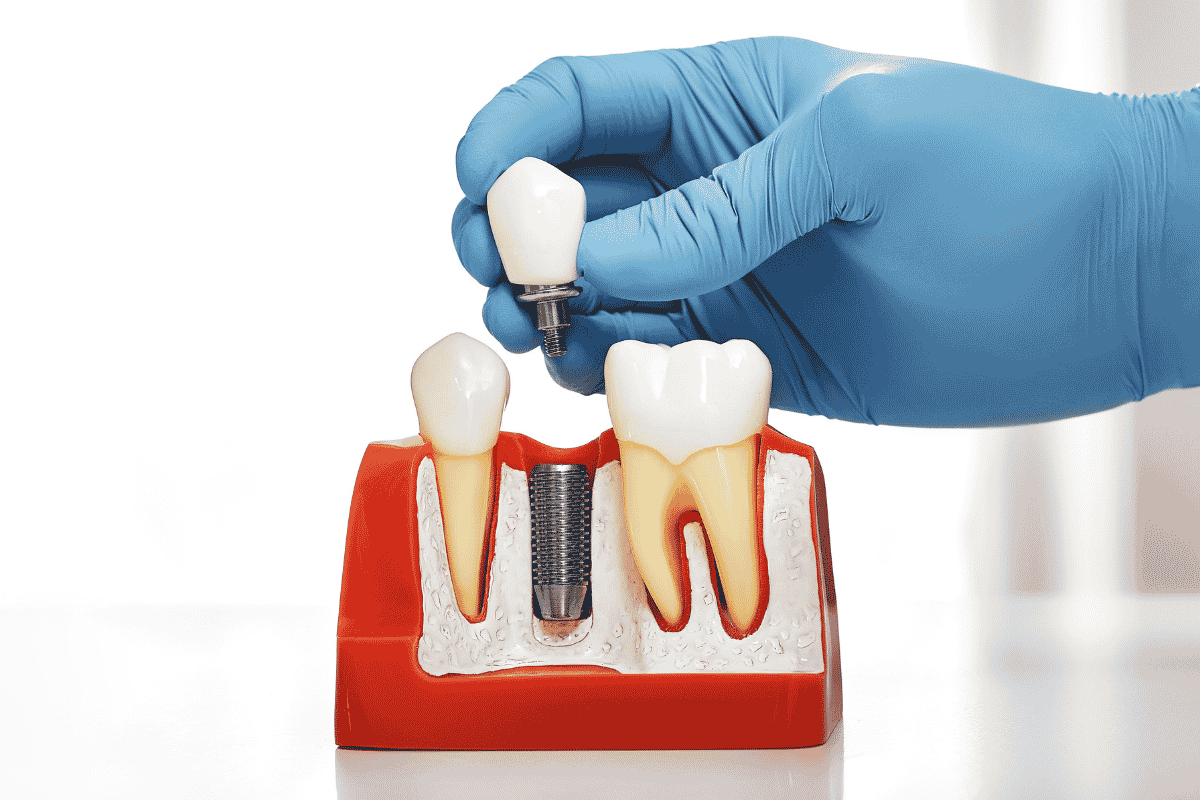
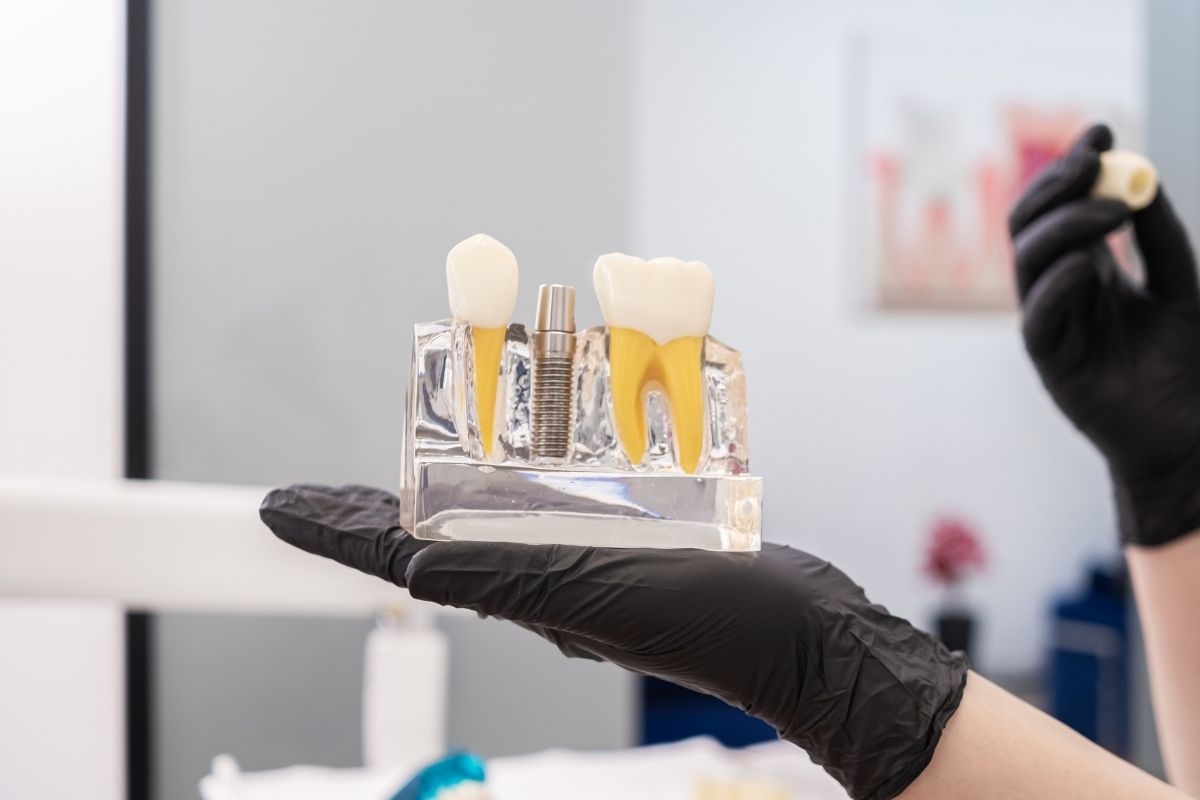
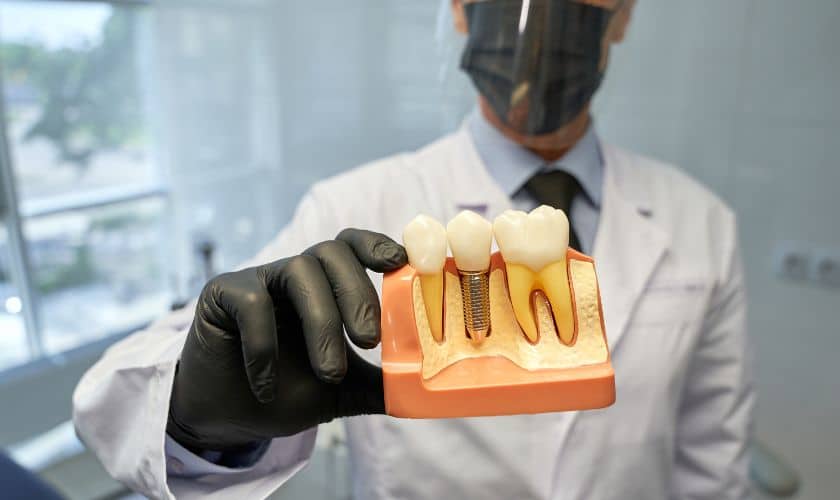
Dental implants are made of biocompatible materials, usually titanium or zirconia, that integrate with the jawbone to provide a solid foundation for artificial teeth. These materials are generally non-reactive and designed to withstand the stresses of daily use. While these restorations are safe for most people, some concerns arise regarding MRIs.
Dental implants are no exception to the rule regarding magnetic resonance imaging safety. Unlike older metal dental devices, modern implants are typically made from materials that do not interfere with magnetic resonance imaging scans. However, certain factors must be considered when undergoing this imaging procedure.
Do Dental Implants Interfere with MRI?
MRI uses powerful magnetic fields and radio waves to create detailed images of the inside of your body. The metal in some permanent tooth roots can cause issues during the scanning process. However, most dental implants today are made from materials that do not pose a risk for magnetic resonance imaging scans. Titanium, the most commonly used material for implants, is non-ferromagnetic, meaning it will not interact with the magnetic field used in technology.
Some dental posts may contain small amounts of other metals, which could cause minor interference or discomfort during an MRI. The MRI itself is safe, but the metal may cause the implant to appear as a shadow or distortion on the scan. While this typically doesn’t affect the magnetic resonance imaging results, it’s essential to inform the MRI technician or doctor about your implants beforehand.
When Should You Be Concerned About MRI and Dental Implants?
While most modern implants are MRI-compatible, there are specific situations where caution should be taken:
1. Older Metal Implants
Some older tooth restorations or dental work may have ferromagnetic metal alloys. These implants could potentially heat up or move during a magnetic resonance imaging, causing discomfort or even injury. If you have older implants, it’s important to consult your implant dentist before having an MRI.
2. Type of MRI Procedure
Certain types of magnetic resonance imaging procedures, especially those that require extremely strong magnetic fields, may be more sensitive to metallic objects in the body. If you need an MRI of the head or neck area, notify your medical provider about your implants to avoid any possible complications.
3. Size and Placement of the Implant
Large implants or those placed in certain areas of the jaw may affect the MRI images, especially if they are close to the area being scanned. However, in most cases, this does not interfere with the overall magnetic resonance imaging results, but your doctor will make the necessary adjustments if needed.
What Should You Do Before an MRI with Dental Implants?
Before undergoing an MRI, it’s essential to inform your healthcare provider and the MRI technician about your dental implants in Layton. This ensures they take the necessary precautions to avoid any interference. Here’s what you should do:
- Discuss your implants: Let the technician and doctor know that you have implants. They will ask about the materials used and may perform a specific test to ensure no issues.
- Provide medical records: If possible, bring any records or information about the type of implants you have. Your dentist or oral surgeon can provide this information if needed.
- Ask your implant dentist: If you’re unsure whether your implants are MRI-compatible, contact your dentist for clarification. They can give you a clear answer based on the materials used in your specific implants.
Are There Any Risks to Dental Implants During an MRI?
For most patients with modern dental implants, the risks associated with magnetic resonance imaging scans are minimal. As long as your implants are made from non-ferromagnetic materials like titanium, there should be no problem. However, in rare cases where older or non-metallic implants are involved, there may be slight risks:
- Discomfort from heat: In some cases, the metal in an implant may cause it to heat up during a magnetic resonance imaging, causing mild discomfort. This is rare but should be discussed with your healthcare provider.
- Distortion of MRI images: Implants, especially large ones, may cause distortion in the images. This could make it difficult to view areas around the implant clearly, but it typically doesn’t affect the overall scan result.
Consult with Your Implant Dentist for MRI Safety
Titanium posts are safe for procedures. The materials commonly used in modern implants are designed to withstand magnetic fields and will not cause harm during the scan. However, it’s always important to discuss your implants with your medical provider before undergoing any imaging procedure.
If you’re concerned about the safety of your implants and MRI compatibility, it’s a good idea to speak with an implant specialist. At Mountain View Endodontics, we can provide expert guidance on the safety of your dental implants during magnetic resonance imaging scans and ensure your peace of mind.
Book an appointment today or visit our dental office to learn more about your implants and how they might interact with future medical procedures.
FAQs
1. Are dental implants safe for MRI scans?
Yes, most modern dental implants made of titanium or zirconia are safe for MRI scans. Titanium is non-ferromagnetic and won’t interfere with MRI imaging.
2. What happens if I have older metal implants?
Older metal dental implants may contain ferromagnetic materials that could interfere with MRI scans. Consult your dentist to determine if your implants are safe for an MRI.
3. Can dental implants cause pain during an MRI?
In rare cases, implants made of certain materials may heat up during the MRI, causing mild discomfort. If this happens, the technician may adjust the scan settings.
4. Should I inform my doctor about my dental implants before an MRI?
Always inform your doctor and the MRI technician about any dental implants you have to ensure proper precautions are taken.