

Missing a tooth can affect more than just your smile. It can impact your ability to chew, speak, and even your overall oral health. When considering tooth replacement options, dental bridges and implants are two popular choices. But which one is right for you? This blog will break down the differences, pros, and cons to help you make an informed decision.
Understanding the Basics: What Are Bridges and Implants?
Before diving into the comparison, let’s understand what each option entails.
- Dental Bridges: A dental bridge bridges the gap created by one or more missing teeth. It consists of artificial teeth anchored by crowns placed on the adjacent natural teeth (abutment teeth). Think of it as a connected series of crowns that fill the space.
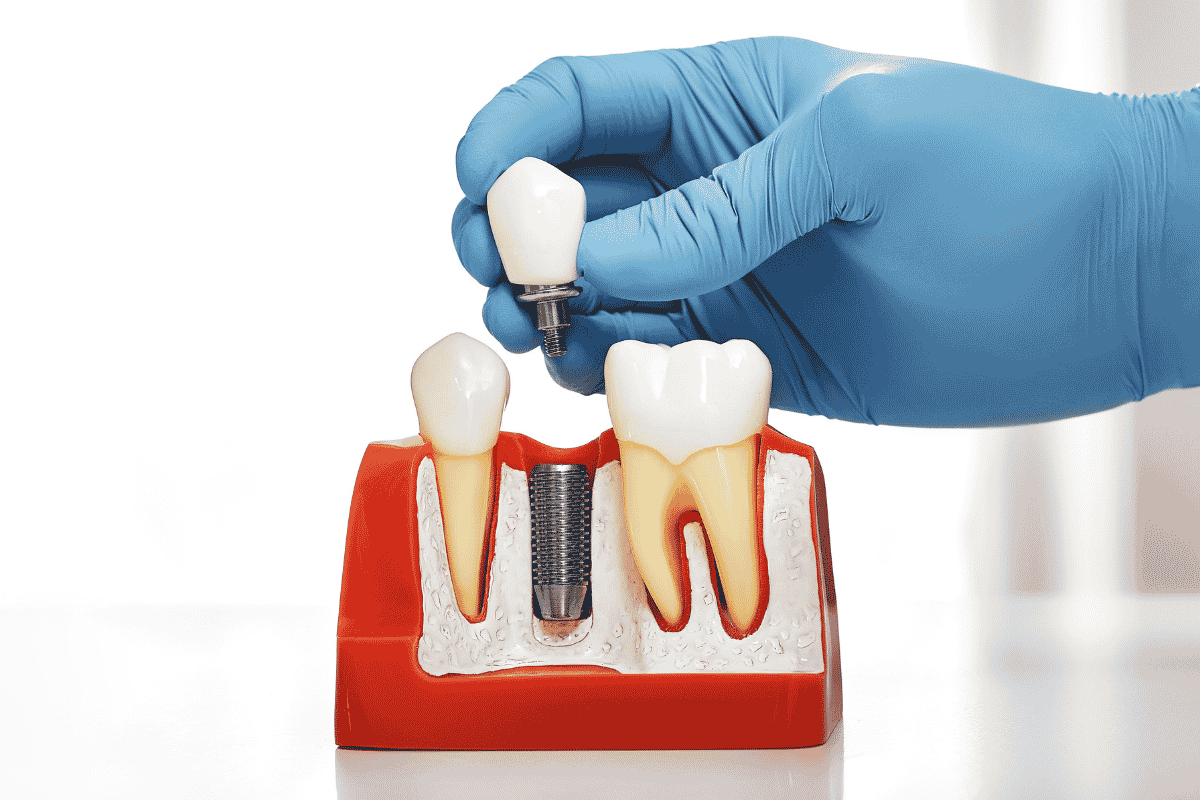
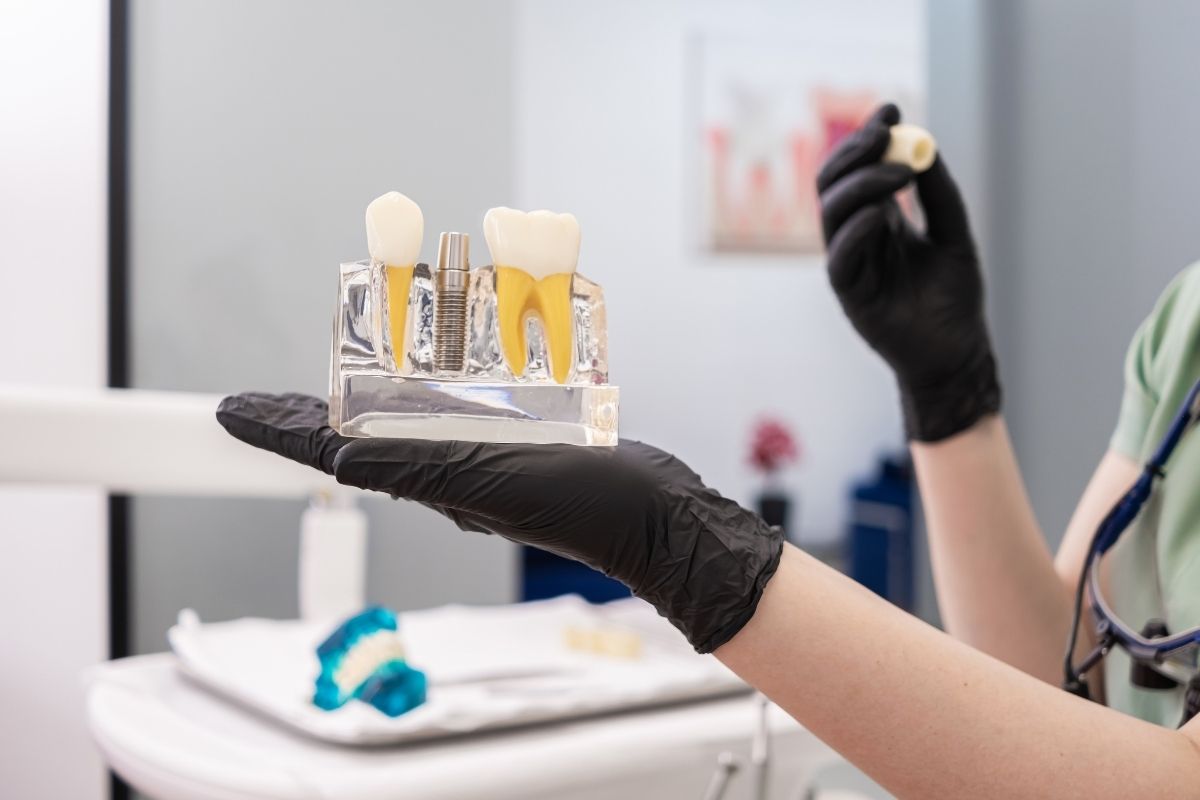
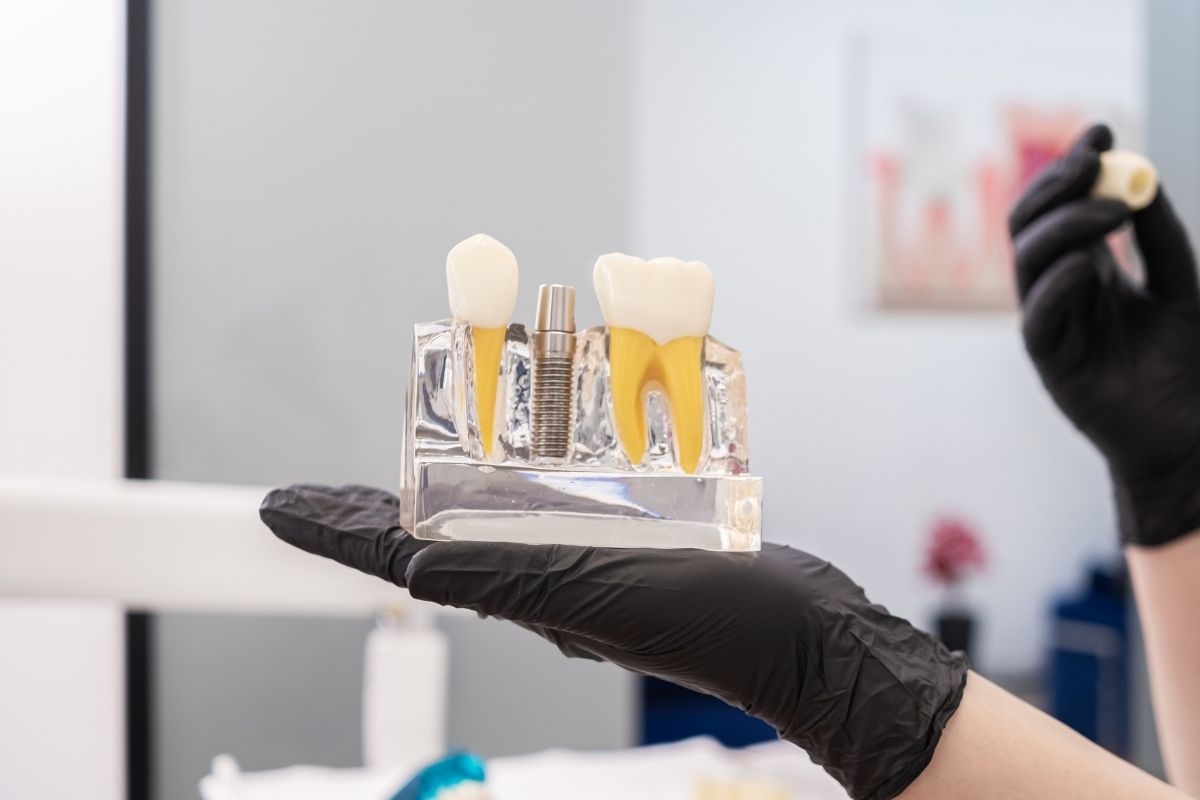
- Dental Implants: An implant is a titanium post surgically placed into the jawbone, acting as a replacement for the tooth root. A crown, bridge, or denture is then attached to the implant, providing a stable and long-lasting solution.
The Functional Differences: Stability and Support
One of the key distinctions between bridges and implants lies in their stability and support.
- Implants: Root-Level Support: Implants provide unparalleled stability because they are anchored directly into the jawbone. This mimics the natural tooth root, stimulating bone growth and preventing bone loss. This robust support allows for comfortable chewing and speaking, just like natural teeth.
- Bridges: Relying on Adjacent Teeth: Bridges, on the other hand, rely on the adjacent teeth for support. This can place additional stress on these teeth, potentially leading to future issues. While a well-made bridge can be functional, it doesn’t offer the same level of stability as an implant.
Oral Health Considerations: Long-Term Impact
The choice between bridges and implants can significantly impact your long-term oral health.
- Implants: Preserving Bone and Preventing Drift: Implants are the only tooth replacement option that prevents bone loss. By stimulating the jawbone, they maintain its density and structure. Additionally, implants prevent adjacent teeth from shifting into the gap, preserving your bite alignment. If you are considering dental implants, it is important to understand these bone-preserving benefits.
- Bridges: Potential for Bone Loss and Decay: Bridges do not stimulate the jawbone, which can lead to bone loss over time. Cleaning under a bridge can also be more challenging, increasing the risk of decay and gum disease in the supporting teeth.
The Aesthetic Factor: Natural Look and Feel
Both bridges and implants can restore your smile, but they differ in their aesthetic appeal.
- Implants: Natural Appearance and Function: Implants are designed to look and feel like natural teeth. With proper placement and a well-crafted crown, they blend seamlessly with your smile.
- Bridges: Good Aesthetics, but Potential Limitations: Bridges can also provide a natural-looking restoration. However, they may not always match the appearance of natural teeth as perfectly as implants. Also, if gum recession occurs, the metal of the bridge can become visible.
The Procedure and Recovery: What to Expect
The process for getting a bridge or implant varies significantly.
- Implants: Surgical Procedure and Healing Time: Implant placement involves a surgical procedure to insert the titanium post into the jawbone. This is followed by a healing period of several months to allow for osseointegration (the fusion of the implant with the bone). Once healed, the crown is attached.
- Bridges: Less Invasive, Quicker Process: Getting a bridge is typically less invasive and requires fewer appointments. The abutment teeth are prepared for crowns, and the bridge is fabricated and cemented in place. The process is generally quicker than getting an implant.
Cost Considerations: Initial Investment vs. Long-Term Value
The cost of bridges and implants is a significant factor for many people.
- Implants: Higher Initial Cost, Long-Term Investment: Implants generally have a higher upfront cost compared to bridges. However, they offer long-term durability and can last a lifetime with proper care, making them a worthwhile investment.
- Bridges: Lower Initial Cost, Potential for Replacement: Bridges are often more affordable initially, but they may need to be replaced every 10-15 years. This can accumulate costs over time.
Maintenance and Care: Keeping Your Restoration Healthy
Proper maintenance is crucial for the longevity of both bridges and implants.
- Implants: Easy Maintenance, Like Natural Teeth: Implants can be cared for just like natural teeth with regular brushing, flossing, and dental checkups.
- Bridges: Requires Special Cleaning: Cleaning under a bridge requires special tools, such as floss threaders, to remove plaque and debris. Regular checkups are essential to monitor the health of the supporting teeth.
Making the Right Choice: Consulting Your Dentist
Ultimately, the best option for you depends on your individual needs, oral health, and budget. Consulting with your dentist is crucial to determine which solution is most suitable. They can assess your specific situation, discuss the pros and cons, and help you make an informed decision. To get personalized advice, visit our dental office and speak to our experienced professionals. It is also very easy to book an appointment online or over the phone.
Whether you choose a bridge or an implant, restoring your smile and oral function is a worthwhile investment in your overall health and well-being.