

When a tooth becomes cracked or injured, an endodontist treats it by diagnosing the extent of internal damage, relieving pain, removing infected pulp when necessary, and sealing the tooth to preserve its natural structure. Our patients in Pleasant View receive focused care designed to save natural teeth whenever possible. Early treatment is often the key to preventing long-term complications.
Dental trauma can occur during sports, falls, car accidents, or even from biting into something unexpectedly hard. In many cases, the damage is not fully visible from the outside. What looks like a small crack may extend into the pulp, which contains nerves and blood vessels. That is where specialized care becomes essential.
Understanding Cracked and Traumatized Teeth
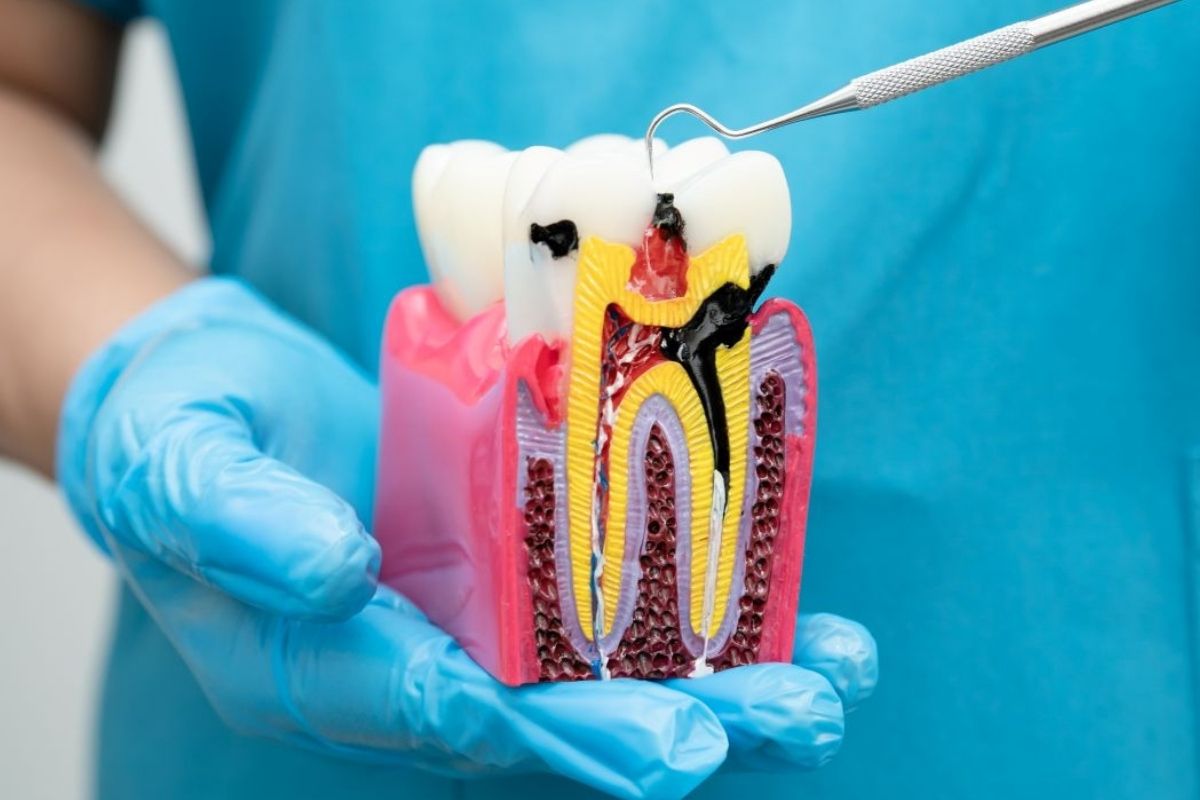
Cracked teeth vary in severity. Some affect only the enamel, while others reach deeper layers and compromise the pulp. Trauma can also disrupt the blood supply inside the tooth without creating an obvious fracture.
Patients commonly report:
- Pain when chewing
- Sensitivity to temperature
- Swelling near the gums
- Darkening of the tooth after injury
- Persistent discomfort
If the pulp becomes inflamed or infected, prompt endodontic treatment in Pleasant View may be necessary to save the tooth and prevent infection from spreading to the surrounding bone.
Why See an Endodontist Instead of a General Dentist?
Endodontists complete additional years of advanced training beyond dental school. Their focus is diagnosing tooth pain and performing procedures such as root canal therapy with precision. They are trained to manage complex cases involving deep fractures, traumatic injuries, and persistent infections.
At our dental clinic, patients benefit from modern diagnostic tools, magnification, and evidence-based treatment planning. The practice serves Pleasant View and nearby communities, offering a level of care centered on preserving natural teeth rather than removing them unnecessarily.
Experience matters when dealing with dental trauma. A thorough evaluation ensures the right treatment is provided at the right time.
Comprehensive Evaluation and Diagnosis
Accurate diagnosis is the foundation of effective treatment. During your visit, our endodontist in Pleasant View will:
- Review your medical and dental history
- Examine the tooth under magnification
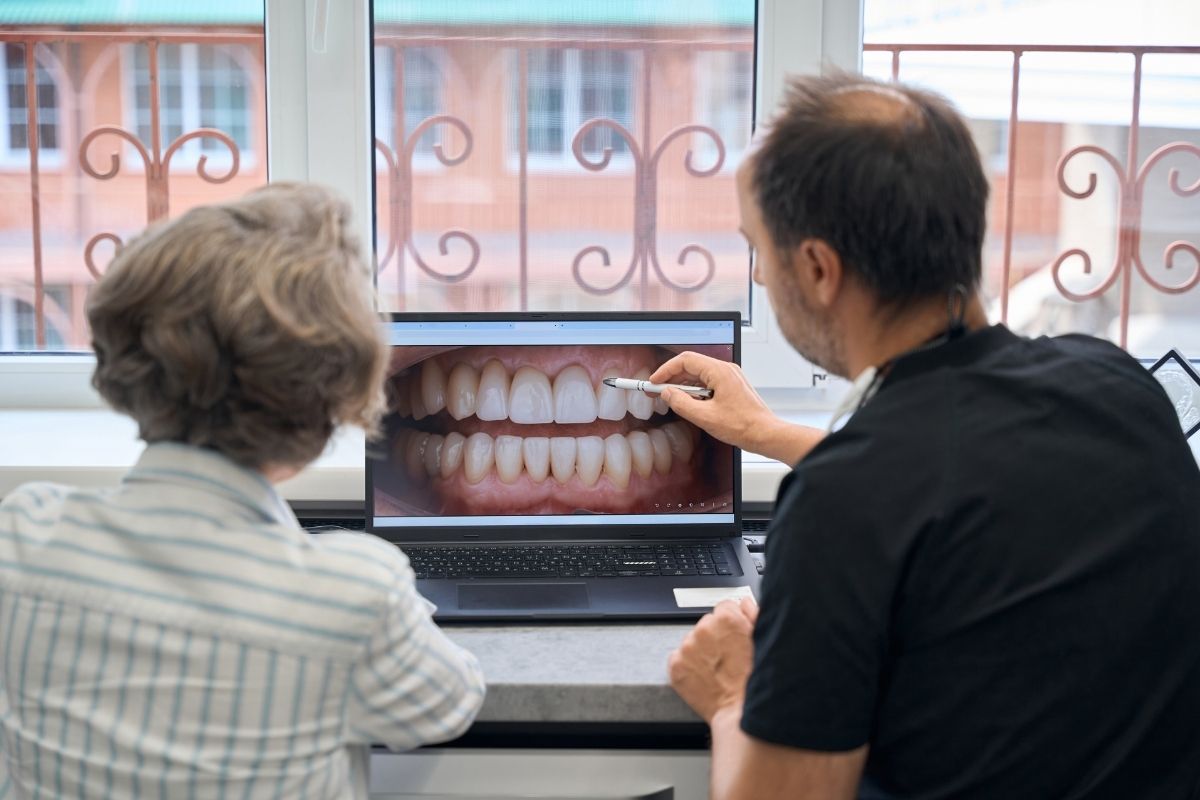
- Use digital imaging to assess root structure and surrounding bone
- Perform vitality testing to determine pulp health
Not all cracks require root canal therapy. Some may be stabilized with a protective restoration. Others may need immediate intervention to prevent infection.
Careful diagnosis reduces the risk of overtreatment and supports long term success.
Stabilizing and Protecting the Tooth
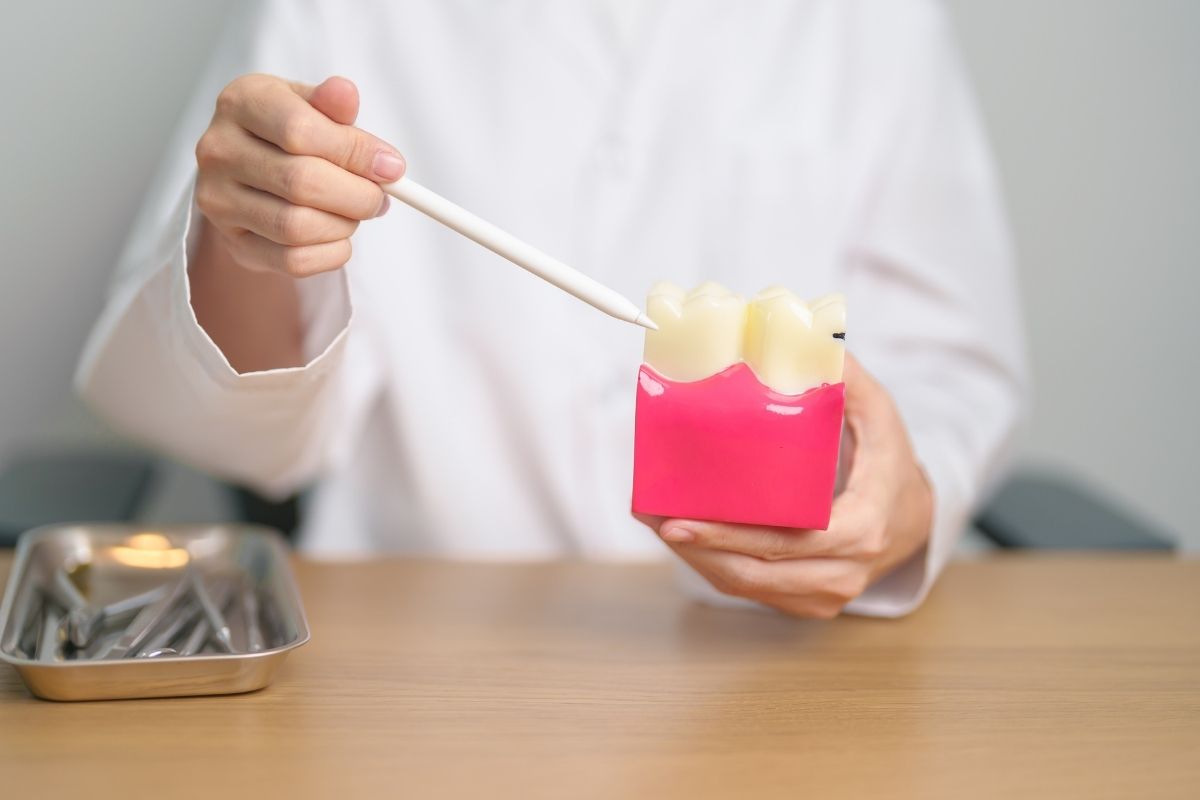
If the crack is limited to the outer structure, the tooth may be reinforced with a temporary or permanent restoration. Protecting the tooth from further stress helps prevent the fracture from extending deeper.
In cases of trauma, the tooth may require monitoring over time. Symptoms do not always appear immediately after injury. Regular follow up ensures that any delayed pulp damage is identified early.
The role of endodontists in managing dental trauma is critical because they focus specifically on evaluating internal tooth health and determining whether the pulp can recover or requires treatment.
Root Canal Therapy When the Pulp Is Involved
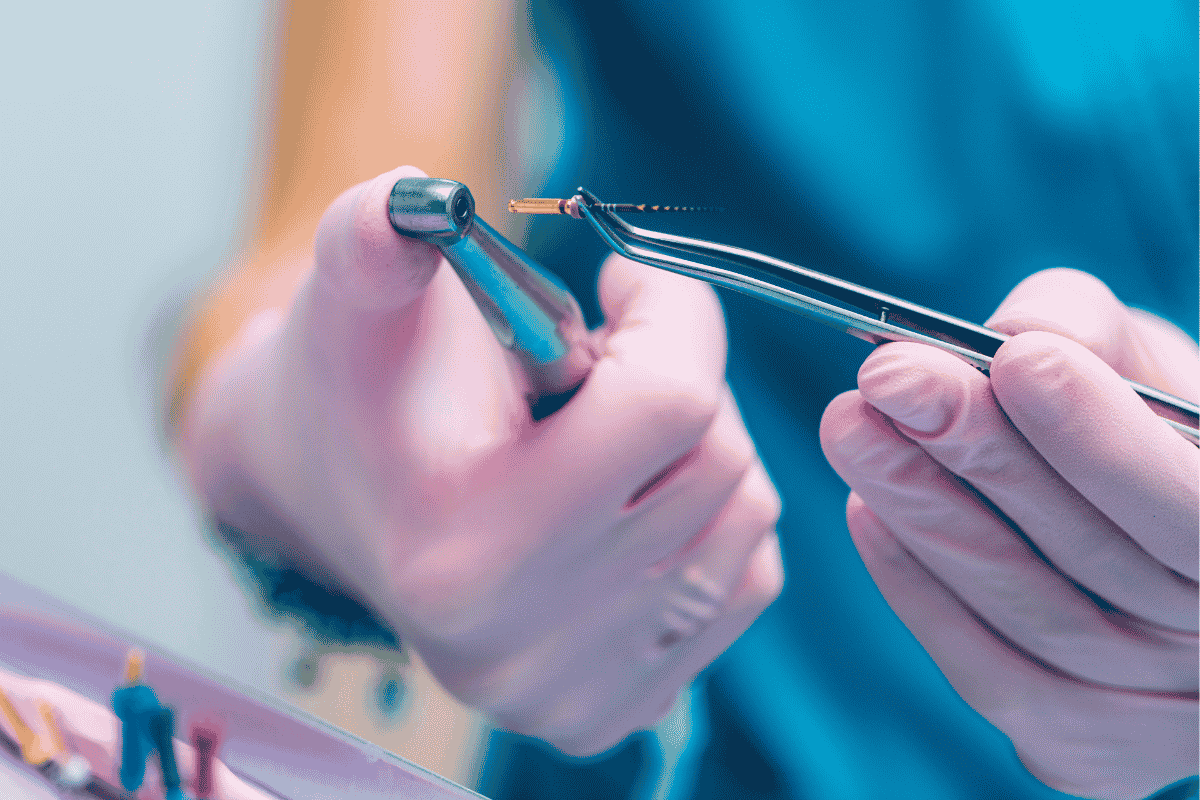
If the pulp is irreversibly inflamed or infected, root canal therapy becomes necessary. This procedure removes damaged tissue inside the tooth while preserving the outer structure.
The process typically involves:
- Numbing the area to ensure comfort
- Removing infected pulp tissue
- Cleaning and disinfecting the canals
- Sealing the space to prevent reinfection
Modern endodontic care is designed to be efficient and comfortable. Many patients are surprised to learn that the procedure feels similar to receiving a filling.
Following root canal therapy, your general dentist usually places a crown to strengthen and protect the tooth. This final restoration restores normal function and reduces the risk of future fractures.
The Importance of Timely Treatment
Residents of Pleasant View who experience dental trauma should not delay evaluation. Untreated cracks can worsen over time, allowing bacteria to enter the pulp and surrounding bone. This can lead to abscess formation, swelling, and increased pain.
Seeking care from an experienced endodontist soon after injury improves the likelihood of saving the tooth. Early intervention often means less invasive treatment and a smoother recovery.
Even if pain seems mild, an evaluation is important. Some teeth become symptomatic weeks or months after trauma.
Conclusion
A cracked or traumatized tooth requires careful evaluation and timely care. An endodontist treats these conditions by diagnosing internal damage, relieving pain, removing infection when necessary, and sealing the tooth to restore strength and function. Acting quickly significantly improves the chances of saving your natural tooth.
If you live in Pleasant View and suspect a cracked or injured tooth, scheduling an evaluation can help protect your oral health and prevent complications. Contact Mountain View Endodontics to receive specialized, patient-focused care designed to preserve your smile for years to come.
FAQs
How do I know if my tooth is cracked or just sensitive?
A cracked tooth often causes sharp pain when biting or releasing pressure. Sensitivity from enamel wear usually feels more generalized and occurs with hot or cold foods. If the pain is localized and triggered by chewing, it is important to see an endodontist for a proper evaluation. Specialized testing and digital imaging can confirm whether the pulp has been affected.
Can a cracked tooth heal on its own?
No, a cracked tooth cannot heal naturally. Unlike other tissues in the body, enamel does not regenerate. While symptoms may temporarily improve, the crack can worsen over time. Early treatment can help stabilize the tooth and prevent infection.
What happens if I ignore a traumatized tooth?
Ignoring a traumatized tooth can lead to pulp infection, abscess formation, bone loss, and increased pain. In some cases, the tooth may darken or become loose. Prompt endodontic treatment in Pleasant View significantly improves the chances of saving the natural tooth.
How soon should I see a specialist after dental trauma?
You should seek evaluation as soon as possible, ideally within 24 to 48 hours after injury. Even if pain is minimal, internal damage may not be immediately visible. An early exam by an experienced endodontist in Pleasant View can prevent complications.
How long does endodontic treatment take?
Many root canal procedures can be completed in one visit, depending on the complexity of the case. More severe trauma or infection may require additional appointments. Your treatment plan will be clearly explained during your consultation.