

If you want your dental implants to last a lifetime, the most important steps are simple and consistent. Brush and floss daily, keep your gums healthy, attend routine dental visits, and protect your bite from excessive force. With proper care and regular monitoring, dental implants can remain stable and functional for decades. At our dental clinic in Pleasant View, we guide patients every day on how to protect their investment and maintain strong, healthy smiles long term.
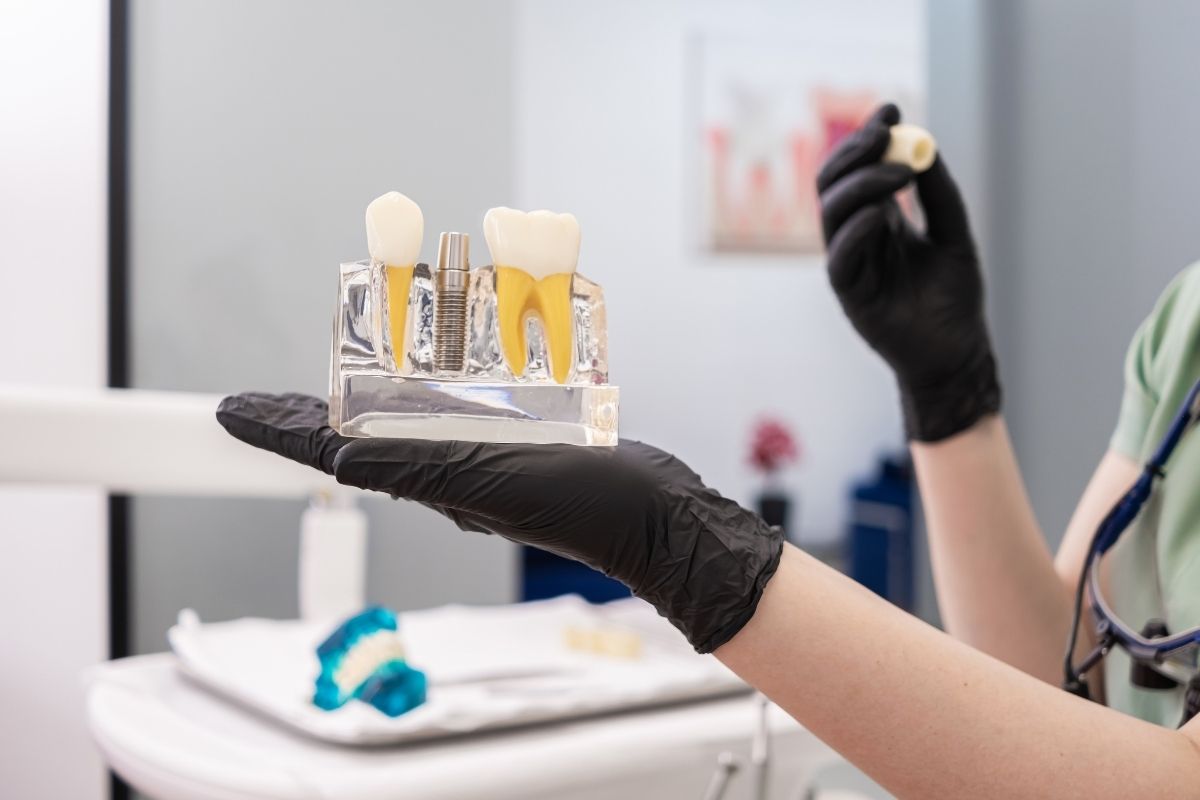
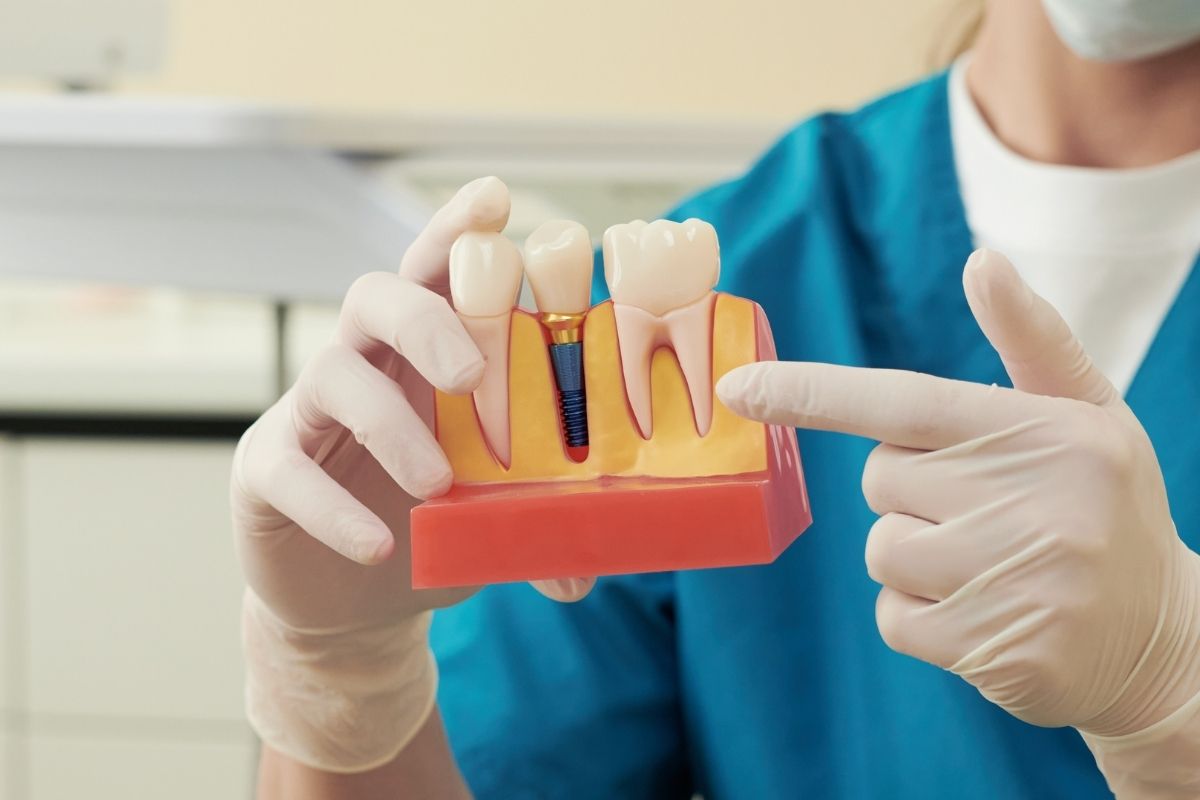
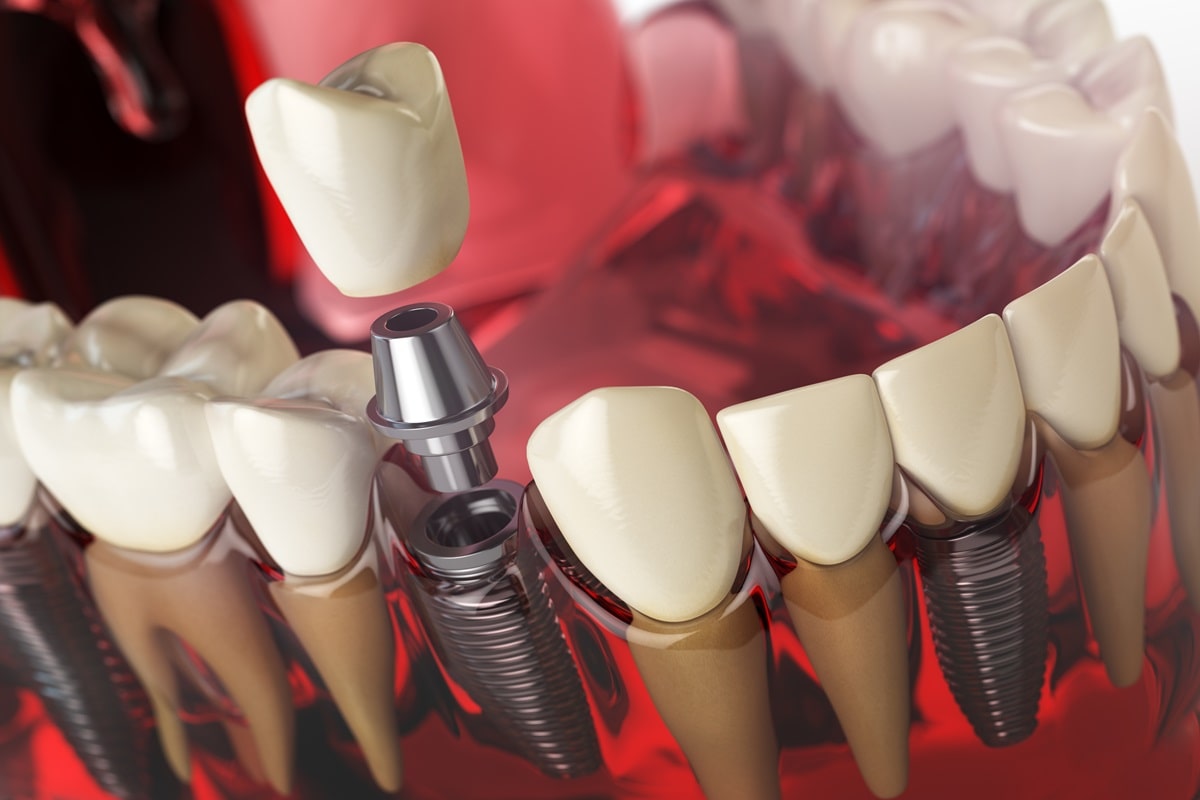
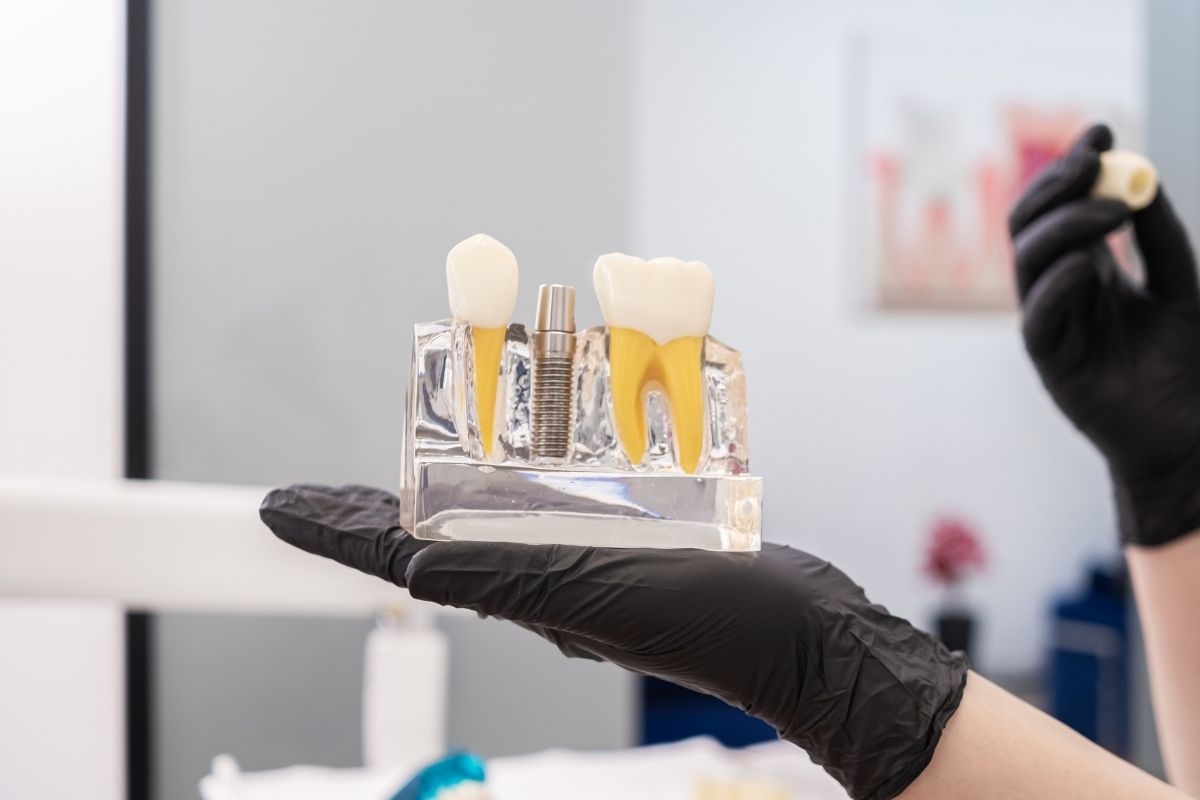
Dental implants are designed to replace missing teeth in a way that feels and functions naturally. The titanium post integrates with your jawbone, creating a secure foundation. However, long term success depends on how well the surrounding gum tissue and bone are maintained. Implant care is not complicated, but it requires commitment and professional oversight.
Understanding What Makes Dental Implants Last
Dental implants do not get cavities, but they can fail if the supporting tissues become unhealthy. Inflammation around the implant can lead to bone loss, which weakens stability. This condition often develops slowly and without pain in the early stages.
Patients who undergo dental implant treatment in Pleasant View often ask how long implants truly last. The honest answer is that they can last a lifetime when properly maintained. Clinical studies and decades of experience in restorative and endodontic care show that consistent oral hygiene and regular evaluations are key factors in success.
We approach implant care with the same attention to detail we use when preserving natural teeth. Our team evaluates bone levels, gum health, and bite alignment to ensure long-term stability.
Daily Home Care That Protects Your Investment
Strong home care habits form the foundation of long-lasting dental implants.
Brush Twice Daily
Use a soft-bristled toothbrush and brush at least twice a day. Pay close attention to the gumline where the implant crown meets the gum tissue. Plaque buildup in this area can lead to inflammation.
Electric toothbrushes are often helpful for patients who want a more consistent and thorough clean.
Floss Every Day
Flossing is essential for preventing bacteria from accumulating between teeth and around implants. Implant-specific floss or interdental brushes can make cleaning around the implant easier and more effective.
If you have multiple implants or a bridge supported by implants, we may recommend special cleaning tools during your follow-up visits.
Many patients in Pleasant View find that electric toothbrushes provide a more thorough clean. During your follow-up visits, we will review your brushing technique and make recommendations tailored to your needs. These practical recommendations are part of what we share as guidance and advice for achieving long-lasting dental implants, especially during the first year after placement.
Professional Monitoring Is Essential
Even patients with excellent home care need routine dental evaluations. Dental implants should be examined at least twice a year, or more frequently if recommended.
During your visits at Mountain View Endodontics, we assess the health of your gums, measure tissue stability, and take digital X rays when needed to evaluate bone levels around the implant. Early detection of inflammation allows for conservative treatment before serious complications develop.
Patients who receive implant treatment in Pleasant View benefit from consistent follow-up care close to home. Having a trusted local team makes it easier to stay on schedule with maintenance visits, which directly supports long-term implant success.
Protecting Your Implants from Excessive Force
Dental implants are strong, but they are not indestructible. Excessive pressure from clenching or grinding can place strain on both natural teeth and implants.
If you grind your teeth at night, a custom nightguard can significantly reduce stress on the implant and surrounding bone. We carefully evaluate bite alignment after dental implant treatment in Pleasant View to ensure forces are evenly distributed.
Avoid using your teeth to open packaging or bite hard objects such as ice. These habits can damage the crown or compromise the restoration over time.
Gum Health and Overall Health Matter
Healthy gums are critical to implant stability. Watch for signs such as bleeding, swelling, tenderness, or persistent bad breath around the implant site. These symptoms should be evaluated promptly.
Medical conditions such as diabetes can influence healing and bone health. Patients in Pleasant View who maintain good control of systemic conditions typically experience better long term outcomes with dental implants.
Smoking is another significant risk factor. Tobacco use interferes with blood flow and healing, increasing the risk of implant complications. If you are considering or have already completed dental implant treatment in Pleasant View, quitting smoking can greatly improve your prognosis.
The Importance of the Healing Phase
The first few months after implant placement are crucial. During this period, the implant fuses with the jawbone in a process known as osseointegration.
Following postoperative instructions carefully supports proper healing. This includes maintaining gentle but thorough oral hygiene, attending scheduled follow-ups, and avoiding excessive pressure on the surgical area.
We provide clear, personalized instructions based on your specific procedure and medical history. Our experience in managing complex dental cases helps ensure that healing progresses smoothly.
What You Can Expect Long Term
With proper care, dental implants often last twenty years or more. Many patients enjoy stable implants for a lifetime. The crown attached to the implant may eventually require replacement due to normal wear, but the implant post itself can remain secure when the supporting bone and gums stay healthy.
Consistency is what makes the difference. Patients in Pleasant View who remain committed to daily oral hygiene and routine professional care typically see excellent long term results.
Conclusion
Caring for dental implants is a partnership between you and your dental team. Daily brushing and flossing, routine evaluations, healthy lifestyle choices, and protection from excessive force all work together to preserve implant stability. When these habits become part of your routine, your implants can function comfortably and confidently for decades.
If you have questions about maintaining your implants or are considering dental implant treatment in Pleasant View, schedule a consultation at Mountain View Endodontics. Our team is committed to providing personalized, evidence-based care to help you protect your smile for the long term.
FAQs
How long do dental implants really last?
With proper care, dental implants can last 20 years or more, and many last a lifetime. The key factors are good daily oral hygiene, healthy gums, routine professional checkups, and avoiding habits that place excessive pressure on the implant.
Do dental implants require special cleaning products?
Most patients do well with a soft bristled toothbrush, non abrasive toothpaste, and daily flossing. In some cases, your dentist may recommend implant specific floss or small interdental brushes to clean around the implant more effectively. During follow up visits at Mountain View Endodontics, we evaluate your technique and suggest tools that fit your individual needs.
Can dental implants get cavities?
No, the implant itself cannot develop cavities because it is made of titanium. However, the surrounding gum tissue and bone can become inflamed or infected if plaque is not removed properly. That is why consistent oral hygiene and regular exams are essential.
How often should I see the dentist after getting an implant?
Most patients should be seen every six months. Some individuals may need more frequent visits depending on their gum health and medical history. Routine monitoring allows us to detect early changes in bone or gum tissue before they become serious.
Can I chew normally with dental implants?
Once healing is complete and the implant has fully integrated with the bone, you can chew most foods comfortably. However, it is still wise to avoid chewing ice, hard candies, or using your teeth as tools, as these habits can damage the crown.