


Understanding the difference between primary and secondary occlusal trauma is not just a matter of knowledge but a powerful tool that can empower you to take control of your dental health. This understanding can guide you towards the right diagnosis and treatment, potentially preventing serious dental issues.
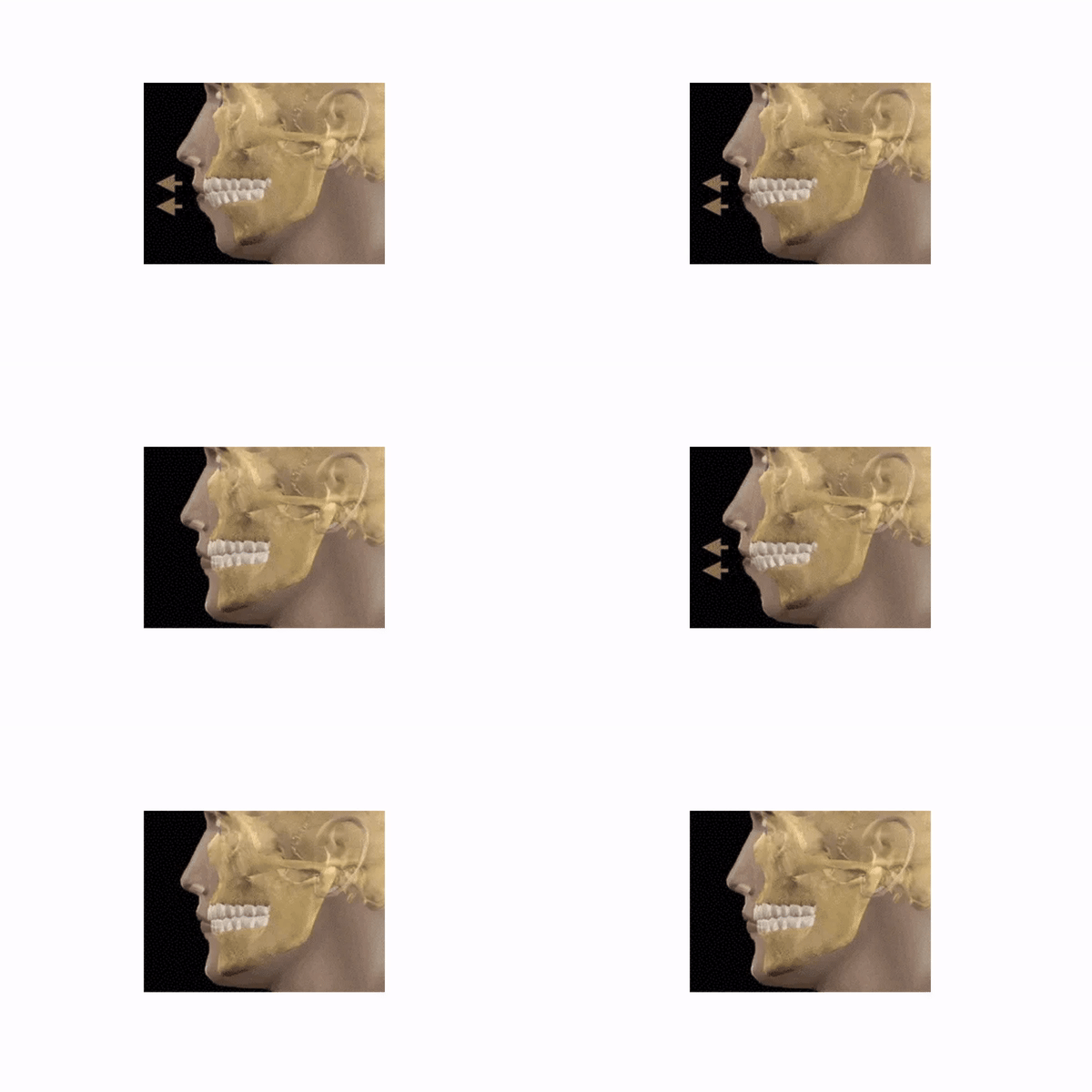
What is Primary Occlusal Trauma?
Primary occlusal trauma occurs when excessive force is applied to a normal, healthy tooth. This can happen due to various factors, such as:
- Bruxism: grinding or clenching teeth, often during sleep.
- Malocclusion: Misalignment of the teeth, leading to uneven biting forces.
- Habitual parafunctional habits: habits like biting nails or chewing on pens or pencils.
Symptoms of Primary Occlusal Trauma:
- Tooth sensitivity, especially to hot or cold temperatures
- Pain when biting down
- Loose teeth
- Worn-down tooth enamel
What is Secondary Occlusal Trauma?
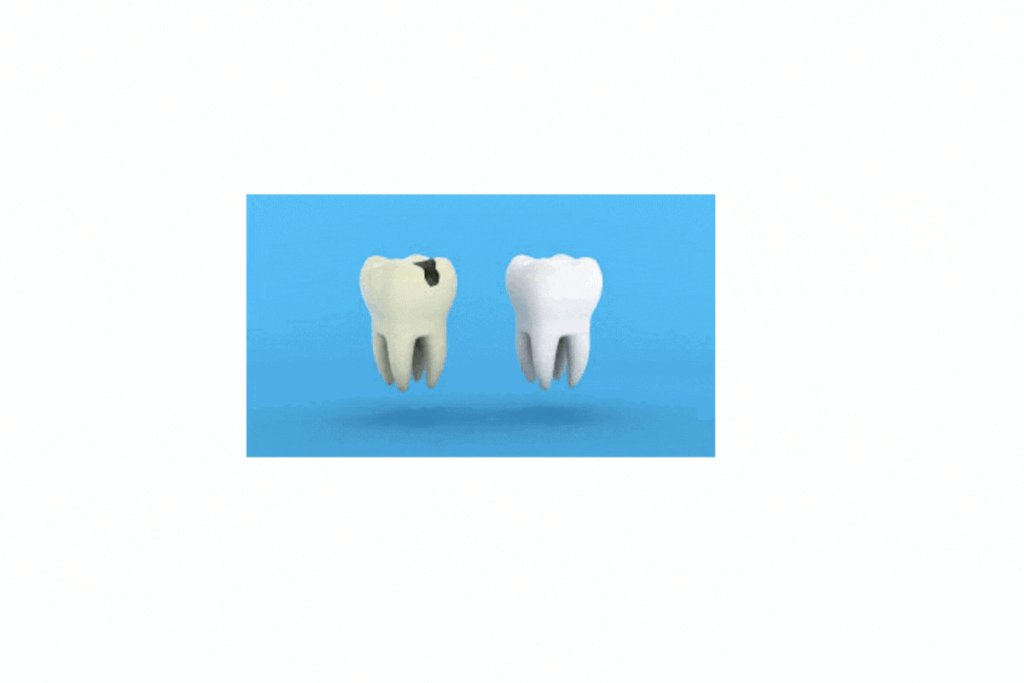
Secondary occlusal trauma occurs when regular biting forces are applied to a weakened tooth. This can happen as a result of:
- Tooth decay: Cavities weaken the tooth structure, making it more susceptible to damage.
- Gum Disease: Periodontal disease can lead to bone loss and destabilizing teeth.
- Large Fillings or Crowns: These restorations can alter the bite and increase stress on the teeth.
Symptoms of secondary occlusal trauma:
- Tooth Sensitivity
- Pain when biting down
- Gum inflammation and bleeding
- Loose teeth
Diagnosis and Treatment
In order to diagnose occlusal trauma, an emergency dentist will conduct a thorough examination, including:
- Clinical Examination: Visual inspection of the teeth and gums
- Bite Analysis: Assessment of the bite and jaw alignment
- Radiographs: X-rays to evaluate the underlying bone structure and tooth damage
Treatment for occlusal trauma depends on the underlying cause and severity of the damage. Some standard treatment options include:
- Occlusal Adjustment: Reshaping the teeth improves the bite and distributes biting forces more evenly.
- Night Guard: A custom-made mouthpiece worn at night to prevent bruxism.
- Dental Restorations: Fillings, crowns, or bridges to repair damaged teeth.
- Root Canal Therapy: To treat infected tooth pulp.
- Periodontal Treatment: To address gum disease and stabilize the teeth.
- Orthodontic Treatment: To correct misalignment and improve bite.
Emergency Dental Care in Layton, Pleasant View, and South Ogden, UT
If you are experiencing severe tooth pain or other symptoms of occlusal trauma, it’s essential to seek emergency dental care. Mountain View Endodontics offers emergency dental services in Layton, Pleasant View, and South Ogden, UT. Our experienced endodontists can provide prompt diagnosis and treatment to alleviate pain and prevent further damage.
Don’t let occlusal trauma disrupt your life. Contact Mountain View Endodontics today to schedule an appointment.
Remember: Early diagnosis and treatment of occlusal trauma can help prevent more serious dental problems. If you experience any symptoms, don’t hesitate to seek professional dental care.