

When it comes to replacing missing teeth, you have two primary options: dental implants or traditional dentures. Both options provide solutions to restore your smile and improve your ability to eat and speak. While dentures have been used for centuries, implants offer a more modern and advanced solution.
Keep reading this blog to explore the key benefits of dental implants and why many dentists recommend them over dentures.
Let’s discuss implants and dentures to understand what makes the former superior.
What Are Dental Implants?
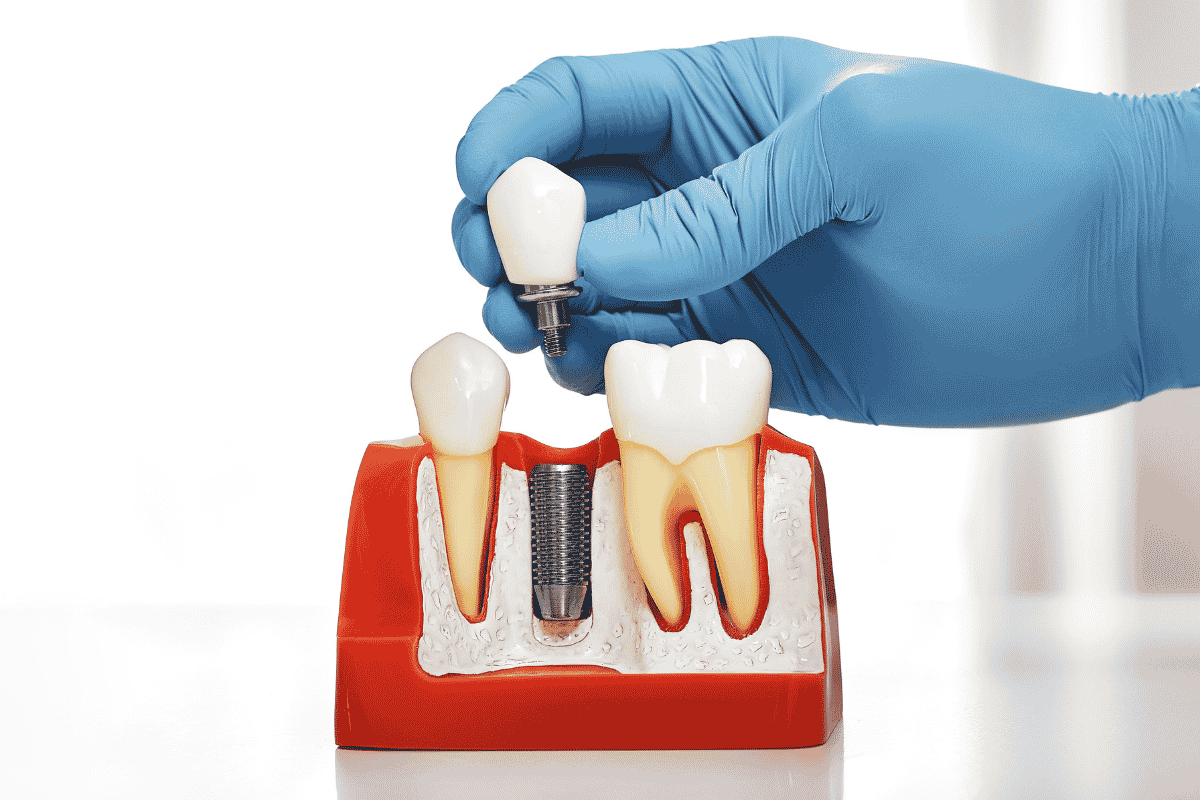
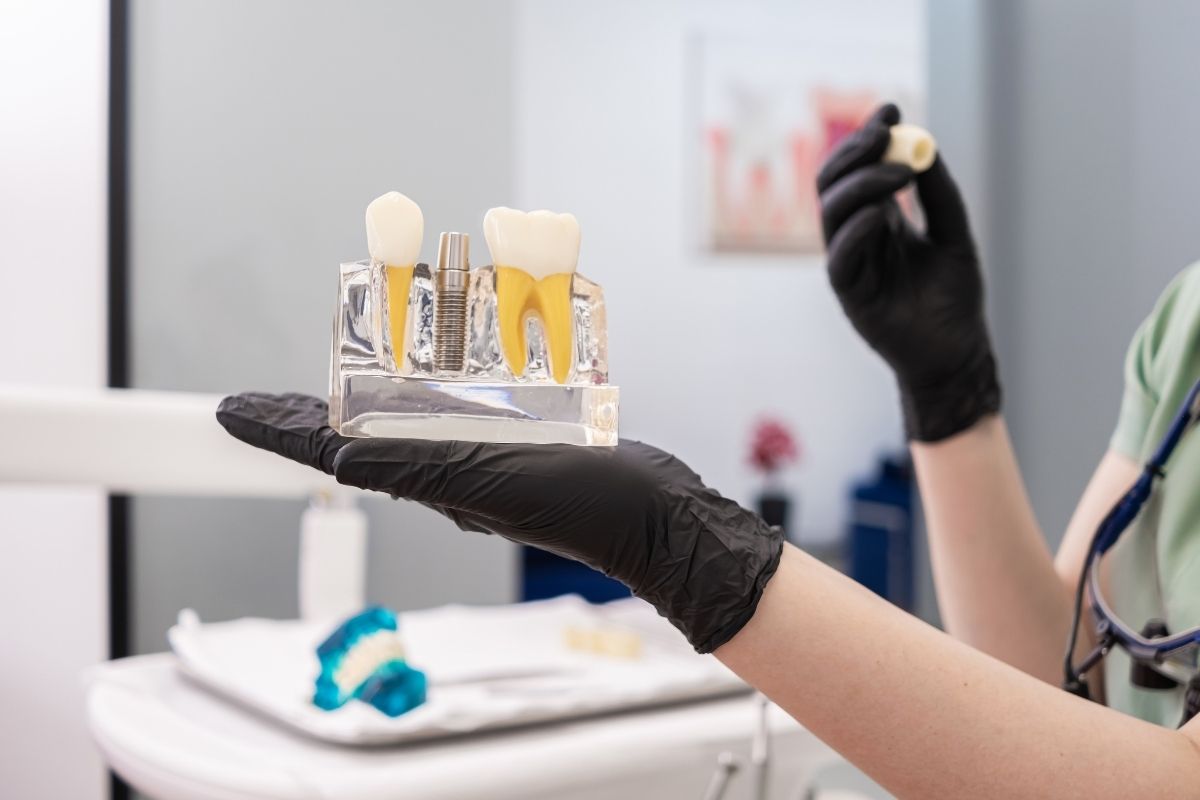
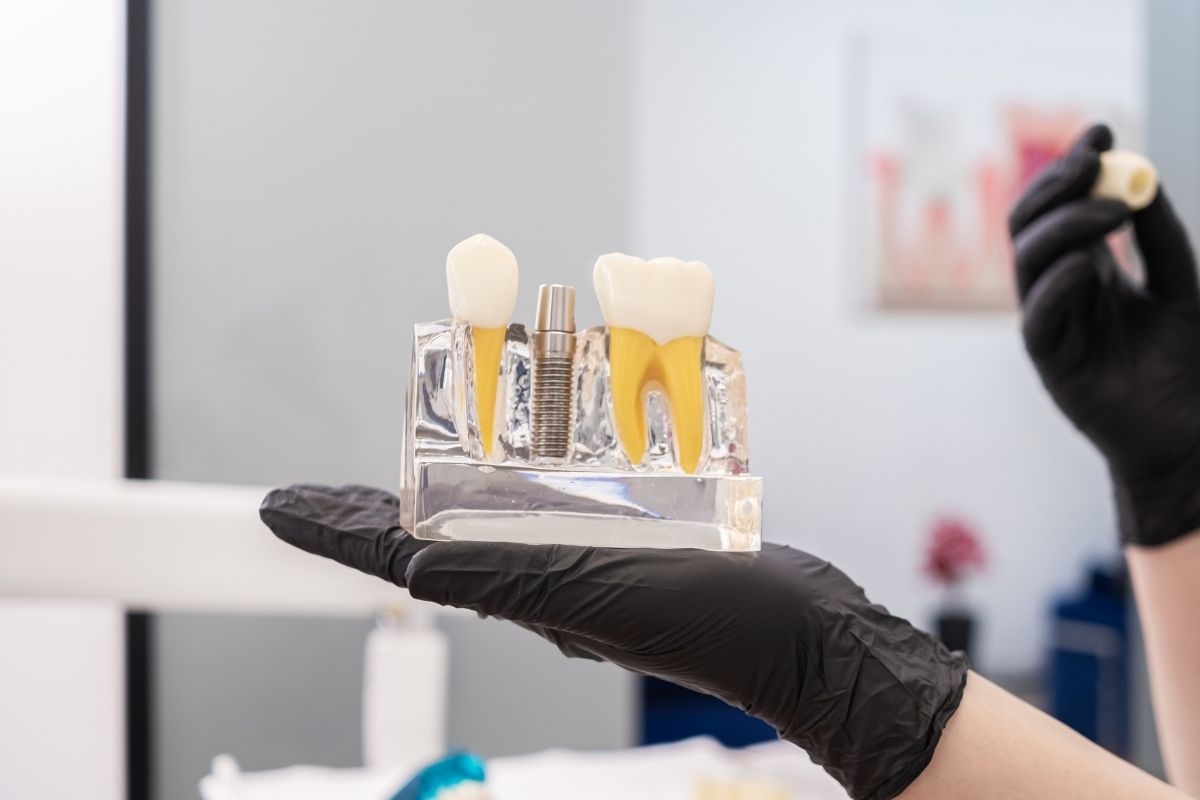
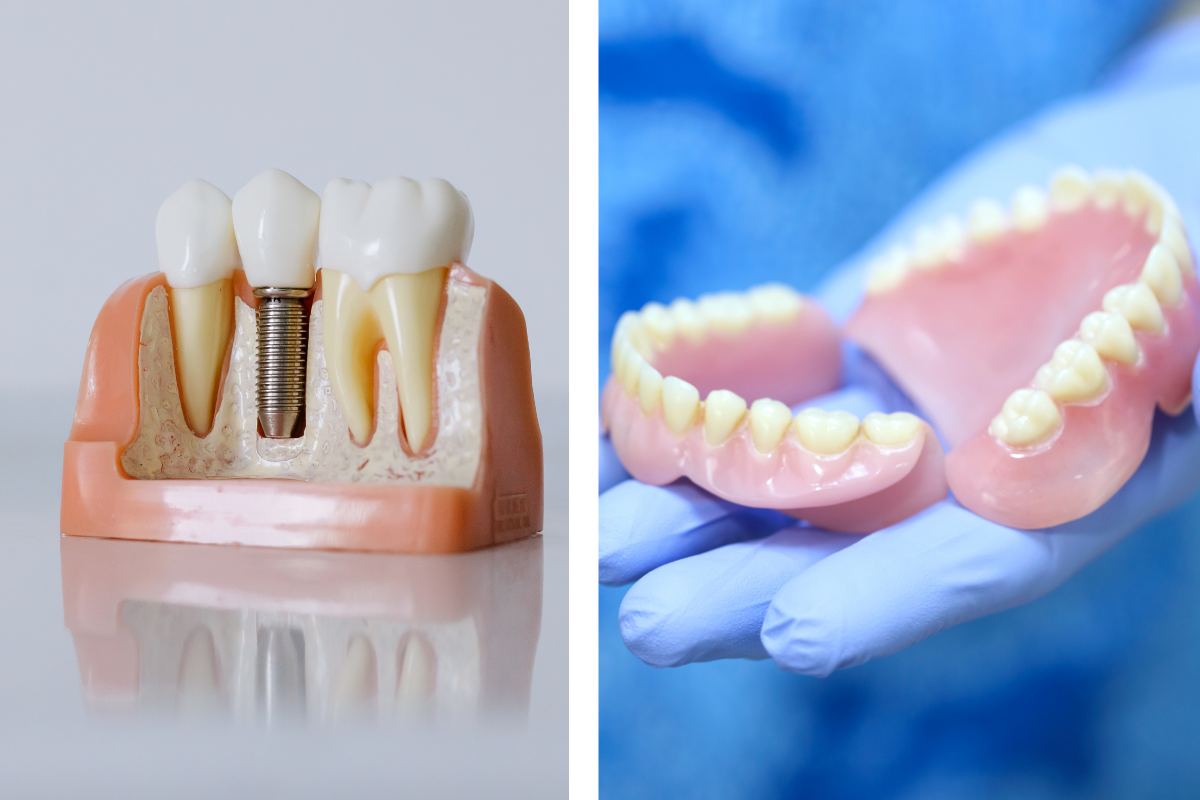
Dental implants are a permanent tooth replacement solution that involves surgically placing titanium posts into your jawbone. These posts serve as artificial tooth roots that support crowns, bridges, or full arches of replacement teeth like All-on-4 implants. Because they integrate with the bone through osseointegration, implants provide stability similar to natural teeth.
What Are Traditional Dentures?
Conventional dentures are removable appliances that replace missing teeth and the surrounding gum tissue. They are typically made from acrylic or metal frameworks and can be full or partial, depending on how many teeth you need to replace. Dentures rest on top of the gums and can be removed for cleaning and maintenance.
While traditional dentures have been a reliable tooth replacement option for many years, they have notable limitations that can affect daily comfort and functionality.
Limitations of Traditional Dentures:
- Instability and Slippage: Dentures can shift or slip while eating or speaking, leading to discomfort and embarrassment.
- Bone Loss: Since dentures rest on the gums without stimulating the jawbone, they do not prevent bone loss over time, leading to a sunken facial appearance.
- Reduced Chewing Ability: They often don’t provide the same bite force as natural teeth or implants, limiting the types of food you can comfortably eat.
- Discomfort and Sore Spots: Dentures can cause irritation, gum sores, or discomfort, especially if they don’t fit perfectly. Adjustments and refitting may be needed frequently.
- Maintenance Requirements: Traditional dentures must be removed daily, cleaned with special solutions, and soaked overnight, adding extra steps to your routine.
- Limited Lifespan: Due to wear and changes in the shape of your mouth, these dental prosthetics typically need to be replaced every 5 to 7 years.
While dentures are more affordable upfront and require no surgical procedures, these limitations can impact your long-term comfort and satisfaction.
How Dental Implants Overcome the Limitations of Dentures?
Dental implants uniquely tackle the challenges associated with dentures. Here’s what to expect.
1. Superior Comfort and Fit
Dental implants don’t need adhesives to stay in place like dentures do. Instead, they offer a more comfortable and secure fit. Implants are surgically placed into the jawbone, mimicking the natural structure of teeth. This provides a stable and snug fit, ensuring a more natural feel.
2. Permanent Solution
One of the greatest advantages of implants is their longevity. With proper care, implants can last a lifetime. This makes them a more cost-effective option in the long run, eliminating the need for frequent replacements or adjustments.
3. Better Chewing Efficiency
Dental implants function just like natural teeth, giving you the ability to chew your favorite foods with ease. Implant-supported teeth allow for better chewing efficiency, meaning you can enjoy a wider variety of foods without discomfort. From crunchy vegetables to tough meats, dental implants enable you to maintain a well-rounded diet without worry.
4. Enhanced Aesthetic Appeal
While dentures improve the appearance of your smile, dental implants offer a more natural and lifelike appearance. Since they are custom-made and embedded in the jawbone, implants look and feel just like real teeth. They blend seamlessly with your natural teeth and gums, providing an aesthetically pleasing result.
5. Preserves Jawbone Health
One of the biggest differences between dental implants and traditional dentures is their impact on jawbone health. When teeth are missing, the jawbone can begin to deteriorate due to the lack of stimulation. Similar to natural teeth, implants stimulate the jawbone. This helps prevent bone loss and preserves the structure of your face, preventing a sunken appearance over time.
6. Low Maintenance
Dental implants are incredibly easy to maintain compared to dentures. Dentures require special cleaning solutions and must be removed for cleaning every night. Implants, on the other hand, can be brushed and flossed just like your natural teeth. You won’t need any special products or additional steps in your oral hygiene routine.
7. Improved Speech
Traditional dentures can sometimes slip or move while talking, which can affect your speech. Dentures may cause slurring or make it difficult to pronounce certain words clearly. Dental implants provide a more stable foundation, which eliminates these issues. You’ll be able to talk without worrying about your teeth shifting or making noises.
While traditional dentures are popular and affordable, dental implants offer distinct advantages. Implants provide greater comfort, durability, and functionality. They also promote long-term oral health effectively. With implants, you enjoy a natural-looking smile and improved chewing ability. You’ll have the confidence of knowing your teeth will stay securely in place.
If you seek a permanent and hassle-free solution for missing teeth, consult with an Mountain View Endodontics today!