

If you delay root canal treatment for too long, the infection inside your tooth will continue to spread. It will not heal on its own. What may begin as mild sensitivity can quickly progress to severe pain, swelling, bone damage, and even tooth loss. In some cases, untreated dental infections can affect your overall health. As an endodontic specialist serving families in Pleasant View for many years, I have seen how early care can prevent serious complications and preserve natural teeth.
At Mountain View Endodontics, our focus is on saving teeth through precise and evidence-based endodontic care. When patients come in early, treatment is often straightforward and highly successful. When they wait, the situation becomes more complex.
Let us walk through what truly happens when treatment is delayed.
Why Root Canal Treatment Is Necessary
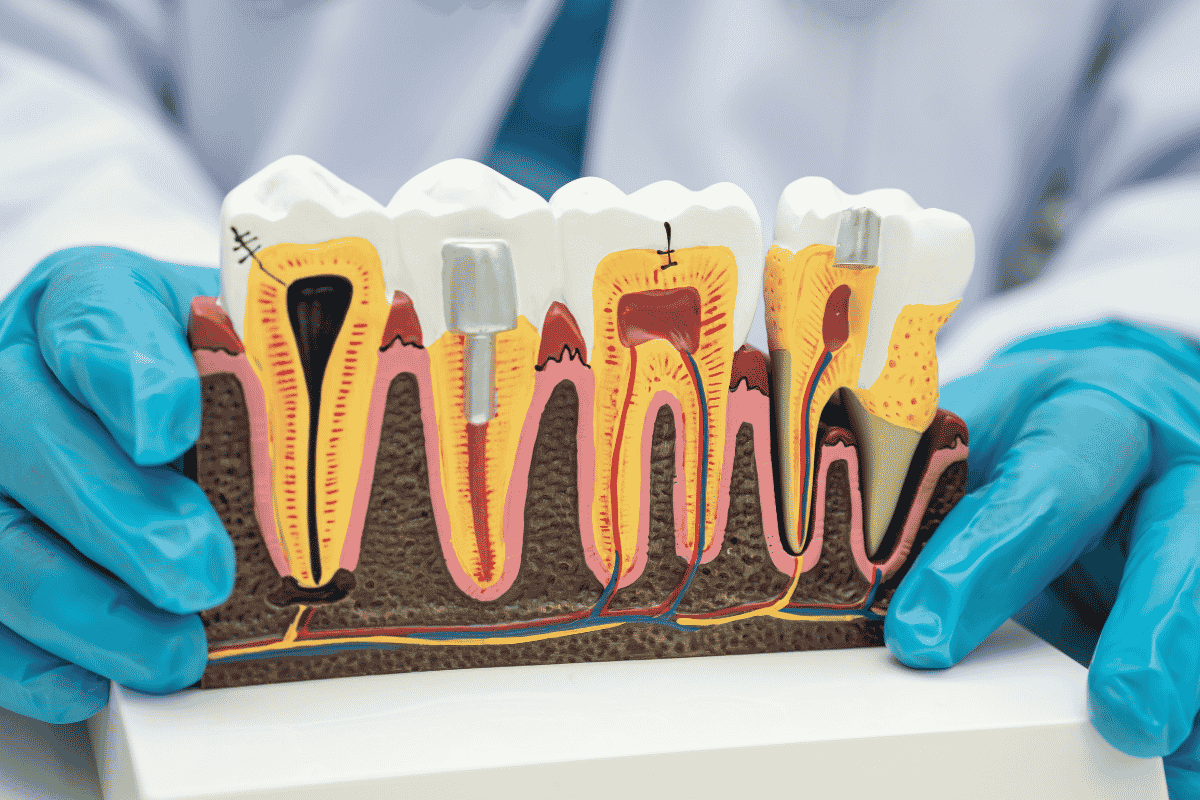
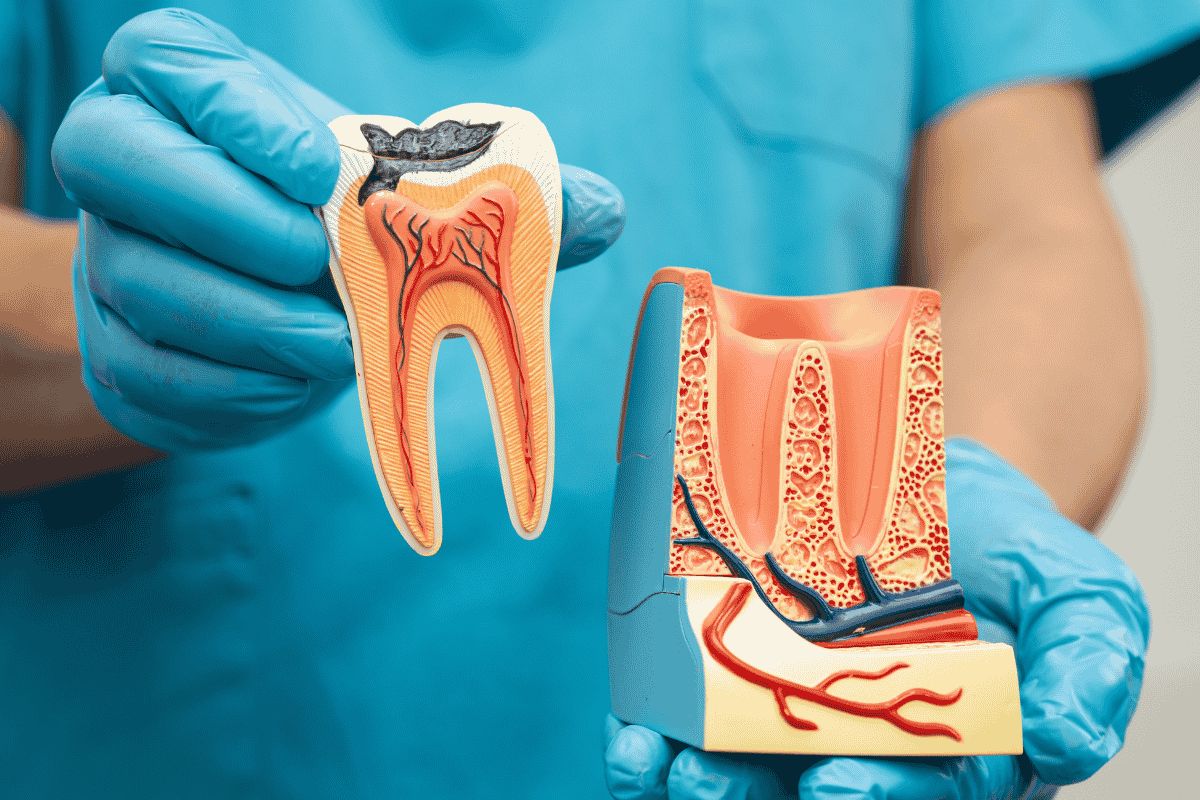
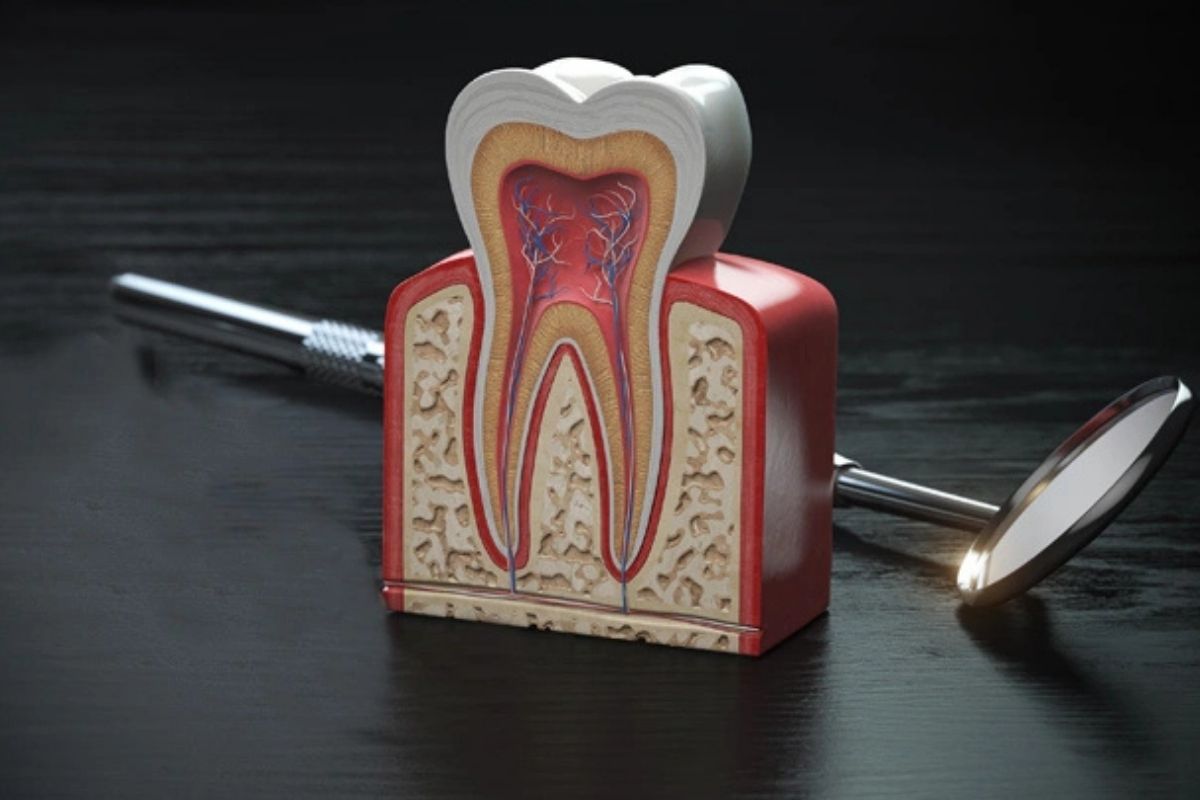
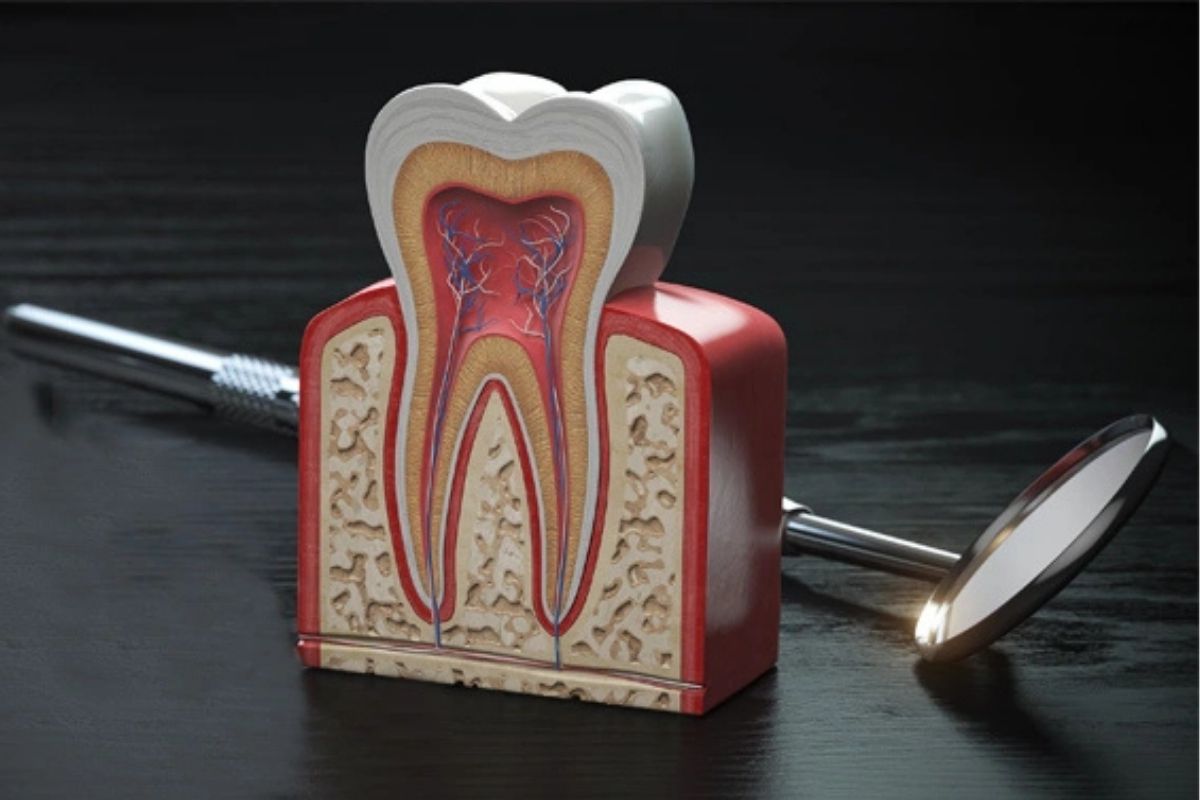
Inside every tooth is a soft tissue called the pulp. This pulp contains nerves, connective tissue, and blood vessels. When bacteria enter the tooth through decay, cracks, or trauma, the pulp becomes inflamed or infected.
Root canal treatment removes the infected tissue, disinfects the internal canal system, and seals the tooth to prevent reinfection. This allows you to keep your natural tooth while eliminating the source of pain.
Without treatment, the infection does not disappear. The bacteria remain active and continue damaging surrounding structures.
What Happens in the Early Stages of Delay
In the beginning, symptoms may feel manageable. You might notice lingering sensitivity to hot or cold, discomfort when chewing, or a dull ache that comes and goes.
Some patients in Pleasant View assume the pain will pass. Occasionally, the pain may temporarily lessen if the nerve tissue begins to die. This can create a false sense of improvement. In reality, the infection is advancing deeper into the root system.
When treated at this stage, root canal procedure in Pleasant View is often simpler, and recovery is smoother.
Progression to Abscess and Swelling
If the infection spreads beyond the root tip, it can form an abscess. This is a pocket of pus caused by bacterial infection.
Common signs include persistent throbbing pain, gum swelling, facial swelling, a bad taste in the mouth, or even fever. Patients sometimes arrive at our Pleasant View office with noticeable facial asymmetry due to swelling.
At this point, treatment is urgent. The goal is not only to relieve pain but to prevent further spread of infection into the jawbone and surrounding tissues.
Bone Loss and Structural Damage
Untreated infection gradually destroys the bone that supports your tooth. Over time, this can compromise the stability of the tooth and surrounding teeth.
When bone loss becomes significant, saving the tooth becomes more difficult. In some advanced cases, extraction may be the only option.
From a clinical perspective, preserving your natural tooth is always the preferred outcome. Natural teeth function better and help maintain proper bite alignment. Acting early significantly improves the likelihood of success.
Potential Impact on Overall Health
While most dental infections remain localized, bacteria can occasionally spread beyond the mouth. In rare but serious situations, infection can enter facial spaces or the bloodstream.
As healthcare professionals, we evaluate every case carefully. Our training in endodontics focuses on both eliminating infection and protecting systemic health. Prompt care dramatically reduces risks and leads to predictable outcomes.
Can a Tooth Heal Without a Root Canal?
Many people delay care due to fear or misconceptions. Modern root canal treatment is designed to relieve pain, not cause it. With effective local anesthesia and contemporary techniques, most patients are comfortable throughout the procedure.
Another concern is recovery. Following proper aftercare guidance for a successful root canal procedure, such as avoiding chewing on the treated tooth until restored and maintaining excellent oral hygiene, supports healing and long term success.
Cost is also a factor for some families. However, postponing care often leads to more extensive treatment later, which can be more costly and time consuming.
When Should You Seek Immediate Care
You should schedule an evaluation if you experience persistent tooth pain, swelling, prolonged sensitivity, discoloration, or discomfort when biting.
In Pleasant View, we often see patients who wish they had acted sooner. Early evaluation allows us to determine whether root canal treatment is needed or if a less invasive option is appropriate.
The sooner infection is addressed, the more predictable the outcome.
The Benefits of Timely Treatment
Choosing prompt root canal treatment offers clear advantages. It eliminates infection at the source. It preserves natural tooth structure. It protects surrounding bone and prevents abscess formation. It also reduces the likelihood of more complex procedures later.
When patients receive root canal treatment at the appropriate time, they typically return quickly to normal function with minimal disruption to daily life.
Conclusion
Delaying root canal treatment allows infection to progress. What begins as mild discomfort can escalate into severe pain, swelling, bone loss, and even tooth loss. In rare cases, untreated infection may pose broader health risks.
Root canal treatment is a predictable and highly effective procedure when performed promptly by a trained specialist. Acting early protects your natural tooth, your comfort, and your long term oral health.
If you are experiencing symptoms of a possible tooth infection in Pleasant View, seeking a professional evaluation is the most responsible step. Early diagnosis and treatment can prevent unnecessary complications and help you maintain a healthy, functional smile for years to come.
If you suspect you may need root canal treatment, contact Mountain View Endodontics to arrange a comprehensive evaluation. Our team is committed to delivering precise, patient-centered care for the Pleasant View community.
FAQs
How long can I safely delay root canal treatment?
There is no safe timeline for delaying root canal treatment once infection is present. The condition does not improve on its own. The longer you wait, the greater the risk of abscess, bone damage, and tooth loss. Early treatment leads to more predictable outcomes.
Can antibiotics replace root canal treatment?
No. Antibiotics may reduce swelling temporarily, but they do not remove infected tissue from inside the tooth. Only root canal treatment eliminates the source of infection by cleaning and sealing the canal system.
What are the signs that I should not ignore?
You should seek evaluation if you experience persistent tooth pain, swelling in the gums or face, sensitivity that lingers after hot or cold exposure, discoloration of a tooth, or discomfort when chewing. These symptoms often indicate pulp infection.
What happens if an abscess is left untreated?
An untreated abscess can destroy surrounding bone and spread infection into nearby tissues. In rare cases, bacteria can move beyond the jaw and affect overall health. Prompt treatment prevents serious complications.
Is it ever too late to save a tooth with root canal treatment?
In many cases, even teeth with significant infection can still be saved. However, if there is extensive structural damage or severe bone loss, extraction may be necessary. Early diagnosis greatly improves the chance of saving the natural tooth.