

If you’ve been putting off a root canal, you’re not alone. Most people in Pleasant View dread the idea before they even sit in the chair. But here’s the truth; understanding what you’ll actually feel during your root canal procedure in Pleasant View can completely change how you experience it. At Mountain View Endodontics, Dr. Stuart Gibby walks every patient through each step with care, patience, and honesty. This article does the same thing in plain language, with no sugarcoating.
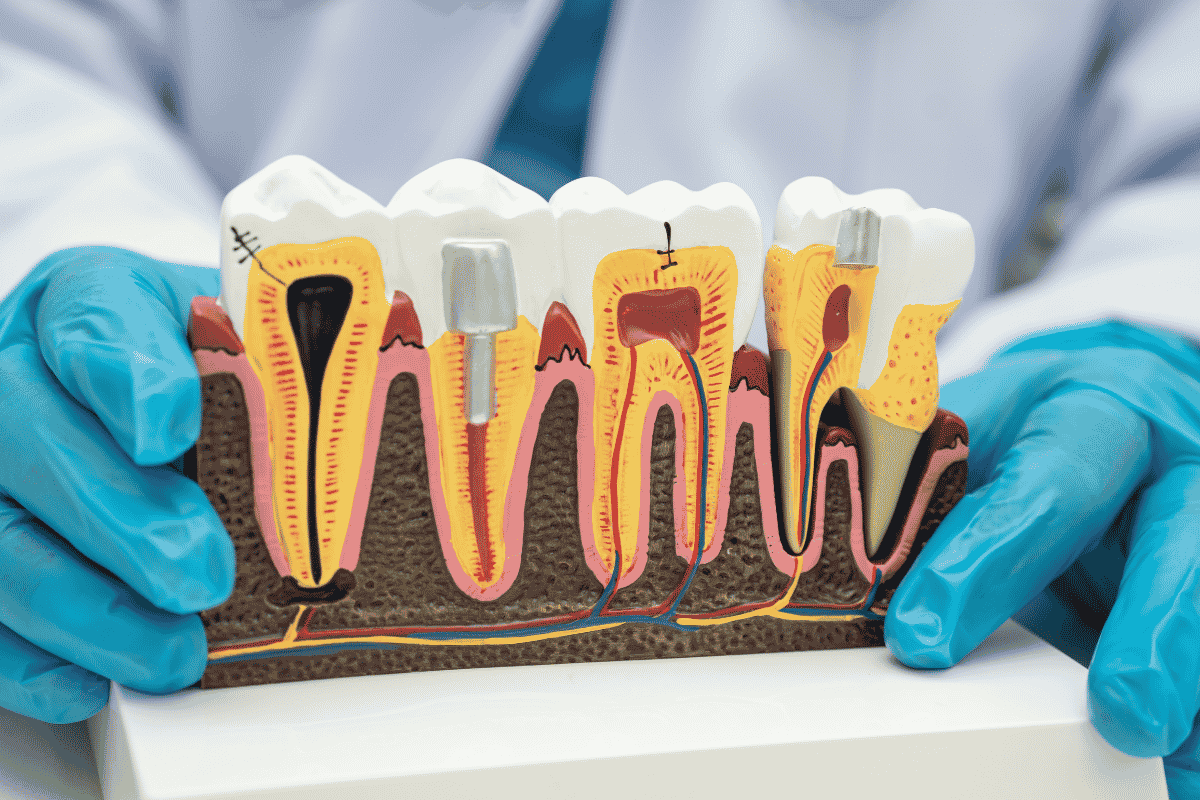
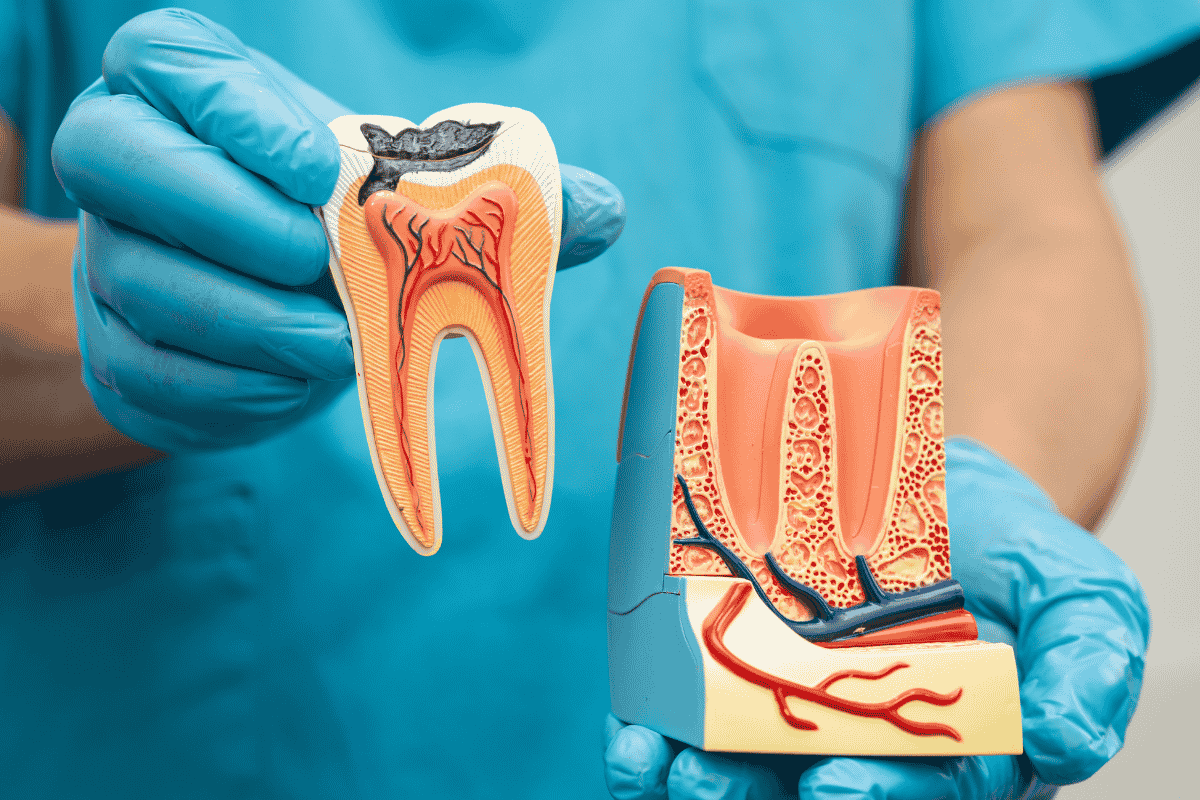
Before we dive in, it helps to know what a root canal actually does. It removes infected or inflamed tissue from inside your tooth. That tissue called pulp is what causes the pain you feel before treatment. The procedure doesn’t create pain. It ends it. Many patients are surprised by how manageable the whole experience is. If you’d like to explore the procedure in detail before your visit, learn more about root canal treatment at our practice page.
Step One: Numbing the Area: What You’ll Actually Feel First
This is the part most patients are most nervous about. Dr. Gibby will apply a topical numbing gel to your gum before any injection. You’ll feel a brief pressure or pinching sensation as the local anesthetic is administered. Most patients describe it as no worse than a routine filling.
Within a few minutes, the area will be completely numb. You won’t feel pain during the procedure itself. You may feel pressure or movement that’s normal. But sharp pain? That should not happen. If it does, you let Dr. Gibby know immediately and he adjusts.
Here’s what the numbing phase typically involves:
- Topical gel applied to your gum for comfort
- A small injection of local anesthetic near the tooth
- A few minutes of waiting while the numbness sets in
- A quick check to confirm you’re fully numb before proceeding
This step sets the tone for everything that follows. Once you’re numb, the anxiety usually drops significantly. Many patients feel their shoulders relax the moment they realize they can’t feel a thing.
During the Procedure: Sensations, Sounds, and What’s Normal
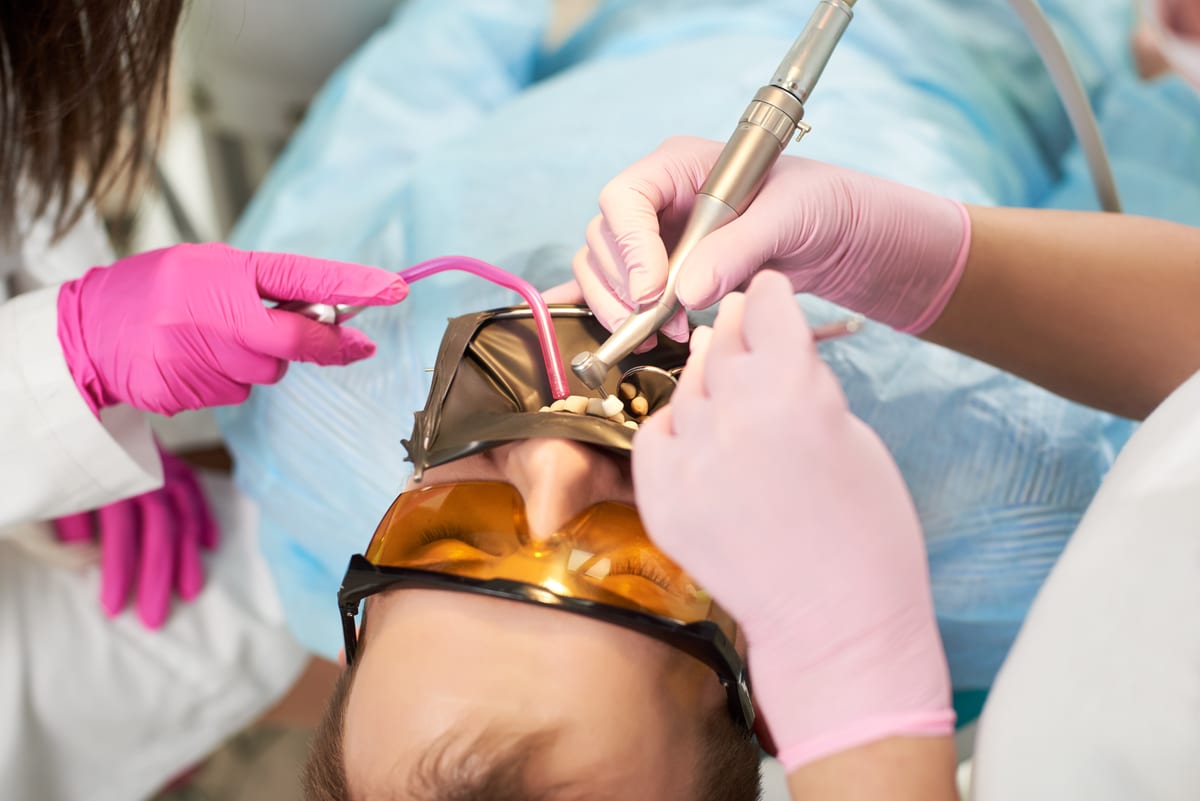
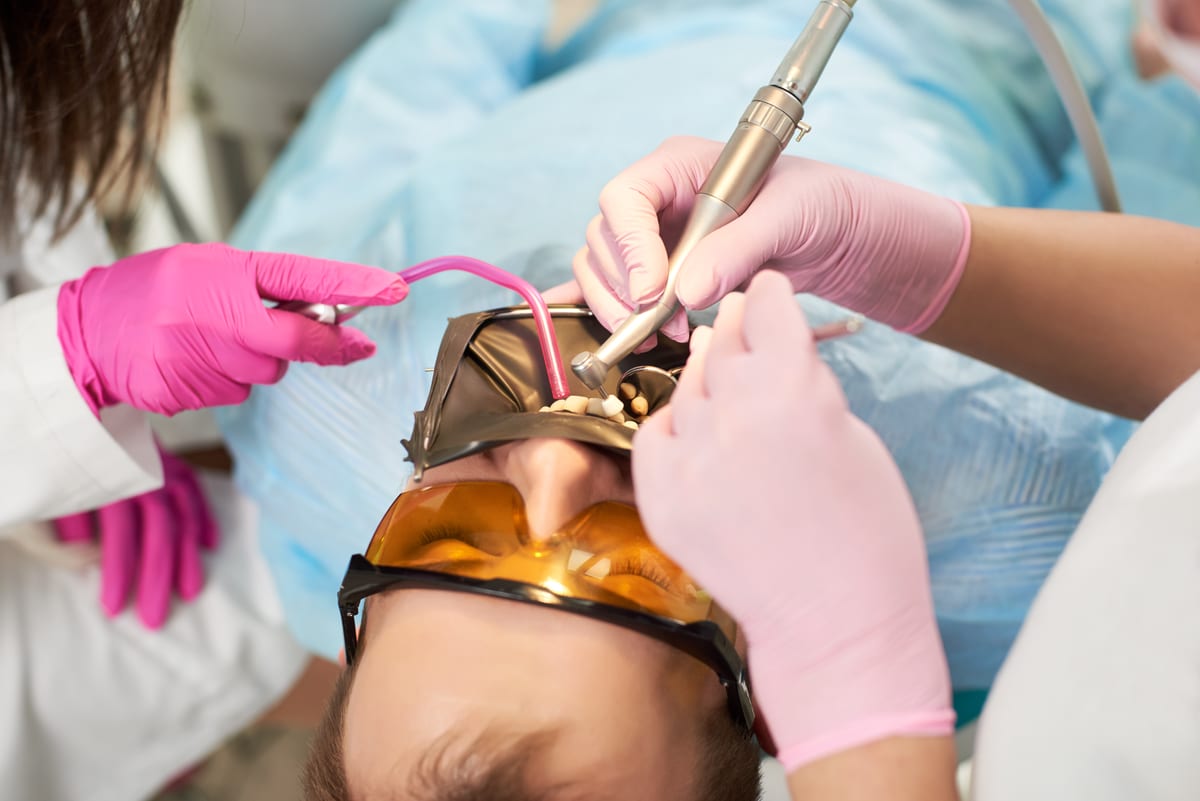
Now that you’re numb, Dr. Gibby places a small rubber dam around the tooth. This keeps the area clean and dry during treatment. You’ll feel it seated around your tooth, but it won’t hurt. It may feel slightly unusual, but most patients adjust quickly.
Next comes the cleaning phase. Dr. Gibby uses small, precise instruments to remove infected pulp from inside your tooth. You’ll hear the instruments working. You may feel mild pressure or vibration. Pain should be absent entirely.
Some patients notice:
- A sensation of pressure when the instruments move inside the tooth
- Mild vibration from the tools used during cleaning
- An occasional feeling of fullness in the jaw is normal
- Sounds that can seem intense but are not a sign of pain
The cleaning phase takes the most time. Dr. Gibby works carefully to remove all infected tissue and shape the canals. Rushing this step leads to problems down the road, so precision matters here. You can breathe, relax, and even listen to music during this part.
Some patients feel mild sensitivity if a file reaches near the tip of the root. This is brief and manageable. Dr. Gibby will check in with you regularly throughout the procedure to make sure you’re comfortable.
The Filling Stage: Sealing the Tooth in Pleasant View
Once the canals are clean and shaped, Dr. Gibby fills them with a biocompatible material called gutta-percha. This seals the inside of the tooth and prevents future infection. You’ll feel mild pressure during this step. There’s no pain involved at this stage.
A temporary or permanent filling is then placed on top. This restores the structure of the tooth and protects it until your crown is placed. The filling process feels similar to getting any standard dental restoration. Most patients find this part unremarkable.
By the time this step is complete, the procedure is essentially done. Dr. Gibby will take a final X-ray to confirm everything looks correct. You’ll still be numb at this point, so you won’t feel the X-ray process at all.
After the Procedure: What to Expect in the Hours That Follow
Once the anesthetic wears off, you may notice some soreness around the treated area. This typically starts within a few hours of your appointment. It’s not the same as the pain that brought you in it’s more like a dull ache from the procedure itself.
Most patients manage post-procedure discomfort with over-the-counter pain relievers. Dr. Gibby will give you specific recommendations before you leave. The soreness usually peaks within the first 24 to 48 hours and then fades steadily.
Here’s what the recovery period generally looks like:
- Day 1: Mild to moderate soreness as the anesthetic wears off
- Day 2–3: Tenderness when biting down on the treated tooth
- Day 4–7: Significant improvement in most cases
- Week 2 onward: Most patients feel completely back to normal
Avoid chewing hard foods on the treated side until your crown is placed. Keep the area clean with regular brushing and flossing. If you notice increasing pain, swelling, or fever after your appointment, contact Mountain View Endodontics promptly.
The vast majority of patients in Pleasant View are genuinely surprised by how manageable the recovery is. The pain they feared turned out to be far less significant than the toothache that sent them in.
Why Patients in Pleasant View Choose Dr. Stuart Gibby
Dr. Gibby built Mountain View Endodontics around one simple idea patients deserve honest, compassionate care. He takes time to explain what’s happening at each step. He answers questions without rushing. And he makes sure every patient feels heard before, during, and after treatment. Endodontics is a specialty focused entirely on saving teeth. Dr. Gibby’s training and experience allow him to handle complex cases with precision. Whether your tooth has one canal or four, his approach stays the same careful, thorough, and patient-centered.
Patients from across the Pleasant View area trust this practice for root canals, tooth extractions, dental implants, and emergency dentistry. The goal is always to help you keep your natural teeth whenever possible. A root canal is one of the most effective ways to do exactly that.
You don’t have to walk into your appointment feeling anxious. You can walk in informed. And that makes all the difference. Contact us to schedule your appointment with our team.
Frequently Asked Questions
Will I feel pain during my root canal in Pleasant View?
No. With proper local anesthesia, you should not feel pain during the procedure. You may feel pressure or mild vibration, but sharp pain should not occur. Dr. Gibby checks your comfort throughout the entire appointment and adjusts as needed.
How long does a root canal procedure take?
Most root canal procedures at Mountain View Endodontics take between 60 and 90 minutes. More complex cases with multiple canals may take longer. Dr. Gibby will give you a time estimate during your consultation so you can plan accordingly.
How sore will I be after the procedure?
Most patients experience mild to moderate soreness for the first one to three days after treatment. This is normal and expected. Over-the-counter pain relievers are usually sufficient to manage discomfort. Significant pain after the first few days is uncommon and should be reported to the practice.
Is a root canal better than extracting the tooth?
In most cases, saving your natural tooth is the preferred outcome. Natural teeth function better than replacements and help preserve your jawbone and surrounding teeth. Dr. Gibby will always discuss your options honestly so you can make the best decision for your long-term oral health.
What happens if I need a crown after my root canal?
Most back teeth require a crown after root canal treatment to protect the tooth from cracking. Dr. Gibby will refer you back to your general dentist for crown placement. The timing and process will be explained clearly before you leave your appointment.