

Have you ever woken up with a dull ache in your tooth that gradually intensifies over days or weeks? You might brush it off initially, but when the pain becomes persistent, you start to wonder if something’s wrong. This scenario is all too common for many Americans dealing with tooth resorption, a condition where your body begins to break down and absorb your own tooth structure. It’s a silent issue that often goes unnoticed until significant damage occurs.
What Is Tooth Resorption?
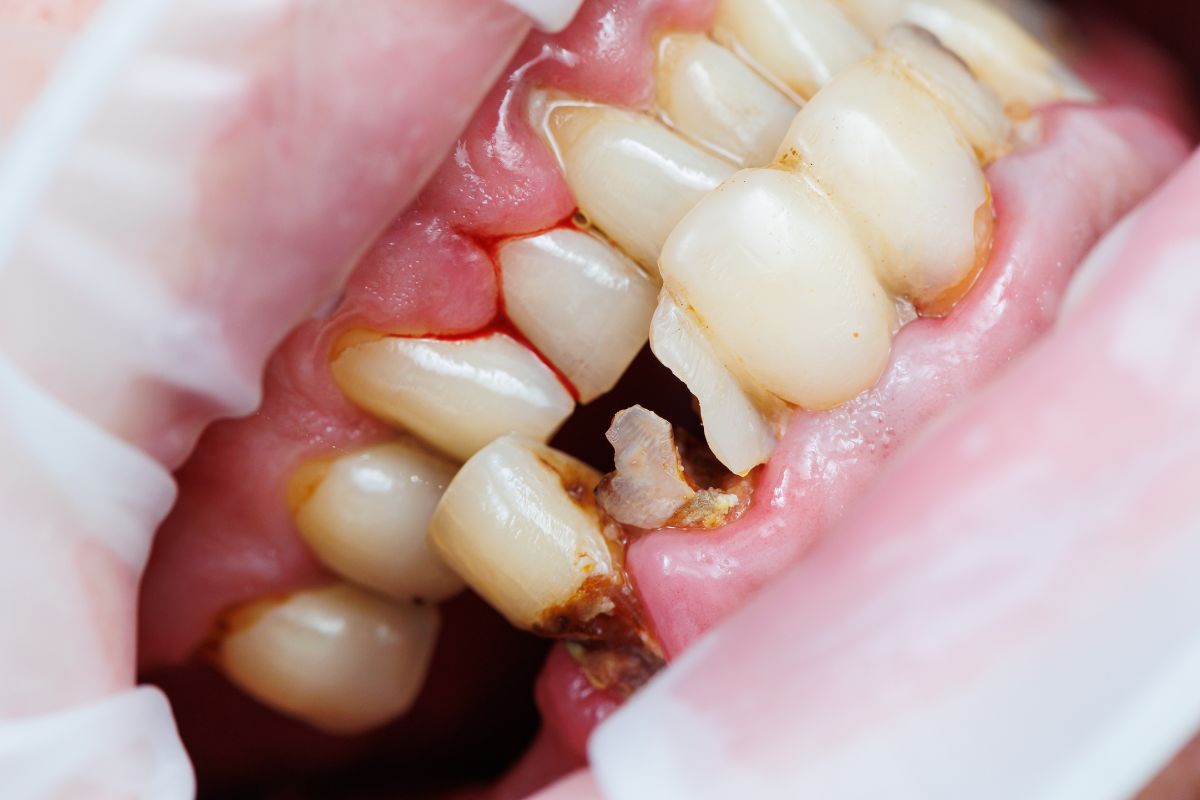
This is a process where the body starts to break down and absorb the tissue of a tooth. This happens internally, within the tooth’s pulp, or externally, affecting the root surface. While the exact cause isn’t always clear, factors like trauma, infection, or previous dental procedures can contribute to this condition.
Causes of Tooth Resorption
Several factors can lead to tooth resorption:
- Trauma or Injury: A blow to the tooth can initiate the resorption process.
- Infection: Bacterial infections can invade the tooth’s pulp, leading to internal resorption.
- Previous Dental Procedures: Past treatments can increase the risk, especially if not properly executed.
- Orthodontic Treatment: In rare cases, the movement of teeth during braces treatment can trigger resorption.
Symptoms of Tooth Resorption
Recognizing the signs early can help in timely intervention:
- Persistent Toothache: A dull ache that doesn’t subside.
- Sensitivity: Increased sensitivity to hot or cold.
- Discoloration: The tooth may appear darker or have a different hue.
- Swelling: Gums around the affected tooth might swell.
- Loose Tooth: In advanced cases, the tooth may feel loose.
The Most Effective Treatments to Address Tooth Resorption
At Mountain View Endodontics, several procedures are available to address tooth resorption:
Root Canal Treatment
This procedure involves removing the infected pulp and sealing the tooth to prevent further damage. It’s often the first line of defense against internal resorption. Our experienced endodontist utilizes advanced techniques to ensure the procedure is as comfortable as possible.
Retreatment
If a previous root canal fails or resorption reoccurs, retreatment may be necessary. This involves reopening the tooth, removing the old filling material, and cleaning the canals again before sealing them.
Endodontic Microsurgery
For cases where conventional treatments don’t suffice, microsurgery, such as an apicoectomy, may be performed. This involves removing the tip of the tooth’s root and sealing it to prevent further infection.
Dental Implants
If the tooth cannot be saved, extraction followed by a dental implant may be recommended. This involves placing a titanium post into the jawbone to support a replacement tooth.
Frequently Asked Questions
1. Can tooth resorption be prevented?
While not all cases are preventable, maintaining good oral hygiene and seeking prompt treatment for dental injuries can reduce the risk.
2. How can I tell if I have tooth resorption?
If you’re experiencing persistent tooth pain, sensitivity, or notice changes in your tooth’s appearance, consult with a dental professional for an evaluation.
3. Is root canal treatment painful?
With modern techniques and anesthesia, root canal treatments are generally comfortable. Many patients report feeling little to no pain during the procedure.
4. How long does recovery take after endodontic surgery?
Recovery times can vary, but most patients experience minimal discomfort and can resume normal activities within a few days.
5. Are dental implants a permanent solution?
Dental implants are designed to be a long-term solution, but their success depends on factors like oral hygiene and regular dental visits.
6. Can tooth resorption affect children?
Yes, while more common in adults, children can also experience tooth resorption, especially following dental trauma.
Taking Action Against Tooth Resorption
Tooth resorption is a serious dental condition that requires prompt attention. If you’re experiencing symptoms or have concerns about your oral health, don’t hesitate to consult with a dental professional.
Visit our dental office at Mountain View Endodontics, where our experienced team is ready to provide the care you need. Book an appointment today and take the first step toward preserving your smile.