

The issue of missing teeth is completely resolved with dental implants. However, the choice of materials can impact the results and durability of prosthetic teeth. Many might already be familiar with titanium and zirconia, two popular materials used for implant fabrication. Keep reading this blog to explore what features make these tooth implants stand out, and which suits your replacement needs.
What Is A Titanium Dental Implant?
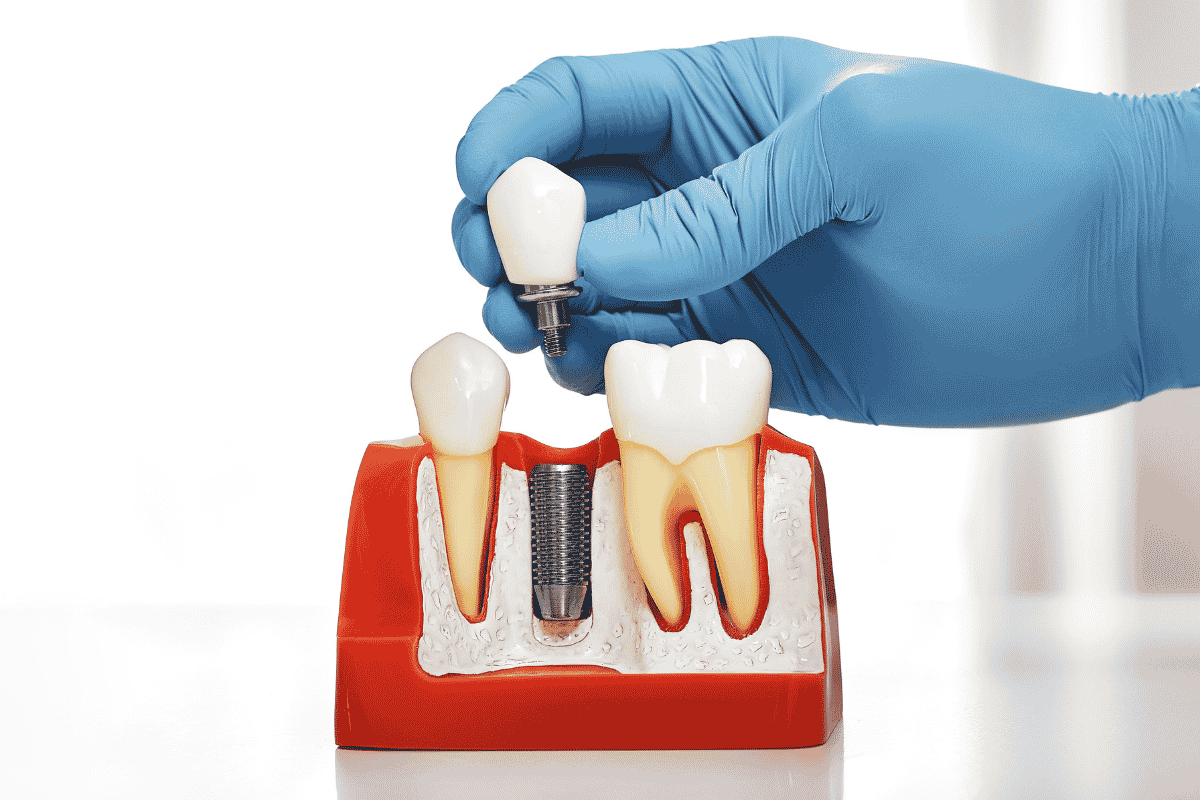
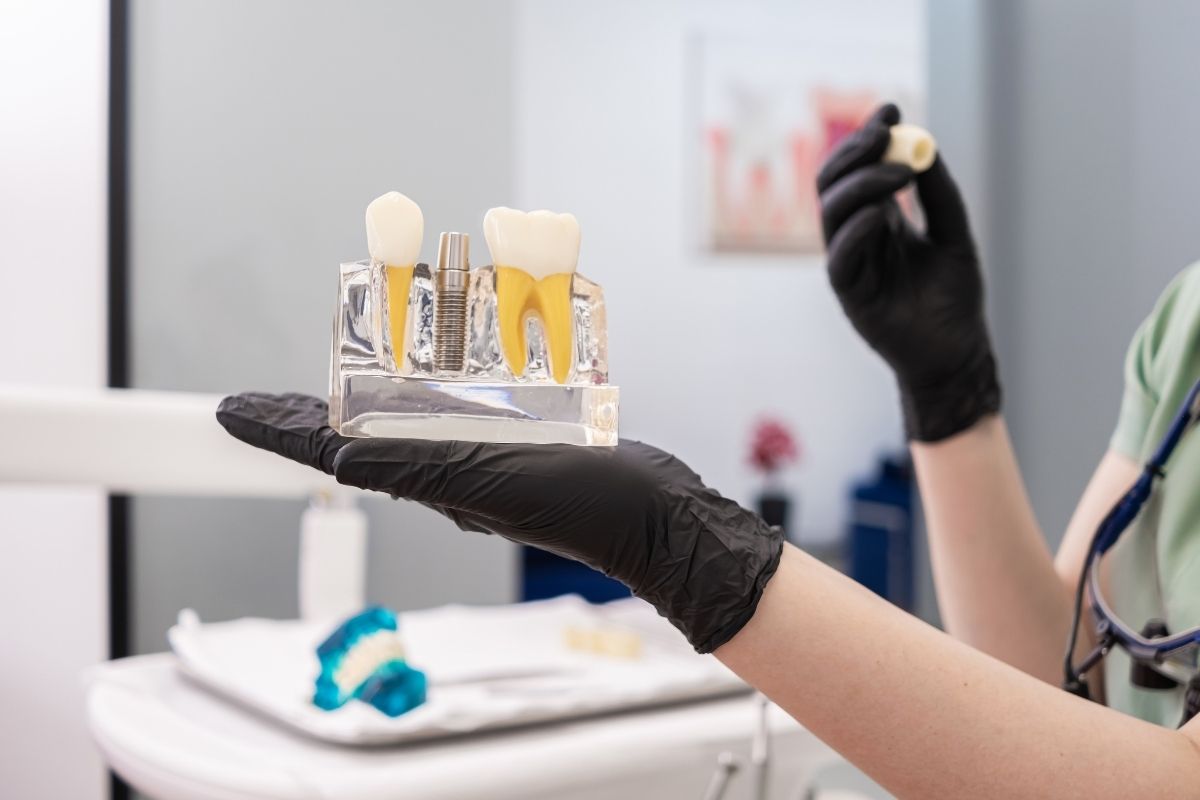
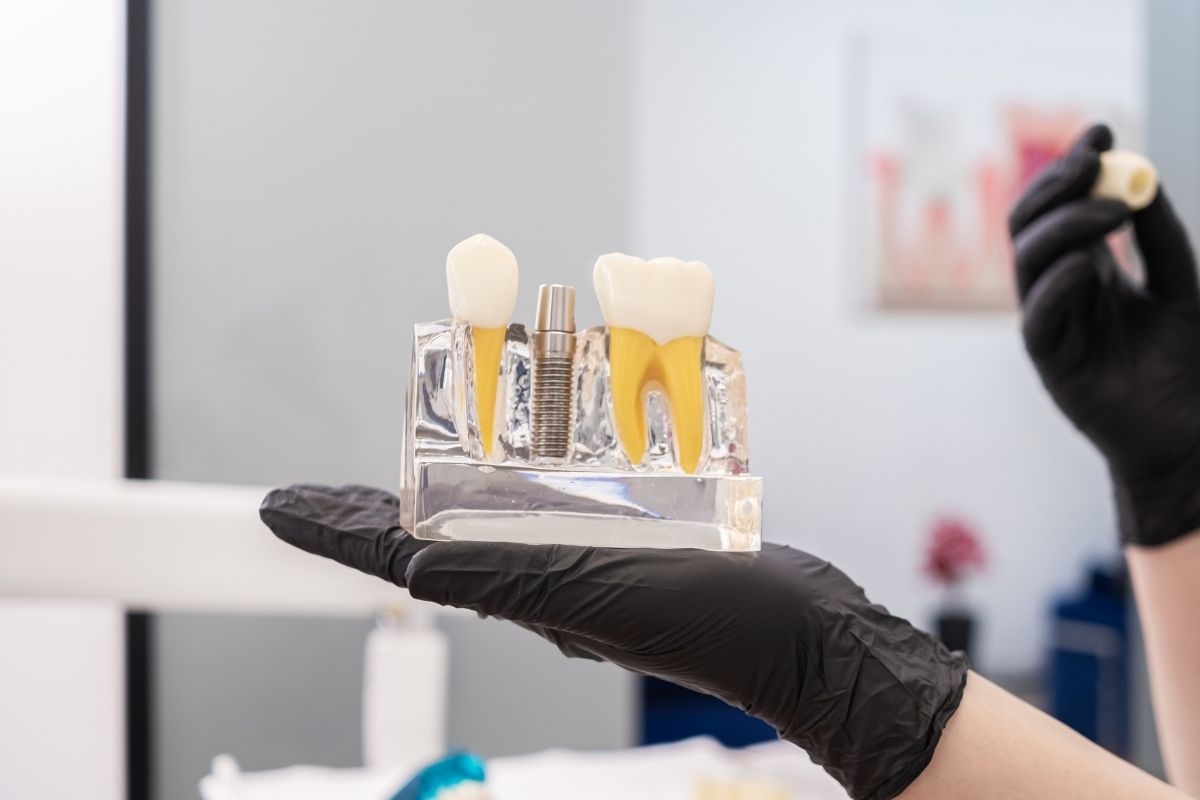
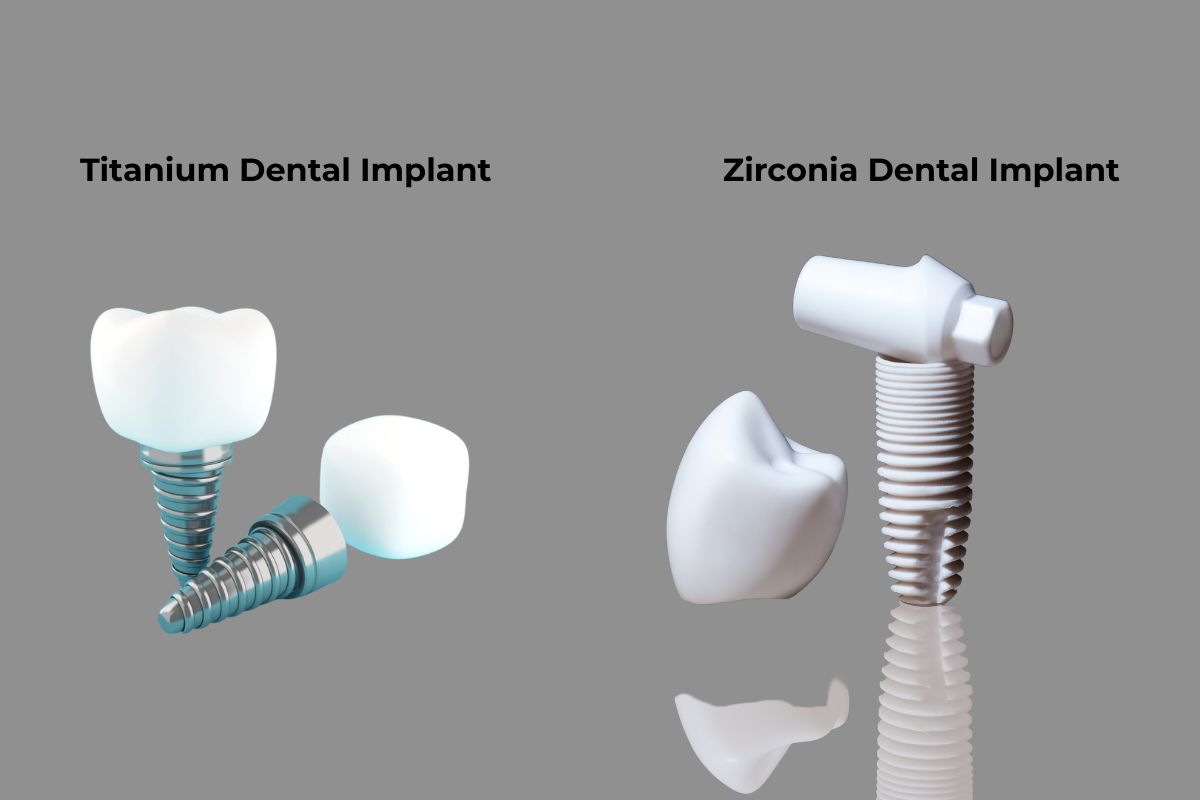
A titanium implant is a small metal post placed into the jawbone to function like a natural tooth root. Over time, it fuses with the surrounding bone to provide a stable crown, bridge, or denture foundation. This prosthetic solution usually features three essential elements: a metal root, an abutment connecting the root and crown, and an artificial tooth.
Titanium has been used in dental procedures for decades. It is known for its strength, biocompatibility, and long-term success. With proper care, titanium restorations can last many years, often for a lifetime.
What Is A Zirconia Dental Implant?
Zirconia implants are made from zirconium dioxide, a type of ceramic material. Unlike titanium, zirconia prostheses are often fabricated as a single piece, combining both the root and the visible crown support. This can reduce the number of components involved and limit placement flexibility.
Zirconia is white, odorless, and metal-free, making it a popular choice for patients with metal sensitivities. Opt for this material in your implant if you prioritize natural-looking results near the gumline.
Safety and Compatibility
Both titanium and zirconia materials are FDA-approved and considered safe for use in the body. Titanium has been the gold standard for over 50 years, with a proven safety and effectiveness track record. Allergic reactions are rare, though they can happen in exceptional cases. If concerns arise, zirconia offers a biocompatible alternative generally well-tolerated by most patients. It’s better to approach an endodontist to recommend the appropriate material for your dental implants in Layton.
Strength and Longevity
Titanium implants are widely appreciated for their durability. The metal’s slight flexibility helps absorb the chewing forces, making it less prone to fracture under pressure. Zirconia is also strong, but its ceramic composition can make it more fragile in certain conditions.
Prostheses made with titanium have been known to support reliable outcomes for several decades. Zirconia implants are known to last anywhere between 15 and 25 years. However, good oral hygiene, the strength of the surrounding jawbone and tissues, and routine dental checkups determine the longevity of these prosthetic roots.
Esthetics and Placement
When it comes to appearance, zirconia does have an edge over titanium prostheses. It mimics the natural color of teeth and may be a better choice for patients with thin or translucent gums. However, the metal root of titanium implants is usually hidden beneath the gum and bone. Book an appointment with an endodontist to achieve an aesthetically pleasing smile with the right prosthetic material.
Titanium systems are more flexible in terms of placement. Since they come in multiple parts, endodontists have more control over angulation and positioning, especially in full-arch restoration. This versatility can contribute to more natural-looking results and boost your confidence while flaunting a complete smile. Visit our dental office to explore implant materials, compare their pros and cons, and select the option for final placement.
Both titanium and zirconia offer unique benefits, and choosing the right one depends on your individual tooth replacement needs. According to many, titanium continues to be the most trusted and versatile option in dental restoration today. If you’re considering artificial roots to fill the gaps left by lost teeth, visit Mountain View Endodontics. Let us help you choose implant materials that align with your health, function, and long-term goals.