


Dental neuralgia refers to intense, sharp pain originating from the nerves in or around the teeth. This condition can significantly impact your quality of life, making everyday activities like eating, drinking, or even talking challenging. If you are experiencing this discomfort, understanding its causes and treatment options is essential.
What Causes Neuralgia In Teeth?
Tooth neuralgia often results from irritation or damage to the trigeminal nerve, which provides sensation to the face and mouth. Common triggers include:
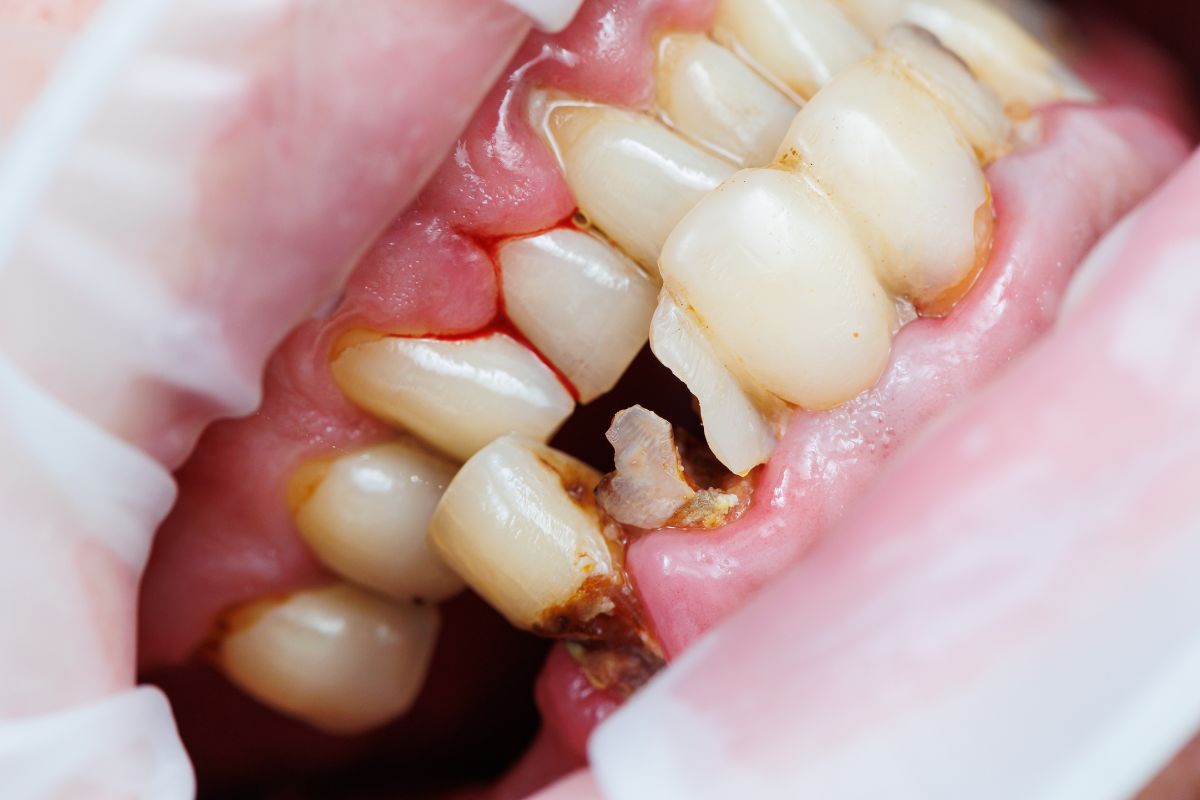
- Dental Issues: Cavities, cracked teeth, or gum infections can irritate nerve endings, leading to pain.
- Trauma Or Surgery: Injuries or dental procedures, like extractions or implants, may disrupt nerve function.
- Bruxism: Teeth grinding or clenching can pressure nerves, worsening neuralgia.
- Sinus Problems: Infections in the sinus cavities can press on nearby nerves, causing referred pain in the teeth.
Identifying Symptoms Of Dental Neuralgia
Unlike regular toothaches, neuralgia typically involves sudden, sharp, or stabbing pain. This pain may be intermittent, lasting a few seconds to minutes, and is often triggered by stimuli like cold air, hot or cold beverages, or even touch. Neuralgia pain may also radiate to adjacent teeth, gums, or the jaw.
How Do I Get Rid Of Neuralgia In My Teeth?
Finding relief requires identifying and addressing the root cause of the neuralgia. Below are common approaches to treatment:
Visit an Endodontist for Diagnosis And Treatment
The first step in managing dental neuralgia is consulting a qualified endodontist. A thorough examination, including X-rays or scans, can help determine if the issue is related to dental problems, such as an infected tooth or a misaligned bite. If identified, addressing the underlying cause often alleviates the nerve pain.
Medications For Pain Relief
Medications may sometimes be prescribed to manage the pain or reduce nerve sensitivity.
These could include:
- Anti-inflammatory drugs to reduce swelling around the nerve.
- Anticonvulsants are commonly used for nerve pain.
- Topical anesthetics for temporary relief.
Lifestyle Adjustments And Home Care
In addition to professional treatment, specific lifestyle changes can help manage neuralgia:
- Avoid triggers such as excessively hot, cold, or acidic foods.
- Use a soft-bristled toothbrush to prevent irritation of sensitive teeth.
- Practice stress management to reduce jaw clenching and tension.
Advanced Dental Procedures
If more uncomplicated measures do not provide relief, more advanced dental interventions might be necessary:
- Root Canal Therapy: In cases where nerve damage stems from deep decay or infection, root c
- anal treatment can eliminate the problem.
- Surgical Intervention: Rarely, surgical procedures like nerve decompression are needed for persistent neuralgia.
Preventing Tooth Neuralgia
While not all cases of neuralgia can be prevented, taking proactive steps to maintain good oral health can minimize your risk. Regular dental check-ups are essential to catch potential problems early.
Additionally, wearing a mouthguard if you grind your teeth, practicing good oral hygiene, and promptly addressing sinus or jaw issues can help protect your nerves.
When To Seek Immediate Dental Care?
If the pain becomes unbearable, persists despite home remedies, or is accompanied by symptoms like swelling, fever, or difficulty opening your mouth, seek immediate care. Persistent neuralgia may indicate a more serious underlying issue that requires professional intervention.
Conclusion
Tooth neuralgia can be debilitating, but effective treatments and preventative measures are available. If you are experiencing this pain, addressing it quickly is crucial. Mountain View Endodontics can diagnose and recommend the most suitable course of action. Thus, you can effectively manage and prevent dental neuralgia by combining professional care with proper home practices.