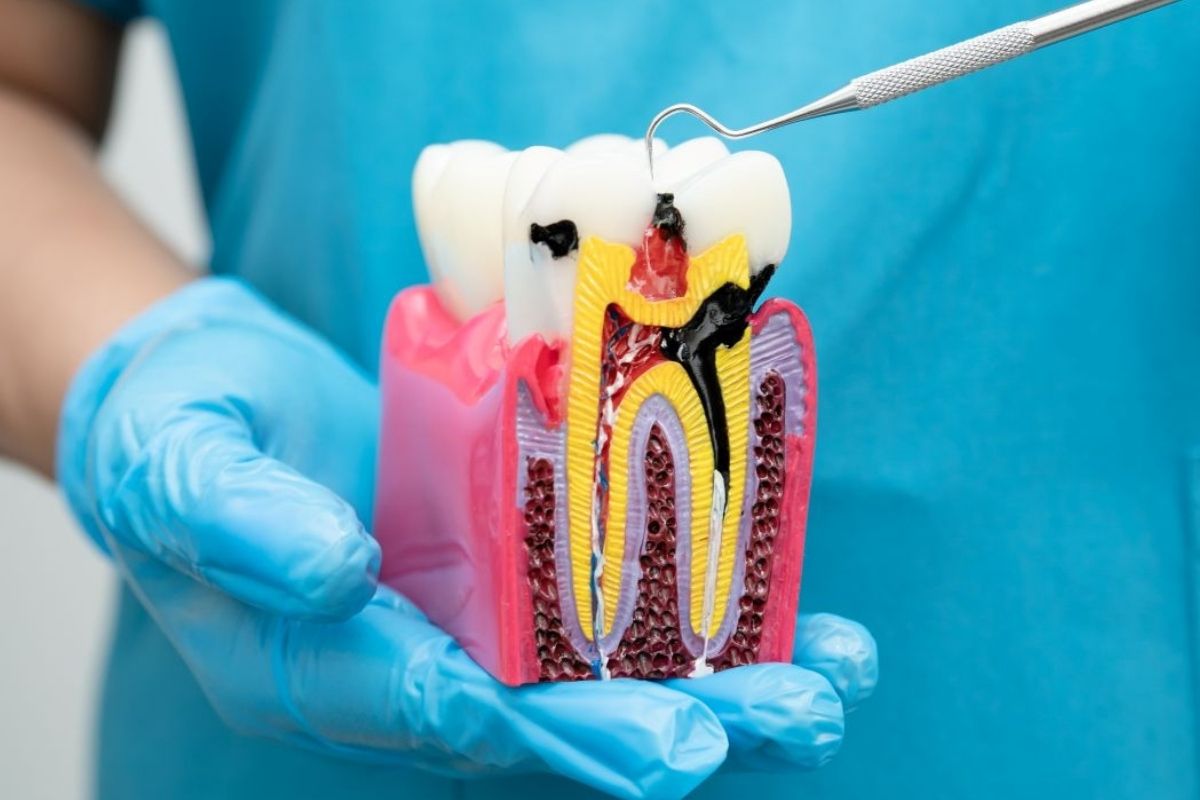


Undergoing a root canal is one of the most effective ways to save a severely decayed or infected tooth. While this endodontic treatment has a high success rate, some cases do not heal according to the plan. Pain, swelling, or infection can return months or even years after the treatment. The reasons are usually because some canals were missed, a new decay has developed, or the initial treatment was not thorough enough. If this happens, endodontic retreatment might be necessary.
However, recognizing the early signs of a failing root canal treatment can help you seek timely care and save your natural teeth. If you want to know the signs that indicate retreatment, continue reading the blog further.
Signs that Suggest You Need an Endodontic Retreatment
To identify the symptoms, here is what you need to keep a watch on:
Persistent Pain
This treatment eliminates pain by removing infected pulp within the tooth. Suppose you still feel discomfort, particularly sharp or throbbing pain, well after the procedure. In that case, it suggests an infection that has not been resolved, and you need to visit an efficient endodontist in Layton for retreatment. Remember, an adequately treated tooth does not cause any chronic pain.
Swelling or Pus Near the Treated Tooth
Swelling around the gums, jaw, or cheek indicates bacteria are still present inside the root canal system. Or else, if you notice a pimple-like bump on your gums that leaks pus, it indicates an active infection. When left untreated, the infection spreads to surrounding tissues, worsening the condition.
Sensitivity to Hot or Cold
Since this procedure removes the nerve from your tooth, sensitivity to temperature changes should not be an issue. However, if your treated tooth suddenly reacts to cold drinks or hot coffee, this indicates a lingering infection or incomplete cleaning during the first procedure.
Bad Taste or Persistent Bad Breath
An ongoing infection causes an unpleasant taste in your mouth or bad breath that does not go away with brushing and flossing. If you notice a foul odor, chances are high that bacteria are still present inside, requiring a second course of treatment.
New Decay or a Loose Filling/Crown
A treated tooth is still susceptible to decay. If a crown or filling cracks, becomes loose or fails to seal properly, bacteria sneak back inside the tooth, causing reinfection. When you visit a reliable endodontist, these issues are detected early.
Cracks or Fractures in the Tooth
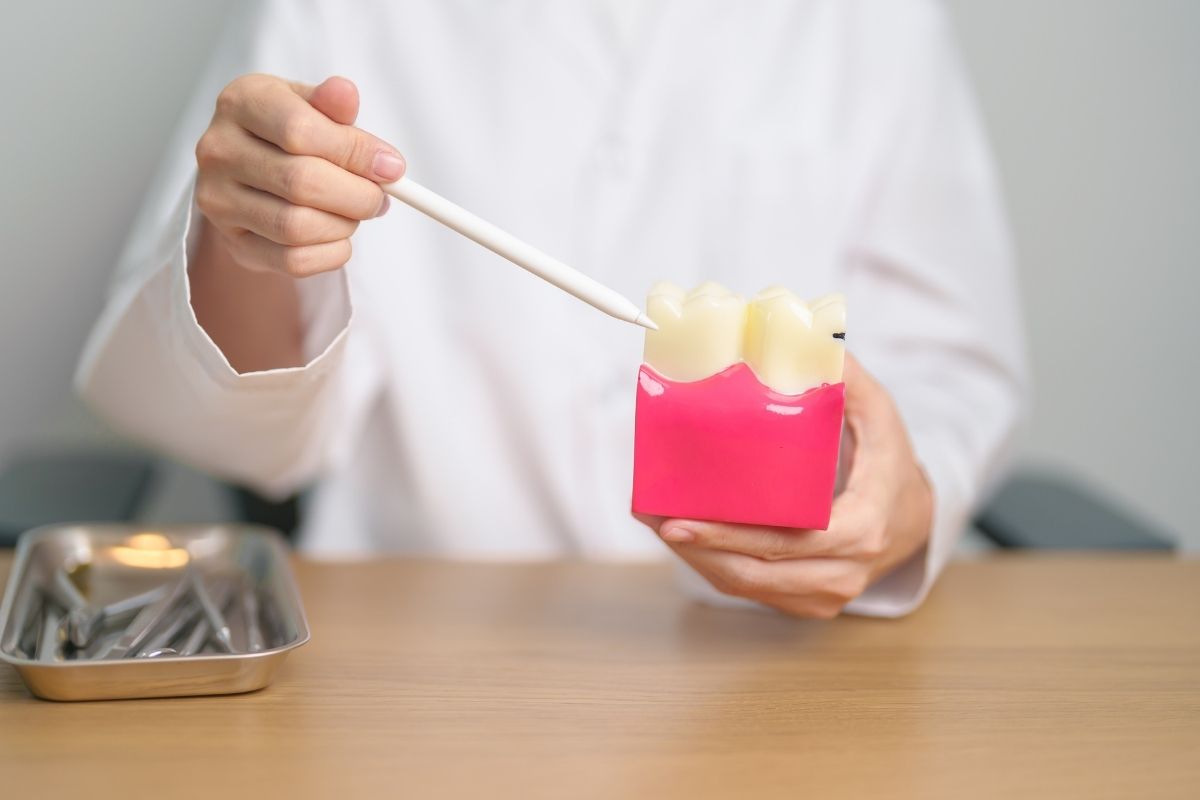
The treated teeth are slightly more fragile than the untreated teeth and can develop cracks or fractures; bacteria can enter and cause an infection. In some cases, if the crack extends too far, an apicoectomy or extraction might be required.
If you experience pain, swelling, bad breath, or sensitivity in a previously treated tooth, do not ignore it; retreatment offers a second chance to save your tooth, restore its optimal function, and remove the infection. Whenever you experience these symptoms, consult a dental practitioner immediately.
Remember, early evaluation can make a significant difference in protecting or losing a tooth. Thus, visit our dental office for personalized care in Layton to enjoy a long-lasting, healthy smile. Do not delay; book an appointment today to ensure your oral health is in top condition.