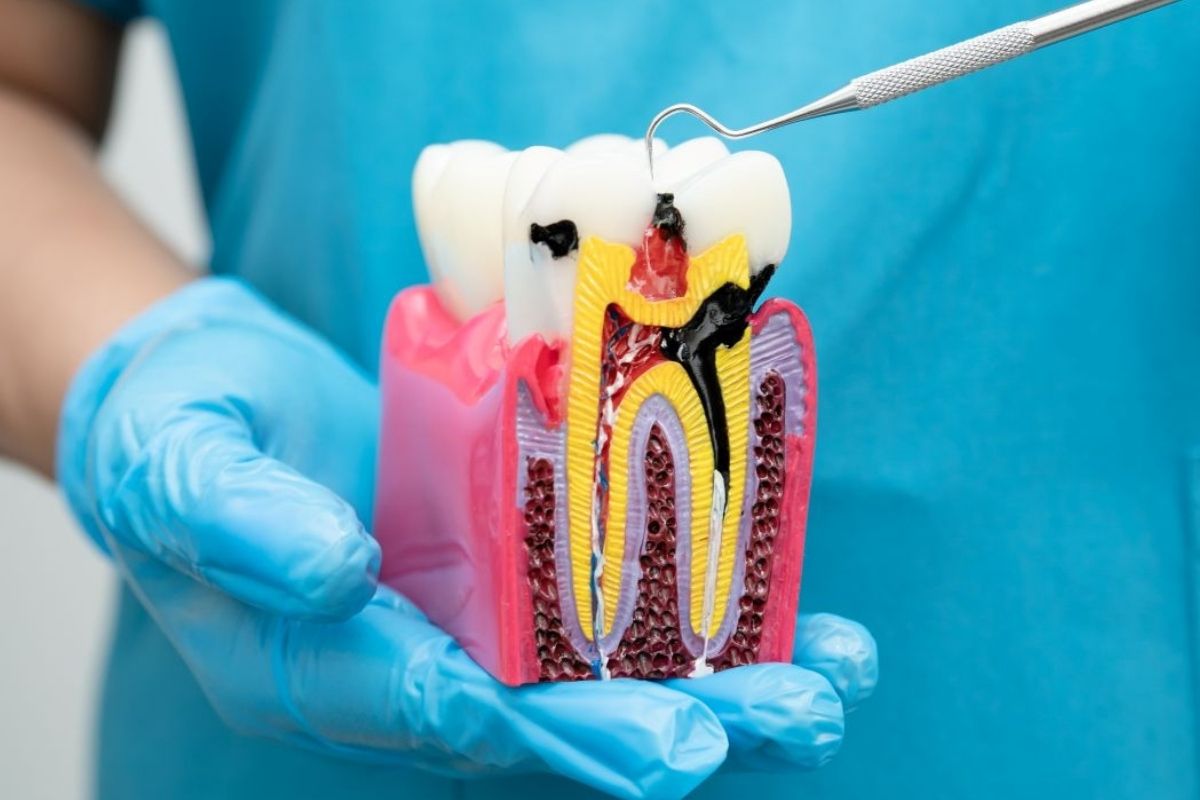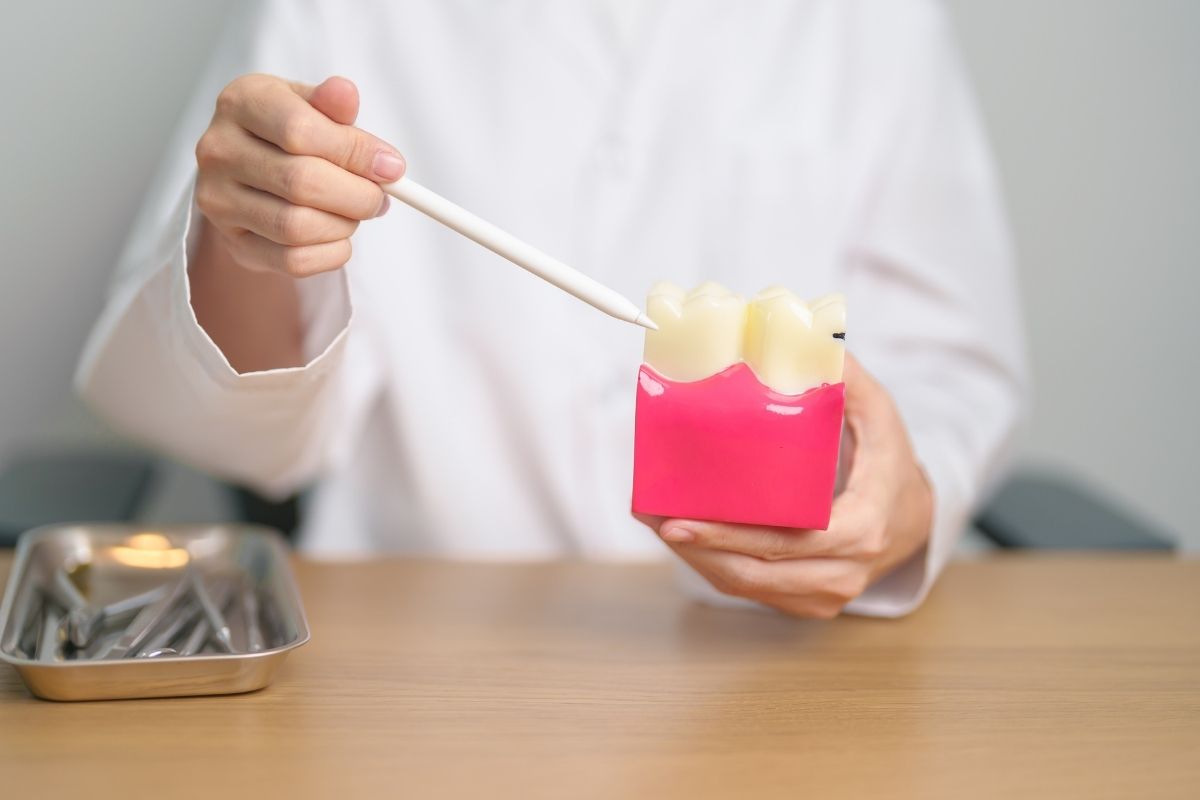


An endodontist treats infection and pain inside the tooth, and during a root canal procedure, their role is to remove the source of infection, protect the surrounding tooth structure, and help you keep your natural tooth. If you are experiencing lingering tooth pain, sensitivity, or swelling, our experienced Endodontist in Pleasant View is trained to diagnose the problem accurately and treat it at its source. Root canal treatment focuses on relieving discomfort while restoring oral health, not causing pain as many people fear.
At our dental clinic in Pleasant View, root canal care is delivered with a strong focus on clinical precision, patient comfort, and long-term outcomes. Understanding what happens during the procedure can help you feel more confident and prepared when seeking specialized dental care.
Understanding the Expertise of an Endodontist
An endodontist is a dental specialist who focuses on diseases and injuries affecting the dental pulp and root canals. After completing dental school, an endodontist undergoes advanced training that centers on diagnosing complex tooth pain, managing dental infections, and saving natural teeth whenever possible.
This level of training allows endodontic specialists to handle cases that require detailed knowledge of tooth anatomy and advanced techniques. Patients are often referred to an endodontist when pain is severe, infection is deep, or previous dental treatment did not resolve the issue.
Why Root Canal Treatment Is Sometimes Necessary
Root canal treatment becomes necessary when the soft tissue inside the tooth becomes infected or inflamed. This can occur due to deep decay, cracks in the tooth, repeated dental procedures, or trauma.
If the infection is not treated, it can spread beyond the tooth and lead to swelling, bone loss, or abscess formation. Seeking care from an experienced endodontist helps stop the infection early and often prevents the need for tooth extraction.
What Happens Before the Procedure Begins
Before starting treatment, the endodontist conducts a detailed evaluation. This includes reviewing symptoms, examining the tooth, and using diagnostic imaging to confirm the extent of the infection.
At our dental clinic, patients are given clear explanations about what is causing their pain and how the treatment will help. Local anesthesia is used to ensure comfort, and every step of the procedure is performed with careful attention to patient safety.
Step by Step Overview of a Root Canal Procedure
Accessing the Infected Area
Once the tooth is fully numb, a small opening is made to access the inner pulp chamber. This allows the endodontist to reach the infected tissue directly.
Removing Infection From the Canals
Using specialized instruments, the infected pulp is gently removed. This step is essential for relieving pain and preventing bacteria from spreading further.
Cleaning and Shaping the Canals
The canals are thoroughly cleaned and shaped to prepare them for sealing. Disinfection plays a major role in long term success, and careful cleaning reduces the chance of reinfection.
Sealing and Protecting the Tooth
After cleaning, the canals are filled with a biocompatible material that supports healing. The tooth is then sealed to protect it until your general dentist places the final restoration.
Why Seeing an Endodontist Matters
Root canal procedures performed by an endodontist often have higher success rates because of their focused training and experience. Endodontic specialists routinely treat complex canal systems and challenging infections that require advanced skill.
For patients seeking an Endodontist in Pleasant View, this specialized care means more precise treatment, fewer complications, and improved comfort during and after the procedure.
What to Expect After Root Canal Treatment
Most patients experience mild tenderness for a short period after treatment. This is normal and typically manageable with simple pain relief measures.
Following your endodontist’s guidance is important, including eating carefully and maintaining good oral hygiene. Many patients are advised on practical aftercare steps, similar to what is often shared as aftercare tips for a successful root canal treatment, to support healing and protect the treated tooth.
Addressing Common Concerns About Pain
Modern root canal treatment is designed to eliminate pain, not cause it. With current techniques and effective anesthesia, most patients report feeling relief soon after treatment.
Endodontists are trained to manage dental pain with precision and care, making the experience far more comfortable than its reputation suggests.
How Root Canal Care Supports Long-Term Oral Health
Preserving your natural tooth helps maintain proper bite function, jaw alignment, and overall oral stability. A successful root canal also reduces the risk of future infections and protects neighboring teeth.
Timely care from a trusted endodontic specialist helps patients in Pleasant View maintain their oral health while avoiding unnecessary tooth loss.
Why an Endodontist Plays a Critical Role in Saving Natural Teeth
A root canal procedure is a proven and effective way to treat tooth infection while preserving the natural tooth. By removing infected tissue, disinfecting the canals, and sealing the tooth properly, an endodontist restores comfort and function. Understanding the process helps patients make informed decisions and approach treatment with confidence.
If you are experiencing ongoing tooth pain or have been referred for root canal treatment, Mountain View Endodontics provides specialized endodontic care focused on accuracy, comfort, and long term results. Scheduling an evaluation can help determine the best path toward relief and lasting oral health.
FAQs
What does an endodontist do that is different from a general dentist?
An endodontist focuses specifically on treating problems inside the tooth, including infection and inflammation of the dental pulp. Their advanced training allows them to diagnose complex tooth pain and perform root canal treatment with a high level of precision.
How do I know if I need to see an endodontist for a root canal?
You may need to see an endodontist if you have ongoing tooth pain, sensitivity to hot or cold, swelling around a tooth, or discomfort when biting. Your general dentist may also refer you if the infection is deep or the tooth has a complex root structure.
Is a root canal performed by an endodontist painful?
Root canal treatment is designed to relieve pain, not cause it. With modern techniques and effective anesthesia, most patients feel comfortable during the procedure and often experience significant relief afterward.
How long does a root canal procedure usually take?
Most root canal procedures are completed in one visit that lasts about 60 to 90 minutes. More complex cases may require additional time or a follow up visit, depending on the condition of the tooth.
Why might my dentist refer me to an endodontist?
Dentists often refer patients to an endodontist when the tooth requires specialized care. This may include severe infection, curved or narrow canals, dental trauma, or retreatment of a previous root canal.
How successful are root canal treatments performed by an endodontist?
Root canal treatments performed by an experienced endodontist have a high success rate. With proper care and restoration, the treated tooth can last for many years.