

When a dental infection reaches the inside of a tooth, an experienced endodontist treats it by removing the infected tissue, disinfecting the inner canals, and preserving the natural tooth whenever possible. For patients in Pleasant View and surrounding areas like Layton and South Ogden, this type of focused care is essential when tooth pain, swelling, or sensitivity signals a deeper problem that cannot heal on its own.
Dental infections inside the tooth are common, but they require timely and skilled treatment to prevent ongoing pain and more serious oral health concerns.
What Causes an Infection Inside the Tooth?
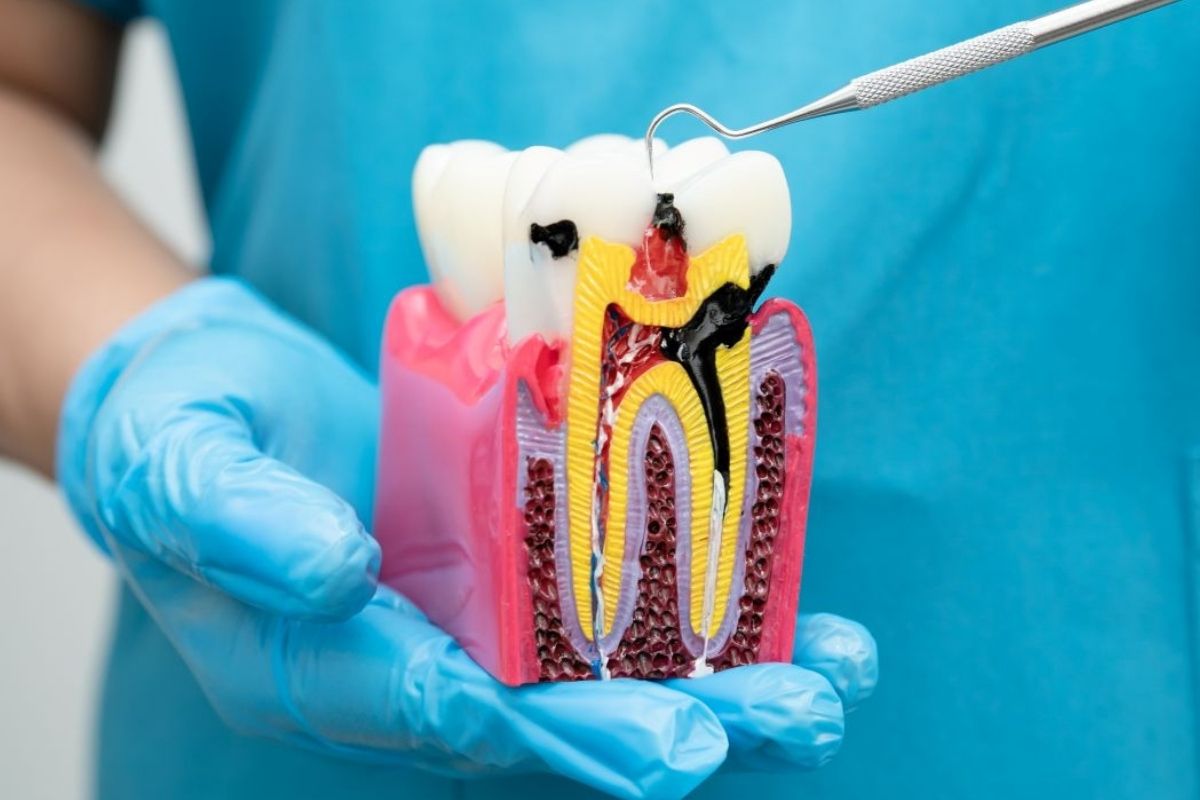
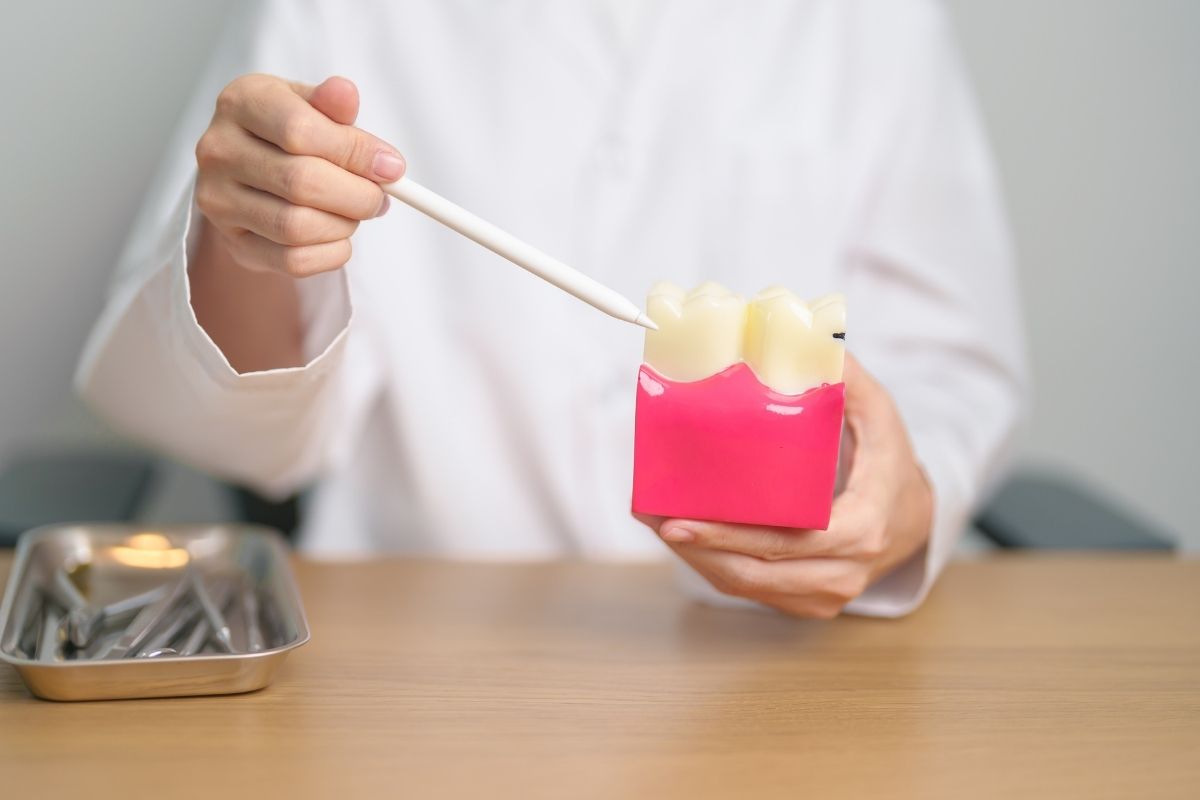
Inside every tooth is a soft inner layer called the pulp. This area contains nerves and blood supply that keep the tooth healthy. When bacteria enter through deep decay, cracks, trauma, or repeated dental procedures, the pulp can become infected or inflamed.
Patients often notice symptoms such as constant tooth pain, pressure when biting, lingering sensitivity to heat, or swelling in the gums. At this stage, general treatment may no longer be enough, and this is when care from a trained Endodontist becomes necessary to address the infection at its source.
How an Endodontist Diagnoses Dental Infections
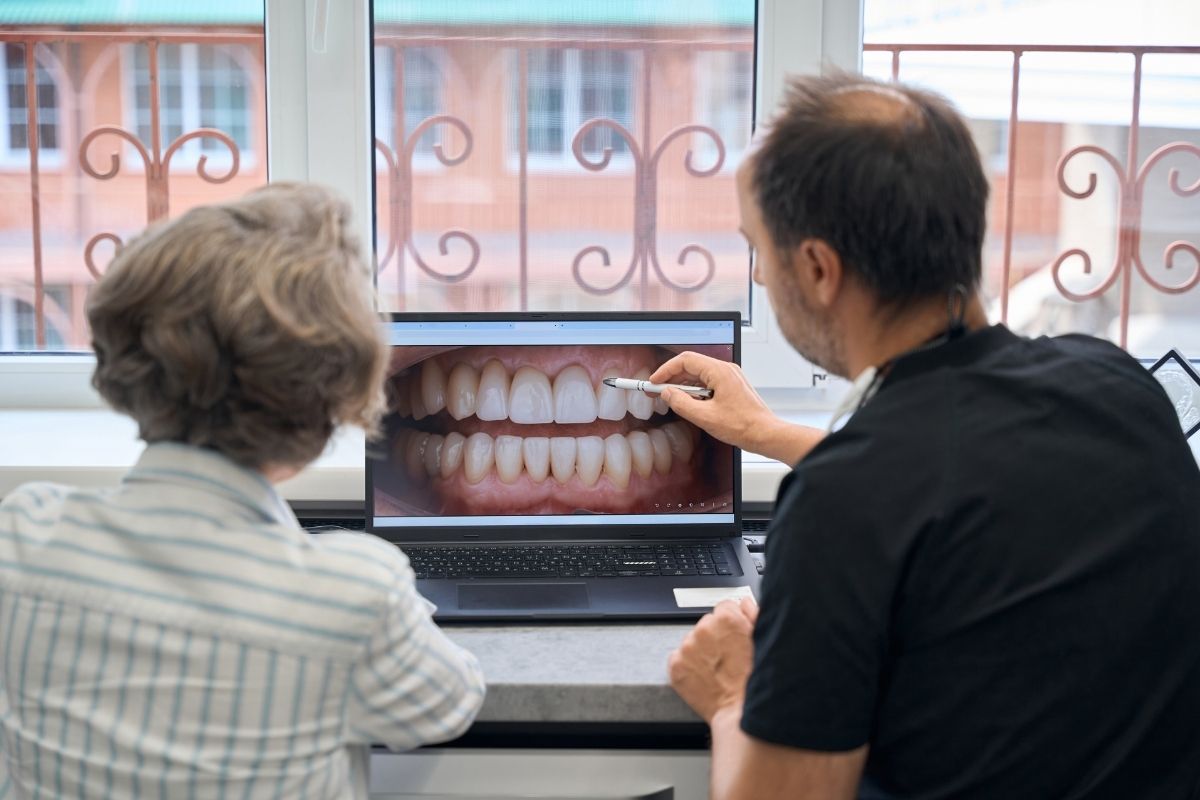
Accurate diagnosis is a critical part of successful treatment. At our dental clinic, evaluation begins with a careful review of symptoms, dental history, and previous treatments. Advanced digital imaging allows the provider to see infection patterns inside the tooth and around the root that are not always visible during a routine exam.
This level of diagnostic detail helps patients in Pleasant View receive precise care that is based on evidence, experience, and a clear understanding of how dental infections behave beneath the surface.
Removing Infection While Protecting the Natural Tooth
Once an infection is confirmed, the primary goal of endodontic care is to eliminate bacteria while saving the tooth. This is most often done through root canal therapy, a procedure designed to clean the inside of the tooth without removing it.
During treatment, the infected pulp is gently removed, and the canals are carefully cleaned and shaped. Modern tools and magnification allow the endodontist to treat even complex root structures with accuracy. This approach helps reduce discomfort and supports long term tooth health.
Patients seeking endodontic treatment in Pleasant View often find that early intervention leads to smoother recovery and better outcomes.
Disinfecting and Sealing the Tooth for Healing
After the canals are cleaned, they are disinfected to eliminate remaining bacteria. This step is essential to prevent reinfection. The space inside the tooth is then sealed with a material that supports healing and stability.
In cases where infection is more advanced, medication may be placed inside the tooth temporarily before final sealing. This methodical approach reflects the depth of training and clinical judgment that experienced endodontic specialists bring to each case.
Treating Complex or Persistent Infections
Some infections require more advanced care. Teeth that have had previous root canal treatment, hidden canals, or fractures may need retreatment or a minor surgical procedure to remove infection at the root tip.
A trusted endodontist in Pleasant View has the training to manage these complex situations and often save teeth that might otherwise need extraction. This expertise is especially valuable for patients who want to maintain their natural smile and avoid unnecessary tooth loss.
What to Expect After Endodontic Treatment
Most patients experience mild soreness after treatment that improves within a few days. Normal activities can usually be resumed quickly. A permanent restoration, such as a crown, is typically placed by the general dentist to protect the treated tooth and restore full function.
With proper care and routine dental visits, teeth treated by an endodontist can last for many years and continue to function comfortably.
Why Specialized Endodontic Care Matters
Dental infections inside the tooth do not resolve on their own. Delaying care can lead to worsening pain, bone loss, or the spread of infection. Seeking specialized treatment early allows for conservative care that prioritizes comfort, precision, and tooth preservation.
Patients in Pleasant View, Layton, and South Ogden benefit from working with providers who focus exclusively on diagnosing and treating internal tooth problems using modern, evidence based techniques.
Conclusion
An endodontist manages dental infections inside the tooth through accurate diagnosis, careful removal of infected tissue, and precise sealing of the tooth to support healing. This specialized care helps relieve pain, stop infection, and protect natural teeth. Early treatment plays a key role in maintaining oral health and preventing more serious complications.
If you are experiencing persistent tooth pain, sensitivity, or signs of infection, scheduling a professional evaluation can help identify the cause and determine the right course of care. Mountain View Endodontics provides focused endodontic services for patients in Pleasant View and nearby communities, offering clear answers and thoughtful treatment designed to support long term dental health.
FAQs
What does an endodontist do to treat an infection inside the tooth?
An endodontist treats infections inside the tooth by removing infected pulp tissue, thoroughly cleaning and disinfecting the root canals, and sealing the tooth to prevent bacteria from returning. This process helps relieve pain and allows the natural tooth to be preserved rather than removed.
How do I know if I have a dental infection that needs an endodontist?
Common signs include ongoing tooth pain, sensitivity that lasts after hot or cold exposure, pressure when chewing, swelling in the gums, or a darkened tooth. When these symptoms affect the inner part of the tooth, it usually means specialized care is needed to properly treat the infection.
Does endodontic treatment hurt?
Modern endodontic treatment is designed to be comfortable. Local anesthesia and advanced techniques allow the procedure to feel similar to getting a filling. Most patients report relief from pain after treatment rather than increased discomfort.
Can a tooth treated by an endodontist last a long time?
Yes. With proper restoration and good oral hygiene, a tooth treated by an endodontist can function normally for many years. Placing a crown after treatment often helps protect the tooth and extend its lifespan.
How is endodontic treatment different from tooth extraction?
Endodontic treatment focuses on saving the natural tooth by removing infection and restoring function. Extraction removes the tooth entirely and often requires replacement options such as implants or bridges. Preserving the natural tooth is generally the preferred option when possible.