

A dental injury can leave you with more than a chipped or cracked tooth. Even when a tooth looks intact, trauma can damage the pulp, nerves, or tissues inside it. Pain that continues after an accident, sports injury, fall, or blow to the mouth should not be ignored. An evaluation by an endodontist can help determine whether the tooth has suffered internal damage and whether treatment is needed to protect it.
For patients experiencing persistent tooth pain after an injury, seeing an endodontist can be an important step toward preserving the natural tooth.
Why Can a Tooth Hurt After an Injury?
Teeth can respond to trauma in several ways. A sudden impact may irritate the pulp, which contains nerves and blood vessels inside the tooth. In some cases, the inflammation settles as the tooth heals. In others, the damage may progress and affect the tooth’s ability to recover. Pain may occur when you bite down, chew, drink something hot or cold, or simply touch the affected tooth. You may also notice sensitivity that lasts longer than expected after exposure to temperature changes.
A tooth does not always show obvious external damage after an injury. This is one reason an examination can be valuable even when there is no visible crack or major fracture.
Signs That Your Injured Tooth Needs an Evaluation
Not every tooth injury requires endodontic treatment, but certain symptoms deserve professional attention. Consider scheduling an evaluation if you experience:
- Tooth pain that continues or worsens after an injury
- Prolonged sensitivity to hot or cold
- Pain when biting or chewing
- Darkening or discoloration of the injured tooth
- Swelling or tenderness around the tooth
- A crack or fracture
- A tooth that feels loose after trauma
- A recurring ache that disappears and returns
These symptoms can indicate damage to the pulp or surrounding structures. An endodontist specializes in diagnosing and treating problems involving the inside of the tooth, making this type of specialist particularly relevant after dental trauma.
For those searching for a trusted endodontist in Pleasant View, choosing a specialist experienced in diagnosing tooth pain and traumatic dental injuries can provide a clearer understanding of what is happening and what options are available.
What Does an Endodontist Check After Dental Trauma?
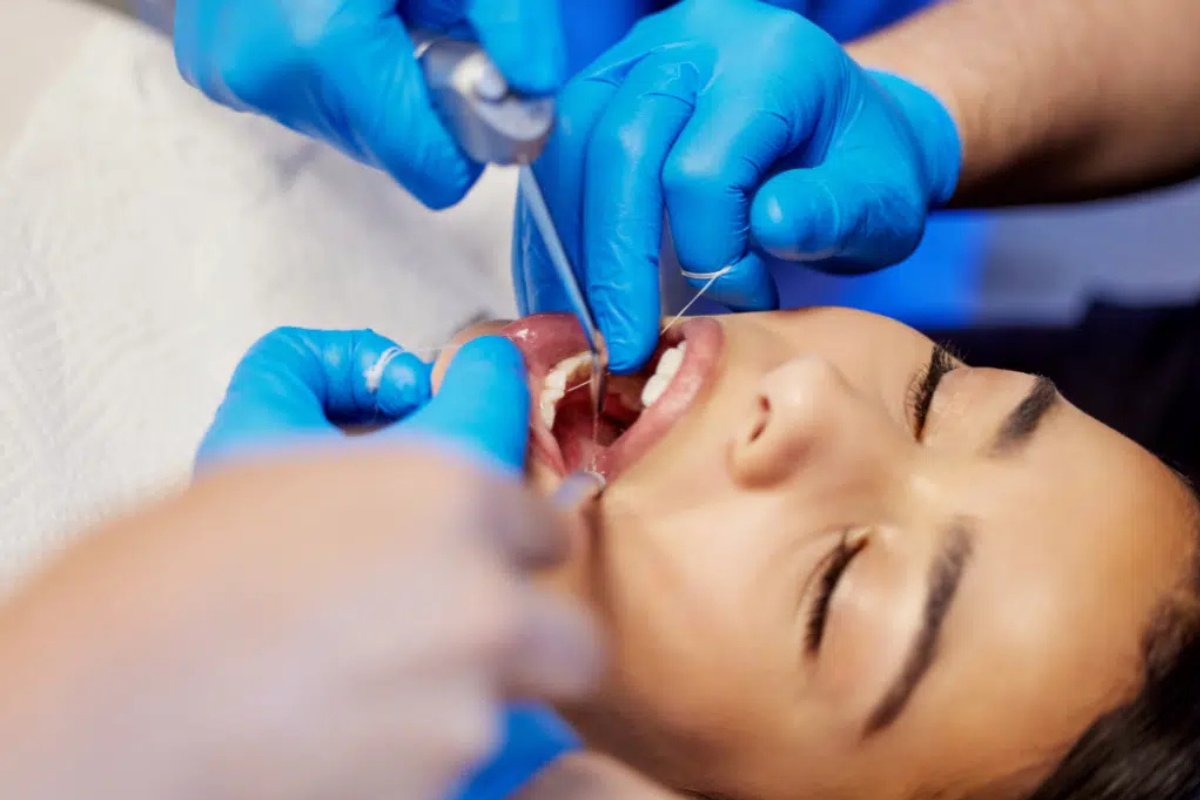
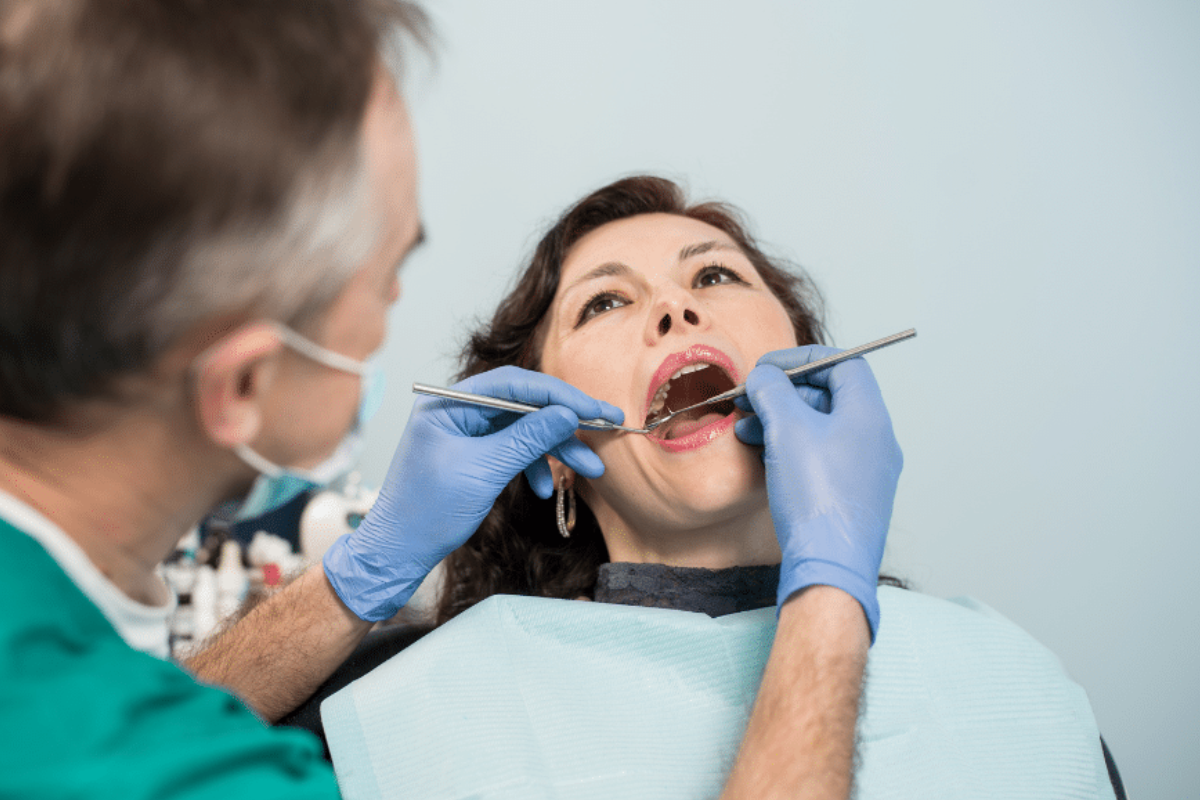
An endodontic evaluation is designed to determine what is happening inside and around the affected tooth. The examination may include a discussion of your symptoms, dental tests, and dental imaging when appropriate. Your endodontist may assess how the tooth responds to temperature or other tests, examine the surrounding tissues, and look for signs of inflammation, infection, cracks, or changes around the tooth root.
The goal is not automatically to recommend a root canal. Instead, the evaluation helps determine whether the tooth can be monitored as it heals or whether treatment is necessary.
When Is Endodontic Treatment Needed?
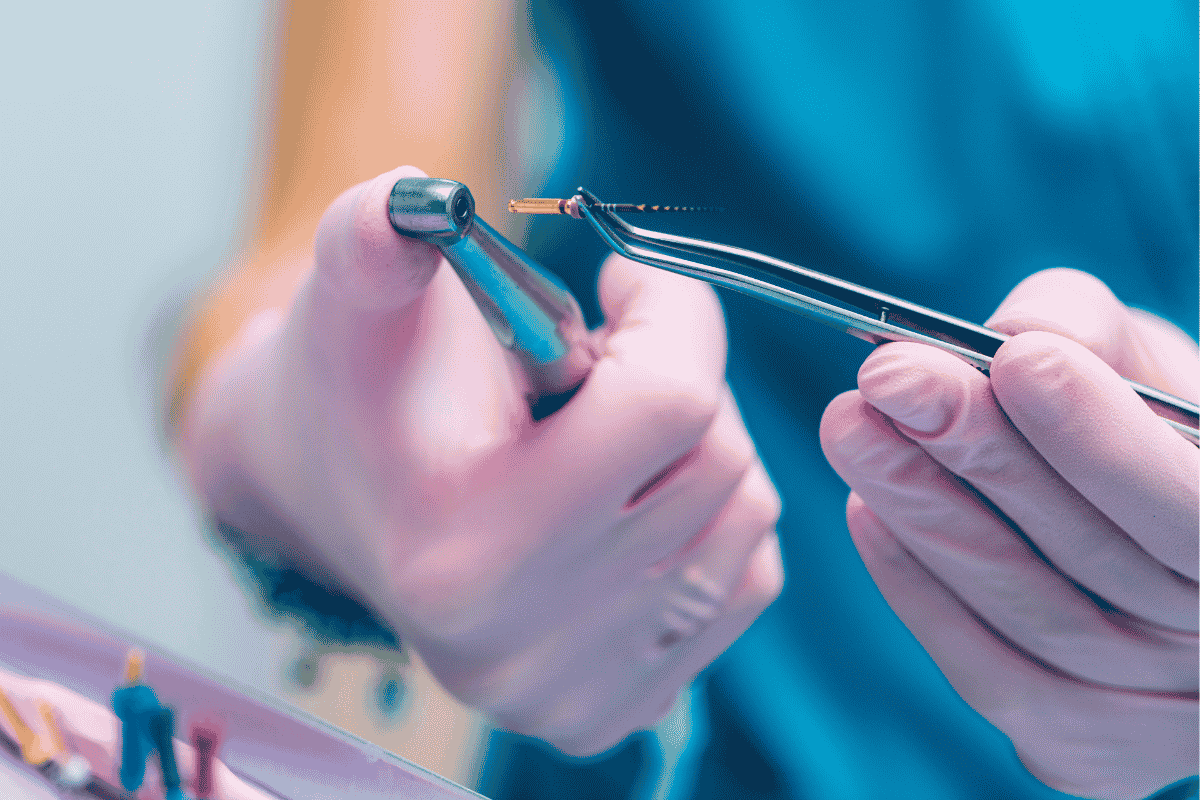
If trauma has significantly damaged the pulp and the tooth cannot recover on its own, endodontic treatment may be recommended. Root canal treatment removes the damaged or infected pulp, cleans and disinfects the inside of the tooth, and seals the space to help prevent further infection.
Treating the problem early can help protect the natural tooth and reduce the risk of complications. The appropriate approach depends on the type and severity of the injury, the condition of the pulp, and the overall health of the tooth.
Why Prompt Evaluation Matters
Waiting for pain to become severe is not always the best approach after a dental injury. Some traumatic injuries may initially produce mild symptoms but develop into more significant problems later. An evaluation gives an endodontist an opportunity to identify potential damage and establish an appropriate treatment or monitoring plan. If treatment is needed, addressing the problem before infection or additional damage develops may make tooth preservation more predictable.
Protecting an Injured Tooth Starts With the Right Evaluation
Tooth pain following an injury should not automatically be dismissed as temporary sensitivity. Trauma can affect structures that are not visible from the outside, and identifying those problems early can make a difference in protecting the natural tooth. If you have ongoing pain, sensitivity, discoloration, or discomfort after a dental injury, Dr. Stuart Gibby and the team at Mountain View Endodontics can evaluate the affected tooth and determine whether endodontic treatment or continued monitoring is appropriate.
Schedule an appointment to have persistent tooth pain after an injury evaluated by an endodontic specialist.
FAQs
1. Can a tooth need a root canal after being hit or injured?
Yes. Trauma can damage the pulp inside a tooth even when there is little or no visible damage. If the pulp becomes irreversibly inflamed or infected, endodontic treatment may be recommended.
2. How long should tooth pain last after an injury?
Mild discomfort may improve as the tooth recovers, but persistent, worsening, or recurring pain should be evaluated. An endodontist can determine whether the tooth is healing normally or has sustained internal damage.
3. Why does my tooth hurt when I bite down after an injury?
Pain when biting can occur because trauma has irritated the tissues around the tooth or damaged the tooth itself. A dental examination can help determine whether the discomfort is related to the pulp, root, supporting tissues, or a crack.
4. Can an injured tooth die even if it does not hurt?
Yes. A tooth’s pulp can lose its blood supply after significant trauma. In some cases, symptoms may be limited or absent initially, which is why follow-up evaluation can be important after certain dental injuries.
5. Why is my tooth turning dark after getting hit?
Discoloration can occur when trauma affects the blood vessels or pulp inside the tooth. A darkening tooth should be examined by a dental professional to determine whether the pulp has been damaged.
6. Should I see an endodontist if my injured tooth is sensitive to cold?
Persistent or unusual sensitivity after an injury may warrant an endodontic evaluation. An endodontist can perform specific tests to determine how the pulp is responding and whether further treatment is necessary.