


toothache that becomes more painful at night should not be ignored. While occasional tooth sensitivity can have several causes, persistent, throbbing pain that interferes with sleep may indicate inflammation or infection inside the tooth. In some cases, a root canal may be necessary to remove the infected tissue, relieve discomfort, and preserve the natural tooth. If nighttime tooth pain keeps returning, an evaluation by an endodontist can help identify the cause and determine whether treatment is needed.
Why Does Tooth Pain Feel Worse at Night?
There are several reasons a toothache may seem more intense when you go to bed. During the day, work, conversations, and other activities can distract you from mild discomfort. At night, when everything becomes quiet, you may become more aware of the pain. Lying down can also make some people more conscious of throbbing or pressure around an affected tooth. However, nighttime pain is not always a sign of an infection. Cavities, cracked teeth, gum problems, and inflammation inside the tooth can all contribute to discomfort.
When the pain becomes persistent, wakes you from sleep, or does not improve with ordinary measures, it is important to have the tooth examined rather than waiting for the symptoms to disappear. For individuals looking for root canal treatment in Pleasant View, having access to an experienced endodontic team can make the treatment process more comfortable and reassuring.
Signs Your Nighttime Toothache May Require a Root Canal
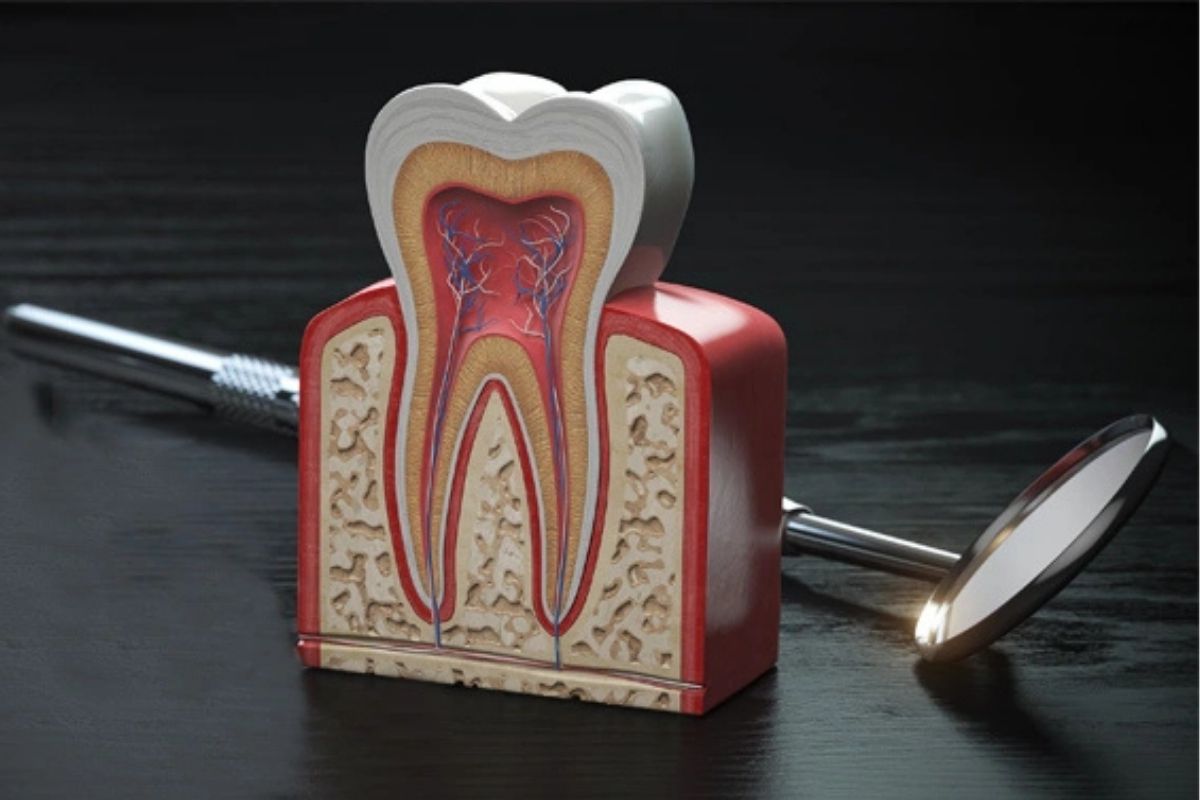
Not every toothache requires endodontic treatment. However, certain symptoms can indicate that the soft tissue inside your tooth, known as the dental pulp, is inflamed or infected.
Watch for these warning signs:
1. Persistent or Throbbing Tooth Pain
Pain that continues for hours, returns throughout the day, or becomes intense at bedtime may indicate damage to the dental pulp. Deep decay or an untreated dental injury can cause inflammation that requires professional attention.
2. Lingering Sensitivity to Hot and Cold
Does drinking hot coffee or cold water cause sharp discomfort that continues even after you finish your drink? Lingering temperature sensitivity can indicate damage to the pulp. Unlike ordinary sensitivity that disappears quickly, this type of pain may last considerably longer.
3. Pain When Biting or Chewing
Discomfort when biting down may point to a cracked tooth, deep decay, or inflammation around the root. Sometimes, the pain becomes more noticeable when pressure is applied to the affected tooth.
4. Swelling Around the Gums
Swollen or tender gums near a painful tooth may indicate an infection. You might also notice a small pimple-like bump on the gum, which can be associated with a dental abscess.
5. Tooth Discoloration
A tooth that gradually becomes gray or darker than the surrounding teeth may have experienced internal damage. This can happen when the dental pulp becomes unhealthy following trauma or infection.
Experiencing one or more of these symptoms does not automatically mean you need treatment. An examination and appropriate dental imaging are necessary to determine what is happening.
How Can Root Canal Treatment Help Stop Nighttime Tooth Pain?
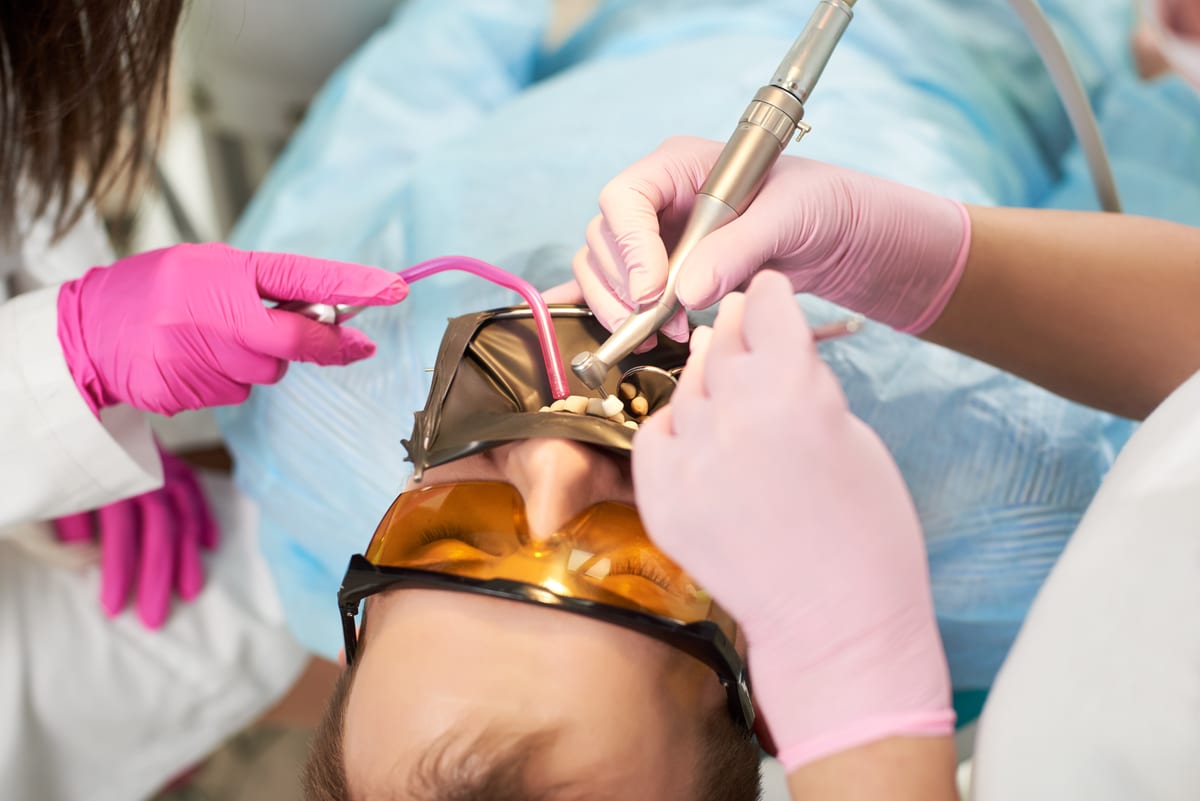
When the dental pulp becomes severely inflamed or infected, it cannot always recover on its own. A root canal removes the damaged tissue from inside the tooth, cleans and disinfects the root canals, and seals the space to help prevent further infection. The procedure is performed using local anesthesia to keep you comfortable. Once the affected tissue is removed and the canals are cleaned, the source of the infection can be addressed. Depending on the condition of the tooth, a permanent filling or dental crown may be recommended afterward to restore its strength and function.
One important thing to understand is that root canal therapy is designed to treat the cause of the pain, not create additional discomfort. Modern techniques and effective anesthesia have made the procedure much more comfortable than many people expect.
Why You Should Not Ignore Nighttime Tooth Pain
Delaying treatment when the dental pulp is infected can allow the problem to progress. An untreated infection may spread into the surrounding tissues, cause an abscess, and eventually compromise the tooth. Seeking an evaluation early can help identify the problem before it becomes more complicated. It may also improve the chances of saving your natural tooth instead of requiring extraction. If you experience facial swelling, fever, or rapidly worsening symptoms, seek urgent dental care. Difficulty breathing or swallowing requires immediate emergency medical attention.
Conclusion
Nighttime tooth pain is more than an inconvenience when it repeatedly interrupts sleep or continues despite temporary relief measures. Persistent throbbing, lingering sensitivity, pain when chewing, and gum swelling can indicate problems that need professional attention.
Although not every toothache requires a root canal, identifying the underlying cause early can help prevent further complications and protect your natural teeth. Paying attention to recurring symptoms and seeking timely dental care are important steps toward maintaining long-term oral health.
If tooth pain is keeping you awake at night, do not wait for it to become unbearable. Contact Mountain View Endodontics to schedule an evaluation. Visit the Pleasant View office at 2719 US-89, Suite 100, Pleasant View, UT 84404, to discuss your symptoms and explore your treatment options.