


When a root canal fails, patients often face a challenging decision: should they opt for retreatment or extraction? Both options have unique advantages and considerations, making it crucial to understand your choices. This blog will explore both treatments, helping you make an informed decision tailored to your dental health.
Understanding Root Canal Retreatment: A Second Chance
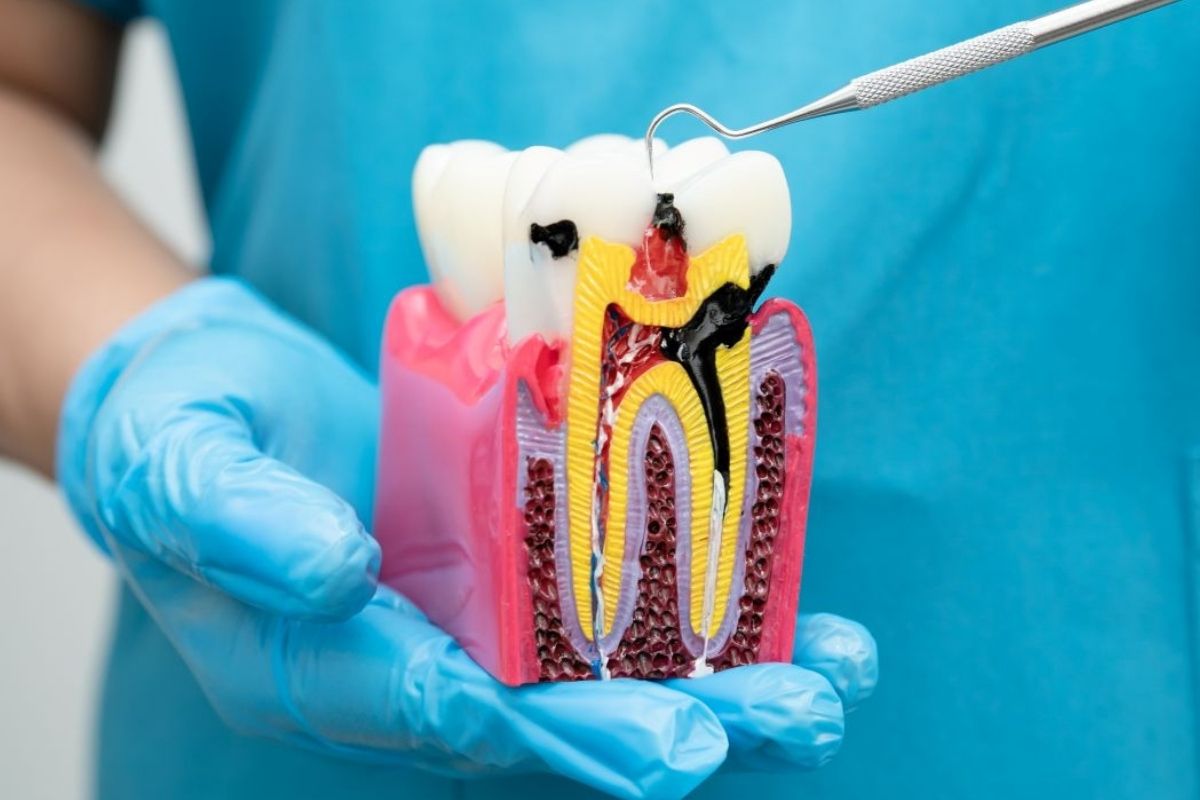
Root canal retreatment involves reopening the affected tooth, removing the existing filling material, and thoroughly cleaning the canal. This process addresses any remaining infection or new complications that may arise after the initial treatment. Here’s why retreatment may be beneficial:
Preserving Your Natural Tooth
Retreating a root canal allows you to keep your natural tooth, which is always the preferred route. Natural teeth contribute significantly to jawbone health and provide optimal functionality. Preserving a tooth means maintaining its ability to feel sensations and support your bite effectively. Every tooth plays a role in the alignment and functionality of your mouth, making retention vital for long-term health.
Addressing Persistent Problems
Initial root canal treatments may not remove all bacteria or infections. In some cases, the sealing material may degrade, or new decay can develop. Retreatment offers endodontist the opportunity to tackle these lingering issues, enhancing the tooth’s chance for long-term survival. If complications arise after the first treatment, retreatment can often correct them and restore optimum tooth health.
Minimally Invasive Approach
Compared to extraction, retreatment is generally less invasive. The procedure focuses solely on the affected area, minimizing trauma to surrounding teeth and tissues. This approach typically involves less discomfort and a quicker recovery. For many patients, the thought of undergoing an extraction can be daunting, making the option of retreatment a more appealing choice.
However, retreatment isn’t always the ideal solution. There are situations where extraction may be the better choice.
When Tooth Extraction is the Right Option
In some circumstances, extraction might be necessary or the most appropriate choice. Here are cases where removing the tooth could be the right decision:
Severe Damage or Decay
If the tooth is severely damaged or decayed, retreatment may not save it. Extensive decay can compromise the structural integrity of the tooth, making it more vulnerable to fractures or breakage. In these cases, extracting the tooth and considering alternatives, like dental implants, might be a more viable solution for long-term oral health. Dental implants can effectively replace missing teeth, restoring both function and aesthetics.
Time Considerations
Retreatment can be more time-consuming compared to extraction. While it is less invasive, retreatment requires specialized care and often multiple appointments. If a tooth has undergone extensive treatment previously, extraction may save time and resources in the long run. This makes it a practical choice for some.
Repeated Infections
If a tooth continues to become infected after initial root canal therapy, removal may be necessary. Chronic infections pose risks to overall health and can lead to more severe complications if left untreated. Extracting the tooth can help prevent further issues, protecting both your mouth and body. Additionally, chronic infections can cause discomfort and affect your quality of life, making extraction a more favorable option for some patients.
Comparing Outcomes: What to Expect
After Root Canal Retreatment
Teeth that undergo retreatment can last for many years when properly cared for. Retreated teeth often continue to function well, allowing you to maintain your natural smile. Regular follow-ups with your enodontist are essential to monitor the tooth’s progress. While retreatment may involve some discomfort, it is usually manageable with proper aftercare. Your enodontist will guide you on how to care for the treated tooth to ensure its longevity.
After Extraction
Following an extraction, tooth replacement options like bridges or implants should be considered. Replacing the tooth maintains the alignment of surrounding teeth and prevents bone loss, which can occur when a tooth is missing. The healing process after extraction is generally straightforward but may take longer than recovery from retreatment. Your enodontist will discuss the best options for replacing the tooth to restore both function and aesthetics.
Key Considerations for Root Canal Retreatment vs. Extraction:
- Enodontist ‘s Expertise: Your enodontist will evaluate your specific situation, considering factors like the health of your tooth, your dental history, and your long-term oral health goals.
- Individual Circumstances: The right choice depends on your individual circumstances and dental health goals.
- Informed Decision: By consulting with your enodontist and weighing the pros and cons of each option, you can make an informed decision that ensures the best outcome for your oral health.
If you’re facing a decision between retreating a root canal or extracting a tooth, Mountain View Endodontics in Pleasant View, Layton and South Ogden is here to help.
Contact us today for a consultation to explore the best option for your dental health. Our experienced team is committed to providing personalized care that meets your needs.