

Tooth removal, sometimes called tooth extraction or oral surgery in Layton or Pleasant View, is a standard dental procedure for various reasons. While the prospect of having a tooth removed might be nerve-wracking, understanding the process and what to expect can significantly ease your anxiety. Here at Mountain View Endodontics, serving both Layton and Pleasant View, we’re dedicated to providing compassionate and comprehensive care for our patients undergoing tooth removals. This informative guide explores six essential things you should know about tooth removal to ensure a smooth and successful experience.
Facts to know regarding Tooth Extraction
1. Reasons for Tooth Removal
There are several reasons why an endodontist in Layton or Pleasant View might recommend tooth removal. Here are some of the most common:
- Severe Tooth Decay: Extensive tooth decay that cannot be effectively treated with fillings or crowns may necessitate removal.
- Advanced Gum Disease: When gum disease (periodontitis) progresses significantly, it can loosen teeth and damage the jawbone, making removal necessary.
- Impacted Teeth: Wisdom teeth are notorious for being impacted, meaning they’re trapped within the jawbone and unable to erupt correctly. Removal of impacted wisdom teeth is a standard procedure.
- Fractured or Broken Teeth: Severely fractured or broken teeth that cannot be repaired may require extraction.
- Overcrowding: In some cases, tooth overcrowding can necessitate tooth removal to create space for proper alignment during orthodontic treatment.
2. Understanding the Different Types of Tooth Removals
Not all tooth removals are created equal. The type of extraction your endodontist recommends depends on the location and condition of the tooth.
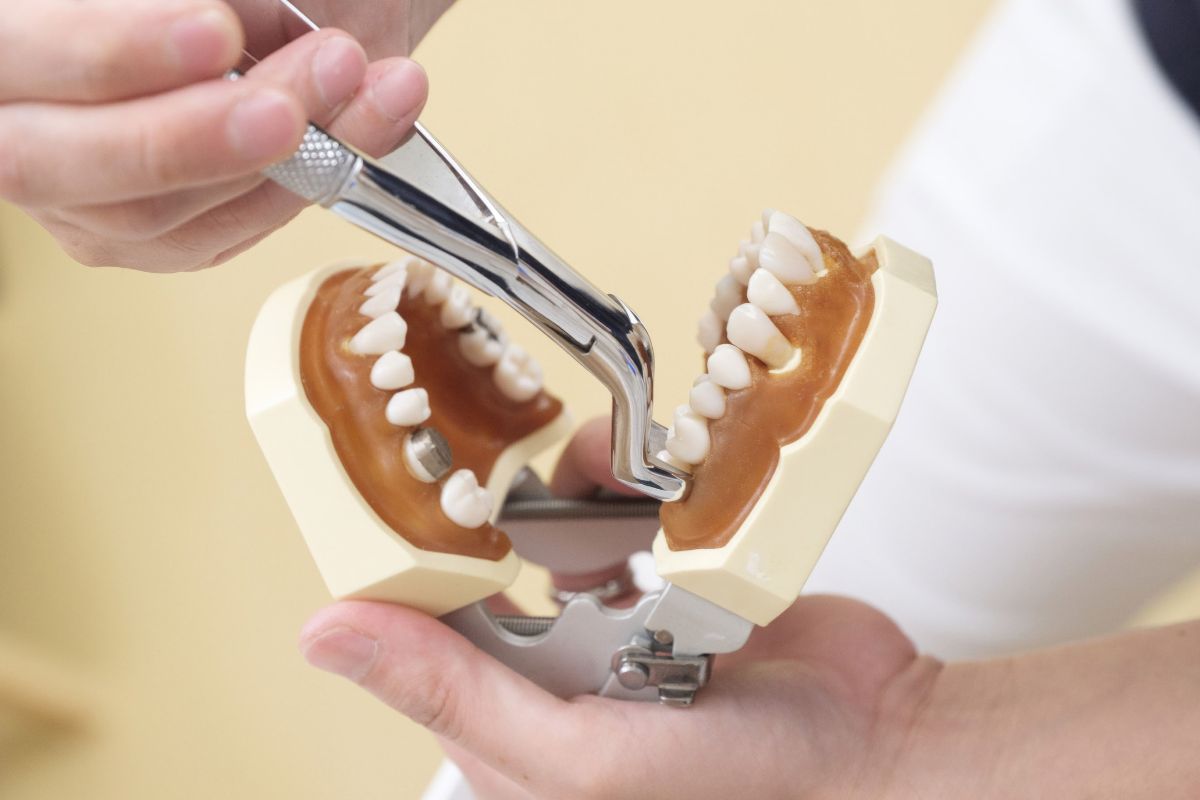
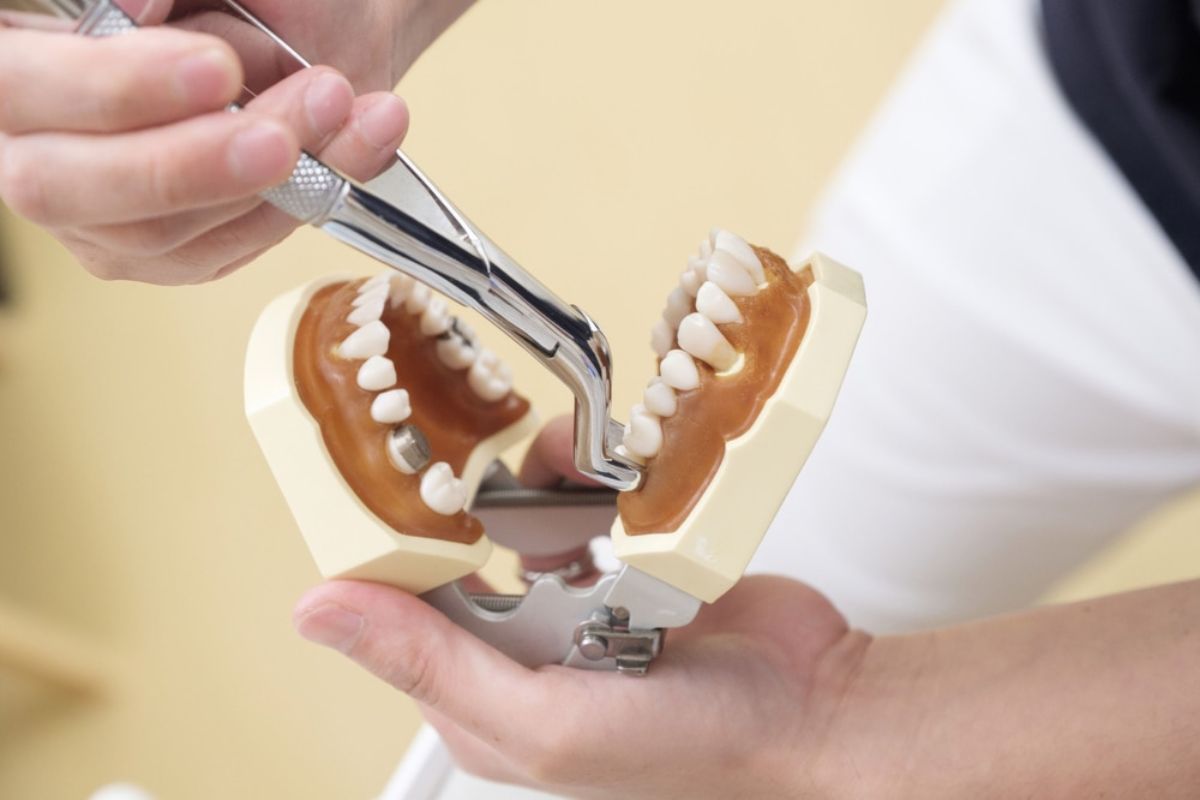
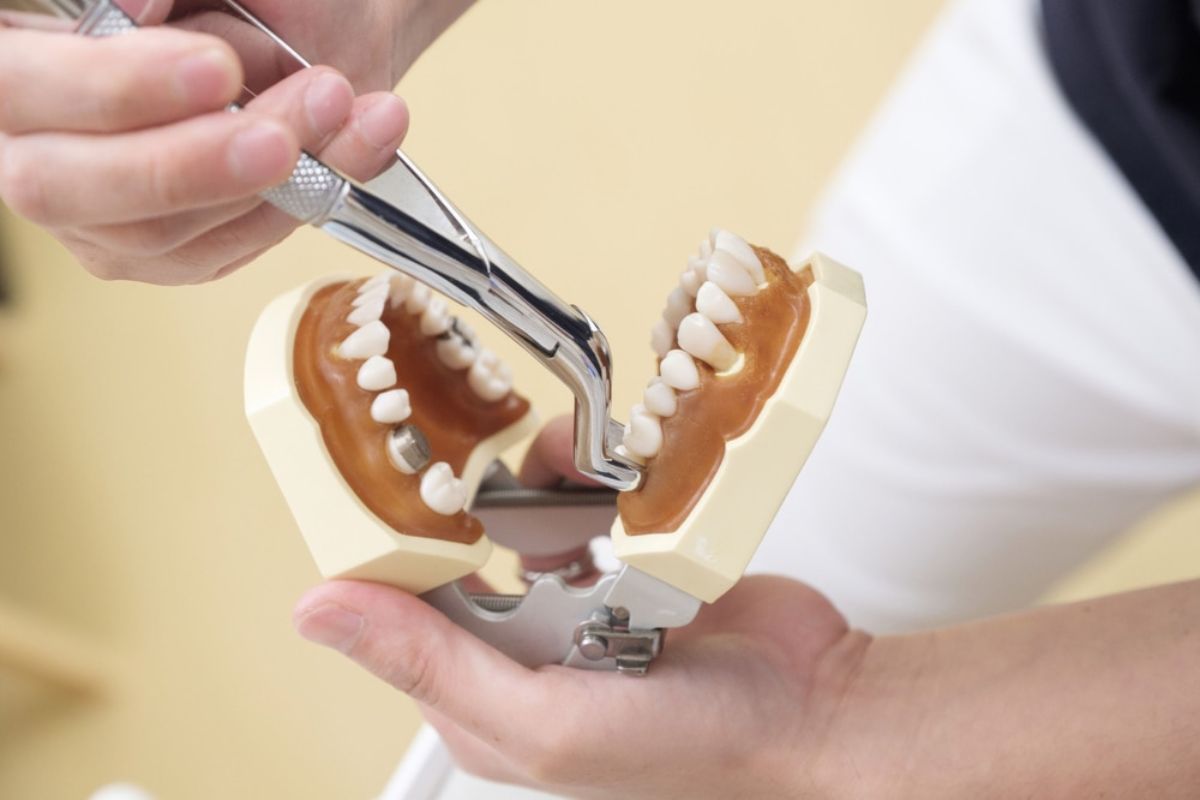
- Simple Extraction: This is the most common type of extraction involving the removal of a visible tooth using forceps or elevators.
- Surgical Extraction: A surgical extraction may be necessary for impacted or deeply rooted teeth. This procedure involves making an incision in the gum tissue and potentially removing some bone to access the tooth.
3. The Procedure Itself: What to Expect
Before your tooth removal in Layton or Pleasant View, your endodontist will discuss the procedure in detail, answer any questions you may have, and review your medical history. Here’s a general overview of what to expect during the procedure:
- Anesthesia: Local anesthesia is typically used to numb the area around the tooth. In some cases, general anesthesia might be recommended for complex extractions or patients with dental anxiety.
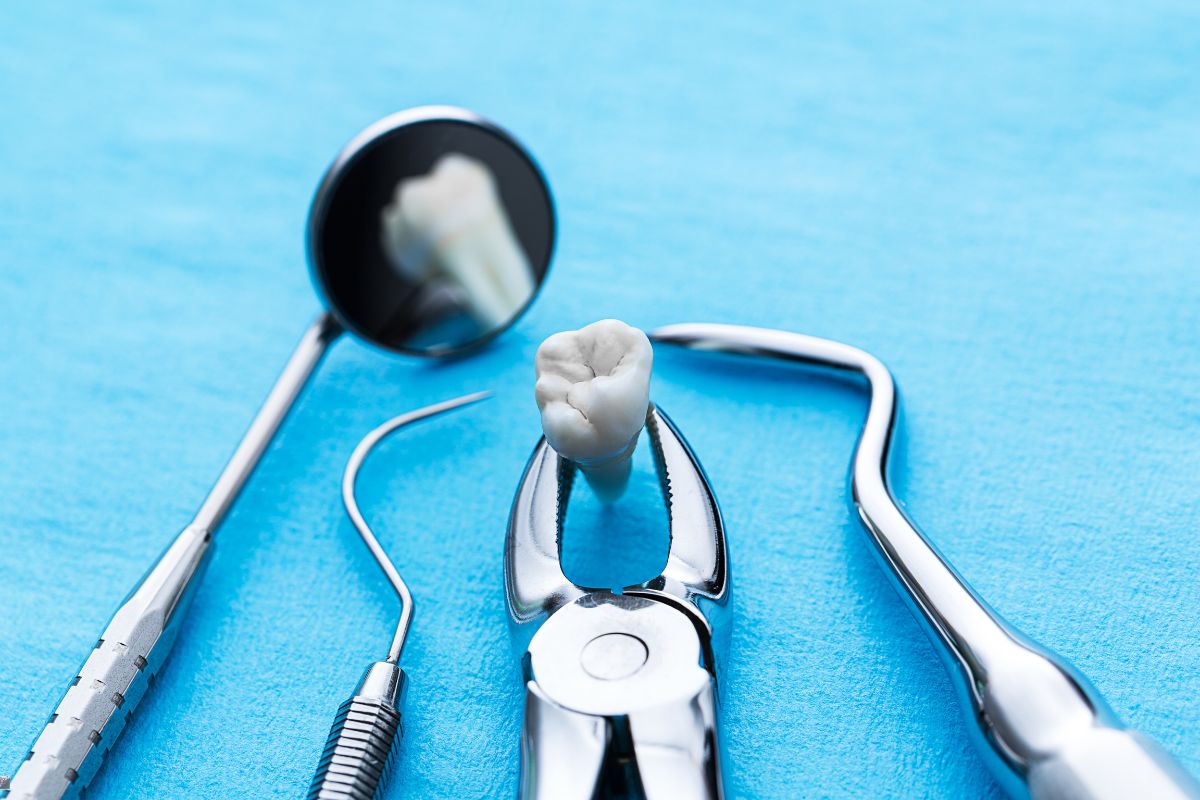
- The Extraction: Your endodontist will carefully remove the tooth using the appropriate tools and techniques.
- Stitches: Depending on the extraction site, stitches might close the gum tissue and promote healing.
4. Post-Operative Care: Essential Steps for Healing
Following tooth removal in Layton or Pleasant View, proper post-operative care is crucial for a smooth healing process and minimizes the risk of complications. Here are some key points to remember:
- Bleeding: Some bleeding is normal after a tooth removal. Bite firmly on the gauze pad provided by your endodontist for at least 30 minutes. If bleeding persists, replace the gauze and apply gentle pressure.
- Pain Management: Your endodontist will prescribe pain medication to manage discomfort following the procedure. Take the medication as directed by your endodontist.
- Diet: For the first few days, stick to soft foods like yogurt, applesauce, mashed potatoes, and soups.
- Oral Hygiene: Maintain good oral hygiene by gently brushing your teeth and rinsing with warm salt water solution (1/4 teaspoon salt dissolved in a glass of warm water) several times a day. Avoid brushing directly at the extraction site for at least 72 hours.
- Rest and Limited Activity: Take it easy for the first 24 hours after extraction. Avoid strenuous activity that could increase blood pressure and potentially dislodge the blood clot.
5. Potential Risks and Complications
While tooth removal is a safe and routine procedure, there are potential risks and complications. These include:
- Infection: Following proper post-operative instructions and maintaining good oral hygiene are crucial to minimizing the risk of infection at the extraction site.
- Bleeding: Although some bleeding is normal, excessive bleeding can occur. If you experience persistent bleeding, contact your endodontist immediately.
- Pain and Discomfort: Pain and discomfort are normal after a tooth removal. However, if you experience severe or persistent pain, contact your endodontist.
- Swelling: Swelling is a common side effect that typically subsides within a few days.
6. Considering Replacement Options
Mountain View Endodontics, serving both Layton and Pleasant View, offers consultations to discuss tooth replacement options following a removal. Here are some possibilities:
- Dental Implants: Dental implants are considered the gold standard for tooth replacement. These small titanium posts are surgically placed in the jawbone to mimic the root of a natural tooth. They offer a stable and long-lasting solution for missing teeth.
- Dental Bridges: Dental bridges are anchored to surrounding healthy teeth to fill the gap left by a missing tooth. They are a good option for replacing one or a few missing teeth.
- Dentures: Dentures are removable appliances that replace multiple missing teeth. While they can restore function and aesthetics, they may require adjustments over time and offer a different level of comfort and stability than implants or bridges.
Schedule a Consultation Today!
If you’re facing a tooth removal or have questions about tooth replacement options, contact Mountain View Endodontics today. We offer convenient appointment times at both our Layton and Pleasant View locations. During your consultation, our experienced and compassionate team will thoroughly examine your situation, discuss the reasons for the removal, and recommend the most appropriate treatment plan for your needs.
Remember, a healthy mouth starts with good oral hygiene and preventive care. However, sometimes tooth removal becomes necessary. By carefully understanding the procedure, following post-operative instructions, and considering tooth replacement options with your endodontist, you can ensure a smooth recovery and maintain a healthy smile for years.