

When a tooth becomes badly infected or damaged, root canal treatment helps protect it from future complications by removing infection, saving the natural tooth structure, and preventing the problem from spreading. Instead of allowing damage to worsen and lead to tooth loss, treatment helps restore strength and function while supporting long-term oral health. For patients seeking root canal treatment, timely care can often stop pain, reduce risks, and help preserve a healthy smile.
At our dental clinic, many patients ask whether a root canal simply treats pain or truly helps prevent future dental problems. The answer is simple—it does both. A treated tooth can often remain healthy and functional for many years when cared for properly. Understanding how treatment works makes it easier to see why it plays an important role in protecting oral health.
Understanding What Happens During a Root Canal
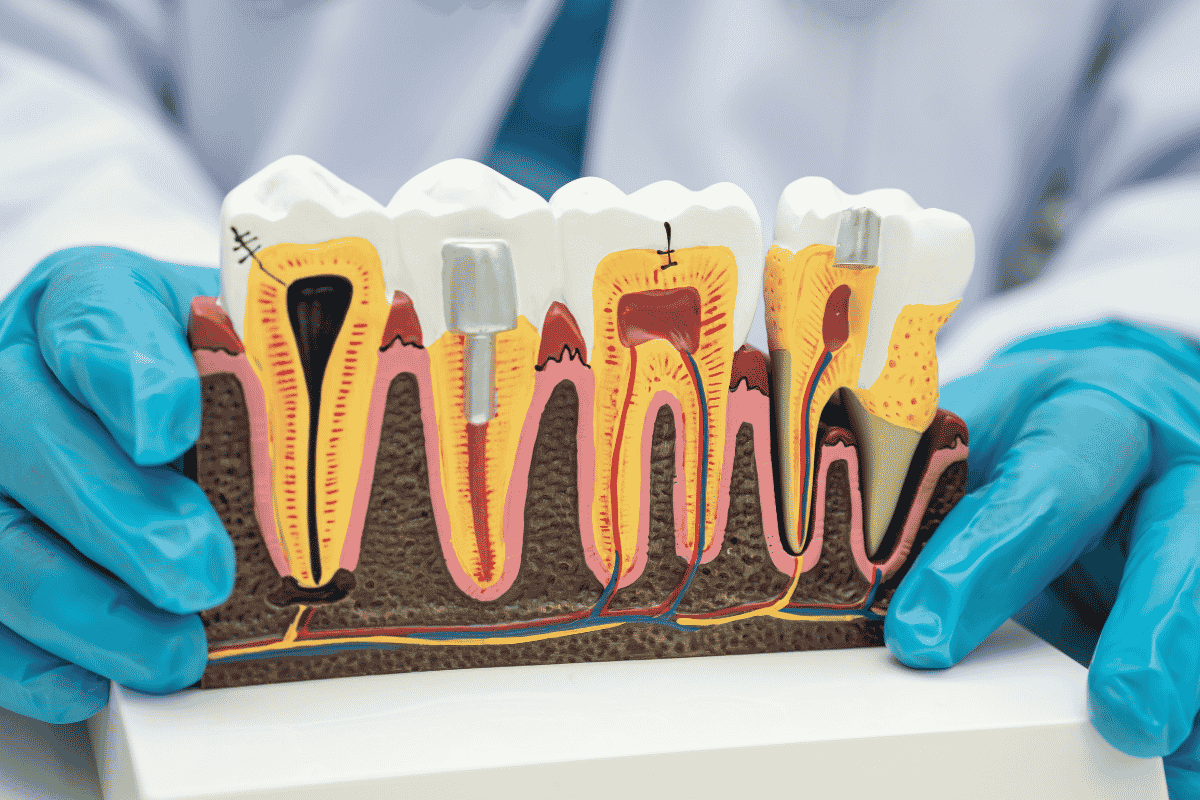
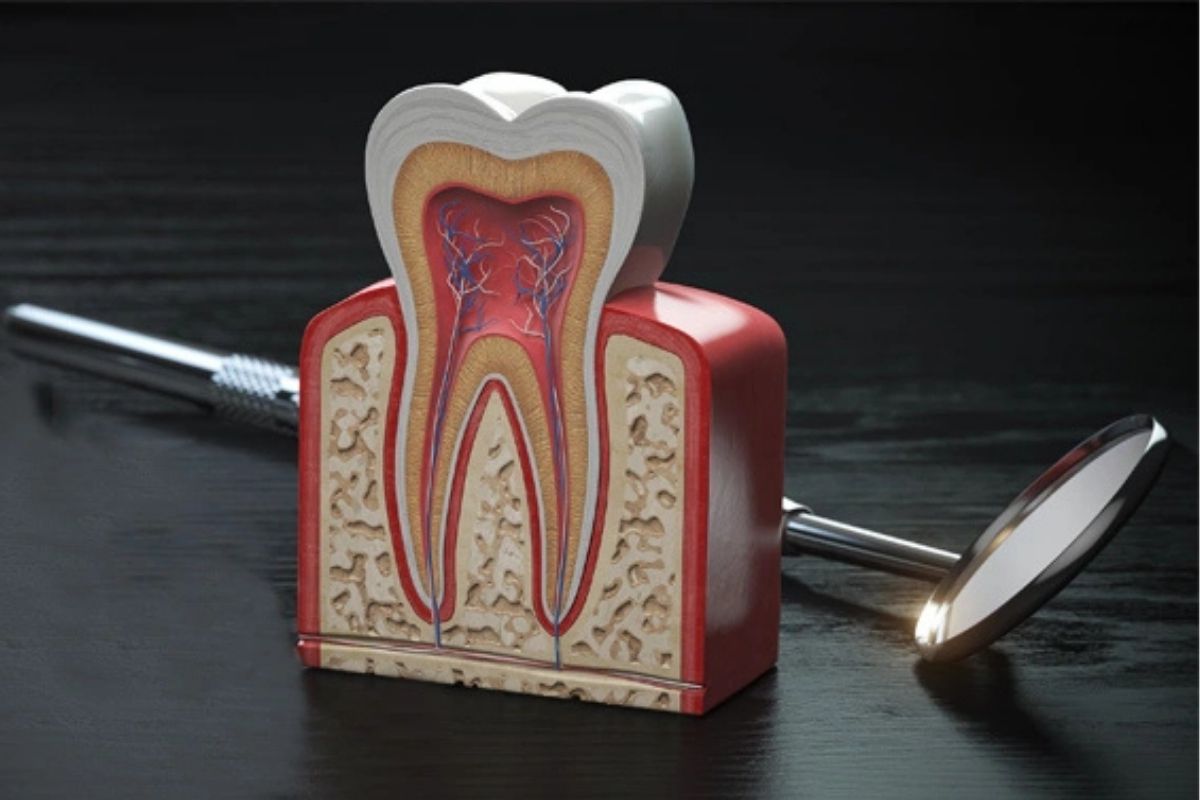
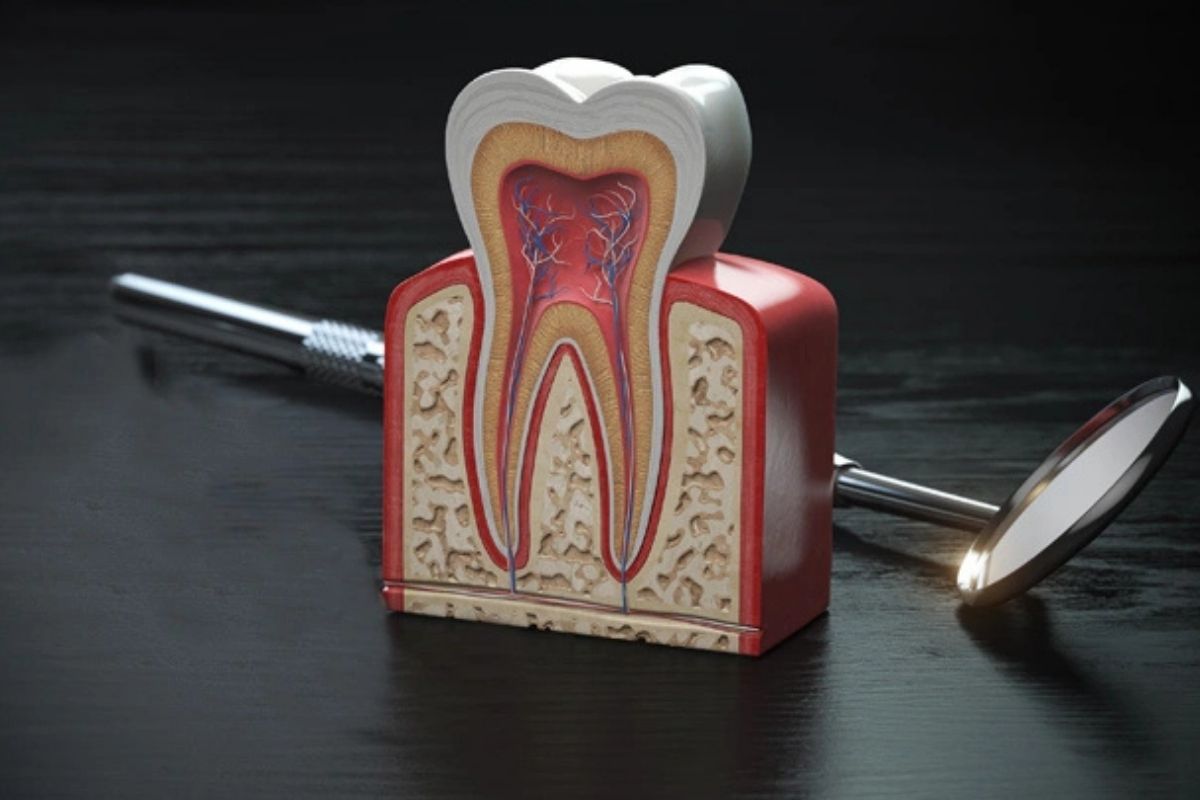
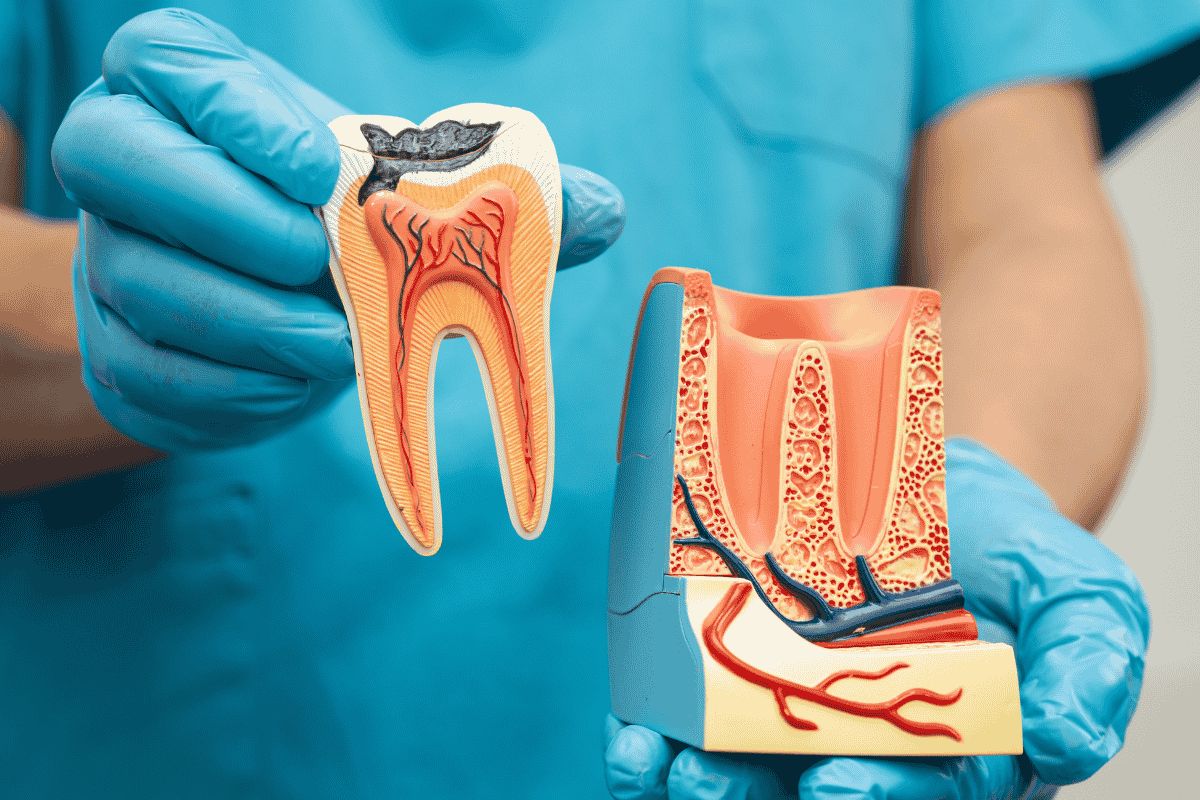
A tooth contains soft tissue inside called pulp. This tissue includes nerves and blood vessels that help the tooth develop. However, when infection reaches the pulp because of deep decay, injury, cracks, or repeated dental work, serious problems can begin. Without treatment, bacteria may continue spreading inside the tooth and into nearby tissues. This can lead to swelling, discomfort, infection in surrounding bone, or even tooth loss.
During root canal treatment, the infected tissue is carefully removed, the inside of the tooth is cleaned, and the canals are sealed to prevent bacteria from returning. In many cases, a restoration such as a dental crown helps strengthen the tooth afterward. By addressing infection early, treatment protects the tooth from larger concerns in the future.
Prevents Infection From Spreading
One of the biggest benefits of treatment is preventing infection from spreading deeper into the mouth. An untreated tooth infection rarely improves on its own. Instead, bacteria can travel into nearby gum tissue, surrounding bone, or neighboring teeth. This may increase discomfort and create more complex dental concerns over time.
A root canal helps stop this progression by removing the source of infection. Once the damaged tissue is cleaned and sealed, the chance of continued bacterial growth becomes much lower. For individuals considering root canal treatment in Pleasant View, receiving care early may reduce the need for more extensive dental procedures later.
Helps Save the Natural Tooth
Protecting a natural tooth is almost always the preferred option whenever possible. A missing tooth may affect chewing, speech, and bite alignment. It can also place additional pressure on surrounding teeth, causing uneven wear over time. One reason dentists often recommend endodontic care is because it allows patients to keep their original tooth structure. Saving the natural tooth often means maintaining a more comfortable bite and normal daily function.
A treated tooth can continue working like surrounding teeth, especially when paired with proper oral hygiene and regular dental care. Relevant concerns commonly linked to infected teeth, such as tooth sensitivity, deep decay, dental infection, and inflamed tooth pulp, are often addressed before they become more serious.
Reduces the Risk of Tooth Loss
Many people believe extraction is the only answer for a painful tooth. In reality, treatment may help avoid losing the tooth altogether. When infection progresses untreated, the damage may become severe enough that the tooth cannot be preserved. At that point, replacement options such as bridges, implants, or dentures may need consideration.
Saving a tooth through root canal treatment often provides a simpler long-term outcome than replacing a missing tooth. Preserving natural teeth whenever possible supports better oral stability and function. This is one reason many people in Pleasant View choose care sooner rather than waiting for discomfort to worsen.
Helps Protect the Jawbone and Surrounding Teeth
Every natural tooth supports the bone around it. When a tooth is lost, the supporting area may begin changing over time. Tooth loss can sometimes affect spacing and allow nearby teeth to shift. Changes in bite alignment may follow, making chewing less comfortable.
By preserving the tooth, a root canal helps maintain the support system already in place. Keeping teeth stable may lower the chance of future complications related to spacing and function. This preventive benefit is often overlooked, but it plays a major role in long-term oral health.
Relieves Pain While Supporting Long-Term Health
Many patients feel nervous when hearing the words “root canal,” but modern treatment focuses on comfort and tooth preservation. Pain is often caused by infection or pressure inside the tooth. Removing infected tissue may help reduce discomfort rather than create it.
Once healing takes place, many people return to normal activities quickly and notice improved comfort during chewing and daily life. Seeking root canal treatment in Pleasant View early may help avoid emergency situations and support healthier outcomes over time.
What Happens If You Delay Treatment?
Ignoring symptoms such as lingering tooth pain, swelling, sensitivity to temperature, or tenderness may increase the risk of complications.
Delaying treatment could lead to:
- Increased infection
- Damage to surrounding tissue
- Higher risk of tooth loss
- More complex treatment needs
- Greater discomfort over time
A dental concern that begins small may become harder to manage when left untreated. Early care often provides the best opportunity to protect the tooth.
Protecting Your Tooth After Treatment
After treatment, maintaining healthy habits matters. Patients are often encouraged to:
- Brush and floss daily
- Attend routine dental visits
- Avoid chewing hard items that may damage teeth
- Follow restoration recommendations, including crowns if advised
These simple habits can help support long-term success and preserve oral health.
Conclusion
A root canal does far more than treat immediate discomfort. It helps protect a tooth from future complications by removing infection, preserving natural structure, lowering the risk of tooth loss, and supporting long-term oral health. When treated early, an infected tooth may continue functioning normally for years without causing larger concerns.
If you are experiencing tooth pain, sensitivity, or signs of infection, the team at Mountain View Endodontics in Pleasant View can help you better understand whether treatment may be appropriate for your situation. Scheduling an evaluation is an important step toward protecting your smile and preventing future dental problems.