


When faced with tooth pain or sensitivity, the words “root canal” can often evoke anxiety. While root canals are a standard and effective procedure, they aren’t always the only option. Pulp capping, a less invasive alternative, can sometimes save the day. But is pulp capping better than a root canal? As with many things in dentistry, the answer depends on the specific situation. This blog post will delve into the details of both procedures, helping you understand which might be the right choice for your dental needs.
Understanding the Pulp
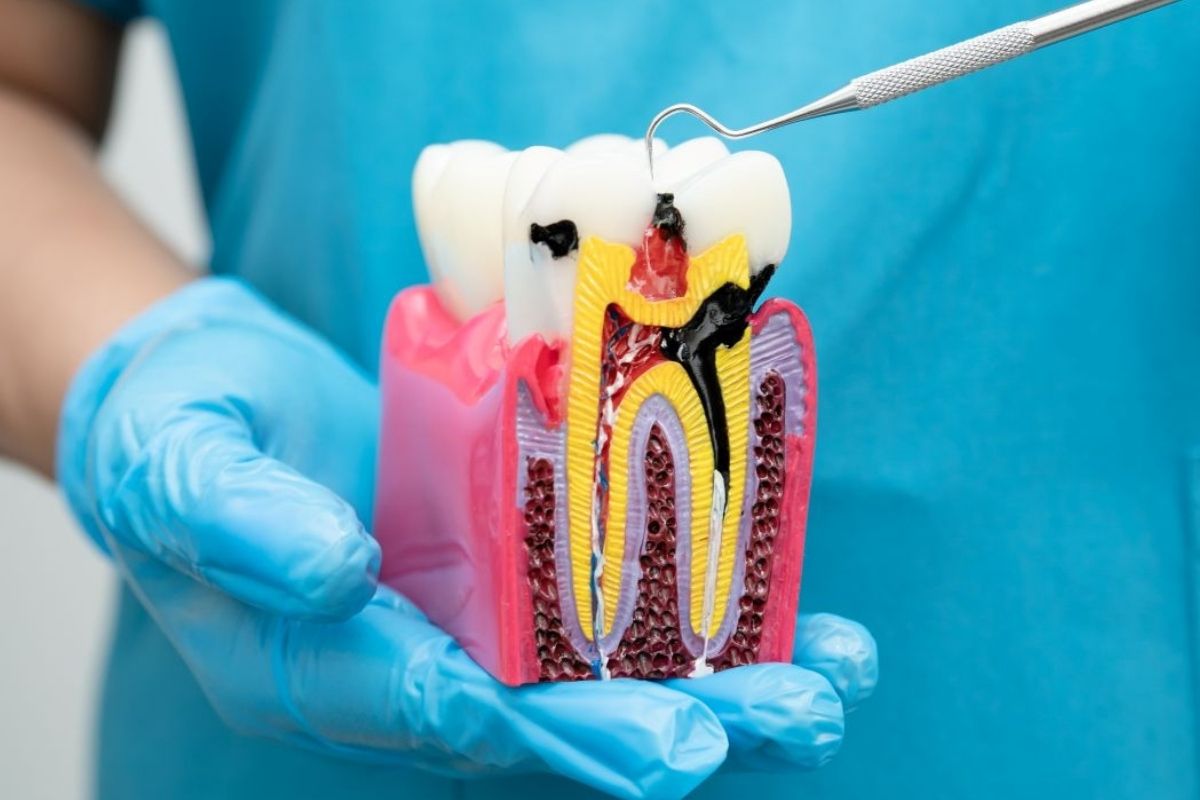
At the heart of every tooth lies the pulp, a soft tissue containing blood vessels, nerves, and lymphatic vessels. The pulp keeps the tooth alive and healthy, providing nutrients and sensation. When the pulp becomes inflamed or infected, it can cause significant pain and discomfort. This is where both pulp capping and root canal procedures come into play.
What is Pulp Capping?
Pulp capping is a procedure to save the pulp in a tooth with a deep cavity or minor pulp exposure. It involves placing a medicated material directly over the exposed or nearly exposed pulp to stimulate healing and protect it from further damage. Think of it as a “bandage” for the pulp. There are two main types of pulp capping:
- Direct Pulp Cap: This is performed when the pulp is slightly exposed, often due to a small cavity or trauma. The medicament is placed directly on the exposed pulp.
- Indirect Pulp Cap: This is used when the pulp is close to being exposed, but there isn’t a direct opening. The medicament is placed over a thin layer of dentin (the hard tissue beneath the enamel) to protect the pulp.
What is a Root Canal?
A root canal, or endodontic treatment, becomes necessary when the pulp is irreversibly damaged or infected. This damage can be caused by deep cavities, cracks or fractures in the tooth, or repeated dental procedures. During a root canal, the infected or damaged pulp is removed entirely. The space within the tooth’s root is then cleaned, shaped, and filled with a biocompatible material. Finally, the tooth is sealed, and often, a crown is placed to strengthen and protect it.
Pulp Capping vs. Root Canal: Key Differences
| Feature | Pulp Capping | Root Canal |
|---|---|---|
| Goal | Save the pulp | Remove infected/damaged pulp |
| Invasiveness | Minimally invasive | More invasive |
| Number of Visits | Usually 1 | Typically 1-3 |
| Recovery | Quick | May take a few days |
| Long-term Success | Dependent on pulp health; lower success rate | Generally high success rate |
| Cost | Less expensive | More expensive |
When is Pulp Capping Appropriate?
Pulp capping is a viable option in specific situations, primarily when:
- The pulp exposure is small and recent.
- The tooth is otherwise healthy.
- There are no signs of infection in the pulp.
- The patient experiences minimal pain.
When is a Root Canal Necessary?
A root canal is the recommended treatment when:
- The pulp is infected or severely inflamed.
- The tooth is causing significant pain.
- An abscess (a pocket of pus) at the tooth’s root.
- The tooth has a large cavity extending into the pulp.
- Previous dental work has compromised the pulp.
Is Pulp Capping Better than a Root Canal?
The answer isn’t a simple yes or no. Pulp capping is better because it’s less invasive, less expensive, and preserves the natural pulp of the tooth. However, it’s only a viable option in specific, limited circumstances. If the pulp is already significantly damaged or infected, pulp capping has a lower chance of success, and a root canal is necessary to save the tooth.
A successful pulp cap is preferable to a root canal because it maintains the tooth’s vitality. A vital tooth is generally more potent and less prone to fracture than a tooth that has undergone a root canal. However, a failed pulp cap will eventually require a root canal, potentially delaying necessary treatment and leading to further complications.
The Importance of Diagnosis
Accurate diagnosis is the key to determining whether pulp capping or a root canal is the right choice. Your dentist will perform a thorough examination, including X-rays, to assess the condition of your tooth and pulp. They will consider factors such as:
- The depth of the cavity.
- The presence of pulp exposure.
- The patient’s symptoms.
- The results of pulp testing.
Based on this information, your dentist will recommend the most appropriate treatment option.
Conclusion
Choosing between pulp capping and a root canal is best made with your dentist. They can provide personalized advice based on your specific situation and help you weigh the pros and cons of each procedure. While pulp capping offers the advantage of preserving the pulp, a root canal is often the more predictable and reliable option for severely damaged or infected teeth.
Ultimately, the goal is to save your natural tooth whenever possible and restore oral health. Whether that means a pulp cap or a root canal, your dentist will work with you to ensure you receive the best care.