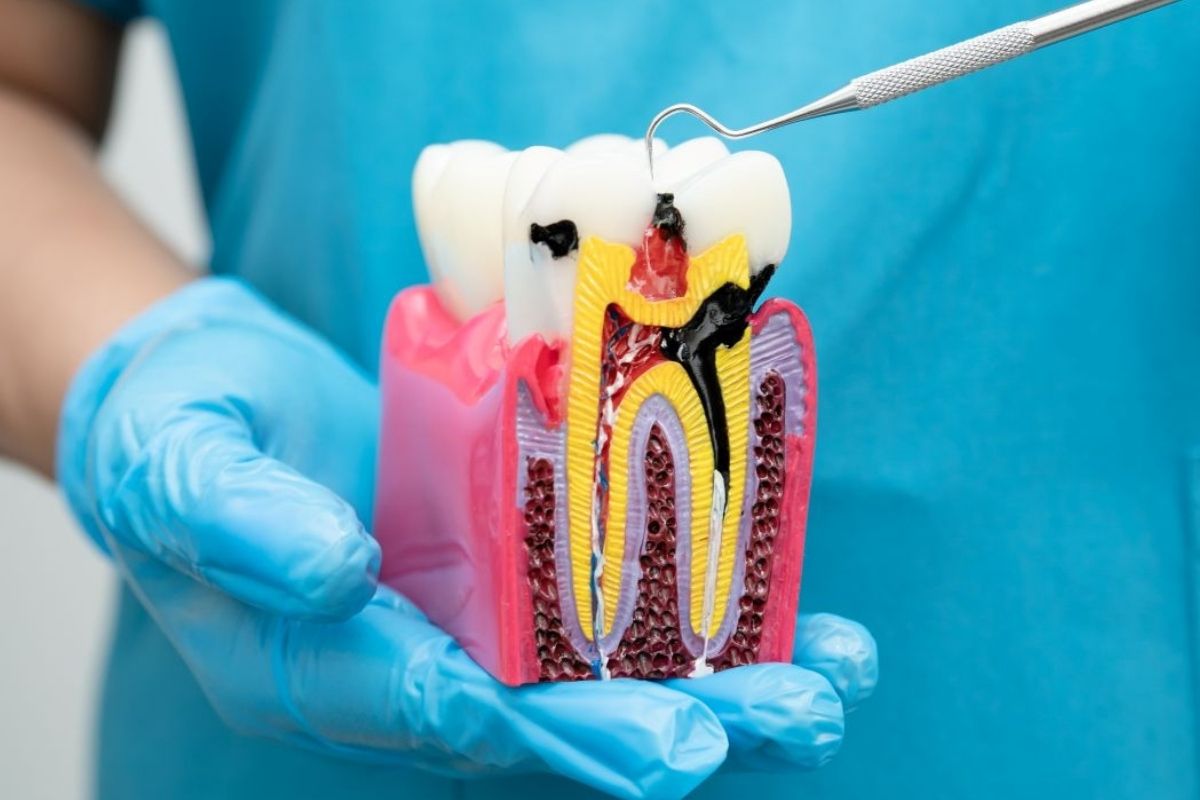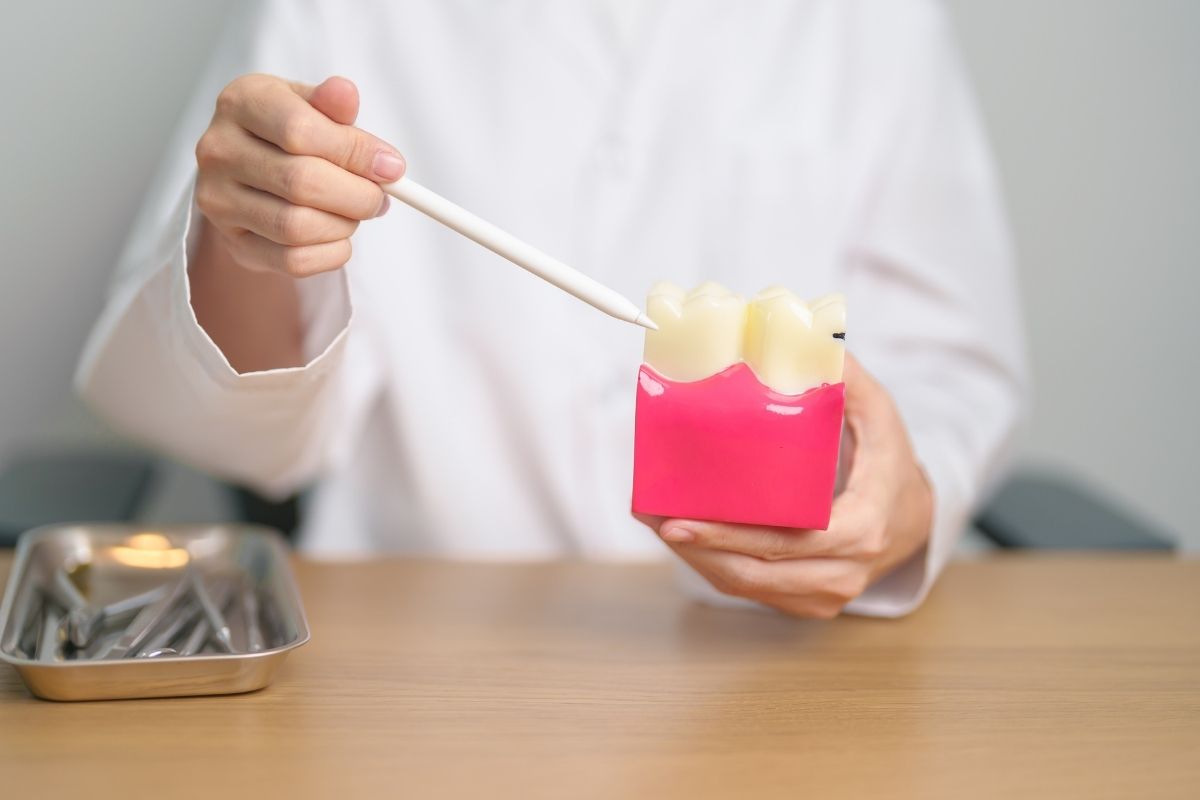



Cavities can sneak up on you, often starting as tiny, painless pits in the tooth’s enamel. However, when left untreated, they can progress deeper, eventually reaching the pulp—the soft core at the center of the tooth that contains nerves and blood vessels.
Can You Save a Tooth with a Pulp Infection?
Yes, a tooth with a pulp infection can often be saved. A root canal procedure is a common treatment for pulpitis. In this procedure, the infected pulp is removed, and the tooth is cleaned and sealed. This procedure helps preserve the natural tooth and prevents further infection.
What Happens When Decay Reaches the Pulp?
The pulp is a vital part of your tooth, responsible for keeping it nourished and alive. When bacteria from a cavity invade the pulp, it leads to inflammation, infection, and even tissue death. This can result in symptoms like:
- Persistent or throbbing toothache
- Sensitivity to hot and cold
- Swelling around the tooth
- Gum tenderness or abscess formation
The damage is not just at the surface level at this stage anymore. The infection can spread to surrounding tissues and, in severe cases, lead to systemic health issues if left untreated.
Can Natural Remedies Save a Tooth in This Condition?
Unfortunately, once decay has reached the pulp, the damage is irreversible. Natural remedies or home treatments, such as oil pulling, fluoride applications, or herbal rinses, may provide temporary relief but cannot repair the infected pulp. These methods can help maintain overall oral health or slow further decay in earlier stages, but they cannot address the complex issues that arise once bacteria have breached the pulp chamber.
While good oral hygiene and dietary adjustments are vital for preventing cavities, they’re not a substitute for professional dental treatment when the pulp is affected.
The Role of Root Canal Treatment in Saving the Tooth
Root canal therapy often becomes the best solution when a tooth is at this critical stage. A root canal can alleviate pain, eliminate infection, and save the tooth from extraction. Here’s what the procedure entails:
Diagnosis and Preparation:
The endodontist examines the tooth, often using X-rays to assess the extent of the damage. A local anesthetic guarantees a painless procedure.
Removing the Infected Pulp:
The decayed pulp tissue is carefully removed from the tooth’s interior, eliminating the source of pain and infection.
Cleaning and Disinfecting the Canals
The tooth’s inner chambers are thoroughly cleaned and shaped to prepare them for sealing.
Filling and Sealing
To stop reinfection, a biocompatible substance is poured into the empty canals.
Restoration
A crown or filling is placed over the tooth to restore its function, appearance, and strength.
Why Is a Root Canal Better Than Extraction?
Preserving your natural tooth is always the preferred option. Root canals offer several benefits:
- Maintain Natural Function: Your original tooth continues to function without the need for replacements like bridges or implants.
- Cost-Effective: While the initial cost may seem high, root canals are more affordable in the long term than replacing an extracted tooth.
- Protect Surrounding Teeth: Keeping your natural tooth prevents the shifting of adjacent teeth, which can occur after an extraction.
- High Success Rate: Root canals are highly effective, with success rates over 90% when performed promptly and correctly.
Once a cavity reaches the pulp, saving the tooth naturally is no longer an option. However, a root canal can save your tooth and restore your oral health with timely intervention. The longer you wait, the more complex the problem becomes, potentially leading to tooth loss.
Conclusion
If you’re experiencing persistent tooth pain or sensitivity, don’t ignore it.
Acting quickly could mean the difference between saving your tooth and losing it. Remember, your natural smile is worth preserving!