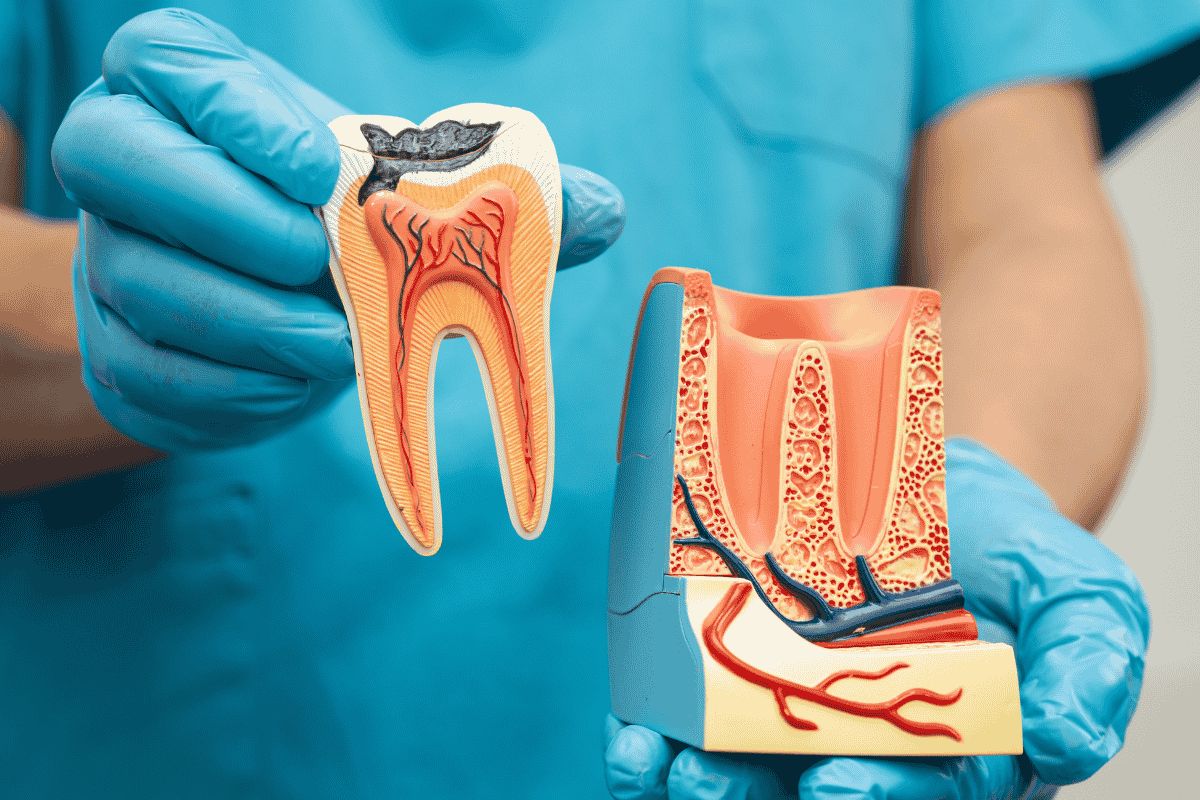


Chewing and biting should feel natural and pain-free. When a tooth becomes infected or badly damaged, even simple things like eating a sandwich or biting into fruit may become uncomfortable. A root canal helps restore comfortable chewing and biting by removing infection from inside the tooth, easing pain, and preserving the natural structure so it can function normally again. For patients seeking root canal treatment, early care can often help prevent ongoing discomfort and protect long-term oral health.
At our dental clinic in Pleasant View, many patients are surprised to learn that tooth discomfort affecting daily eating often comes from inflammation or infection deep inside the tooth rather than from the surface. Understanding how treatment works can help explain why chewing comfort often improves afterwards.
Why Chewing and Biting Become Painful
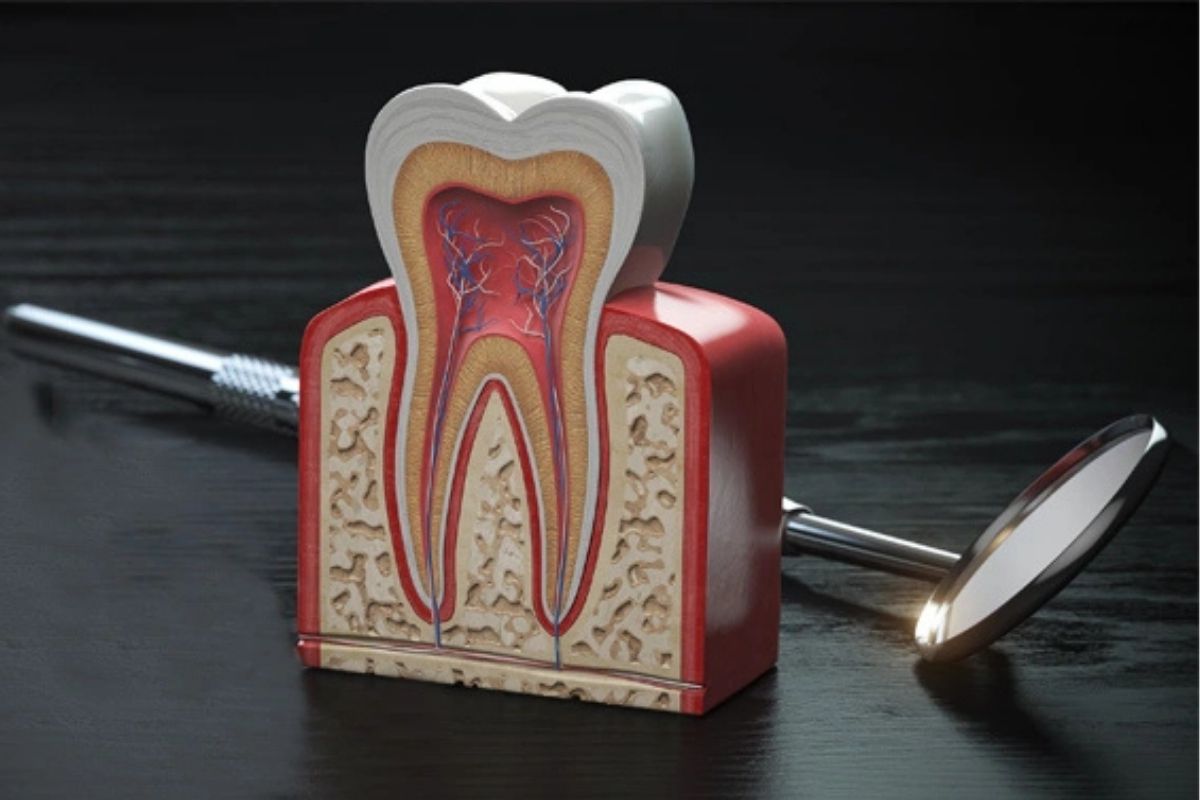
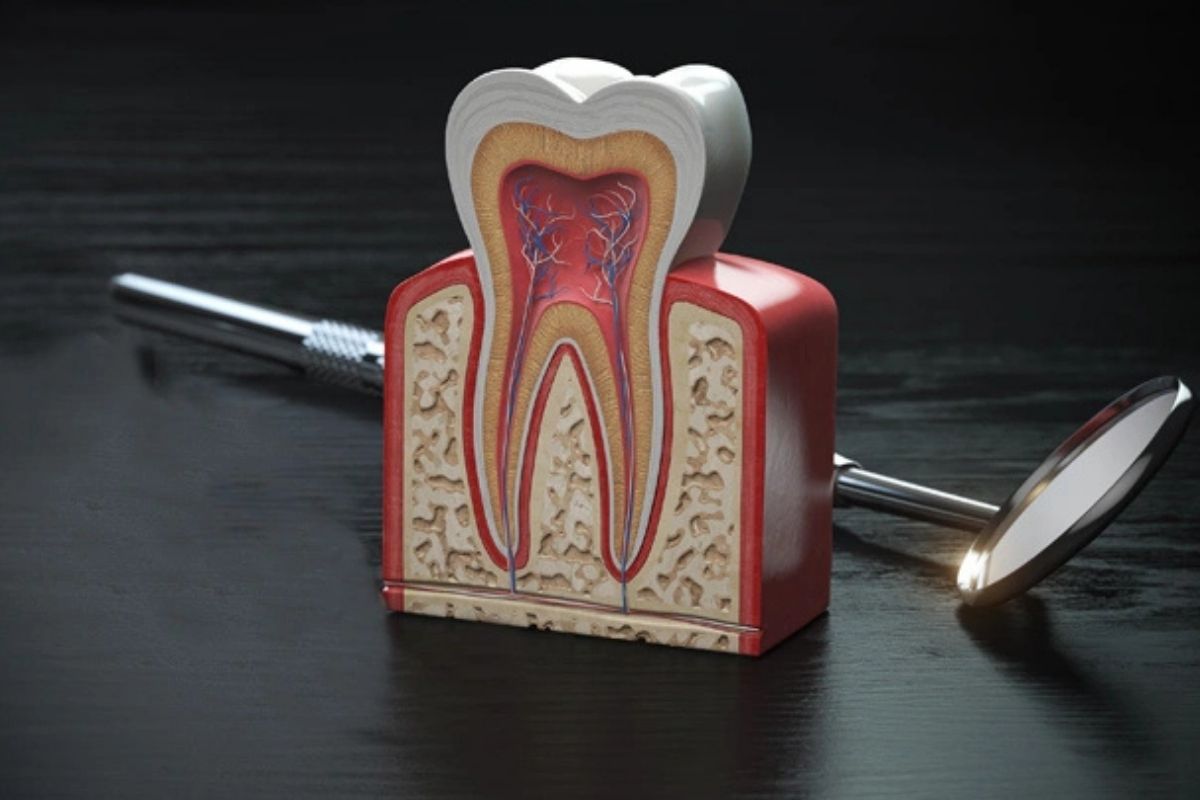
Healthy teeth handle pressure from chewing every day. However, when the soft tissue inside a tooth, called the pulp, becomes inflamed or infected, everyday movements like biting down may suddenly feel painful.
Several issues can lead to this kind of discomfort, including:
- Deep tooth decay
- Cracks or fractures in a tooth
- Previous dental injuries
- Repeated dental work on the same tooth
- Untreated infection reaching the inner tooth structure
Many people notice symptoms such as sensitivity to hot or cold foods, soreness while chewing, swelling near the gums, or lingering pain after eating. In some cases, pain may come and go, making it easy to ignore until eating becomes difficult. When a damaged tooth is left untreated, the discomfort may worsen and affect how comfortably someone can bite or chew food.
How a Root Canal Helps Restore Function
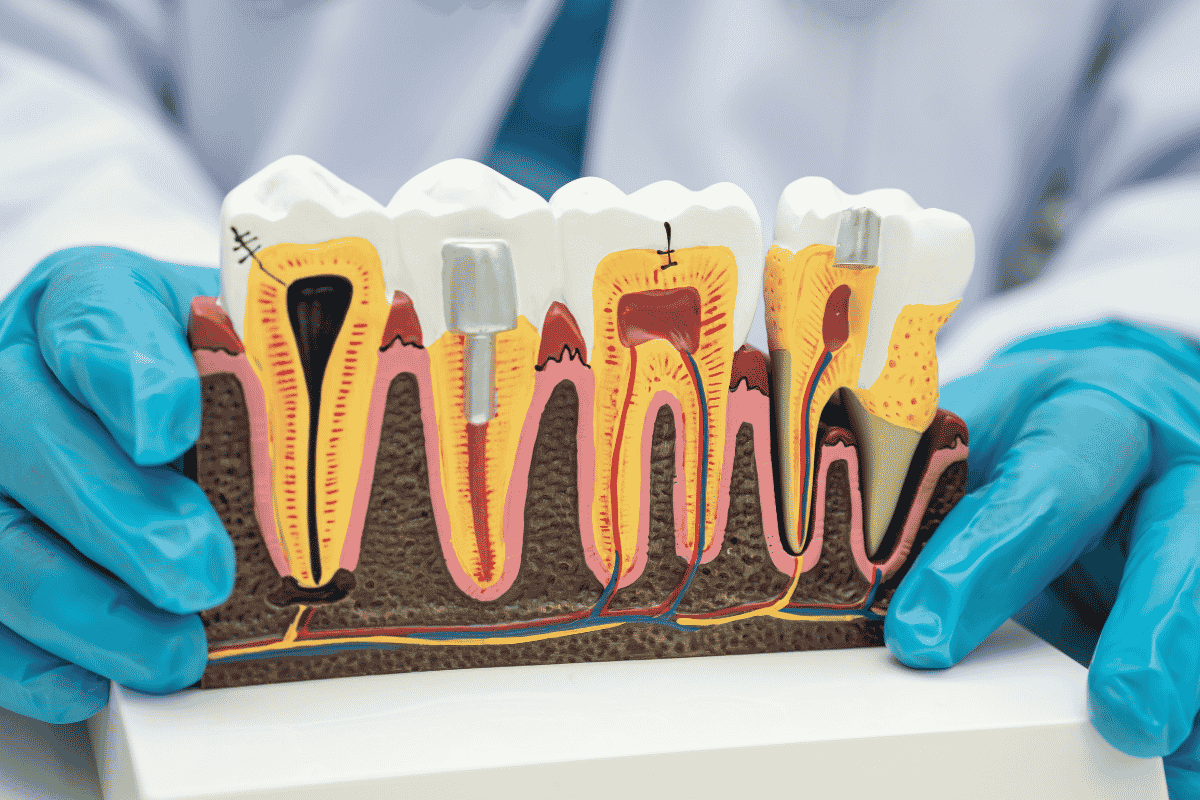
A root canal is designed to save a natural tooth by removing damaged or infected tissue inside it. Once the infection is addressed, the tooth can heal and function more normally.
The treatment process generally involves:
Removing the Source of Pain
The inside of an infected tooth often contains irritated nerves and inflamed tissue. These structures react strongly to pressure, which is why chewing may feel uncomfortable. During treatment, the infected pulp is carefully removed, and the inside of the tooth is cleaned and sealed. Removing the damaged tissue often helps relieve pain that occurs while eating. As inflammation settles, many patients begin to notice less sensitivity when chewing or biting.
Protecting the Natural Tooth Structure
Saving a natural tooth matters because it keeps chewing mechanics balanced. Losing a tooth may change bite alignment and place extra pressure on surrounding teeth. By preserving the original tooth, treatment helps maintain normal function. Once restored properly, the tooth can continue supporting daily activities such as chewing, speaking, and biting.
This is one reason many people choose root canal treatment in Pleasant View when they want to address pain while keeping their natural smile intact.
Restoring Bite Strength
After treatment, a restoration such as a dental crown may be recommended depending on the tooth involved. This added protection strengthens the tooth and helps it tolerate regular chewing pressure.
When restored correctly, a treated tooth can often function similarly to surrounding teeth, making meals feel more comfortable again.
What Foods Become Easier to Eat After Treatment?
Patients often ask when they can return to normal eating. Recovery varies, but many people notice improvement in comfort after healing begins. Once discomfort improves, patients often find it easier to enjoy:
- Crunchy vegetables
- Meats that require firm chewing
- Bread and sandwiches
- Fresh fruits
- Foods that previously triggered sensitivity
The goal is not simply pain relief but restoring everyday function. Comfortable chewing helps people enjoy meals without hesitation or discomfort.
How Long Does Recovery Take?
Mild soreness for a few days after treatment is normal, especially if the tooth had a significant infection beforehand. However, chewing discomfort linked to infection usually improves as healing progresses.
Many patients are able to return to normal routines quickly, although dentists may recommend avoiding heavy chewing on the treated side temporarily. Following aftercare instructions matters because healing tissues respond best when given time to settle.
Signs You May Need Treatment
Discomfort while eating should not be ignored, especially if symptoms continue or worsen over time.
Common signs that may suggest a tooth problem include:
- Pain when biting down
- Lingering sensitivity to hot or cold foods
- Swollen gums around one tooth
- Tooth discoloration
- Sharp discomfort during chewing
- A pimple-like bump near the gums
These symptoms may point to inflammation inside the tooth that could require endodontic care. Seeking care earlier may help prevent worsening discomfort and reduce the chance of larger dental problems later.
Why Saving the Natural Tooth Matters
When possible, preserving a natural tooth is often the preferred approach. Natural teeth help maintain proper chewing pressure, jaw balance, and bite alignment.
A root canal supports long-term oral health by treating infection while allowing the tooth to remain in place. This helps patients continue eating comfortably without needing to adjust chewing habits because of missing or painful teeth. For people in Pleasant View dealing with ongoing discomfort during meals, timely treatment may help restore comfort and improve daily function.
Conclusion
A painful tooth can make simple routines like eating feel frustrating and uncomfortable. A root canal helps restore comfortable chewing and biting by removing infection, relieving pressure inside the tooth, and preserving its natural structure. Once healed and properly restored, the tooth can often return to normal function, helping patients eat more comfortably again.
If chewing or biting has become uncomfortable, getting a professional evaluation may help identify the cause before symptoms worsen. The team at Mountain View Endodontics in Pleasant View can assess tooth discomfort and recommend appropriate care to help restore function and comfort. Schedule your appointment today!