


When a tooth is badly damaged or infected, one of the biggest decisions is whether to preserve it with a root canal or remove it with an extraction. While extraction may seem like the quicker or less expensive option, the right choice depends on the condition of the tooth, your overall oral health, and what happens after treatment.
Understanding the differences between a root canal and an extraction can help you have a more informed conversation with your dentist or endodontist before making a decision.
What Is the Difference Between a Root Canal and an Extraction?
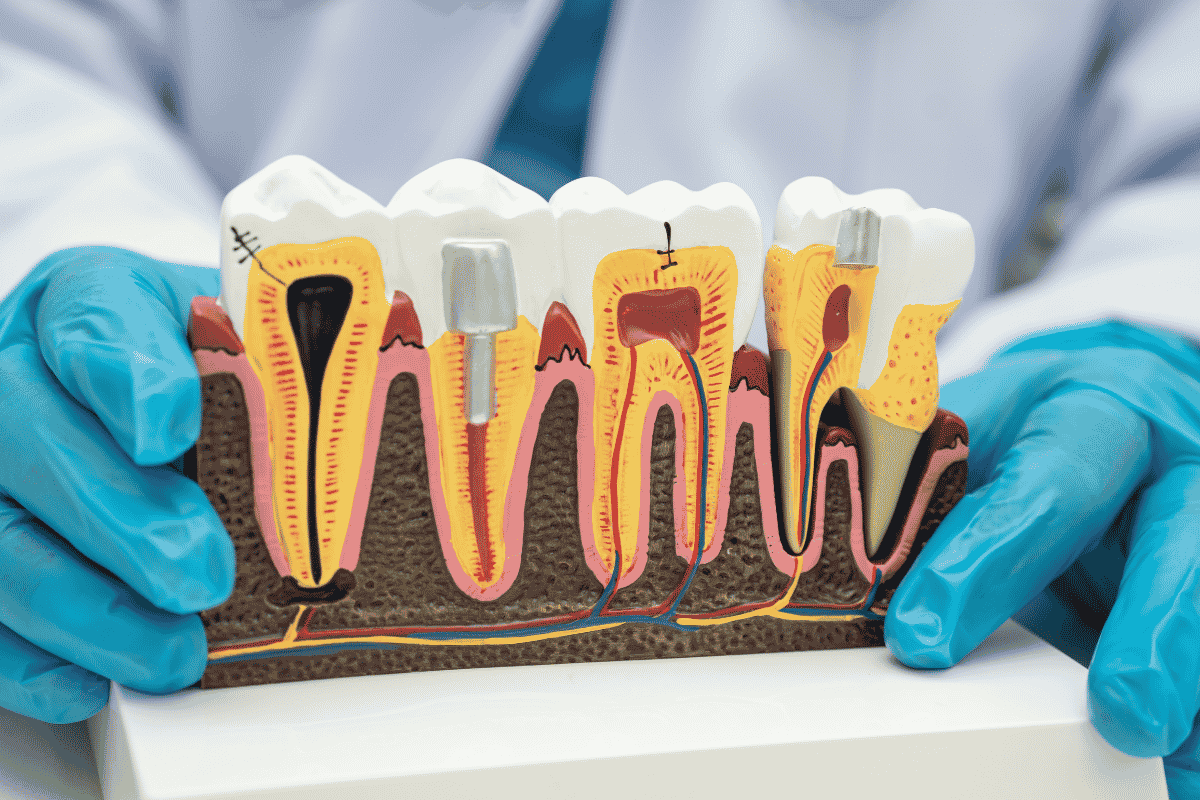
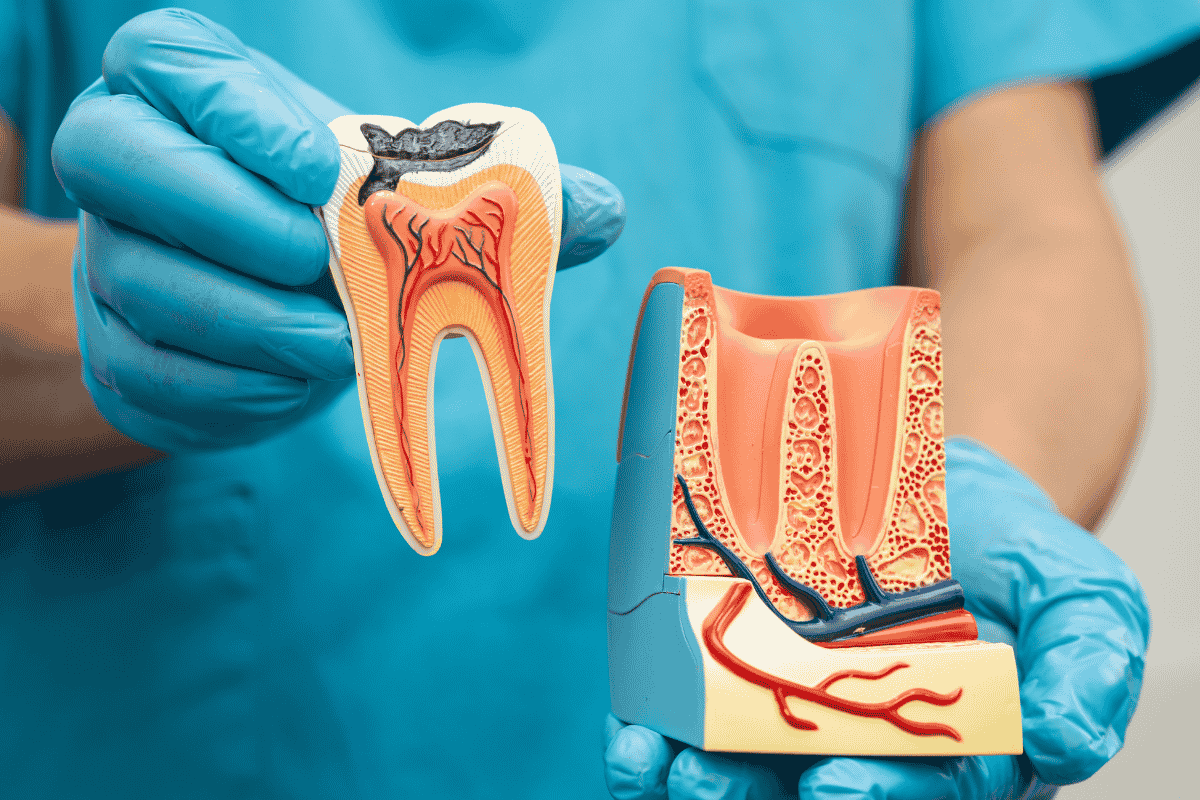
A root canal is designed to remove infection from inside a damaged tooth while preserving the natural tooth structure. During treatment, the infected pulp is removed, the inside of the tooth is cleaned and disinfected, and the space is sealed. A crown may then be recommended to restore strength and function. An extraction takes a different approach. Instead of treating the inside of the tooth, the entire tooth is removed from its socket.
Both treatments can address severe tooth pain and infection, but they have very different effects on your mouth afterward. Whenever a tooth can be predictably restored, preserving it is generally worth considering.
Which Option Costs More?
An extraction usually has a lower initial price than a root canal followed by a crown. However, comparing only the upfront procedure costs can make extraction appear more affordable than it actually is. Once a tooth is removed, you may eventually need to replace it. Depending on your situation, that could involve a dental bridge, partial denture, or dental implant. Additional procedures may also be recommended to preserve the bone where the tooth was removed.
For example, the long-term cost of extraction may include:
- The extraction procedure
- Bone preservation or grafting when necessary
- A dental implant or another tooth replacement option
- A crown placed over an implant
- Additional treatment if nearby teeth shift or the bite changes
By comparison, root canal treatment in Pleasant View can allow you to keep your natural tooth while addressing the infection causing the pain. Dr. Stuart Gibby evaluates the tooth carefully before recommending treatment, helping patients understand both the immediate and long-term considerations.
Why Saving the Natural Tooth Can Matter
Your natural tooth does more than help you chew. Its root provides stimulation to the surrounding jawbone and helps maintain the structure of your mouth. After an extraction, the bone surrounding the missing tooth can gradually deteriorate. Neighboring teeth may also shift toward the open space, potentially affecting your bite and making future dental treatment more complicated.
Preserving the natural tooth when possible can help:
- Maintain normal chewing function
- Preserve the surrounding jawbone
- Keep neighboring teeth in their proper positions
- Support a stable bite
- Avoid immediate tooth replacement
- Maintain your natural smile
A successfully treated tooth can continue functioning for many years with proper oral hygiene and routine dental care.
What Is Recovery Like?
Recovery is another factor to consider when comparing these treatments. After a root canal, some tenderness around the treated tooth is possible for a few days. Most patients can return to their usual activities relatively quickly, although the tooth may need a permanent crown or restoration to protect it from further damage. An extraction creates a healing socket that needs time to recover. Patients also need to follow aftercare instructions carefully to reduce the risk of complications such as dry socket.
If the extracted tooth needs to be replaced with a dental implant, treatment takes considerably longer. The implant must integrate with the jawbone before the final restoration can be completed. Depending on the patient’s individual circumstances, the overall process may take several months. This is why the decision should consider more than how quickly the tooth can be removed.
When Is an Extraction the Better Choice?
Although preserving a natural tooth is often preferred, a root canal is not appropriate for every tooth. Sometimes extraction is the safest and most predictable treatment.
An extraction may be considered when:
- The tooth has a severe crack that extends below the gum line
- Too much tooth structure has been lost to support a restoration
- Advanced bone loss has compromised the tooth
- The tooth cannot be predictably restored
- A previous root canal has failed and retreatment is not a viable option
In these circumstances, removing the tooth can eliminate the source of infection or damage. The next step is then determining the most appropriate way to replace the missing tooth when replacement is necessary.
How an Endodontist Helps You Decide
Choosing between a root canal and extraction should not come down to cost alone. The condition of the tooth, extent of infection, surrounding bone, previous dental treatment, and long-term prognosis all matter. An endodontist specializes in diagnosing and treating problems involving the dental pulp and tissues surrounding the tooth root. Dr. Stuart Gibby at Mountain View Endodontics can evaluate the affected tooth and explain whether it has a reasonable chance of being saved.
This individualized evaluation can help you understand:
- Whether the tooth can be restored
- Why you are experiencing pain or sensitivity
- Whether root canal treatment is appropriate
- What extraction would involve
- Whether the tooth may need replacement afterward
- What each option could mean for your long-term oral health
Which Treatment Is Right for You?
There is no single answer that applies to every damaged or infected tooth. If the tooth can be predictably restored, a root canal may allow you to preserve your natural tooth and avoid the additional steps associated with tooth replacement. If the tooth is too damaged to save, extraction may be the more appropriate option. In that situation, planning for replacement can help protect your bite, appearance, and oral function.
If you are experiencing persistent tooth pain or have been told that you may need a root canal or extraction, getting an evaluation sooner rather than later can help you understand your options. Schedule an Appointment with Mountain View Endodontics to discuss the condition of your tooth and determine the most appropriate next step.
Frequently Asked Questions
Is a root canal better than an extraction?
When a tooth can be predictably restored, preserving the natural tooth with a root canal can offer important long-term benefits. However, extraction may be the better option when the tooth has extensive damage and cannot be successfully restored.
Is an extraction cheaper than a root canal?
An extraction generally costs less upfront than a root canal and crown. However, replacing the extracted tooth with an implant, bridge, or another restoration can significantly increase the overall cost.
How do I know if my tooth can be saved?
An examination and dental imaging can help determine whether a tooth is suitable for root canal treatment. An endodontist can evaluate the extent of infection, structural damage, bone support, and overall prognosis before recommending treatment.
How long does a root canal take to heal?
Many patients experience mild tenderness for a few days after treatment. The exact recovery period depends on the tooth, the extent of infection, and the treatment performed. Your provider will give you specific aftercare instructions.
What happens if I extract a tooth instead of getting a root canal?
After an extraction, the area needs to heal. Depending on the location of the tooth and your oral health, your dentist may recommend replacing it with an implant, bridge, or partial denture to restore function and prevent unwanted changes to your bite.
Can an infected tooth heal without treatment?
An infected tooth generally does not heal on its own. Without appropriate treatment, the infection can worsen and potentially spread to surrounding tissues. Prompt evaluation can help determine whether the tooth can be treated or needs to be removed.