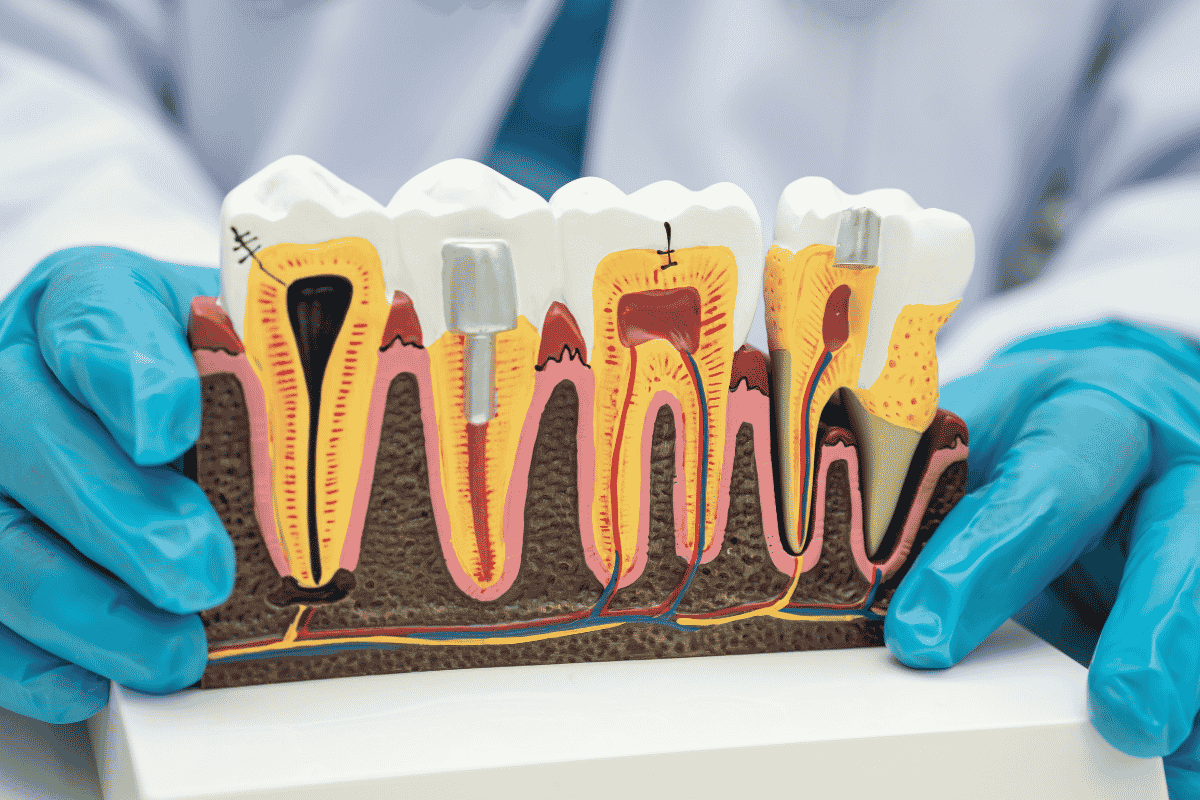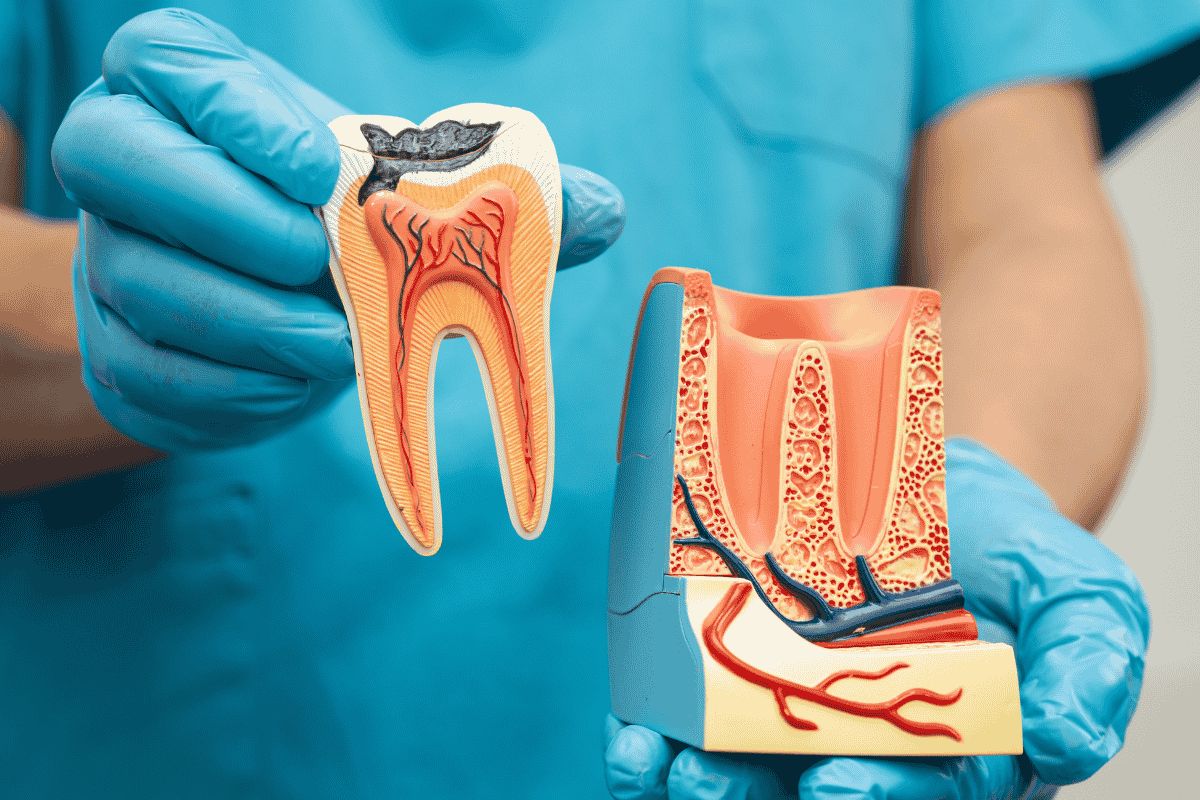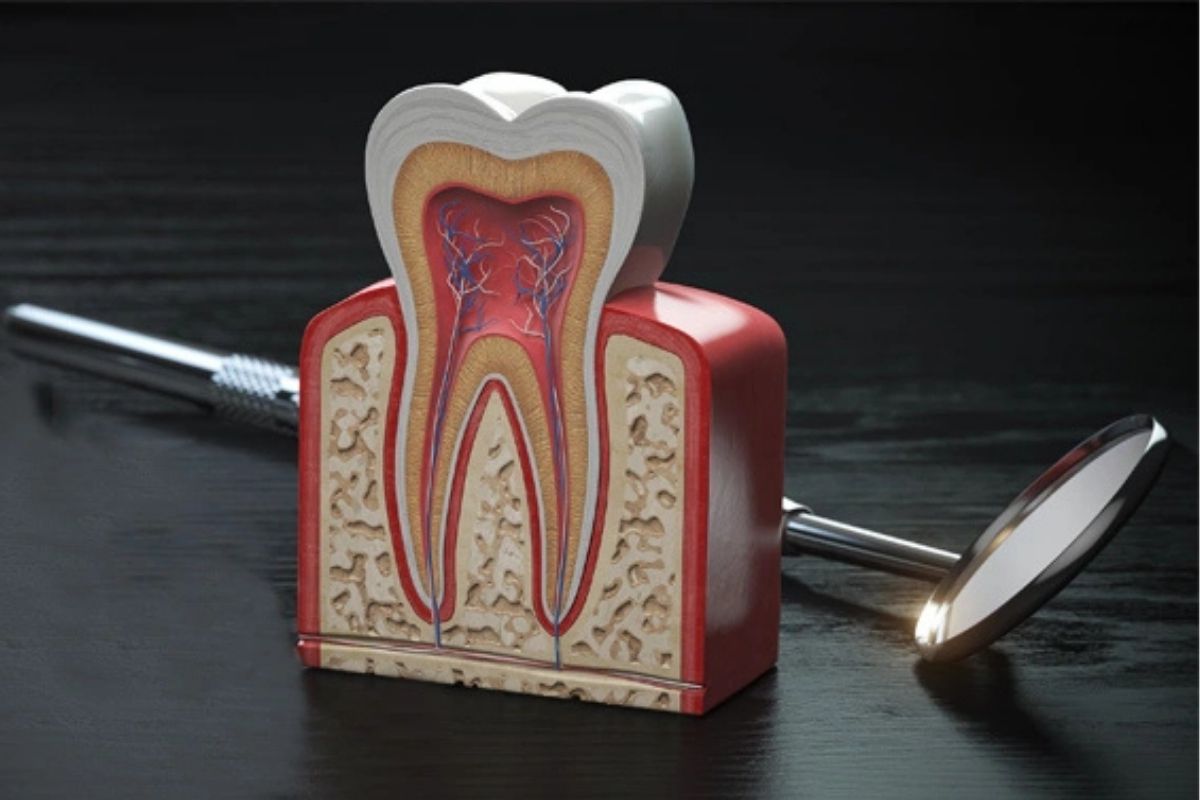


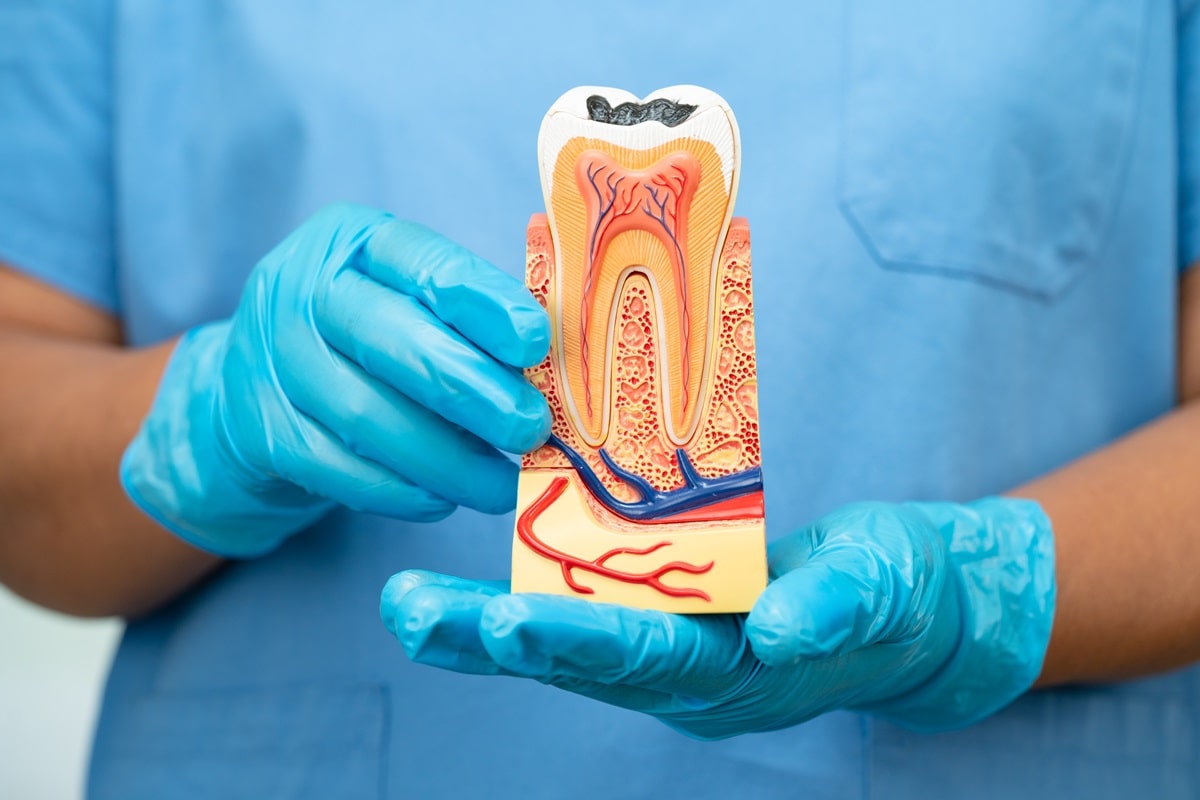
Undergoing a root canal therapy ( RCT) procedure can sound intimidating, but it’s a common dental treatment that helps save damaged or infected teeth. Many people worry about the pain associated with this procedure, but understanding what to expect can help ease your concerns. Whether you’re preparing for the procedure or you’re just curious about the process, knowing what happens before, during, and after a root canal can make the experience smoother and more manageable.
Is It Normal to Be Nervous About RCT?
It’s completely normal to feel a little anxious before your root canal therapy. However, it’s important to remember that the procedure is performed to relieve pain, not cause it. Most of the pain you might be feeling before the procedure is due to an infected or damaged tooth, which RCT will address. Your dentist will thoroughly explain the process and may offer options to help relax you, including local anesthesia or mild sedation.
By visiting our dental office, you’ll meet with our dentist, who will assess your condition, take X-rays, and explain the treatment plan. This will help you feel more comfortable and well-prepared for the procedure.
Does Root Canal Therapy Hurt?
During the actual procedure, pain is usually minimal. Local anesthesia will numb the area around your tooth so that you won’t feel anything except pressure. RCT itself is done in a series of steps, starting with cleaning the infected area. The dentist will carefully remove the damaged tissue from inside the tooth and seal it to prevent future infection.
Although the procedure itself is not typically painful, some patients report feeling some discomfort afterward, especially if the tooth was severely infected. This discomfort is usually manageable and can be treated with over-the-counter pain relievers. Your dentist’s role in minimizing pain is crucial. Using effective anesthesia techniques and ensuring the area is completely numbed will help you feel as comfortable as possible during the procedure.
Will I Feel Pain After the Procedure?
After the root canal treatment, it’s common to experience mild to moderate discomfort in the treated area for a few days. This is especially true if the infection was severe, as the surrounding tissue may be inflamed. However, any pain or discomfort should gradually subside as the healing process continues. Most people find that the pain is much less than before the procedure, since the infection is now gone.
It’s important to follow your dentist’s aftercare instructions, which may include taking prescribed antibiotics or pain relievers. To reduce discomfort, you can apply a cold compress to the affected area or stick to soft foods for the first few days. If you experience persistent or intense pain, be sure to contact your dentist, as this could indicate complications.
How Can I Make the Procedure Less Painful?
The best way to ensure your RCT goes smoothly is to trust your dentist’s expertise and follow pre- and post-treatment instructions. By arriving relaxed and well-prepared, you’ll reduce anxiety and help your dentist perform the procedure with ease. Also, choosing a dentist who is well-versed in making patients comfortable during treatment will enhance your experience.
Using anesthesia effectively is key to making the procedure as pain-free as possible. Afterward, following your dentist’s instructions on medication, diet, and rest will support your recovery and minimize discomfort.
Why a Trusted Dentist Plays a Key Role in a Comfortable Recovery
Your dentist plays a vital role in both the treatment and recovery stages of root canal therapy. From the careful application of local anesthesia to using advanced techniques for cleaning and sealing the tooth, a skilled dentist ensures that your root canal is both effective and as painless as possible. With proper care, RCT can provide long-lasting relief and help restore your tooth’s health.
If you experience discomfort or complications, don’t hesitate to contact your dentist. Early intervention can prevent further issues and ensure a smoother healing process.
Book Your Root Canal Therapy at Mountain View Endodontics
If you’re considering RCT, it’s important to understand that the procedure is designed to relieve pain and restore your tooth to full health. At Mountain View Endodontics, we’re committed to providing exceptional care and making your root canal experience as comfortable as possible. Visit our dental office to learn more about root canal therapy and how it can benefit your oral health. Our skilled team is here to help guide you through every step of the process. Book an Appointment today to begin your journey toward pain relief and long-lasting dental health.
FAQs
1. How long does a root canal procedure take?
A typical root canal procedure takes about 1-2 hours, depending on the complexity of the tooth and the infection.
2. Is it normal to feel tired after a root canal?
Yes, it’s normal to feel a bit fatigued after the procedure due to the sedation and the body’s healing process.
3. Can root canal therapy fail?
While rare, root canal therapy can fail if the tooth becomes reinfected or the seal isn’t properly applied.
4. What should I do if I feel pain after my root canal?
Mild discomfort is normal after the procedure. If pain persists or worsens, contact your dentist to ensure proper healing.
5. Can a root canal save a broken tooth?
Yes, root canal therapy can often save a tooth that has been cracked or severely damaged by infection, restoring its function and appearance.
6. Will I need a crown after a root canal?
Yes, most patients will need a crown to protect the tooth after a root canal, especially if it was severely damaged.
7. How can I prevent the need for a root canal?
Maintaining good oral hygiene, regular dental check-ups, and addressing cavities early can help prevent the need for root canal therapy.
8. Is there any alternative to a root canal?
In some cases, tooth extraction may be considered if the infection is too severe or the tooth is beyond repair.