

When a tooth becomes infected deep inside, root canal treatment is often the only predictable way to relieve pain and save the natural tooth. Ongoing toothaches, swelling, or severe sensitivity are not symptoms to ignore, as they usually indicate damage to the tooth pulp that cannot heal on its own. For patients seeking root canal treatment, understanding these warning signs early can help prevent serious complications and unnecessary tooth loss.
Patients from Pleasant View, Layton, and South Ogden are commonly referred when symptoms suggest that the tooth’s inner nerve is compromised. Recognizing these signs allows patients to make informed decisions and receive timely care from a specialist trained specifically in treating infected teeth.
Dental Symptoms That Signal Serious Root Canal Damage
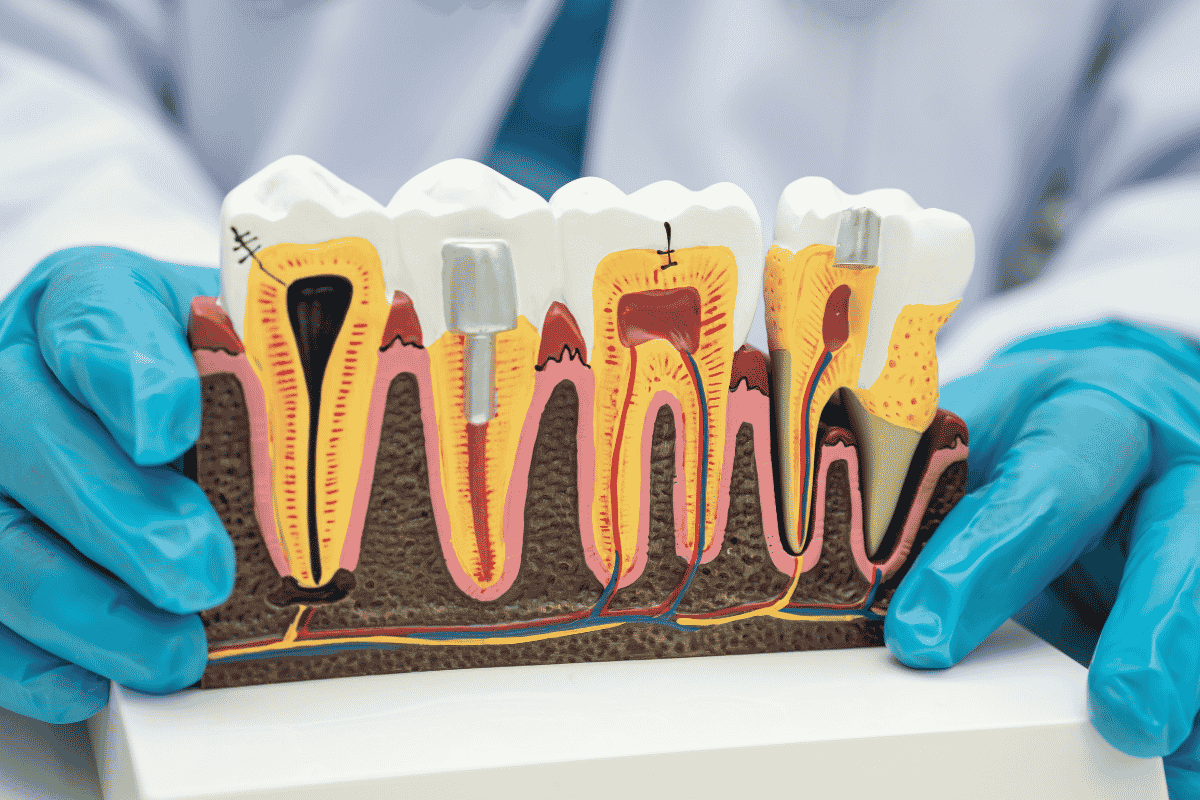
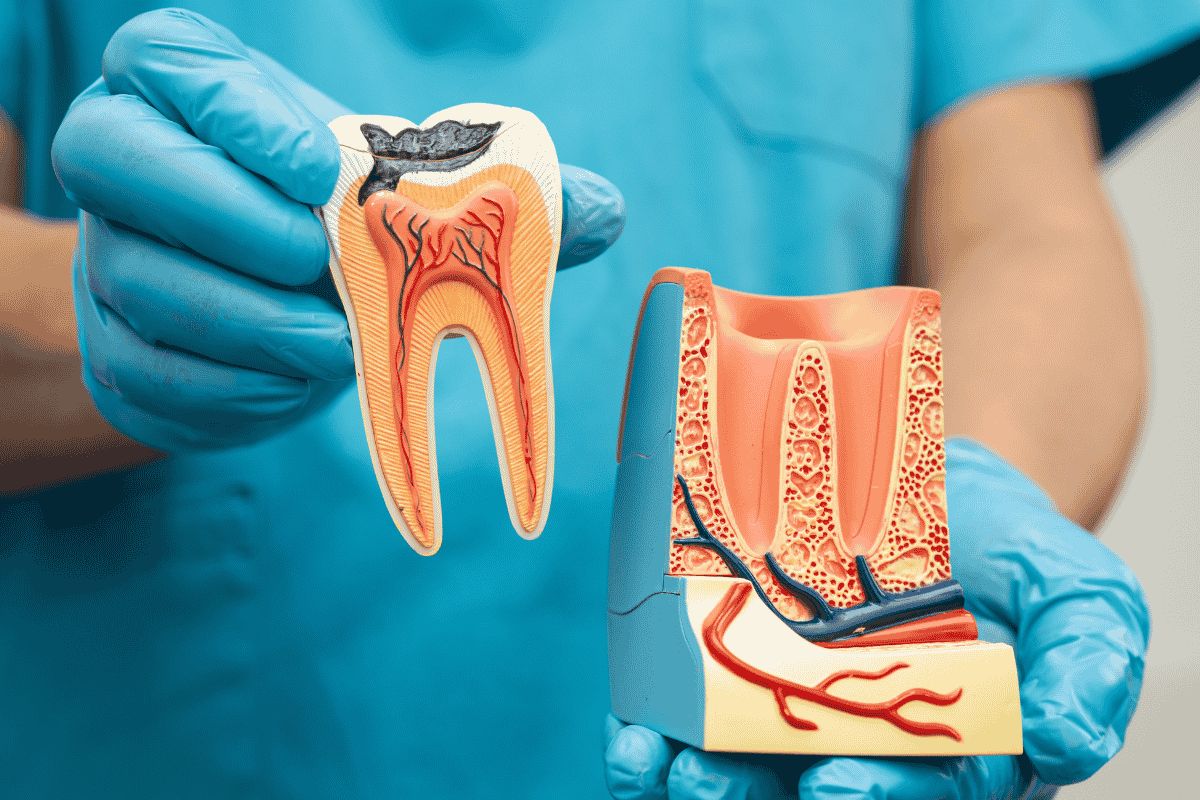
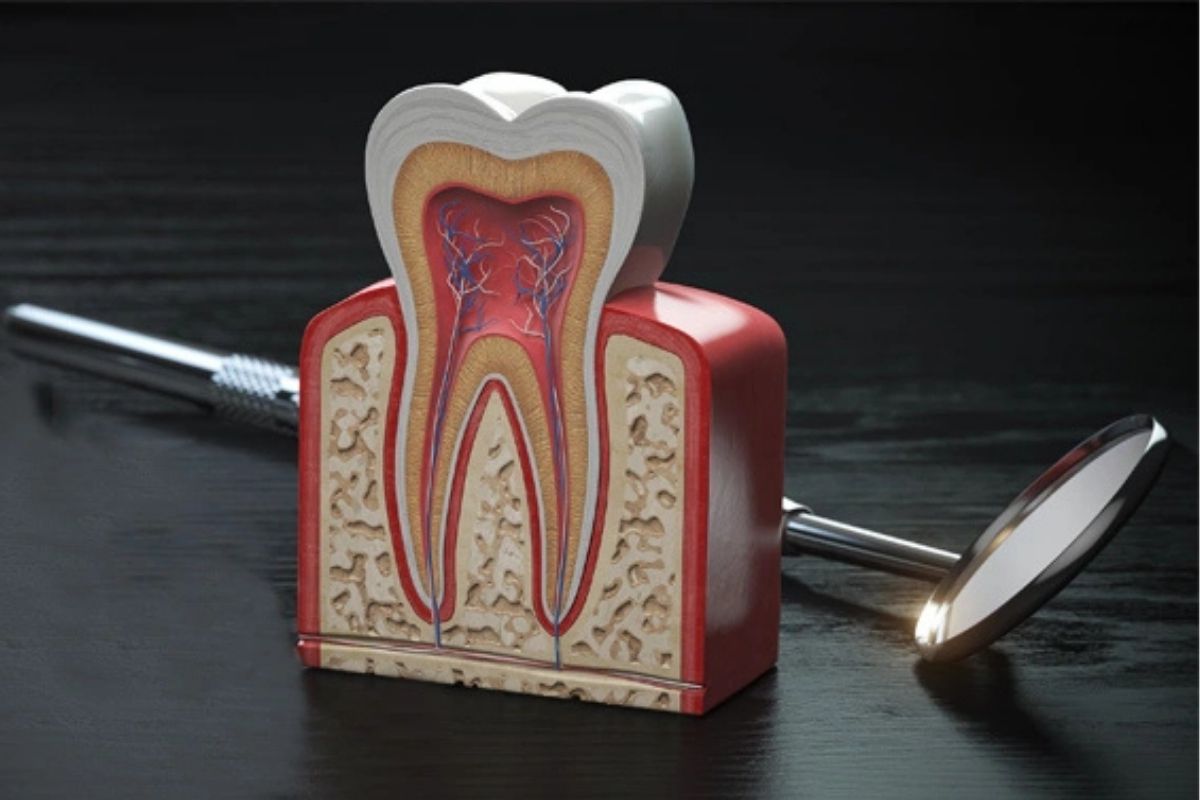
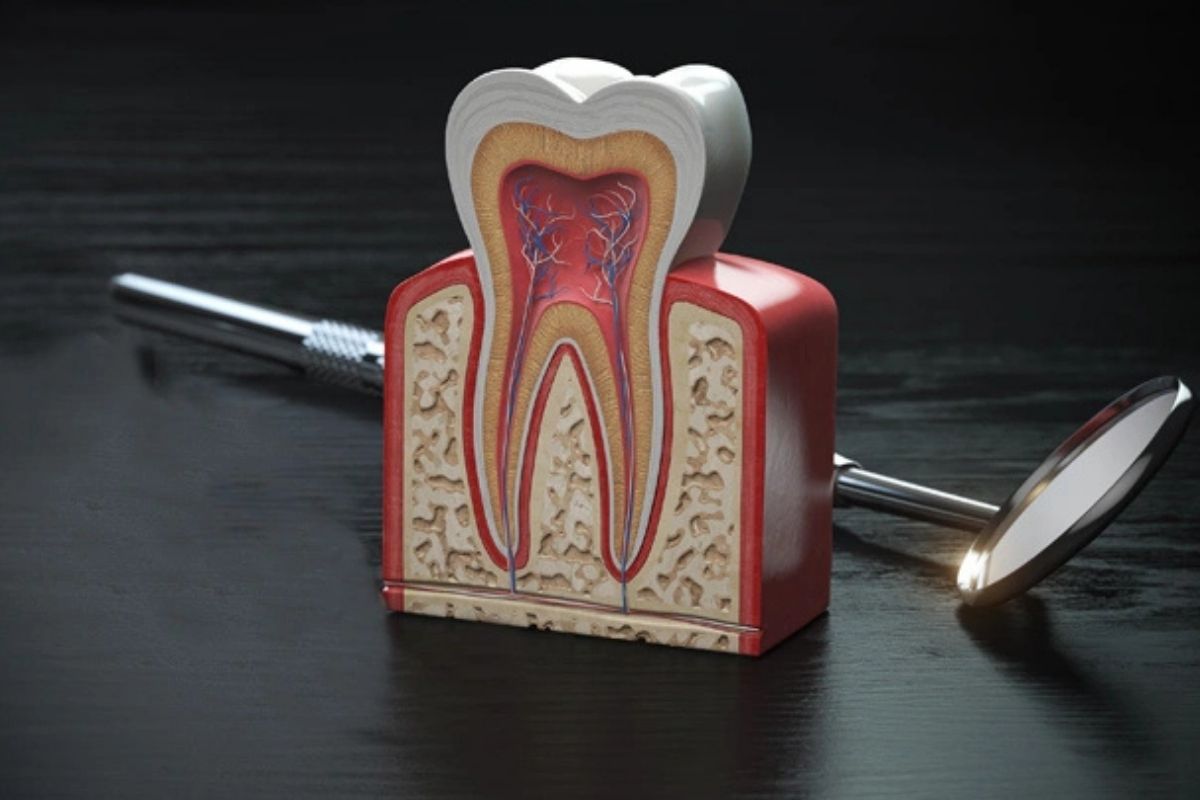
Each tooth contains living tissue called pulp, which includes nerves and blood vessels. This pulp becomes inflamed or infected when bacteria enter through deep decay, cracks, or trauma. Once the infection reaches an advanced stage, the pulp cannot recover, regardless of home care or antibiotics.
Experienced endodontists are trained to identify when the damage has become irreversible and when intervention is necessary to stop the infection from spreading to surrounding bone and tissue.
Persistent Tooth Pain That Does Not Resolve
Ongoing tooth pain is one of the most common signs that treatment is unavoidable. This pain may feel deep, aching, or sharp and often worsens when chewing or applying pressure. Many patients describe pain that lingers for days or wakes them at night.
Pain of this nature typically indicates inflammation or infection inside the pulp, where nerves are no longer healthy. When discomfort persists, it is a strong signal that the tooth cannot heal without professional intervention.
Lingering Sensitivity to Hot or Cold
Sensitivity that fades quickly is usually not a cause for concern. However, when a tooth reacts intensely to temperature changes and the sensation lasts for several seconds or longer, it often means the nerve tissue is damaged.
Heat sensitivity in particular is a classic sign of irreversible pulp inflammation. Patients in Pleasant View often report this symptom as one of the first indications that something more serious is developing inside the tooth.
Swelling of the Gums, Jaw, or Face
Swelling is a serious warning sign that infection has moved beyond the tooth root. Gums near the affected tooth may appear puffy or tender, and in some cases, swelling extends to the jaw or face.
This often indicates an abscess, which is a pocket of infection that the body cannot eliminate on its own. Prompt evaluation by an endodontic specialist is critical to prevent further spread of bacteria.
Tooth Discoloration or Darkening
A tooth that turns gray or dark yellow may be losing its blood supply due to internal nerve damage. This change in color is not cosmetic and usually signals that the pulp tissue is no longer healthy.
Discoloration combined with pain or sensitivity is a strong indicator that internal infection is present and needs to be addressed.
Pain When Biting or Applying Pressure
Discomfort while chewing often means that the infection has reached the tissues surrounding the tooth root. This pressure related pain may start mildly but typically worsens over time.
Patients from Layton and South Ogden frequently report this symptom after months of ignoring earlier warning signs, which is why early evaluation is always recommended.
Recurring Infections or Gum Pimples
Some infections drain temporarily, causing pain to subside before returning. A small bump on the gums that releases fluid is a sign that the infection is still active.
Recurring abscesses indicate that the source of the infection remains inside the tooth. In these cases, a carefully planned root canal procedure performed by an endodontist is often the only solution to permanently eliminate bacteria and protect surrounding bone.
How Endodontists Determine When Treatment Is Necessary
Endodontists receive advanced training beyond dental school, focusing exclusively on diagnosing and treating problems inside the tooth. Using detailed imaging, pulp vitality testing, and years of clinical experience, they determine whether the pulp can recover or must be removed.
At Mountain View Endodontics, the goal is always to preserve the natural tooth whenever possible while relieving pain and preventing future infection.
Why Acting Early Protects Your Long-Term Oral Health
Delaying care increases the risk of tooth extraction, bone loss, and the spread of infection. Early treatment allows patients to maintain proper chewing function, avoid complex procedures, and recover more comfortably.
For individuals living in Pleasant View and nearby communities, timely care can make a significant difference in both treatment outcomes and overall dental health.
Conclusion
Symptoms such as persistent pain, swelling, lingering sensitivity, discoloration, and pressure discomfort are not minor dental issues. They are signs that the inner structure of the tooth is damaged beyond repair. Recognizing these warning signs early allows patients to protect their oral health and avoid more serious complications.
If you are experiencing ongoing tooth pain or signs of infection, scheduling an evaluation with a trusted endodontic specialist is an important next step. Mountain View Endodontics proudly serves patients in Pleasant View, Layton, and South Ogden by providing expert diagnosis and focused care designed to relieve discomfort and preserve natural teeth whenever possible.
FAQs
How do I know if my tooth pain means I need a root canal?
If tooth pain lasts more than a few days, worsens at night, or increases when chewing, it often indicates nerve damage inside the tooth. Persistent pain is one of the strongest signs that the pulp cannot heal on its own and professional evaluation is needed.
Can a tooth infection heal without treatment?
Infections inside a tooth do not heal on their own. While pain may temporarily decrease, the infection usually remains active and can spread to surrounding bone or tissue. Treatment is required to remove the source of bacteria and prevent further damage.
Is it better to remove the tooth instead of getting a root canal?
Saving the natural tooth is usually the preferred option when possible. Keeping your own tooth helps maintain proper chewing, jaw alignment, and long term oral health. An endodontic evaluation determines whether the tooth can be preserved.
What does gum swelling near a tooth usually mean?
Swelling near a tooth typically indicates infection that has spread beyond the root. This may be accompanied by tenderness, pressure, or drainage. Swelling should never be ignored, as it can worsen rapidly without care.