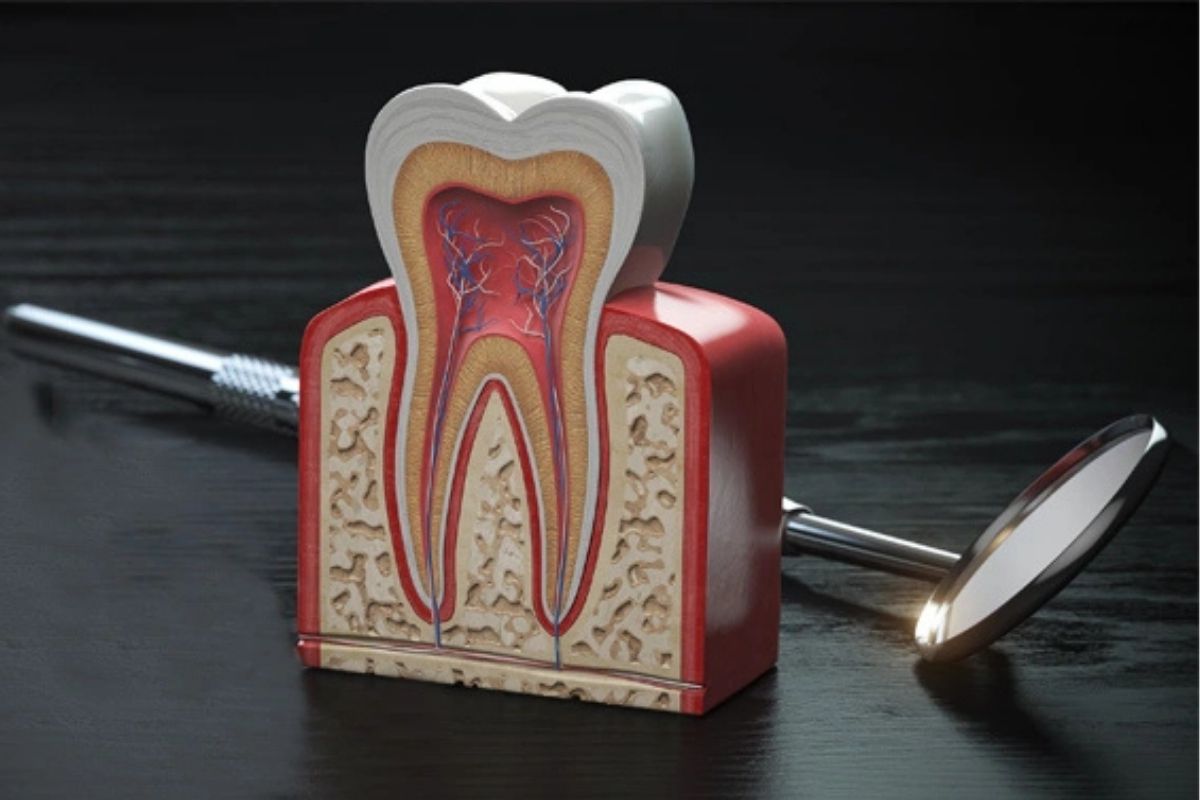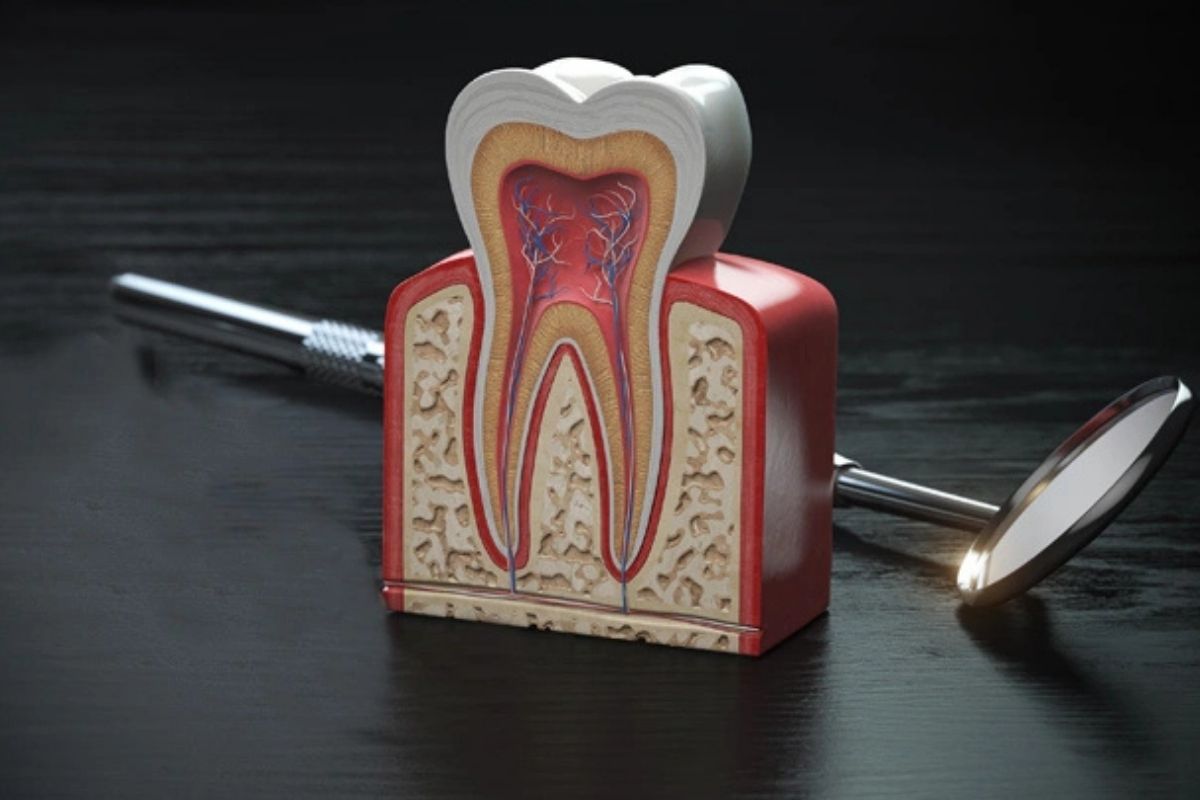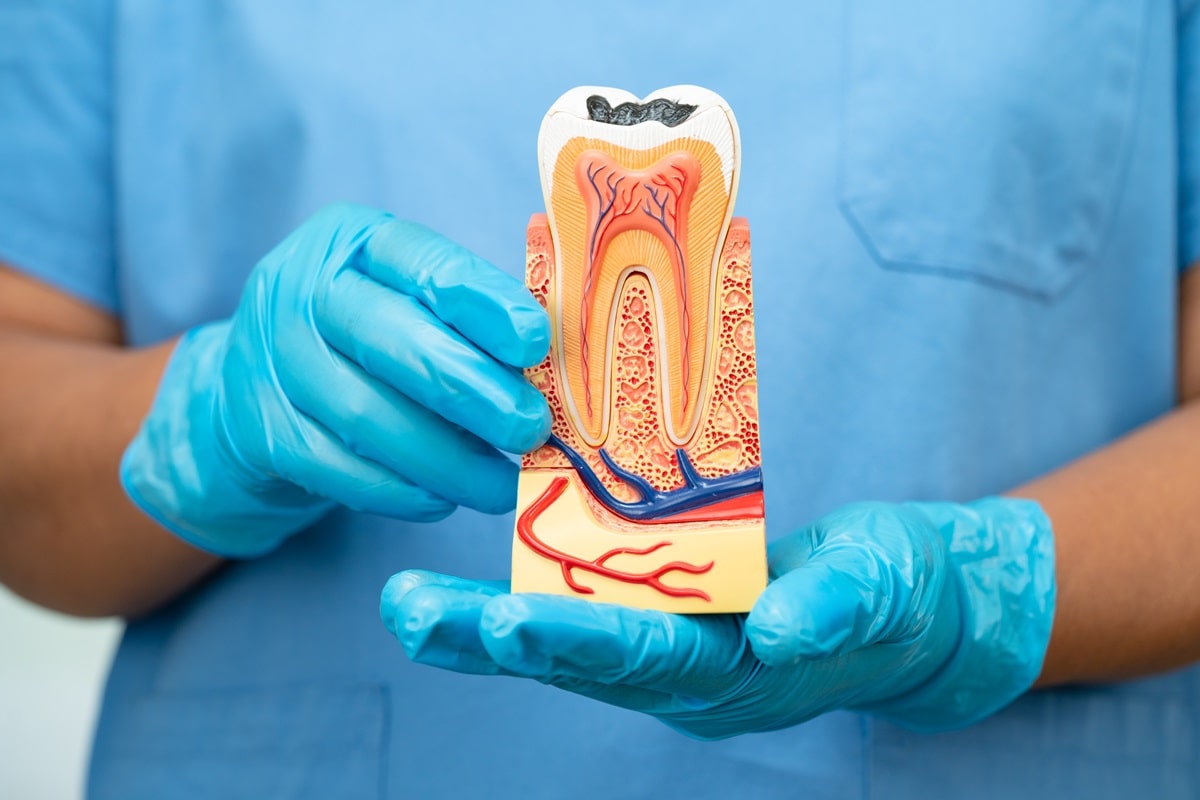


A root canal is a standard endodontic procedure that removes infected pulp, preserving the tooth and relieving pain. Occasionally, follow-up X-rays reveal a shadow near the treated area, which can cause concern. These shadows, referred to as periapical radiolucency, often indicate healing or ongoing issues requiring attention. Let’s discuss what this means and when to consult your endodontist regarding this indication.
Importance of X-rays After a Root Canal
Post-treatment X-rays are vital for monitoring the success of a root canal. They help your endodontist confirm that the infection is resolved and the tooth is healing properly. Shadows or dark spots in the X-ray are areas where bone density appears reduced. These spots provide essential information about the tooth’s recovery and overall health.
What is the Shadow on My X-ray After a Root Canal?
The shadow on an X-ray is typically a dark area near the tip of the tooth’s root. In medical terms, it’s called periapical radiolucency. This often suggests a bone infection caused by bacteria that persisted even after the root canal. However, it’s not always a sign of trouble.
The shadow often represents a healing lesion where the bone regenerates after the infection. The area may take months to heal and appear normal on an X-ray. Your endodontist will evaluate its size, shape, and changes to determine its significance.
Common Reasons for Shadows After a Root Canal
- Healing Process: Bone tissue regenerates after infection removal, which can appear as a shadow on X-rays for several months.
- Residual Infection: Persistent bacteria or incomplete cleaning of the root canals may lead to reinfection, causing the shadow to remain.
- Cyst Formation: Sometimes, a cyst develops in the affected area. While not always harmful, it might need monitoring or treatment.
- Fractured Root: Cracks or fractures in the root may harbor bacteria, leading to prolonged inflammation and shadows on X-rays.
How Do Endodontists Address These Shadows?
Your endodontist relies on X-ray findings and patient symptoms to decide the next steps. If the shadow is from healing, no action may be needed beyond monitoring. Additional treatment may be necessary for unresolved infections. Options include:
- Retreatment: Reopening the tooth to clean and seal the canals again.
- Surgical Intervention: Procedures like an apicoectomy remove the infected root tip and surrounding tissue.
- Cyst Removal: Large cysts might require surgical removal if they hinder bone healing.
Should You Be Concerned About the Shadow?
Not all shadows are cause for alarm. Healing often creates temporary radiolucency, which resolves naturally over time. However, persistent pain, swelling, or changes in the shadow’s size may signal an issue. Always follow up with your endodontic specialist if symptoms occur or the shadow doesn’t improve in follow-up X-rays.
How Can You Support Healing After a Root Canal?
- Maintain Good Oral Hygiene: Brush and floss regularly to prevent reinfection.
- Follow Your Dentist’s Instructions: Attend all follow-up X-ray evaluations and guidance appointments.
- Avoid Hard Foods: Protect the treated tooth from unnecessary pressure or damage during recovery.
- Stay Healthy: A strong immune system aids faster healing and bone regeneration.
Why Do Endodontists Monitor Healing So Closely?
Healing after a root canal is a gradual process. Endodontists monitor shadows to ensure they decrease in size over time, signaling healthy bone growth. Delayed or incomplete healing could compromise the tooth’s long-term success. Close monitoring allows timely intervention if complications arise.
The Importance of Timely Follow-Up
Skipping follow-ups after a root canal can lead to undetected issues. An X-ray shadow may indicate a problem that can worsen without treatment. Regular visits allow your endodontic expert to catch potential concerns early, ensuring the tooth remains healthy and functional.
A shadow on your X-ray after a root canal isn’t always a reason to worry. Often, it reflects the natural healing process as your bone regenerates. However, persistent shadows might suggest infection, cysts, or other issues needing attention.
Conclusion
Trust your endodontist’s expertise and stay proactive with follow-up care to ensure your treatment is a lasting success. Proper monitoring and care will help you flaunt a healthy, pain-free smile for years.
Experience expert care and get your post-root canal questions answered. Contact Mountain View Endodontics in Layton, Pleasant View, or South Ogden today.